
 Skip to content
 Animal Removal In Atlanta for attics and chimneys. Humane removal, cleanup, and prevention. Call Clean Air Duct Cleaning and Chimney to schedule service today
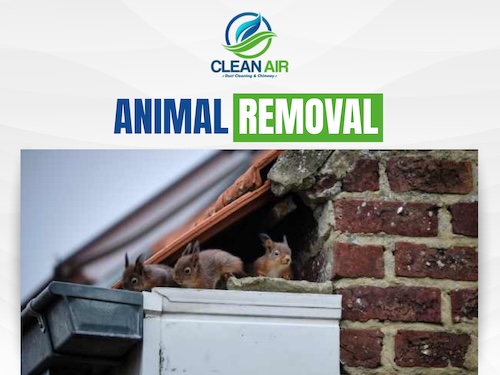
Clean, humane animal removal that protects your home and your air.
Animal Removal in Atlanta helps homeowners safely remove unwanted wildlife from attics, chimneys, crawl spaces, and vents. Clean Air Duct Cleaning & Chimney identifies the source of the activity, removes the animal, cleans affected areas, and addresses entry points that may allow wildlife to return.
The goal is not only to remove the animal but also to address the mess it leaves behind and reduce the risk of another entry. Our approach focuses on safe removal, practical cleanup, and prevention based on the specific areas affected.
Need Help? Call Clean Air Duct Cleaning & Chimney Near You
Animal removal involves more than getting wildlife out of the home. The source of the problem also needs to be identified so the same animal, or another one, does not return through the same opening.
Our service focuses on four main steps:
Animals may enter through chimney tops, damaged soffits, attic vents, crawl space openings, roof gaps, and other exterior access points.
If you hear scratching, movement, or unusual sounds, notice strong odors, or find nesting material around the home, an inspection can help determine where the activity is coming from and what should be done next.

You may need animal removal if you notice sounds, smells, or damage in key areas. Animals usually leave clues. Some are obvious, and some look like normal wear and tear until you look closer.
Common signs we see in Atlanta homes:
Avoid spreading contamination:
If you see droppings or nesting, avoid sweeping or vacuuming it with a normal shop vac. That can put particles into the air and spread contamination.
Wildlife gets inside through small gaps, rooflines, chimneys, and vent openings. Most animals do not need a big hole. A small gap at a roof edge, a loose vent screen, or a damaged soffit can be enough. Chimneys are also a common entry point. A dark vertical shaft looks like a safe tunnel to a curious critter.
Common entry routes we check:
Tree limbs near the roof matter too. Squirrels and raccoons treat them like a bridge. If a branch hangs over your roof, animals can access your home in seconds.
The most common animals in Atlanta homes are squirrels, raccoons, birds, bats, and rodents. Atlanta’s mild climate and wooded neighborhoods make great wildlife habitat. Many animals look for warmth, safety, and a place to raise young.
Common wildlife we remove:
The goal is removal, cleanup, and prevention. No matter which animal is causing the problem, the process follows the same basic approach: remove the animal safely, clean the affected area, and address the entry point to help prevent another infestation.
If animal activity has affected the chimney, additional cleaning may be needed after the nest or debris is removed.
Removing the animal is only part of the job. Wildlife can leave behind nesting material, droppings, urine, damaged insulation, chewed materials, and strong odors that remain after the animal is gone.
The amount of cleanup needed depends on where the animal was living and how long the activity continued.
Common problems may include:
During the inspection, we look at the affected area and determine what needs to be removed, cleaned, repaired, or addressed before prevention work is completed.
If animal activity has damaged another part of the home, we explain what we found and whether a separate service may be needed. The priority is to correct the animal problem first, then deal with any damage or contamination it caused.
Our visit starts with a focused inspection to confirm the animal, entry points, and impact. We start by finding out what is there, where it is, and how it got in. .
During inspection, we look for:
If you have pets, we will ask a few questions about what they have noticed. Dogs and cats often detect animal activity before people do.
Removal is done with a humane plan that matches the animal and the situation. Humane removal means the approach respects the animal while protecting your home. The method depends on species, location, and whether there are young present. Timing also matters. Some animals are more active at night, and some stay close to nests.
A typical removal process includes:
If there is an active nest in a chimney, we treat it carefully. Nest material can obstruct proper venting. That is not something you want to poke at with a broom handle.
Cleanup focuses on droppings, odor sources, and disturbed insulation. Once the animal is out, the mess is still a problem. Droppings and urine can soak into insulation and building materials. Nesting material can spread debris and odors. Cleanup is also where many quick fixes fail, because the smell draws new animals.
Cleanup work may include:
Prevention is the step that stops repeat visits from the same wildlife family. Prevention means closing the entry routes and correcting conditions that attract animals. If you remove an animal but leave the gap, another one will show up. Wildlife does not check your calendar. It just checks for openings.
Prevention steps often include:
| Problem Area | What We Look For | Why It Matters |
|---|---|---|
| Chimney top | Missing cap, nest material | Blocks entry and reduces nesting risk |
| Attic vents | Torn screens, loose framing | Stops squirrels, bats, birds from entering |
| Soffit fascia | Gaps, rot, pulled edges | Common raccoon and squirrel access point |
| Crawl space | Openings, damaged door | Reduces rodent and larger animal access |
Animals behave differently depending on where they enter and where they settle inside the home. The location of the activity affects how we inspect the area, remove the animal, clean up the space, and prevent another entry.
Chimneys can attract birds, squirrels, and other wildlife because the flue provides a protected vertical space away from normal activity inside the home.
Signs of chimney activity may include:
Scratching or fluttering above the fireplace
Twigs or nesting material falling into the firebox
Unusual odors coming from the chimney
Animal sounds near the fireplace
Debris that was not present before
Do not light a fire to force an animal out. If wildlife or nesting material may be inside the chimney, the area should be checked and cleared before the fireplace is used again.
Attics provide warmth, shelter, and room for nesting. Squirrels, raccoons, bats, rodents, and other animals may enter through roof gaps, soffits, vents, or damaged exterior materials.
Attic activity may leave behind:
Disturbed or compressed insulation
Droppings or urine stains
Nesting material
Chewed wood or wiring
Strong odors
Repeated scratching or movement above ceilings
Finding the entry point is especially important with attic activity because removing the animal without correcting the opening can lead to another problem later.
Crawl spaces can attract rodents and other animals looking for quiet shelter. Damaged access doors, foundation openings, utility penetrations, and loose screens can provide entry.
Signs may include droppings, nesting material, odors, disturbed insulation, or noises underneath the home.
The inspection should identify both the activity and the route being used to enter the crawl space.
Birds, rodents, and other small animals may nest around exterior vent openings or use damaged screens as access points.
Possible signs include:
Nesting material around vent openings
Scratching or movement near exterior walls
Damaged or missing vent screens
Debris around the opening
Unusual noises when nearby equipment is running
The animal or nesting material should be addressed first, followed by appropriate protection of the opening to help reduce the chance of repeat activity.
The time and work involved in animal removal depend on the type of animal, where it is located, how it entered the home, and whether there is nesting, contamination, or property damage.
A straightforward situation with an accessible entry point may require less work than an activity spread across several areas of the property.
Factors that can affect the process include:
Hard-to-reach rooflines or chimney openings
Multiple possible entry points
Animals located deep inside an attic, wall, or crawl space
Active nesting or young animals
Heavy nesting material or contamination
Damage that needs to be addressed before an opening can be secured
Weather conditions that limit exterior access
We explain what we find during the inspection and outline the appropriate removal, cleanup, and prevention steps based on the situation.
Trying to catch or remove wildlife without knowing the animal, location, or nesting situation can make the problem more difficult. A frightened or cornered animal may bite, scratch, move deeper into the structure, or become difficult to locate.
Avoid disturbing the animal and consider professional help when:
Keep children and pets away from the affected area and avoid disturbing nests or droppings.
If the activity involves a chimney, do not light a fire in an attempt to force the animal out. The chimney should be checked and cleared before normal use resumes.
You can prepare for our arrival with a few simple steps that save time. Preparation helps us inspect faster and keeps your home cleaner during the visit. You do not need to move your whole life around.
Before we arrive:
If you have photos of exterior gaps or ceiling stains, keep them handy. A quick picture can point us to the right spot faster.
After service, you should monitor for a short list of repeat activity signs. Once removal and prevention work is done, the goal is quiet. Still, it is smart to keep an eye out for a little while. Wildlife is persistent, and Atlanta neighborhoods have plenty of trees and roof access routes.
Watch for:
Also, keep an eye on your indoor air. If odors linger when the HVAC runs, let us know what you are noticing and where.
Atlanta’s tree coverage, mild climate, varied housing styles, and seasonal weather can create plenty of opportunities for wildlife to find shelter around homes.
Tree branches can give squirrels and other animals easier access to rooflines. Older soffits, vent screens, chimney openings, and exterior gaps may also provide entry points.
Common local situations include:
Tree branches providing easy access to roofs
Chimneys that remain unused for long periods
Damaged or aging soffits and exterior vents
Heavy rain driving animals toward dry shelter
Attics that provide warm, protected nesting areas
Crawl spaces with openings that allow rodents or other wildlife to enter
Regularly checking roof edges, chimney tops, vents, soffits, and other exterior openings can help identify changes before they turn into a larger animal problem.
If you notice scratching, nesting material, droppings, odors, or other signs of activity, animal removal can help identify the source and determine the appropriate next step.
Homeowners choose Clean Air Duct Cleaning & Chimney because we handle the messy overlap between wildlife, airflow, and chimneys. Animal problems do not stay in one neat box. A raccoon in the attic can lead to insulation damage and odor. A bird nest in the chimney can lead to venting issues and debris in the fireplace. A rodent near ductwork can affect indoor air.
What you can expect:
You will also get straightforward communication. If we see something that needs a different trade, we will say so. If the fix is simple, we will keep it simple.
If you need Animal Removal in Atlanta, the next step is to schedule a visit and stop the problem at the source. Noise in the attic does not work itself out. Chimney scratching does not get better with wishful thinking. The sooner you address it, the less damage builds up in insulation, vents, and living spaces.
For Animal Removal in Atlanta, call (470) 706-6431 or use the contact page to schedule service with Clean Air Duct Cleaning & Chimney.
 Optimized by Seraphinite Accelerator