
 Skip to content
 Get Chimney Inserts In Atlanta with safe fitting, venting, and code ready installation. Clean Air Duct Cleaning & Chimney makes your fireplace efficient fast
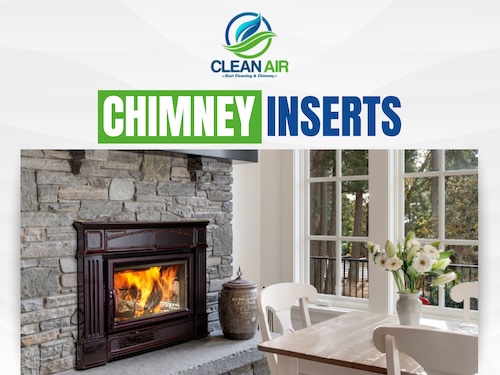
Chimney inserts are designed to improve the performance, comfort, and usability of an existing fireplace. They fit inside the fireplace opening and provide a more controlled way to produce heat while working with the chimney’s venting system.
Clean Air Duct Cleaning & Chimney provides Chimney Inserts in Atlanta with careful sizing, proper venting, and installation planned around the condition of the existing fireplace and chimney.
Whether you are replacing an outdated setup or looking for better heat and easier operation, we help you choose an insert that fits the space and works properly with your home.
Need Help? Call Clean Air Duct Cleaning & Chimney Near You
A chimney insert fits inside an existing fireplace opening and creates a more controlled firebox. Depending on the setup, homeowners may choose a wood-burning or gas insert based on how they want to use the fireplace.
Compared with a traditional open fireplace, an insert can provide several practical benefits:
More controlled heat from the fireplace
Better management of airflow and draft
Easier day-to-day operation
Less heat loss through an open fireplace
A cleaner, more finished fireplace appearance
Gas or wood-burning options based on your preferences
A chimney insert may be worth considering if your existing fireplace produces limited usable heat, feels drafty when not in use, or no longer fits the way you want to use the room.
Before recommending Chimney Inserts in Atlanta, we look at the fireplace opening, chimney condition, venting requirements, and your heating goals. This helps determine whether an insert is a practical option for the existing setup.

Before installing a chimney insert, the existing fireplace and chimney need to be evaluated. Our CSIA Certified Chimney Professionals look at accessible chimney and fireplace conditions that may affect whether additional cleaning, repair, or preparation is needed before installation.
We typically consider:
The width, height, and depth of the existing fireplace opening
The condition of the firebox and surrounding masonry
The existing flue size and condition
Available clearance around the insert
Chimney liner requirements
The condition of the chimney top and termination
Whether soot, creosote, or debris needs to be removed first
An older fireplace does not automatically mean an insert cannot be installed. However, damaged masonry, heavy buildup, flue problems, or other chimney issues may need attention before installation begins.
For Chimney Inserts in Atlanta, evaluating the existing fireplace first helps us determine what will fit properly and what preparation may be needed before the new unit is installed.
The right chimney insert depends on the size of your fireplace, your heating goals, and how you plan to use it. Some homeowners prefer the look and heat of a wood-burning insert, while others want easier operation and less day-to-day maintenance.
When choosing an insert, we consider:
Fuel type: Gas and wood inserts have different operating and venting requirements.
Heating goals: Some inserts are chosen mainly for supplemental heat, while others are used more often during colder weather.
Fireplace dimensions: The width, height, and depth of the existing opening determine which inserts can fit properly.
Venting requirements: The insert needs to work with the existing chimney and flue setup.
Style and finish: The insert should fit the fireplace opening and complement the surrounding hearth and room.
How often you plan to use the fireplace also matters. A unit used regularly for heat may need different features than one used mainly for occasional fires and ambiance.
Choosing between a gas and wood insert depends on how you want to use the fireplace, how much maintenance you are comfortable with, and the type of heat you prefer.
| Feature | Wood Insert | Gas Insert |
|---|---|---|
| Day-to-day use | More hands-on | Easier operation |
| Heat | Strong radiant heat | Steady, controlled heat |
| Maintenance | Ash removal and chimney cleaning | Burner and vent maintenance |
| Fuel | Firewood | Gas supply |
| Fire experience | Traditional wood fire | Consistent flame and simpler control |
A wood insert may be a better fit if you enjoy maintaining a traditional fire and using firewood. A gas insert may be more suitable if you prefer quick heat and easier operation.
The right choice depends on your fireplace, venting setup, heating goals, and how often you plan to use the unit.
A proper chimney insert installation starts with accurate measurements, suitable venting, and a clear understanding of the existing fireplace and chimney. We evaluate the setup before installation, so the insert fits correctly, vents properly, and works safely with the system already in place.
Our typical installation process includes:
Fireplace and surround evaluation: We measure the opening, review the surrounding materials, and check available clearances.
Chimney evaluation: We look at the flue path, draft conditions, and visible chimney components that may affect installation.
Fuel and usage planning: We discuss whether a gas or wood insert better matches your fireplace, heating goals, and preferred level of maintenance.
Venting plan: We determine the appropriate liner setup, routing, and chimney termination.
Insert installation and connection: We position the insert, connect the venting, secure the components, and confirm that everything fits as intended.
Startup and operation review: We test the installed unit and explain the basic controls, operation, and signs to watch for during future use.
Final cleanup: We clean the immediate work area and make sure the fireplace is left neat and ready for normal use.
If the chimney needs cleaning or repair before the insert can be installed safely, we explain what needs attention and why before moving forward.
Proper venting is an important part of chimney insert installation. The liner needs to be correctly sized and connected so smoke and combustion gases can move safely through the chimney.
Before installation, we review the existing flue and determine whether it is suitable for the selected insert. The condition, size, and layout of the chimney can all affect the venting setup.
We pay close attention to:
Liner size and compatibility with the insert
Secure connections between the insert and chimney liner
Proper liner routing and support
Chimney top and termination condition
Protection from rain, debris, and animal entry
If the existing liner or chimney setup is not suitable, additional preparation may be needed before installation.
Correct venting helps the insert operate properly and reduces the risk of smoke, odors, and draft problems.
A chimney insert should not be installed over problems that could affect its fit, venting, or safe operation. During the initial evaluation, we look for visible conditions that may need to be addressed before installation moves forward.
Additional work may be needed if we find:
Cracked or deteriorated firebox masonry
A damaged or unsuitable chimney liner
Heavy soot or creosote buildup
Blockages inside the flue
Water damage around the fireplace or chimney
Loose or damaged masonry near the opening
Venting conditions that are not suitable for the selected insert
Not every older chimney needs repair before an insert can be installed. The goal is to identify conditions that actually affect the installation and address those issues before the new unit is connected.
If preparation is required, we explain what needs attention before proceeding with Chimney Inserts in Atlanta.
Code-ready installation requires clearances, proper materials, and a careful final check. Fireplaces and chimneys are not a close enough project. Clearances to combustibles, proper vent materials, and correct termination all matter. We focus on doing the work in a way that supports safe operation and typical local requirements.
During the final check, we look at:
If something does not pass a common-sense safety test, we do not ignore it.
The time needed for chimney insert installation depends on the condition of the existing fireplace, chimney, and venting system. Some installations are straightforward once the insert and venting plan are confirmed, while others require preparation before the new unit can be installed.
Factors that may affect the timeline include:
Soot, creosote, or debris that needs to be removed from the flue
Damage to the chimney, liner, firebox, or surrounding masonry
Limited roof access or a tall chimney
A fireplace opening that needs adjustment for proper fit
Venting or liner changes required for the selected insert
Additional preparation discovered during the initial evaluation
We explain any required preparation before moving forward so you understand what needs to be completed and how it affects the installation process.
A few simple steps before your appointment can help the installation go more smoothly and keep the work area clear.
Before we arrive:
Clear the hearth and remove décor from the mantel.
Move nearby furniture away from the fireplace.
Roll back rugs or floor coverings near the work area.
Keep pets in another room during the installation.
Let us know about any past smoke, draft, or moisture issues.
Make sure roof, gate, or property access is available if needed.
You do not need to make major changes to the room. The goal is simply to provide clear access to the fireplace and surrounding work area.
Proper use and routine maintenance can help your chimney insert perform well over time.
For a wood-burning insert, use dry, seasoned wood and avoid burning materials that are not intended for the unit. Gas inserts should be operated according to the manufacturer’s instructions and checked if performance changes.
Basic care includes:
Keeping the area around the insert clear of combustible materials
Watching for changes in smoke, odor, or draft
Cleaning ash and debris as recommended for the unit
Checking the chimney and venting system regularly
Using the insert controls as intended
Scheduling professional service when buildup or performance issues develop
If the insert begins operating differently than usual, it is better to have the cause checked early rather than continue using the system with an unresolved problem.
Fireplaces in Atlanta vary widely in age, construction, and chimney design. Many homes have masonry fireplaces with older flue systems, while others have exterior chimneys that may respond differently to changing temperatures and moisture.
When planning Chimney Inserts in Atlanta, we consider conditions such as:
Older masonry fireplaces and fireboxes
Existing clay or metal chimney liners
Exterior chimneys that remain cooler than interior chimneys
Tall chimney runs that can affect venting
Moisture exposure from heavy rainfall
Fireplace openings with unusual dimensions
Existing wear that may need attention before installation
Every fireplace is different, so the insert and venting plan should be based on the actual condition and dimensions of the existing system.
Clean Air Duct Cleaning & Chimney focuses on the details that affect how a chimney insert fits, vents, and performs.
When you work with our team, you can expect:
Clear communication about the condition of your fireplace and chimney
Accurate measurements before installation
Recommendations based on the existing setup
Careful attention to venting and clearances
A clean and organized installation process
Straightforward explanations if additional preparation is needed
We do not recommend extra work unless it affects the installation or operation of the insert. Our goal is to help you understand what your fireplace needs and complete the installation properly.
If you are considering Chimney Inserts in Atlanta, we can help you determine which options are suitable for your existing fireplace and chimney.
We evaluate the fireplace opening, chimney condition, venting requirements, and available space before planning the installation. This helps ensure the insert fits properly and works with the existing system.
Call (470) 706-6431 or contact Clean Air Duct Cleaning & Chimney to schedule chimney insert service in Atlanta.
 Optimized by Seraphinite Accelerator