1. Home
  2. »
  3. Chimney Sanitation

Chimney Sanitation in Atlanta, GA

Chimney Sanitation In Atlanta from Clean Air Duct Cleaning & Chimney. Remove soot and odors, improve airflow, and book a fast local inspection today
Table of Contents
Chimney Sanitation In Atlanta by Clean Air Duct Team
Chimney Sanitation In Atlanta from Clean Air Duct Cleaning & Chimney. Remove soot and odors, improve airflow, and book a fast local inspection today

Chimney Sanitation

Chimney Sanitation in Atlanta clears out soot, smells, and buildup that can mess with draft and indoor air. Clean Air Duct Cleaning & Chimney handles Chimney Sanitation in Atlanta with a clear, step by step visit that focuses on safe removal, cleaner airflow, and simple next steps you can follow at home.

Chimney sanitation is the hands on cleaning that removes soot, odors, and residue from your chimney system. Chimney Sanitation is focused on the messy layer that forms after fires, candles, or long periods of moisture and disuse. That layer can include soot, ash, light creosote residue, dust, and debris that holds odors. If you have ever opened a fireplace and thought, Why does this smell like last winter, sanitation is usually the missing piece.

A clean chimney path also supports smoother airflow. Your fireplace and flue rely on draft to move smoke up and out. When buildup narrows the path, the system can struggle. That can show up as a smoky room, stubborn smells, and more cleanup after each fire.

Clean Air Duct Cleaning & Chimney provides Chimney Sanitation for homeowners across Atlanta, GA. We focus on clear communication, careful containment, and a result you can actually feel when you light the next fire.

Need Help? Call Clean Air Duct Cleaning & Chimney Near You

Signs you may need chimney sanitation

You may need sanitation if you notice odors, smoke, or soot showing up where it should not. Chimney issues usually give hints before they become a bigger headache. Some are obvious. Some are easy to ignore until guests are over and the fireplace decides to be dramatic.

Look for these common signs

  1. A smoky smell in the living room even when the fireplace is not in use
  2. Smoke rolling back into the room when you start a fire
  3. Soot dust on the hearth, mantel, or nearby walls
  4. Black staining around the firebox opening
  5. Your eyes or throat feel irritated after a short fire
  6. You see flaky buildup inside the firebox or damper area
  7. You hear faint scratching or chirping above the firebox area

Do you keep your damper closed but still smell smoke. That can happen when odor holding residue sits in the firebox, smoke shelf, or lower flue. Sanitation targets those areas so the smell does not keep recycling into the room. If you also want a clearer picture of what is happening inside the system, a chimney inspection can help confirm what areas need attention.

What causes soot and odor buildup

Buildup usually comes from normal burning, but moisture and poor draft make it worse. Soot and residue are normal byproducts of burning wood. What changes is how much sticks and where it settles. Atlanta’s humid months can also make odors hang around longer, since damp residue holds smell like a sponge.

Common causes we see in and around Atlanta

  1. Burning unseasoned or damp wood that creates more smoke and deposits
  2. Low, slow fires that do not burn hot enough for cleaner combustion
  3. A damper that does not open fully or does not seal well
  4. Downdrafts from wind and weather shifts
  5. Long gaps between use where moisture and odor build up
  6. Debris from the top of the chimney, including leaves and small twigs

If you use artificial logs, that can still leave residue and odor. If you burn candles in a fireplace for ambience, that can create soot too. The chimney does not care why you made smoke. It just keeps the evidence. When residue is heavier than normal, pairing sanitation with creosote removal may be the right next step.

Our chimney sanitation process

Our visit follows a simple process protect your home, remove buildup, and confirm better airflow paths. A proper sanitation visit is not just brushing a little soot and leaving. The goal is to clean the areas that collect residue and cause odor, while keeping dust out of your home.

Here is what we typically do during Chimney Sanitation

  1. Walkthrough and quick conversation about what you have noticed
  2. Visual check of accessible areas like the firebox, damper, and smoke shelf
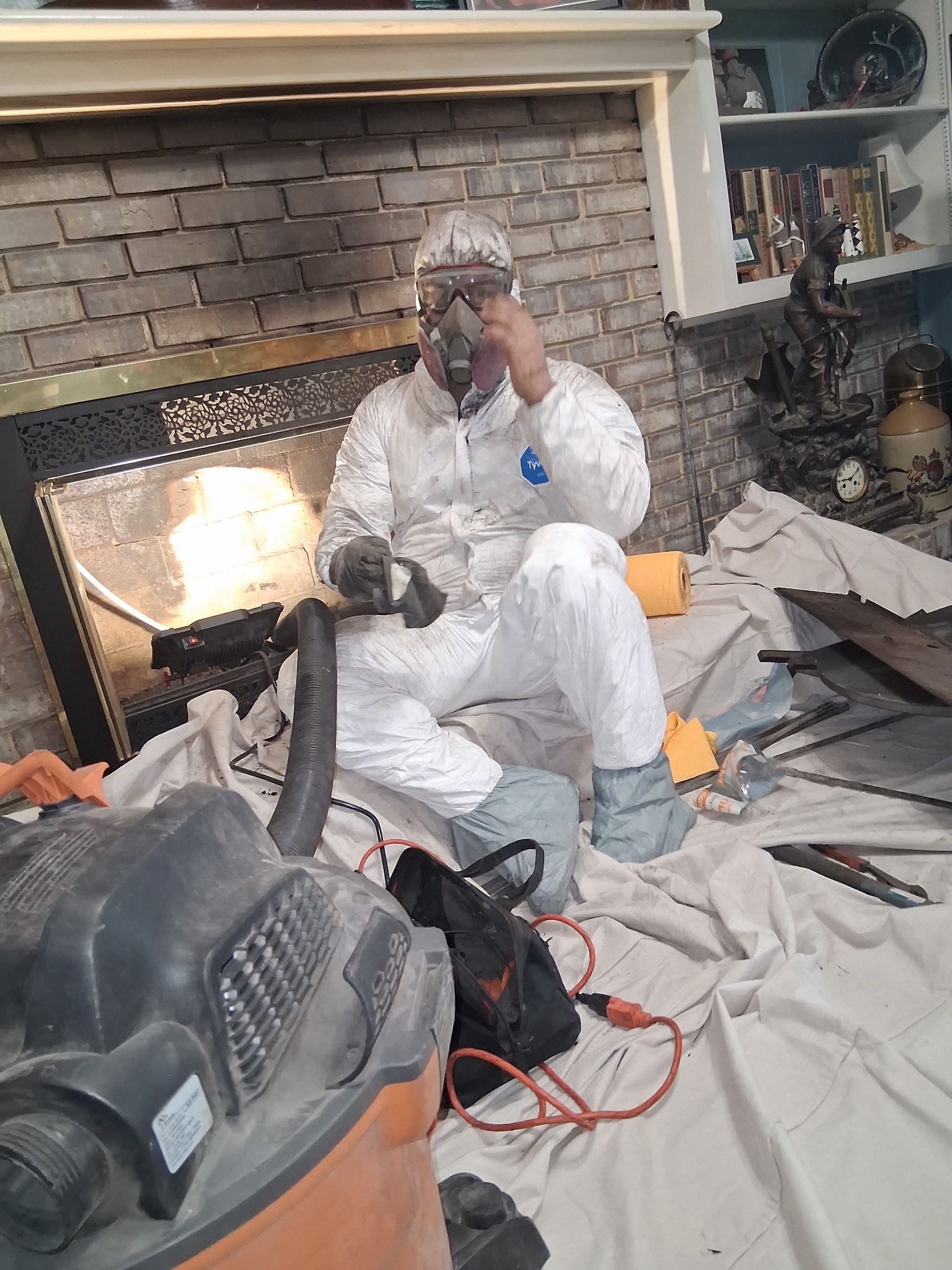
  3. Set up containment to limit soot and dust in the room
  4. Remove loose ash and debris from the firebox area
  5. Brush and clean reachable chimney pathway sections as appropriate for the setup
  6. Clean residue in the areas that commonly hold odor
  7. Clean up the work area and review what we found

Every chimney is built a little differently. Some have tight access. Some have older dampers. Some have fireplace inserts. We adjust the approach so the cleaning matches the system you actually have, not a one size fits all routine. For many homes, sanitation works best when paired with a routine chimney sweep to keep pathways clear.

Containment and cleanup

Containment and cleanup matter because soot dust spreads fast and nobody wants it on the couch. Chimney soot is lightweight. If it gets into the air, it can move through the room quickly. That is why we focus on keeping the work area controlled. If you want a closer look at hard to reach areas, a camera inspection can help document what is going on inside.

Simple ways to help the visit stay clean
  1. Keep the area around the fireplace clear before we arrive
  2. Turn off ceiling fans nearby during the visit
  3. Keep pets in another room, since curious noses find soot interesting
  4. Close nearby doors if possible to limit airflow between rooms
Small detail that makes a difference

Soot has a talent for showing up on the one white rug you love. We plan the setup so it stays where it belongs. If you also want to reduce particles moving through the rest of the home, consider air duct cleaning as a complementary step.

Odor focused sanitation

Chimney sanitation can also include odor focused cleaning when the smell keeps coming back. Odors can linger even after you remove ash. That is because residue can sit above the damper and in shelf areas that homeowners rarely reach. Moisture can reactivate that smell, especially in humid Georgia summers. If moisture is part of the problem, addressing chimney leaks can help keep odors from returning.

Odor related sanitation may focus on

  1. Cleaning soot from the smoke shelf area where residue settles
  2. Removing dusty buildup around the damper frame and nearby ledges
  3. Clearing light debris that traps odor and moisture
  4. Identifying likely odor sources like damp soot or organic debris

If you have tried air fresheners and the smell returns, the source is still there. Sanitation targets the source, not the cover up. If needed, we may recommend follow up steps like chimney cap installation to help keep debris and moisture out.

Need Help? Call Us For Air Duct Services!

Time on site and access factors

Time on site is usually manageable, but access issues and heavy buildup can extend it. Most sanitation work can be completed in a single visit. The exact time depends on how open the access is and how much buildup is present.

What can slow the work down

  1. A tight damper area that limits access
  2. A fireplace insert that blocks key sections
  3. Heavy soot deposits that take longer to remove
  4. Debris that needs careful removal to avoid a mess
  5. A chimney cap area that is difficult to reach from the roofline

If your fireplace has not been used in years, expect extra debris and stronger odors. If you burn often in winter, buildup can also be heavier. Either way, we will talk through what we see before we get far into the work. If we find damage along the way, we may suggest chimney repair as the next step.

Fire and smoke safety notes

Fire and smoke safety starts with knowing when to stop using the fireplace and call for help. If you suspect a serious chimney issue, do not test it with one more fire. Some warning signs are not the time for guesswork. For general background on creosote and how it forms, you can also review creosote.

Stop using the fireplace and reach out if you notice

  1. Strong smoke odor with no fire burning, getting worse over time
  2. Smoke pushing into the room every time you light a fire
  3. Bits of black flaky material falling into the firebox
  4. A rattling sound above the damper or signs of animal activity
  5. Any sign of a chimney fire, including loud cracking, popping, or a very hot flue

Sanitation is a smart step for routine care and odor control. If there is structural damage or a major blockage, the priority changes to safety first. We will be straightforward about what we can handle on site and what needs a different next step. If scratching or chirping is part of the issue, animal removal may be needed before sanitation can fully solve the problem.

How to prepare and what to do after

You can prepare in a few minutes, and it helps the visit go smoother. A little prep saves time and keeps your home cleaner. It also helps us focus on the chimney, not moving furniture. If you want the system checked before or after service, schedule a fireplace safety inspection.

Before we arrive, here is a helpful checklist

  1. Remove items from the mantel and hearth
  2. Move furniture a few feet away from the fireplace opening
  3. Set aside fireplace tools and baskets of wood
  4. Let the fireplace cool fully if it was used recently
  5. Point out any past smoke issues or odors you have noticed

Do you have a gas starter, an insert, or an unusual damper handle. Tell us up front. That helps avoid surprises and speeds up the inspection and setup. If your setup includes gas components, our gas appliances service can be relevant for broader safety and performance.

After sanitation, simple habits help

After sanitation, simple habits help keep the chimney fresher for longer. Chimney sanitation is not only about cleaning today. It is also about keeping buildup from returning fast. For long term protection from moisture, ask about chimney waterproofing.

Practical habits that can help

  1. Burn dry, seasoned firewood stored off the ground and covered on top
  2. Use smaller, hotter fires instead of long, smoky smolders
  3. Open the damper fully before lighting and keep it open until the fire is out
  4. Let ash cool, then remove excess ash so it does not hold odor and moisture
  5. Keep the fireplace area dry during humid months

If you still notice odor after cleaning, pay attention to timing. Is it worse after rain. Worse when the HVAC runs. Those clues can point to airflow patterns or moisture issues that we can talk through. If airflow feels inconsistent in the home overall, duct leakage testing can help identify where air is moving in unintended ways.

Atlanta factors and expectations

Atlanta weather and home styles can create specific chimney sanitation problems. Atlanta, Georgia gets humid summers and quick weather swings in shoulder seasons. That can push moisture into chimney systems and make old soot smell stronger. Homes in Atlanta also range from older masonry fireplaces to newer builds with prefab systems, and each setup collects residue a bit differently. When water entry is suspected, chimney flashing repair and replacement may be part of the solution.

Local situations we often hear about

  1. Musty fireplace smell during summer, even with no fires
  2. Smoke rollout on the first fire of the season
  3. Soot staining after using the fireplace a few times in winter
  4. Odors after heavy rain or long humid stretches

If your home has been closed up for a week and you walk in to a fireplace smell, that is a strong sign the system needs attention. Air gets trapped inside, and the odor sits in the same indoor space you breathe. In GA, addressing both chimney odor sources and whole home circulation can help, including air duct maintenance when dust and odor show up together.

Chimney sanitation and whole home air quality

Chimney sanitation and air duct cleaning support the same goal cleaner air moving through your home. A home’s air quality is shaped by what is floating around and where air is moving. A dirty chimney can leak odor and fine soot particles into the living space, mainly around the fireplace opening and nearby rooms. Dirty ducts can move dust throughout the house.

Clean Air Duct Cleaning & Chimney is an air duct cleaning service, and we approach chimney work with that same keep particles contained mindset. We think about where air travels, where residue settles, and how to remove it without spreading it around the home. For added support with indoor air concerns, some homeowners also consider UV air purifier options.

If you have noticed dust and odor problems at the same time, it is worth talking about the whole picture. Do you smell smoke near air returns. Does the odor move from room to room when the system runs. Those details help narrow down the source. If you want measurements and confirmation, air duct testing can help guide next steps.

Clean Air Duct Cleaning & Chimney

What sanitation addresses versus what it does not

Here is a quick view of what sanitation addresses versus what it does not. Chimney Sanitation focuses on cleaning and odor control. It is not the same as rebuilding or major repair work. This table helps set expectations. If the issue is structural, services like chimney relining can be more appropriate than sanitation alone.

ConcernWhat sanitation can help withWhat may need another service
Soot and ashRemoves loose soot and residue in accessible areasSevere glazed creosote may need specialized removal methods
Smoke odorsReduces odors by removing odor holding depositsPersistent moisture entry may need a cap or flashing attention
Draft issuesHelps when residue is narrowing pathwaysStructural issues, sizing problems, or blockages may need deeper diagnosis
DebrisClears light debris in reachable areasAnimal nesting or heavy blockage may need removal and exclusion steps

If you are not sure which bucket your situation falls into, that is normal. Many homeowners just know something feels off. We can start with what you are seeing and go from there. If draft problems continue, a follow up chimney flue repair evaluation may be needed.

Homeowner tips to reduce soot buildup

Homeowner tips that prevent soot buildup without changing your whole routine. Small changes make a big difference. You do not need to become a fireplace expert overnight. If you want a seasonal check that pairs well with these tips, schedule a fireplace tune up.

Try these practical tips

  1. Use kindling and a fire starter that gets the fire hot quickly
  2. Avoid burning paper with heavy ink coatings, which can add smell and soot
  3. Do not overload the firebox, since crowded logs can smoke more
  4. Crack a nearby window briefly when lighting if your home is very tight
  5. Keep the damper open until you see no more visible smoke

If you use your fireplace mainly for holiday gatherings, sanitation before the season can help avoid that awkward moment when the room fills with smoke and everyone pretends it is cozy. If your fireplace setup is older or showing wear, firebox repair can also support safer, cleaner fires.

Why homeowners choose our team

Homeowners choose our team because we keep the process clear and treat the home with respect. You want straight answers, clean work habits, and a team that shows up ready to work. That is how we run our schedule and our service calls. If you would like to learn more about the team, visit About Us.

What you can expect from Clean Air Duct Cleaning & Chimney

  1. A focused visit that prioritizes safe, controlled cleaning
  2. Clear communication about what we can see and access
  3. Practical next steps you can handle between professional cleanings
  4. Cleanup that keeps soot where it belongs

We work across Atlanta, GA and nearby areas, and we understand the mix of home styles in the metro. Older masonry systems and newer prefab units each come with their own quirks. We handle both with a careful, common sense approach. If your system needs more than cleaning, we can discuss options like chimney rebuilding when the situation calls for it.

Related Services

These services are often requested alongside chimney sanitation for better airflow, odor control, and system protection.

Chimney Sanitation in Atlanta is easy to schedule when you talk with a local team that does this work every week. Clean Air Duct Cleaning & Chimney is ready to help with Chimney Sanitation in Atlanta for odor control, soot removal, and better fireplace comfort. If your fireplace smells off, smokes up the room, or leaves soot where it should not, let’s fix the source.

Call (470) 706-6431 or use the Contact Us page to book your Chimney Sanitation in Atlanta visit.

Frequently Asked Questions (FAQs)

Chimney sanitation is the process of cleaning and treating the chimney system to help reduce soot, creosote residue, odors, and other contaminants that can build up over time.
Sweeping focuses on removing buildup, while sanitation may also address lingering odors, residue, and biological contaminants such as mold or animal-related debris, depending on conditions.
Common signs include persistent smoky or musty odors, visible residue around the fireplace opening, evidence of pests, or heavy soot accumulation after use.
Deodorizing can be one part of sanitation, but sanitation generally refers to a broader approach that may include cleaning and applying appropriate treatments to help reduce odor sources and contaminants.

Many homeowners schedule it before the burning season or after extended periods of non-use, especially if odors or residue are noticeable.

Depending on the setup and condition, sanitation may involve the firebox, smoke chamber, flue liner area, and accessible surfaces where residue or contaminants are present.
Yes, chimneys can develop odors and contamination from humidity, old residue, or animal activity even when they aren’t in regular use.
Results can vary based on the cause of the odor, chimney condition, moisture levels, and ongoing use; sanitation can help reduce odor sources, but ongoing maintenance may still be needed.
It’s generally helpful to clear the area around the fireplace, remove fragile items from the mantel or hearth, and ensure technicians have access to the work area.
Clean Air Duct Cleaning & Chimney provides chimney sanitation services and can help explain general options based on your chimney type and situation.
Why Your Home Airflow Drops When Dust Builds Up in Ducts

Why Your Home Airflow Drops When Dust Builds Up in Ducts

Your home airflow drops when dust builds up in ducts because that dust acts like…

Why Regular Chimney Sweeping Helps Keep Your Fireplace Safe

Why Regular Chimney Sweeping Helps Keep Your Fireplace Safe

A clean chimney lets smoke move out of your home, not back into your face.…

Signs Your Air Ducts Need Cleaning Before the Seasons Change in Atlanta, GA

Signs Your Air Ducts Need Cleaning Before the Seasons Change in Atlanta, GA

Your air ducts may need cleaning before a seasonal change if you notice more dust,…

How Creosote Forms and Why It Needs Removal

How Creosote Forms and Why It Needs Removal

Creosote forms when wood smoke cools inside your chimney and turns into a sticky, dark…

Dryer Vent Lint Buildup and Fire Risk, What Every Atlanta Homeowner Should Know

Dryer Vent Lint Buildup and Fire Risk, What Every Atlanta Homeowner Should Know

Lint buildup in a dryer vent raises fire risk because it blocks airflow. When hot…

Why Annual Chimney Inspections Protect Your Fireplace and Home

Why Annual Chimney Inspections Protect Your Fireplace and Home

An annual chimney inspection helps you catch hidden trouble before it grows. A pro can…