1. Home
  2. »
  3. Chimney Rebuilding

Chimney Rebuilding in Atlanta, GA

Chimney Rebuilding In Atlanta for safe long lasting masonry. Clean Air Duct Cleaning & Chimney offers expert rebuilds repairs and inspections. Call today
Table of Contents
Chimney Rebuilding In Atlanta by Clean Air Duct
Chimney Rebuilding In Atlanta for safe long lasting masonry. Clean Air Duct Cleaning & Chimney offers expert rebuilds repairs and inspections. Call today

Chimney Rebuilding

Chimney rebuilding replaces failing brick and mortar so smoke vents correctly and the structure stays stable. Clean Air Duct Cleaning & Chimney handles Chimney Rebuilding in Atlanta with clear inspections, safe tear down, and solid masonry rebuilds that fit your home. If the chimney is leaning, leaking, or shedding bricks, Chimney Rebuilding in Atlanta can be the right fix.

Need Help? Call Clean Air Duct Cleaning & Chimney Near You

When chimney rebuilding is the right step

Chimney rebuilding is the right step when the structure is not safe to patch. A true rebuild means removing damaged masonry down to solid material and rebuilding it the right way. It is used when a simple repair will not hold, or when the chimney is no longer stable. This work protects your roofline, fireplace, and venting path.

A chimney lives a rough life. It deals with rain, humidity, sun, and temperature swings on the outside. It also handles heat, smoke, and moisture on the inside. Over time, small gaps can turn into cracks, loose brick, and leaks.

Have you been staring at the same crack for months, hoping it stays about the same. Chimneys rarely stay about the same once water gets in. If you are not sure what is going on, a chimney inspection can help confirm whether rebuilding or a smaller chimney repair makes sense for your Atlanta GA home.

Warning signs that point to a rebuild

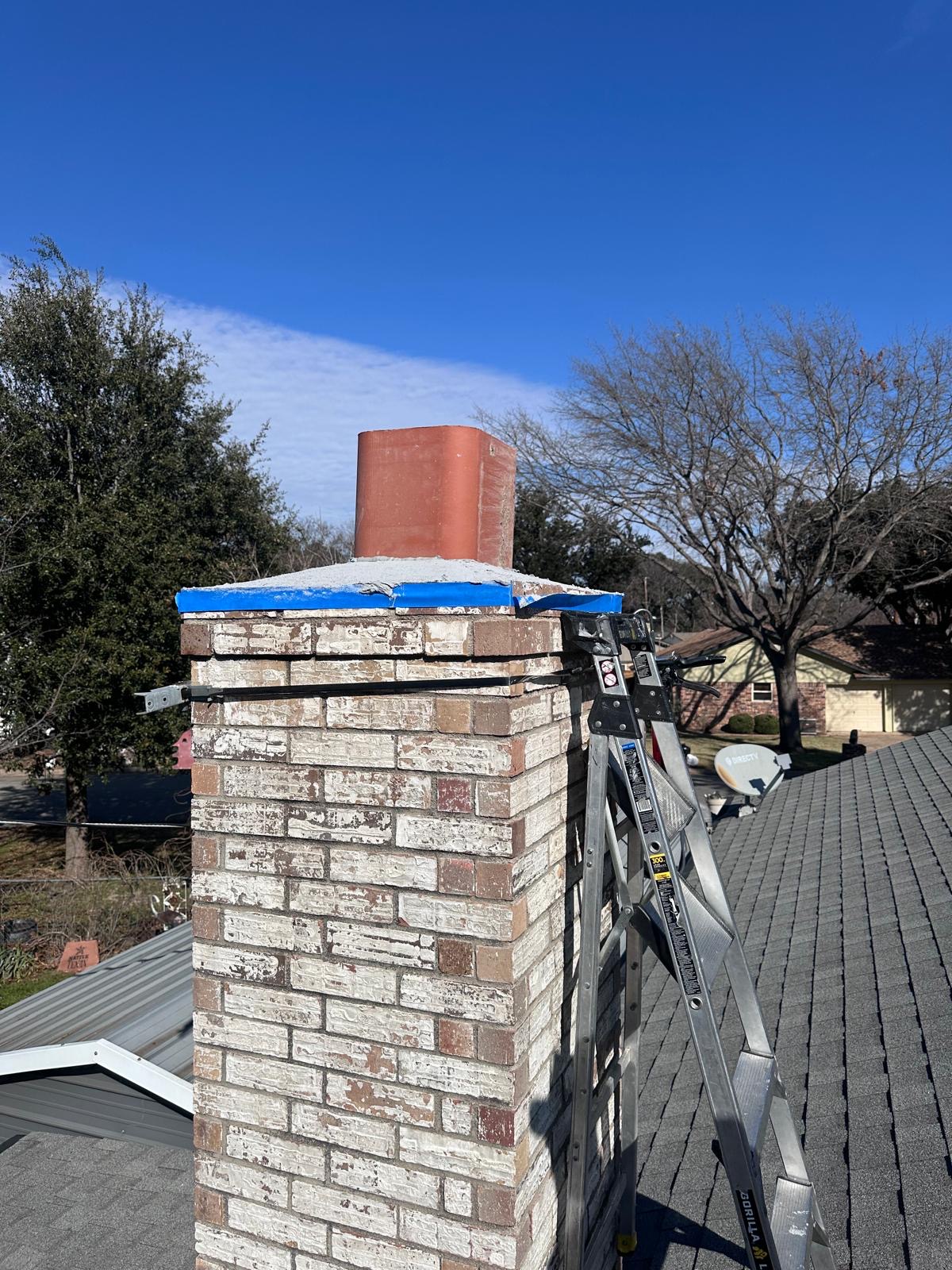
You may need a rebuild if you see movement, missing mortar, or ongoing leaks. A chimney should look straight and tight. When it starts to shift or crumble, the risk is not just cosmetic. Loose bricks can fall, water can reach the framing, and draft problems can send smoke where you do not want it.

Common warning signs include

  1. Bricks that are loose, broken, or flaking on the face of the chimney
  2. Mortar joints that look washed out or sandy
  3. A chimney that looks like it is leaning or pulling away from the house
  4. White staining on brick efflorescence often linked to moisture moving through masonry
  5. A cracked crumbling or flat crown that holds water
  6. Water stains on ceilings or walls near the chimney or fireplace
  7. Rust on the damper firebox parts or metal components near the opening
  8. A cap that is missing rattling or keeps shifting after storms
  9. Bits of brick or mortar showing up in the yard or on the roof

Do you smell a musty odor near the fireplace after rain. Do you see damp spots in the firebox. Those are clues worth checking, and pairing a rebuild plan with chimney leak troubleshooting can keep the same issues from coming back.

Why chimneys fail around Atlanta

Most chimney failures start with water entry and get worse with time. Water is the usual troublemaker. It gets into small cracks and mortar joints. Then it moves through the masonry, weakens the bond, and causes more cracking. Even in Georgia, a cold snap can still add stress when moisture is trapped in brick or mortar.

We often find these causes around Atlanta GA

If water has been entering for a while, the damage is usually not limited to the exact spot you can see from the ground. In many cases, pairing rebuild work with chimney waterproofing helps slow down future moisture wear.

Partial rebuild vs full rebuild

A rebuild can be partial or full, depending on what is still solid. Many chimneys do not need to be taken down all the way. If the top courses crown and upper section are failing, a partial rebuild can remove the weak area and rebuild from stable masonry. A full rebuild is used when the stack is widely deteriorated leaning or separating.

Here is a simple guide we use when explaining options, and if the rebuild ties into broader structure concerns we may also discuss chimney replacement as a separate option.

Rebuild typeWhen it fitsWhat it usually includes
Partial rebuildDamage is limited to the top or a sectionRemoving failing courses rebuilding brickwork new crown details reinstalling or upgrading cap
Full rebuildThe chimney is unstable or failing across multiple sectionsRebuilding the stack correcting alignment addressing roofline transitions rebuilding worn sections from the base up
Plain answers matter

We will tell you what we see what is still sound and what looks unsafe. You should never feel pressured to guess. When needed we can also recommend follow up work like chimney brick repair for nearby areas that are still salvageable.

Need Help? Call Us For Air Duct Services!

What we check before rebuilding

Our inspection focuses on structure water paths and venting basics. A good rebuild starts with clear answers. We look at the chimney as a system, not just a single crack. If a rebuild is needed, we explain why in plain language and show you the problem areas when possible.

During a typical visit we check

  1. Brick condition including spalling cracks and loose sections
  2. Mortar joint strength and missing mortar
  3. Crown condition slope and edge detail for water shedding
  4. Chimney cap condition and attachment including whether a chimney cap replacement is needed
  5. Flashing and counter flashing at the roofline
  6. Signs of water entry in the attic or near the chimney chase
  7. Firebox and damper area for rust staining or crumbling surfaces and whether firebox repair is needed
  8. Visible flue issues from accessible areas including gaps or damage that may affect draft and may call for chimney flue repair

If you have photos from after a storm, those help. A quick phone picture can explain a lot, and a camera inspection can also be helpful when visual access is limited.

Our chimney rebuilding process

Our rebuilding process follows a clean step by step plan. Chimney work should not feel chaotic. We protect the work area, control debris, and rebuild with alignment and water control in mind. The goal is a chimney that looks right sheds water and vents the way it should.

A typical rebuild follows these steps

  1. Set up safe access We plan ladder and roof access and protect nearby areas
  2. Remove damaged masonry We take down the failing section to solid material
  3. Check stability and alignment We confirm the chimney is plumb and the base is sound for the rebuild scope
  4. Rebuild brick courses We lay brick with consistent joints and proper bonding
  5. Form the crown correctly We build a crown detail that sheds water instead of holding it
  6. Address top protection We reinstall or replace the cap setup when needed for rain and animal control and may recommend bird guard installation when it fits
  7. Final review and cleanup We check the finish remove debris and leave the area in good shape
Why real rebuilding matters

If you have ever seen a chimney fixed with a smear of mortar that looks like cake icing, you already know why real rebuilding matters. Mortar belongs in joints not as a cover up. After rebuilding, a regular chimney sweep schedule can also help keep the system working cleanly.

Masonry matching and finish expectations

Masonry matching aims for a clean look with realistic expectations. New brick and mortar can look different at first. Older masonry has years of sun rain and staining. We focus on selecting materials that fit the size and style of your chimney, then we build clean transitions from old to new.

During planning we talk through

  • Brick size and profile that fits your chimney design
  • Mortar joint style so the rebuilt section blends in
  • Clean lines at the roofline and corners
  • A finished crown and cap detail that looks intentional and supports top protection

If curb appeal matters to you say so. If you just want it safe and dry say that too. Either way we keep the plan simple and can coordinate follow up work like chimney sanitation when smoke odors or moisture have been ongoing.

Fixing the reason the damage started

Rebuilding often includes fixing the reason the damage started. A rebuild fixes what failed, but it also needs to block repeat moisture problems. Many chimneys fail again because water control was never addressed. Stopping water is a big part of making the rebuild last.

Depending on what we find we may address

  1. Crown problems that let water pool or seep in
  2. Cap issues that allow rain and animals into the flue and may also involve animal removal
  3. Flashing concerns at the roofline that cause leaks into the house
  4. Weak mortar joints near the rebuild area that are still salvageable
  5. Venting concerns that can add moisture and residue inside the flue including when chimney relining is appropriate

If you use your fireplace often these details matter even more. A chimney that stays dry is easier to maintain and less likely to surprise you later, especially when combined with periodic fireplace safety inspection visits.

Timing and jobsite expectations

Time on site depends on height access weather and hidden damage. Most rebuilds take focused work over one or more days depending on how much needs to be removed and rebuilt. A taller chimney steep roof or tight access can slow setup and material handling. Rain can also pause masonry work since mortar needs the right conditions to set properly.

Common factors that affect timing include

  1. Roof pitch and how safe access needs to be set up
  2. How high the chimney extends above the roofline
  3. Weather especially heavy rain or strong winds
  4. The amount of demolition required to reach solid masonry and whether chimney demolition is needed for a section
  5. Discovery of hidden damage after tear down
  6. Matching brick size if the home uses older or uncommon materials

We keep communication straightforward. If we uncover something unexpected we explain it clearly and discuss next steps, including whether targeted chimney repair work can be done nearby while we are on site.

When to stop using the fireplace

You should stop using the fireplace if the chimney looks unsafe or is leaking smoke. Some chimney problems are not wait until next season issues. If the structure is failing using the fireplace can add risk. Falling masonry smoke leakage and water entry can all cause bigger problems.

Stop using the fireplace and call for help if you notice

  1. A chimney that is visibly leaning or separating from the house
  2. Bricks or mortar pieces falling onto the roof or into the yard
  3. Strong smoke smell indoors while the fireplace is operating which may point to draft issues that benefit from chimney flue cleaning
  4. Water dripping into the firebox or running down the inside wall
  5. Cracks you can see inside the firebox or around the opening
  6. A damaged top after a storm including missing bricks or an open crown

If you are thinking we only use it a few times a year that still counts. The first use after months of moisture is when problems show up, and a fireplace tune up can help you restart the season more safely.

Clean Air Duct Cleaning & Chimney

How to prepare for our visit

You can prepare for our visit with a few quick steps. A little prep helps the visit go smoother and keeps your home protected. You do not need to remodel the living room. A few small moves make a big difference.

Before we arrive

  1. Clear a path to the fireplace area indoors
  2. Move breakable items off the mantel and nearby shelves
  3. Keep pets in a separate room if noise makes them anxious
  4. Move vehicles if we need driveway access for ladders and equipment
  5. Write down where you have seen leaks stains or odors
  6. Share any past repair history you know about even if it was years ago

Do you have a steep roof a gated backyard or limited parking. Tell us on the phone at (470) 706-6431 so we plan access safely and can schedule the right type of chimney inspection time.

After rebuilding simple habits help prevent new damage

After rebuilding simple habits help prevent new damage. A rebuilt chimney still needs basic observation. You do not need to climb on the roof. A ground level look after major storms can catch issues early. Think of it like checking for a loose shingle after heavy rain.

Good habits after chimney work

  1. Look up at the chimney from the yard after big storms
  2. Watch for new staining on brick or new damp smells near the fireplace
  3. Keep gutters and downspouts working so water does not pour near the chimney
  4. Burn properly seasoned wood to reduce extra moisture and buildup and consider periodic creosote removal if buildup is heavy
  5. Schedule periodic inspections if you use the fireplace often

If something looks off call sooner rather than later. Small issues stay small when they are handled early, and pairing upkeep with water protection can help in humid GA and the wider Southeast.

Atlanta weather and roofline challenges

Atlanta conditions can be tough on chimneys especially at the roofline. Atlanta gets heavy rain humid summers and sudden weather swings. That combination can keep masonry damp and stress mortar joints. Trees and shade can also slow drying time which lets moisture sit longer on brick and crown surfaces.

Local situations we run into in metro Atlanta include

  1. Chimneys shaded by large trees that stay wet for days after rain
  2. Roof valleys that direct a lot of water toward the chimney flashing
  3. Older brick chimneys with worn mortar joints across wide areas
  4. Storm damage to caps and top courses that can require cap replacement
  5. Past patch work that covered cracks but did not stop water entry

Georgia weather can change fast. Your chimney should not be a slow motion crumble every time it rains, and addressing moisture early with leak checks is often the simplest place to start.

Why homeowners choose Clean Air Duct Cleaning & Chimney

Homeowners choose Clean Air Duct Cleaning & Chimney because we keep the plan clear and practical. You should know what is happening on your roof and why. Our team explains what we find what can be repaired and what needs rebuilding. We focus on safe structure water control and proper venting details.

You can expect

  1. Clear notes on the condition of the masonry and top components
  2. Straight talk about partial rebuild vs full rebuild
  3. Respect for your property roof and surrounding areas
  4. A jobsite that stays organized with cleanup at the end

Have you ever had someone explain a home repair in circles until you gave up and nodded. We try hard not to turn your chimney into that story, and we will recommend the right mix of rebuilding and follow up services like chimney sweeping when it supports long term results.

Chimney rebuilding in Atlanta GA

Chimney rebuilding is the safest path when the structure is failing. If your chimney is cracked leaning leaking or dropping mortar waiting usually makes the rebuild larger. Clean Air Duct Cleaning & Chimney helps homeowners across Atlanta GA and the state of Georgia with inspections and rebuild work that restores safe function and helps block future water damage.

To better understand how chimneys work and why venting matters, you can also read about chimneys from a general reference source.

Related Services

Call (470) 706-6431 to schedule an appointment, or use our Contact Us page to set a time.

Frequently Asked Questions (FAQs)

Chimney rebuilding is the process of removing and replacing damaged or deteriorated chimney sections to restore structural stability and safe operation. Clean Air Duct Cleaning & Chimney provides chimney rebuilding services.
A rebuild may be considered when damage is widespread, recurring, or affects key structural components, making spot repairs less effective. A qualified professional can determine the appropriate approach.
Common signs include cracked or missing bricks, crumbling mortar, leaning, spalling masonry, water intrusion, and persistent drafting or performance issues.
Yes, in some cases only the damaged portion (such as the crown, top courses, or exterior masonry) is rebuilt, depending on the condition of the remaining structure.
Rebuilding may involve masonry units (brick or stone), mortar, chimney crown materials, flashing components, and other parts as needed to restore the chimney’s function and weather resistance.
Timelines vary based on the scope of work, chimney height and access, weather conditions, and the extent of deterioration, so the schedule is typically determined after an on-site evaluation.
It may require pausing use during the work and, in some situations, additional steps may be needed to ensure the flue and venting system are properly matched to the appliance.
Rebuilding can help correct issues that contribute to leaks, and it’s often paired with improvements like properly formed crowns and correctly installed flashing to reduce water entry.
Requirements vary by location and the type of work being done. Reputable providers generally plan the work to align with applicable building and safety standards.
You can contact Clean Air Duct Cleaning & Chimney to discuss your concerns and arrange a professional assessment to determine whether rebuilding is appropriate for your chimney.
Why Your Home Airflow Drops When Dust Builds Up in Ducts

Why Your Home Airflow Drops When Dust Builds Up in Ducts

Your home airflow drops when dust builds up in ducts because that dust acts like…

Why Regular Chimney Sweeping Helps Keep Your Fireplace Safe

Why Regular Chimney Sweeping Helps Keep Your Fireplace Safe

A clean chimney lets smoke move out of your home, not back into your face.…

Signs Your Air Ducts Need Cleaning Before the Seasons Change in Atlanta, GA

Signs Your Air Ducts Need Cleaning Before the Seasons Change in Atlanta, GA

Your air ducts may need cleaning before a seasonal change if you notice more dust,…

How Creosote Forms and Why It Needs Removal

How Creosote Forms and Why It Needs Removal

Creosote forms when wood smoke cools inside your chimney and turns into a sticky, dark…

Dryer Vent Lint Buildup and Fire Risk, What Every Atlanta Homeowner Should Know

Dryer Vent Lint Buildup and Fire Risk, What Every Atlanta Homeowner Should Know

Lint buildup in a dryer vent raises fire risk because it blocks airflow. When hot…

Why Annual Chimney Inspections Protect Your Fireplace and Home

Why Annual Chimney Inspections Protect Your Fireplace and Home

An annual chimney inspection helps you catch hidden trouble before it grows. A pro can…