
 Skip to content
 Book Duct Leakage Testing In Atlanta with Clean Air Duct Cleaning & Chimney to find hidden leaks, improve comfort, and cut HVAC waste. Fast scheduling today
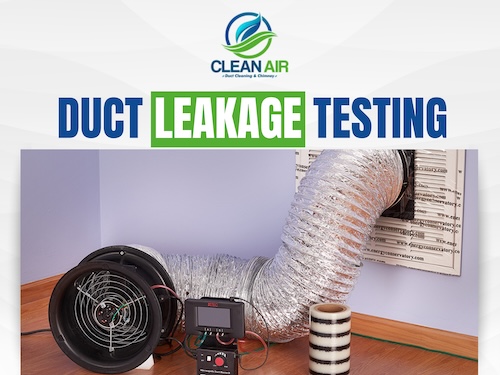
Ductwork can lose air long before it reaches a supply vent. A loose joint, leaking return, poorly sealed plenum, or damaged connection can send conditioned air into an attic, crawl space, wall cavity, or other area outside the living space.
Clean Air Duct Cleaning & Chimney provides Duct Leakage Testing in Atlanta to measure how much air the duct system is losing and help narrow down where the biggest problems may be.
A visual inspection can find obvious duct damage, but many leaks are hidden.
Duct leakage testing adds measurement to the inspection.
The test uses controlled airflow and pressure readings to determine how much air escapes from the duct system under test conditions. That gives a clearer picture of whether leakage is minor or whether the system is losing enough air to justify further repair or sealing.
Testing can be useful when the ductwork looks mostly intact but the home still has problems such as uneven comfort, weak delivery, or unexplained dust and odors.
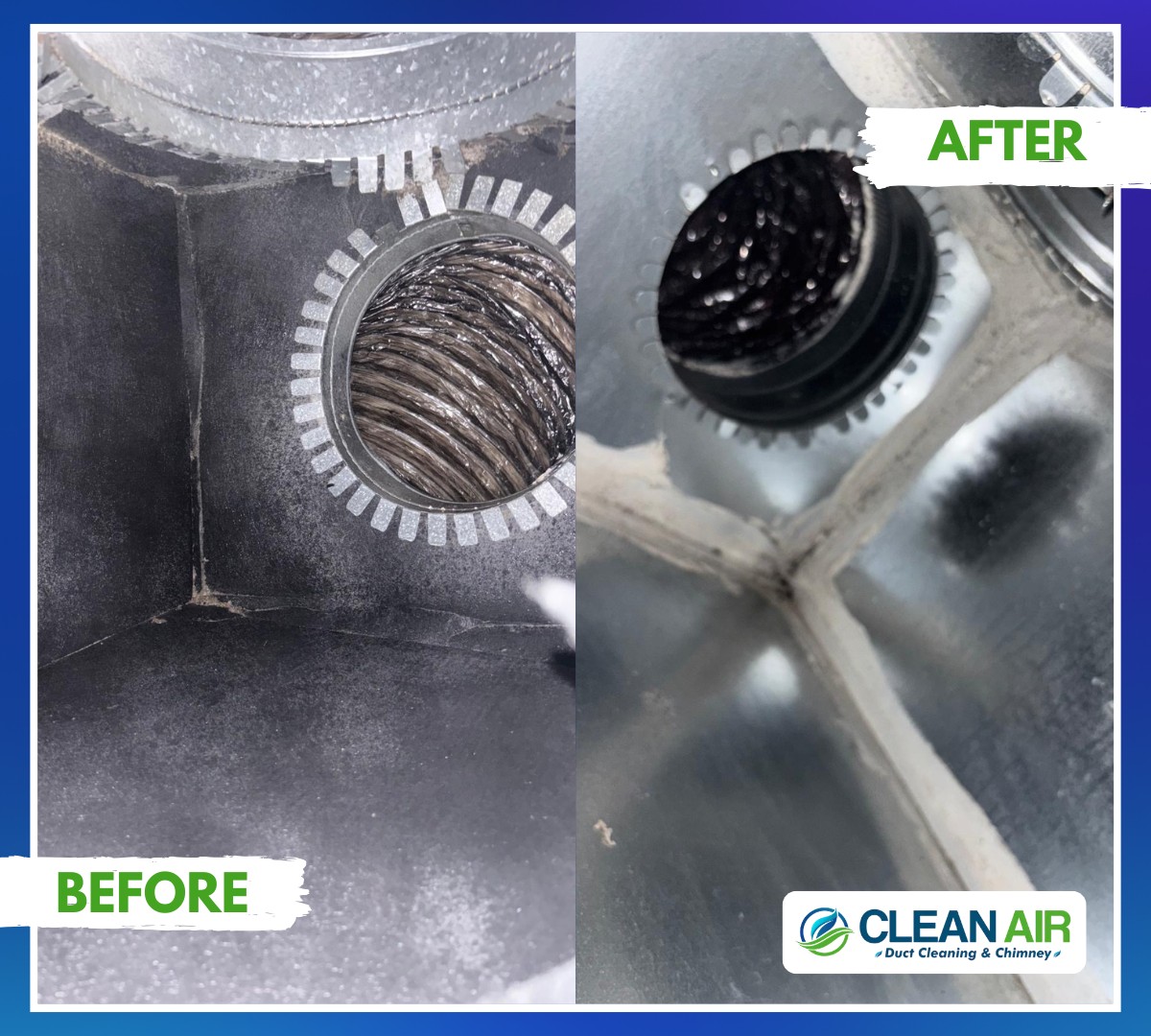
Not all duct leakage affects the home in the same way.
Supply ducts carry conditioned air toward the rooms.
When they leak, some of that air can escape before it reaches the register.
This can contribute to:
Return ducts pull indoor air back toward the HVAC equipment.
A leak on this side can draw air from places that were never meant to be part of the return pathway.
That may include:
Knowing whether the concern is primarily on the supply or return side helps guide the next step.
The exact setup depends on the duct system, but testing generally involves creating controlled conditions and measuring how the system responds.
The process may include:
The result gives us a measured leakage level rather than relying only on how strong the air feels at a register.
A leakage test measures the amount of air being lost.
It does not necessarily point to every exact opening hidden behind drywall, under insulation, or inside an inaccessible chase.
That distinction is important.
The test can tell us that the duct system is leaking and help prioritize likely problem areas. Visual inspection and access then help narrow down where repair work should focus.
When a hard-to-see run needs closer examination, a camera inspection may be useful alongside the leakage results.
Certain connections deserve more attention because they are common failure points.
These include:
A duct system has many individual connections. Even small gaps across several locations can add up.
Testing helps determine whether those losses are worth addressing before larger duct changes are considered.
Need Help? Call Us For Duct Leakage Testing Services!
The value of testing is not the number by itself.
The useful part is what that number means for the next decision.
Results can help answer questions such as:
Is leakage actually part of the problem?
Testing can confirm whether enough air is escaping to justify focusing on the duct system.
Does the system appear to need targeted repairs?
A few accessible failures may point toward localized air duct repair.
Is the problem more widespread?
Heavy leakage combined with damaged or aging ductwork may support partial or broader replacement.
Does airflow still need separate evaluation?
A relatively tight duct system can still have distribution or sizing problems. Leakage testing does not replace every other form of duct testing.
These services can overlap, but their focus is different.
Duct leakage testing focuses specifically on how much air escapes from the duct system.
Air duct testing may look more broadly at airflow, pressure, delivery, or other system behavior.
A home can have:
Keeping those issues separate helps avoid treating every weak room as a duct leak.
It is easy to assume old ductwork needs major work simply because the home has comfort problems.
Testing provides a better starting point.
A system may only need:
Another system may show broader leakage combined with poor duct condition.
In that case, larger repair or air duct replacement may be more practical.
The purpose of testing is to help define that difference before more work is planned.
Need Help? Call Clean Air Duct Cleaning & Chimney Near You
Many Atlanta homes have ductwork running through attics, crawl spaces, or other unconditioned areas.
Those spaces can expose duct systems to:
Older homes may also have a mix of duct materials or connections added during past renovations.
For Duct Leakage Testing in Atlanta, those details matter because they affect where leaks are most likely to develop and how accessible they are for repair.
Testing should lead to a clear decision, not more confusion.
Our approach focuses on:
The goal is to determine whether leakage is actually contributing to the problem and what should happen next.
Clean Air Duct Cleaning & Chimney provides Duct Leakage Testing in Atlanta for homeowners who want measured information before sealing, repairing, or replacing ductwork.
Tell us which rooms are uncomfortable, whether airflow has changed, and whether the home has had recent remodeling, attic work, pest activity, or duct repairs.
We can test the system, review the likely leak zones, and help determine what the results mean for the next step.
 Optimized by Seraphinite Accelerator