1. Home
  2. »
  3. Fireplace Tune-Up

Fireplace Tune-Up in Atlanta, GA

Book a Fireplace Tune Up In Atlanta with Clean Air Duct Cleaning and Chimney. Thorough cleaning, safety checks, and fast scheduling for peace of mind
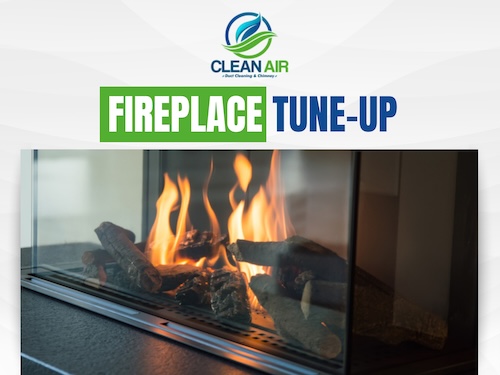
Table of Contents
Fireplace Tune Up In Atlanta by Clean Air Duct Cleaning
Book a Fireplace Tune Up In Atlanta with Clean Air Duct Cleaning and Chimney. Thorough cleaning, safety checks, and fast scheduling for peace of mind

Fireplace Tune-Up

Fireplace Tune-Up help in Atlanta, GA starts with cleaning and safety checks that make your fires burn cleaner and your home feel safer. Clean Air Duct Cleaning & Chimney handles Fireplace Tune-Up in Atlanta with soot removal, draft checks, and a close look at the firebox and flue path. Schedule a Fireplace Tune-Up in Atlanta to help cut smoke issues and reduce surprise problems.

A Fireplace Tune-Up is a practical maintenance visit that focuses on safer, cleaner burning. A tune-up is not a rebuild or a big construction job. It is a focused service that checks the parts that affect how your fireplace starts, burns, and vents.

Need Help? Call Clean Air Duct Cleaning & Chimney Near You

Why homeowners schedule a tune-up

For many Atlanta, GA homes, fireplaces sit unused for months. Then the first cold night hits and everyone wants a cozy fire. A tune-up helps you start the season with fewer headaches, less smoke, and fewer strange smells.

A typical Fireplace Tune-Up focuses on

  • Removing loose soot and light buildup where it gathers most
  • Checking visible areas for cracks, gaps, or loose parts
  • Looking for signs of venting trouble and draft problems
  • Confirming the damper opens and closes correctly
  • Noting moisture issues that can lead to odors or stains

Do you want your first fire of the season to be relaxing, or do you want it to set off alarms and send everyone outside waving a towel?

Homeowners usually schedule this service to reduce smoke, odor, and safety risks. Most people call because something feels off. Others call because they want a routine check before they use the fireplace again. If you think the issue may be bigger than seasonal maintenance, a fireplace safety inspection can be the right next step.

Common reasons people book a tune-up

  • Smoke pushes into the room when the fire starts
  • The fireplace smells sour or smoky even when it is not in use
  • Fires are hard to start or do not stay lit
  • You see flaky black soot around the opening
  • The damper is stuck, noisy, or hard to move
  • A gas log set has an odd flame pattern or smells gassy and you may need gas fireplace cleaning or gas fireplace repair
  • You have a new home and want a baseline check

A working fireplace should pull smoke up and out. If it is not doing that, something needs attention.

Smoke and draft problems we see in Atlanta

Smoke and draft issues often come from airflow problems, blockage, or a dirty firebox. Fireplaces are simple, but they rely on a clear path for exhaust. If the system cannot breathe, the living room becomes part of the venting plan, and nobody wants that. When buildup is a concern, a chimney inspection can help confirm what is happening in the vent path.

Common causes we see in and around Atlanta

  • Soot buildup that narrows the flue path over time
  • Creosote residue from burning wood that is not fully seasoned and may require creosote removal
  • A damper that does not open fully
  • A chimney cap screen clogged with soot or debris which can point to chimney cap installation or chimney cap replacement needs
  • A cold flue that struggles to establish draft at startup
  • Negative air pressure from exhaust fans, tight windows, or HVAC return flow and in some homes air duct testing can help explain airflow conflicts
  • Water intrusion that leads to stains, odors, and damaged surfaces which may connect to chimney leaks

Sometimes the fix is simple. Sometimes the tune-up reveals a bigger repair need. Either way, you get clear next steps.

Our step by step Fireplace Tune-Up visit

Our visit follows a step-by-step process so nothing important gets skipped. We keep the appointment focused and respectful of your home. We also explain what we see in plain language. If access is limited or a closer look is needed, a camera inspection may be recommended.

A typical visit includes these steps

  1. Ask a few quick questions. We listen to what you have noticed, like smoke smell, draft, or staining.
  2. Protect the area. We take care to keep soot and dust controlled around the hearth.
  3. Inspect the fireplace opening and firebox. We check visible brick, panels, joints, and the area where the fire burns. If wear is present, we may point you toward firebox repair.
  4. Check damper operation. We confirm it moves freely and seals as it should.
  5. Clean accessible soot and debris. We remove loose buildup where it collects and causes odor and mess.
  6. Look up the flue path as allowed by access. We check for blockage signs and heavy deposits and may recommend chimney flue cleaning when needed.
  7. Check airflow basics. We watch for signs the system is struggling to draft.
  8. Review findings and next steps. If repairs or a deeper cleaning are needed, we explain why, including options like chimney repair.

If you have a gas log set, tell us. The approach changes a bit, and it is better to plan for it.

Helpful note for gas systems

If a pilot or ignition issue shows up during the visit, we may recommend pilot system repair or other gas appliances support based on what is visible.

What we look for during the tune-up

A tune-up is also a good time to check the parts you can see and touch. Many fireplace problems start small and get ignored. We pay attention to the small stuff because it turns into the big stuff.

Small details that matter
  • Loose or crumbling mortar in the firebox
  • Missing or damaged panels in prefab units
  • Rust or warping around the damper
  • Soot patterns that hint at draft trouble
  • Debris that can block airflow at the start of a fire

If you have ever looked at a soot stain and thought, That was not there last year, you are not imagining it.

Need Help? Call Us For Air Duct Services!

Cleaning that targets odor and poor starts

Cleaning during a tune-up targets the mess that causes odors and poor starts. A fireplace can look fine from across the room and still be dirty where it matters. Soot is light and travels. Creosote can cling to surfaces and hold odor. When deposits are heavier, a chimney sweep may be the safer choice.

Cleaning often focuses on

  • The firebox floor and walls where ash and soot sit
  • The smoke shelf area when accessible
  • The area just above the damper where debris can collect
  • The hearth area where soot tracks out during use

If buildup is heavy or glazed, that is usually not tune-up level. We will tell you if a deeper chimney cleaning is the safer choice.

Wood moisture tips that reduce buildup

Wood type and wood moisture often explain a lot. Wet wood smokes more and makes more residue. Softwoods can leave more sticky deposits. If your wood hisses, smolders, or leaves thick smoke, your fireplace pays the price. For general background on creosote, see creosote.

Practical wood tips

  1. Use seasoned firewood that has had time to dry.
  2. Store wood off the ground and covered on top.
  3. Bring in a few logs at a time instead of stacking a week’s worth by the fireplace.
  4. Avoid burning trash, cardboard, or glossy paper.

Yes, that old moving box is tempting. Your chimney will complain.

Safety checks and when to stop using the fireplace

Safety checks focus on fire containment, venting, and visible damage. A fireplace is basically a controlled fire inside your house. Safety checks are not optional, and they are not just for old homes. If we see issues tied to damage or gaps, we may recommend fireplace repair before regular use.

What we pay attention to

  • Gaps, cracks, or missing material where heat should stay contained
  • Damper function that supports proper venting
  • Signs of backdrafting or smoke spillage
  • Evidence of water intrusion and rust which may lead to chimney waterproofing
  • Clearances and obvious hazards around the opening

If we see something that suggests you should stop using the fireplace until it is repaired, we will say so clearly. No drama, just straight talk.

You should pause fireplace use if any of these show up

Some situations call for a quick stop and a professional look before the next fire.

Stop and call if

  1. Smoke pours into the room after the damper is fully open.
  2. You smell a strong burnt tar odor that lingers and gets worse.
  3. You see pieces of tile, brick, or metal dropping into the firebox.
  4. The damper will not open or is stuck partly closed.
  5. You notice new water stains around the chimney or ceiling nearby and may need chimney flashing repair and replacement.

If something seems unsafe, trust your gut. A fireplace should not feel like a science project.

Fireplace types and what a tune-up can reveal

Service options depend on your fireplace type and what we find that day. Fireplaces in Atlanta come in several styles. A tune-up looks different for each one. If you are considering a change in how you heat, we can also discuss options like fireplace inserts or fireplace conversion based on your setup.

We commonly work with

  • Masonry fireplaces with brick or stone fireboxes and clay flues
  • Prefab fireplaces with metal fireboxes and manufactured chimney systems
  • Gas log sets installed in wood-burning fireplaces
  • Direct vent gas fireplaces with sealed glass fronts and inspection needs are different

If your system needs more than a tune-up, we explain the option and the reason. Sometimes it is a deeper chimney cleaning. Sometimes it is a repair to the damper area, cap, crown, or liner, such as chimney crown repair or chimney relining.

A simple guide to typical vs needs more attention

What we seeWhat it often meansCommon next step
Light soot and dusty odorNormal seasonal useTune-up cleaning and draft check
Thick creosote buildupWood quality or long gaps between cleaningsDeeper chimney cleaning
Smoke spillage at startupCold flue or airflow conflictDraft troubleshooting and usage tips
Rust, water stains, damp odorMoisture intrusionCap or exterior repair review
Cracks or missing materialHeat damage or agingRepair plan before regular use

What can add time to a tune-up

Most tune-ups are straightforward, but a few factors can add time. Time depends on access, fireplace condition, and how much buildup is present. If you suspect buildup beyond a light visit, we can talk through whether chimney flue cleaning is a better fit.

Things that can slow down a visit

  • A tight damper area or limited access in prefab units
  • Heavy soot that requires careful containment
  • Multiple fireplaces in the same home
  • Prior water damage that created messy residue
  • A system that shows signs of a blockage and needs extra checking

If you are trying to plan your day, tell us what you have. Is it one fireplace or two. Wood burning, gas logs, or both.

How to prep your home and what to do after

You can prep your home in a few minutes to help the visit go smoothly. A little prep helps keep things clean and efficient. You do not need to move furniture across the house, but clearing the immediate area is a big help. If your home also needs indoor air support, you can pair seasonal fireplace care with air duct maintenance.

Before we arrive

  1. Make sure the fireplace is cool and has not been used recently.
  2. Remove decorative items from the mantel and hearth.
  3. Move rugs, baskets, and nearby furniture a few feet back.
  4. Keep pets in another room if they are curious or protective.
  5. Tell us about any past smoke issues or odd smells.

If your living room is the family everything room, you are not alone. We have seen it all, including toys that somehow multiply overnight.

Clean Air Duct Cleaning & Chimney

After the tune-up

After the tune-up, good habits help keep your fireplace cleaner longer. Your fireplace will stay in better shape when you burn smarter and watch for early warning signs. Many Atlanta homeowners also schedule air duct cleaning around the same season to help cut down on lingering odors and particles indoors.

After-service care tips

  • Open the damper fully before lighting any fire.
  • Warm the flue on cold days by starting with a small, hot kindling fire.
  • Crack a nearby window briefly if your home is very tight and draft is weak.
  • Keep the fire moderate instead of roaring flames that send soot everywhere.
  • Let ashes cool fully, then remove them before they pile up.
Watch for these signs after your next few fires
  1. Smoke smell that grows stronger instead of fading.
  2. Soot collecting fast around the opening.
  3. Fires that struggle even with dry wood.
  4. A damper that becomes stiff again.

If any of those show up, it is a good time to call and talk through what changed.

Atlanta and Georgia weather factors

Atlanta conditions can affect fireplaces through moisture, trees, and changing temperatures. Atlanta, Georgia weather can swing from warm afternoons to cold nights, and that affects draft. Humidity and rain also play a role, especially with chimney caps, crowns, and exposed masonry. If moisture is part of the story, we may discuss chimney leaks and related exterior protection such as chimney waterproofing.

Local issues we often hear about in ATL neighborhoods

  • Musty odors after rainy weeks
  • Downdrafts on windy days
  • Debris from nearby trees landing on the cap area
  • Soot smell that shows up when the HVAC runs and in some cases duct leakage testing helps explain pressure changes
  • Water spotting on firebox walls after storms

Moisture is a common troublemaker. If you have noticed damp smells near the fireplace in GA, a tune-up is a smart time to check for obvious entry points and residue that holds odor.

For new homeowners

New homeowners in Atlanta often want a baseline check right away. If you just moved in, you may not know how the fireplace was used, what was burned, or when it was last cleaned. A tune-up helps you start with clearer information. If you want a deeper look at the system condition, consider a chimney inspection along with the tune-up.

Questions we can help answer

  • Does the damper seal, or is outside air leaking in
  • Is there evidence of heavy past use
  • Do we see signs that point to a venting problem
  • Is the system ready for regular fires, or should it be cleaned more fully first

Buying a home comes with enough surprises. Your first fire should not be one of them.

Why Clean Air Duct Cleaning & Chimney

Homeowners choose Clean Air Duct Cleaning & Chimney because we focus on clean air and safe venting. We work in a category where details matter. A fireplace affects indoor air, comfort, and daily life during the cooler months. If you also want whole home airflow support, we can talk about duct balancing as a separate service when it fits.

What you can expect from us

  • Clear communication and simple explanations
  • Careful work that respects your floors and living space
  • A focus on venting basics, not guesswork
  • Practical tips you can actually use after we leave

Our name says duct cleaning, and yes, we handle that too. Fireplaces and chimneys also connect to the same goal moving smoke and particles out of your home instead of keeping them inside. If odors persist beyond the fireplace area, sanitization and disinfection can be considered for broader indoor needs.

Scheduling

Scheduling is easy, and the next step is a quick call or online request. If you want safer fires and fewer smoke problems, set up your Fireplace Tune-Up before the busy part of the season. Clean Air Duct Cleaning & Chimney provides Fireplace Tune-Up in Atlanta for homeowners who want clear steps and a cleaner, better-burning fireplace.

Related Services

Call (470) 706-6431 or use our Contact Us page to book your Fireplace Tune-Up in Atlanta.

Frequently Asked Questions (FAQs)

A fireplace tune-up is a general maintenance visit that checks key components for safe operation, basic performance, and signs of wear. Clean Air Duct Cleaning & Chimney provides this service.
Tune-ups help you stay aware of potential issues, support more reliable operation, and can reduce the chance of unexpected problems during the heating season.
Many homeowners schedule a tune-up periodically, especially before heavier seasonal use. The ideal timing can vary based on how often the fireplace is used and its condition.
Tune-ups may apply to common fireplace setups, such as wood-burning or gas units, depending on the system. Clean Air Duct Cleaning & Chimney can advise on service fit for your fireplace type.
It generally involves a basic evaluation of accessible components, checking for visible concerns, and confirming the fireplace appears to operate as intended. The exact steps depend on the fireplace and site conditions.
Not necessarily. A tune-up focuses on general condition and operation, while cleaning addresses buildup and debris. Some homes may benefit from both, depending on usage and conditions.
Common signs include unusual odors, smoke issues, difficulty starting or maintaining flames, soot accumulation, or changes in how the fireplace operates.
It helps to ensure clear access to the fireplace area, keep pets secured, and avoid using the fireplace shortly before the appointment so it can cool down.
A tune-up can help identify common contributing factors, such as airflow or visible blockages, and recommend next steps if further service is needed.
The time can vary based on the fireplace type, condition, and access. Clean Air Duct Cleaning & Chimney can provide a general timeframe when scheduling.
Why Your Home Airflow Drops When Dust Builds Up in Ducts

Why Your Home Airflow Drops When Dust Builds Up in Ducts

Your home airflow drops when dust builds up in ducts because that dust acts like…

Why Regular Chimney Sweeping Helps Keep Your Fireplace Safe

Why Regular Chimney Sweeping Helps Keep Your Fireplace Safe

A clean chimney lets smoke move out of your home, not back into your face.…

Signs Your Air Ducts Need Cleaning Before the Seasons Change in Atlanta, GA

Signs Your Air Ducts Need Cleaning Before the Seasons Change in Atlanta, GA

Your air ducts may need cleaning before a seasonal change if you notice more dust,…

How Creosote Forms and Why It Needs Removal

How Creosote Forms and Why It Needs Removal

Creosote forms when wood smoke cools inside your chimney and turns into a sticky, dark…

Dryer Vent Lint Buildup and Fire Risk, What Every Atlanta Homeowner Should Know

Dryer Vent Lint Buildup and Fire Risk, What Every Atlanta Homeowner Should Know

Lint buildup in a dryer vent raises fire risk because it blocks airflow. When hot…

Why Annual Chimney Inspections Protect Your Fireplace and Home

Why Annual Chimney Inspections Protect Your Fireplace and Home

An annual chimney inspection helps you catch hidden trouble before it grows. A pro can…