1. Home
  2. »
  3. Gas Chimney Inspection

Gas Chimney Inspection in Atlanta, GA

Book Gas Chimney Inspection In Atlanta with Clean Air Duct Cleaning & Chimney. Detailed safety check, fast scheduling, clear pricing. Call today to book
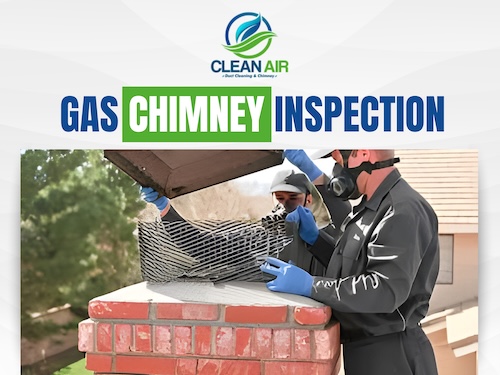
Table of Contents
Gas Chimney Inspection In Atlanta by Clean Air Experts
Book Gas Chimney Inspection In Atlanta with Clean Air Duct Cleaning & Chimney. Detailed safety check, fast scheduling, clear pricing. Call today to book

Gas Chimney Inspection

Gas Chimney Inspection in Atlanta is a focused safety and venting check for fireplaces and gas logs that use a chimney or vent system. Clean Air Duct Cleaning & Chimney handles Gas Chimney Inspection in Atlanta with clear steps, careful testing, and practical guidance for homeowners across Atlanta, GA. Gas Chimney Inspection in Atlanta helps you spot issues early before they become headaches.

Need Help? Call Clean Air Duct Cleaning & Chimney Near You

What a gas chimney inspection checks

A gas chimney inspection checks safe venting and clean airflow from your gas appliance. A gas appliance still needs a clear, correctly working path to move exhaust outside. An inspection looks at the chimney structure, vent connector, draft, and visible signs of blockage or leakage. You get plain language notes on what we saw and what needs attention.

Many people hear gas and assume it is clean enough to ignore. Gas burns cleaner than wood, but the venting system can still fail. If that happens, fumes can spill where you live. If you are using a gas log set, gas insert, or a gas fireplace, or you run it more often in winter, those are good reasons to schedule a check with a chimney inspection approach that matches gas venting needs.

Why gas systems still need venting safety checks

Gas systems can still create dangerous conditions if the venting is wrong. A gas chimney issue is often a venting issue, not a fuel issue. Poor draft, a blocked flue, or a damaged liner can push exhaust back into the home. Moisture is another problem, since gas exhaust contains water vapor that can speed up corrosion inside the flue.

A clean looking fireplace can still hide problems up higher. That is why the inspection focuses on the full venting route, not just the firebox. If you already schedule periodic chimney sweep visits for other appliances, it can be helpful to align that cadence with gas venting needs too.

Warning signs you should not ignore

You may need an inspection if you notice odor, soot, or performance changes. Small warning signs matter because they often show up before bigger trouble. If you are unsure, trust what you see and smell.

Common signs to watch for

  1. A lingering gas or exhaust smell near the fireplace
  2. Soot stains, dark streaks, or powdery residue around the opening
  3. Pilot issues or burner flames that look weak or uneven
  4. A fireplace that shuts off unexpectedly
  5. Excess humidity on nearby windows when the unit runs
  6. Headaches or irritation that seems tied to fireplace use
  7. Rust on the damper, firebox panels, or vent connector
Safety note

If you smell strong gas, shut the unit off, leave the area, and follow your utility provider’s safety steps. A chimney inspection is not the right first move in that moment.

Common causes of gas chimney venting problems

Venting problems often start with blockage, corrosion, or past installation mistakes. Most gas chimney trouble comes from a few repeat causes. Many of them are fixable once you know what is happening.

Typical causes include

  1. Bird nests or debris in the flue cap
  2. A cap that is missing, damaged, or the wrong type
  3. Rusted or separated vent pipe sections
  4. A chimney liner that is cracked, missing, or not sized correctly
  5. Negative air pressure inside the home from exhaust fans or tight construction
  6. Masonry wear that lets water in and breaks things down over time
  7. A damper that does not open, does not seal, or is stuck

Atlanta weather can be rough on exterior systems. Humid summers, heavy rain, and quick temperature swings can speed up rust and moisture damage. Georgia storms also love to move branches around, and caps do not always win that fight. If moisture is already showing up, services like chimney leaks checks or chimney waterproofing can be relevant after the inspection findings.

Our gas chimney inspection routine

Our visit follows a clear inspection routine so nothing gets missed. A proper inspection is a step by step check, not a quick glance with a flashlight. We work clean, stay organized, and keep you in the loop as we go.

A typical Gas Chimney Inspection includes

  1. A quick review of the appliance type and how it vents
  2. Visual checks in the firebox for soot, staining, rust, or heat damage
  3. A look at the damper area and smoke shelf, when present
  4. Checks of the vent connector for gaps, corrosion, or loose joints
  5. Chimney exterior observations from accessible areas
  6. Cap and flue top review when access allows
  7. Draft and spillage observations during operation when safe to do so
  8. Notes on clearance concerns near framing or stored items
  9. A simple rundown of what we found and what to do next

We will also point out issues that affect indoor air quality. That includes backdrafting risks and any obvious pathways for soot or odors to move into living spaces. If you want added visibility beyond visual checks, a camera inspection can be a helpful next step when conditions call for it.

We start by confirming what type of gas setup you have

Different setups vent in different ways, and the inspection needs to match the equipment. Gas logs in a wood burning fireplace do not behave the same as a direct vent unit. A gas insert has its own rules too. If you are reviewing options for gas equipment overall, our gas appliances service page can help frame the differences.

We may ask
  • Is it a vented or vent free gas log set
  • Do you run it with the damper open
  • Was the unit recently installed or changed

If you are not sure, that is normal. We can identify most setups by looking at the appliance and vent path.

Need Help? Call Us For Air Duct Services!

We check the firebox and nearby areas for soot patterns and heat stress

Soot in a gas fireplace is a message, not decoration. It can point to burner problems, air mixing issues, or venting trouble. We look for staining patterns that suggest spillage or poor draft. If buildup is present, a targeted gas fireplace cleaning may be recommended after safety issues are addressed.

We also look for rust and moisture marks. Gas exhaust carries moisture, and moisture loves metal parts. When the firebox itself needs attention, we may point you to firebox repair options based on what we see.

We inspect the chimney and venting path for continuity and condition

Venting parts should be connected, supported, and in good condition. A small separation can cause big indoor air issues. Corroded sections can develop pinholes that leak. If the chimney uses a liner, we look for signs it is damaged or not doing its job, and we may recommend chimney relining or chimney flue repair when appropriate.

If your system uses a metal vent, we look for clearance and fastening concerns. For broader structure concerns, we may also reference chimney repair as a next step.

We look at the cap and top area because blockages often start there

The top of the chimney is where nests, leaves, and storm debris show up. A cap also helps limit rain entry, which helps slow down rust and masonry wear. If the cap is missing or failing, we may recommend chimney cap installation or chimney cap replacement based on fit and condition.

If you have a screen, we look for clogging. If you do not have a cap, we will tell you what risks that creates. If wildlife activity is a factor, animal removal and bird guard installation can help reduce repeat blockages.

Symptom guide table

A quick table helps you match what you notice to what might be happening. Below is a simple guide that connects symptoms to common inspection findings. It is not a diagnosis by itself, but it helps you know what to mention when you call.

What you noticeWhat it can point toWhy it matters
Soot around the openingPoor combustion or venting troubleSoot can signal unsafe exhaust flow
Rust on damper or panelsMoisture in the flueMoisture speeds up corrosion and failure
Odor during start upSpillage or draft problemsExhaust may be entering the room
Weak, lazy flamesAir mix issues or vent restrictionCan lead to soot and poor operation
Fireplace shuts offSafety sensor responseOften tied to venting or airflow issues

Do any of these sound familiar in your home. If they do, a full gas chimney inspection helps connect symptoms to specific venting conditions.

What happens after the inspection

Inspections can lead to a few different next steps based on what we find. Some homes only need minor adjustments or basic maintenance. Others need repairs to venting parts or the chimney top. If we see a safety concern, we will explain it clearly so you can make a smart decision.

Possible next steps may include

  1. Clearing a blockage at the cap area
  2. Replacing rusted vent connector sections
  3. Addressing a damaged cap or crown
  4. Correcting damper position or operational issues
  5. Referring appliance adjustments to the right trade when it is outside chimney scope

We keep the focus on what affects safe venting and indoor air. Depending on findings, we may recommend targeted work like chimney crown repair or chimney flashing repair and replacement to address moisture entry at the top.

Time needed and access factors

The time needed depends on access, height, and what type of system you have. Many inspections can be done in a single visit, but timing varies. A straightforward setup with good access moves faster than a steep roof line or a complex vent route.

Things that can slow it down
  1. Limited roof access or weather conditions
  2. A tall chimney that needs extra setup time
  3. Heavy debris or suspected nest material
  4. Multiple appliances sharing a vent path
  5. Tight attic access for vent connector checks

If we cannot safely access an area, we will tell you what we could and could not check, and what options you have. In some cases, follow up services like chimney pipe replacement may be discussed if parts are unsafe or beyond repair.

Clean Air Duct Cleaning & Chimney

Urgent warning signs and basic safety guidance

Stop using the fireplace and call for help if you notice urgent warning signs. Some signs are not wait and see signs. If you notice them, it is time to shut the system down and get guidance.

Stop and reach out if

  1. You smell strong gas at any time
  2. You see heavy soot buildup that returns quickly after cleaning
  3. You notice scorch marks, melted parts, or warped metal
  4. The unit repeatedly shuts down after running briefly
  5. Anyone feels dizzy or sick during operation

Carbon monoxide is not something you can spot by sight. If you have alarms, take them seriously. If you do not have alarms, consider adding them based on standard home safety practices. For background on the hazard, see carbon monoxide.

How to prepare for your appointment

A few simple steps before we arrive make the visit smoother. A little prep helps us work faster and keeps your home cleaner. You do not need to do anything complicated.

Please do this if you can

  1. Turn the fireplace off and let it cool before the appointment
  2. Clear the area around the fireplace and hearth
  3. Move breakables from the mantel or nearby shelves
  4. Keep pets in a separate room during the inspection
  5. Make a note of any odors, soot, or recent performance issues

If your access to the roof is through a gate or locked area, unlocking it ahead of time helps too. If you have other airflow concerns in the home, pairing this with air duct testing or duct leakage testing can help you understand how air movement may affect draft and backdraft risk.

After the inspection

After the inspection, watch for changes in smell, soot, and flame behavior. Most homeowners want a simple rule, if it looks or smells different, pay attention. Even after a good inspection, conditions can change due to storms, animals, or vent wear.

Good habits after service

  1. Run the fireplace with the room slightly ventilated the first time if it has been unused for months
  2. Keep the area around the unit free of stored items
  3. Watch flame patterns for a few minutes during operation
  4. Note any odor that does not fade after start up
  5. Schedule checks on a regular basis based on how often you use the system

If something seems off, call before you keep running it and hoping for the best. Hope is not a safety plan. If odors or residue seem to move through the house, services like air duct cleaning or sanitization and disinfection may be discussed when indoor air quality is affected.

Atlanta factors that affect gas chimneys

Atlanta homes have a few local factors that can affect gas chimneys. Atlanta, Georgia homes range from older masonry fireplaces to newer builds with factory built units. Both types can have venting issues, just in different ways. Older chimneys often deal with moisture wear and liner concerns. Newer systems can run into installation shortcuts or tight home pressure issues.

A few local patterns we see around Atlanta, GA

  1. Heavy rain that finds its way past worn crowns or missing caps
  2. Squirrels and birds treating chimney tops like prime real estate
  3. Bathroom fans, kitchen hoods, and tight windows that pull air and affect draft
  4. Seasonal use, where the first cold snap reveals a problem

If you only run your gas fireplace a few times a year, a problem can sit quietly until you need heat or want a cozy night. That is usually not the moment you want surprises. If you are considering equipment changes, we can also point you to options like gas fireplace installation or fireplace conversion after safety issues are resolved.

Clear answers and safer indoor air

Clean Air Duct Cleaning & Chimney focuses on clear answers and safer indoor air. You should not need a dictionary to understand your fireplace. We explain what we see, why it matters, and what your options are. Our team works with care in occupied homes, and we keep the work area as clean as we can.

Homeowners call us because they want

  1. A focused safety check for a gas venting system
  2. Straightforward communication
  3. Respect for their home and schedule
  4. Help connecting chimney conditions to indoor air concerns

We are an air duct cleaning service by category, and we also handle chimney and vent related work because both connect to how air moves through your home. If your home has comfort issues tied to airflow, duct balancing and air duct maintenance can support more consistent air movement.

Related Services

Schedule your Gas Chimney Inspection in Atlanta with a simple call or online request. Gas Chimney Inspection in Atlanta is a smart step before heavy seasonal use, after storms, or any time you see soot, odor, or performance changes. If you want a clear inspection and practical next steps, reach out to Clean Air Duct Cleaning & Chimney today. Call (470) 706-6431 or use the Contact Us page to book your Gas Chimney Inspection.

Frequently Asked Questions (FAQs)

A gas chimney inspection is a visual and functional review of the chimney or venting system used by gas appliances to help identify common safety and performance concerns.
Inspections can help spot issues like venting problems, deterioration, or blockages that may affect how combustion gases are directed out of the home.
Many homeowners schedule inspections periodically and after major changes, such as appliance replacement, a new liner, or home renovations that may affect venting.
It generally involves checking accessible components, vent connections, chimney structure, and signs of damage, corrosion, or obstruction, based on the system present.
Yes. Gas venting systems and fireplaces can have different components and risks, so the inspection focus may differ depending on whether the system is gas-fired, wood-burning, or a direct-vent unit.
Some common indicators include unusual odors, visible rust or staining near venting, moisture issues around the chimney area, or changes in appliance performance.
An inspection may identify venting or draft-related issues that can contribute to unsafe conditions, but it is not a substitute for properly installed carbon monoxide alarms.
It’s often a good idea to confirm the venting system is compatible and in acceptable condition after an appliance change, since venting requirements can vary by unit.
Inspections can help detect common obstructions or conditions that suggest restricted airflow, depending on access and visibility within the system.
Clean Air Duct Cleaning & Chimney provides gas chimney inspection services and can help you understand the general condition of your venting system and any concerns observed.
Why Your Home Airflow Drops When Dust Builds Up in Ducts

Why Your Home Airflow Drops When Dust Builds Up in Ducts

Your home airflow drops when dust builds up in ducts because that dust acts like…

Why Regular Chimney Sweeping Helps Keep Your Fireplace Safe

Why Regular Chimney Sweeping Helps Keep Your Fireplace Safe

A clean chimney lets smoke move out of your home, not back into your face.…

Signs Your Air Ducts Need Cleaning Before the Seasons Change in Atlanta, GA

Signs Your Air Ducts Need Cleaning Before the Seasons Change in Atlanta, GA

Your air ducts may need cleaning before a seasonal change if you notice more dust,…

How Creosote Forms and Why It Needs Removal

How Creosote Forms and Why It Needs Removal

Creosote forms when wood smoke cools inside your chimney and turns into a sticky, dark…

Dryer Vent Lint Buildup and Fire Risk, What Every Atlanta Homeowner Should Know

Dryer Vent Lint Buildup and Fire Risk, What Every Atlanta Homeowner Should Know

Lint buildup in a dryer vent raises fire risk because it blocks airflow. When hot…

Why Annual Chimney Inspections Protect Your Fireplace and Home

Why Annual Chimney Inspections Protect Your Fireplace and Home

An annual chimney inspection helps you catch hidden trouble before it grows. A pro can…