Skip to content
Creosote forms when wood smoke cools inside your chimney and turns into a sticky, dark coating. Each fire can leave a little more behind, like plaque on teeth but for your flue. Over time, that buildup can block airflow, make your fireplace smoke, and raise the chance of a chimney fire. Removing creosote keeps your chimney working like it should and helps your home stay safer while you burn.
What creosote is, in plain talk
When you burn wood, you get heat, light, and that cozy crackle. You also get smoke made of tiny bits of soot, tar vapors, and gases. As that hot smoke rises, it hits cooler chimney walls. Then the vapors stick and turn into creosote.
Think of it like bacon grease. When it is hot, it flows. When it cools, it sticks to everything and gets harder to clean. Creosote acts the same way inside the flue.
Creosote is not “just dirt.” It can burn fast and hot if it ignites. That is why people talk about it so much.
If you want to talk through next steps for your chimney in Atlanta, GA, use Contact Us.
How creosote forms step by step
Creosote buildup is not random. It follows a simple chain of events.
Step 1, wood burns and makes smoke
Even good firewood makes smoke. The cleaner the burn, the less junk is left behind. But no wood fire is 100 percent clean.
Step 2, smoke rises and cools
Your chimney is like a tall exhaust pipe. As smoke rises, it cools. Cooler smoke drops some of its vapors onto the chimney walls.
Step 3, vapors stick and turn into a coating
Those vapors condense and stick. The coating starts thin, then grows with each burn.
Step 4, rough coating catches more stuff
Once the chimney walls get rough and sticky, they catch even more soot. That speeds up the buildup.
If you have ever said, “My fireplace used to draft better,” you may already know how this story goes.
The three stages of creosote buildup
Not all creosote looks or acts the same. Many pros talk about three common forms.
Stage 1, fluffy soot
This is the light, dusty kind. It can look gray or black. It often comes from hot, clean fires and good airflow. It still needs cleaning, but it is usually easier to brush out.
Stage 2, crunchy flakes
This looks like black cornflakes or crispy chips. It can form when fires run cooler or when the flue stays cold. It takes more effort to remove.
Stage 3, shiny glazed creosote
This is the tough one. It can look shiny, hard, and tar-like. It often forms when smoke cools a lot and vapors condense fast. It can stick like old gum on a sidewalk. Removal can be more involved and should be handled by trained chimney techs.
Why creosote builds up faster in some homes
Two neighbors can burn the same wood and get different results. Here is why.
Wet or green wood
Wet wood smolders. Smoldering makes more smoke and more unburned vapors. That is prime fuel for creosote.
A quick test, if the wood hisses, bubbles at the ends, or feels heavy for its size, it is likely not dry enough.
Low, slow fires all the time
A small lazy fire can feel nice on a mild night. But it can keep the flue cooler. Cooler flue walls grab more vapors. More vapors means more creosote.
A cold chimney
Exterior chimneys often run colder than chimneys that pass through the home. Cold walls speed up condensation. That can mean faster buildup.
Short burn times with lots of restarts
Each restart can create a smoky phase. That smoky phase sends more stuff up the flue. If you do many quick fires, buildup can climb.
Airflow problems
A weak draft can make smoke move slow. Slow smoke cools more and drops more residue.
Why creosote removal matters, beyond “because fire”
Yes, chimney fire risk is real. Still, removal helps in other practical ways that people notice day to day.
Lower chimney fire risk
Creosote can ignite. When it does, it can burn hot and fast. Removing the fuel source helps cut that risk.
Safety note, if you ever hear a loud roaring sound from the chimney, see sparks, or smell something sharp and hot, treat it like an emergency and get help right away.
Better draft and less smoke in the room
Buildup narrows the path for exhaust. Less space means poorer draft. Poorer draft can lead to smoke that rolls back into the room. Your living room should not smell like a campfire the next morning.
Less odor when the fireplace is not in use
Creosote has a strong smell, especially when humidity rises. If you get that “old smoke” odor on warm rainy days, creosote may be part of the reason.
Better heating performance
A clean system moves exhaust better. That supports steadier burning. It also helps you avoid fighting with your damper every time you light up.
Atlanta weather, and why it changes the creosote story
Atlanta gets humid. We get plenty of rain. Winter nights can swing from chilly to mild fast. Those swings matter.
- Humidity can make creosote smell stronger. It can also make soot clump.
- Rain and damp air can add moisture inside the chimney if the cap or crown has issues.
- Warm afternoons after cold nights can cause condensation in the flue. That moisture can mix with soot and make a sticky mess.
If you live near tree-lined areas like Virginia Highland or you are closer to traffic and older homes near Ponce de Leon Avenue, you may also notice more outside debris and soot mixing into the system. That does not “cause” creosote, but it can make a dirty chimney feel dirtier faster.
What we usually see in Atlanta, GA is a mix of occasional fireplace use, damp shoulder-season weather, and older masonry fireplaces. That combo often leads to strong odors, smoky starts, and patchy creosote layers that build up over time.
For scheduling questions, you can reach Clean Air Duct Cleaning & Chimney through Contact Us.
Common signs you may have creosote buildup
You do not need x-ray vision. Many signs show up in normal use.
- You smell a sharp smoky odor even when no fire is burning.
- The damper looks black and crusty.
- You see flaky black bits in the firebox.
- Fires are hard to start and stay going.
- Smoke comes into the room when you light a fire.
- You hear a “rain stick” sound in the flue, which can be falling flakes.
If you see shiny black tar-like coating, do not scrape it yourself. It can be a sign of glazed creosote and it needs the right tools and training.
For background reading on the material itself, see Creosote.
Simple troubleshooting steps you can use at home
Use this like a quick check list. Keep it simple.
- If smoke spills into the room when lighting, then warm the flue first with a rolled newspaper torch near the damper and check that the damper is fully open.
- If fires smolder and make lots of smoke, then switch to dry seasoned wood and add more airflow by adjusting the air controls or using smaller splits.
- If you see black flakes falling, then stop using the fireplace until you schedule a cleaning.
- If you smell strong creosote odor on humid days, then check for a tight-fitting damper and plan a cleaning and inspection.
- If you hear a loud roaring from the chimney or see sparks outside, then leave the house and call emergency services.
Quick myths and facts people still argue about
People love to debate fireplaces like they are sports teams. Here are a few common mix-ups.
- Myth: “If I burn hot fires, creosote cannot form.”
Fact: Hot fires help, but any wood fire can leave some residue. - Myth: “Those chimney logs clean everything.”
Fact: Some products may loosen light soot, but they do not replace a real cleaning. - Myth: “I only burn a few times a year, so I am fine.”
Fact: Even a few smoky fires can leave buildup, and animals or debris can still block the flue. - Myth: “If I cannot see creosote, it is not there.”
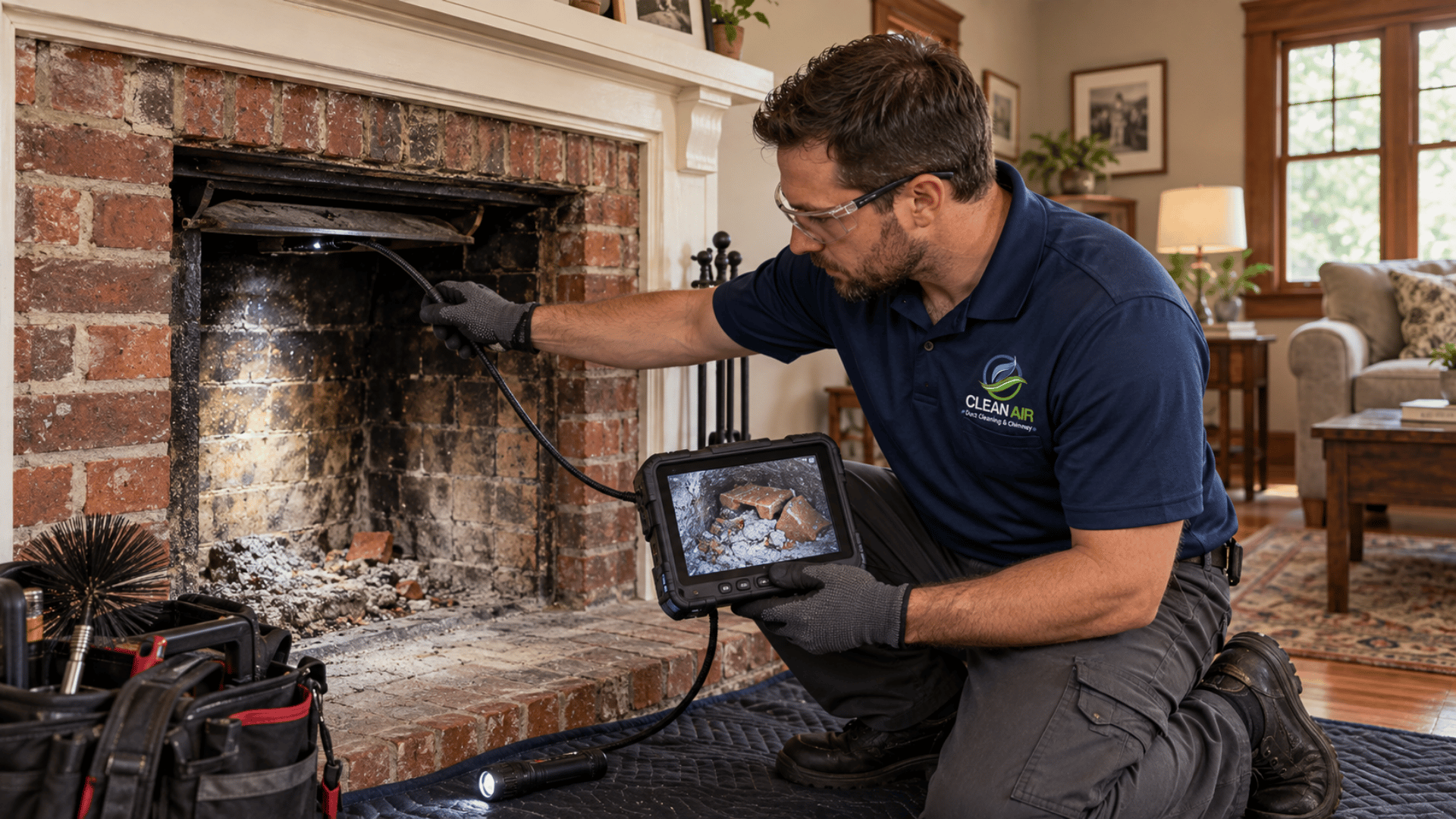
Fact: Most of the flue is out of sight. A camera or proper inspection can spot hidden buildup.
How pros remove creosote, and why DIY often falls short
A standard cleaning uses chimney brushes and rods sized for your flue. Pros also look at the smoke chamber, damper area, and firebox since buildup can hide there too.
For heavier buildup, pros may use special tools and methods meant for harder deposits. The point is not to “scrape and hope.” The point is to remove buildup without damaging the flue and to confirm the exhaust path is clear.
Safety note, climbing on roofs and working with soot is not a casual weekend project. Falls happen fast, and breathing soot is not a hobby.
For general guidance on chimney and venting safety, review CPSC chimney fire safety information.
A simple care schedule for safer wood burning
Keep this plan on your fridge. It is short and doable.
Weekly, during burn season
- Scoop out excess ash once it cools.
- Look for new flakes or chunks in the firebox.
- Notice draft changes, smoke, or stronger odors.
Monthly, during burn season
- Check that the damper opens and closes smoothly.
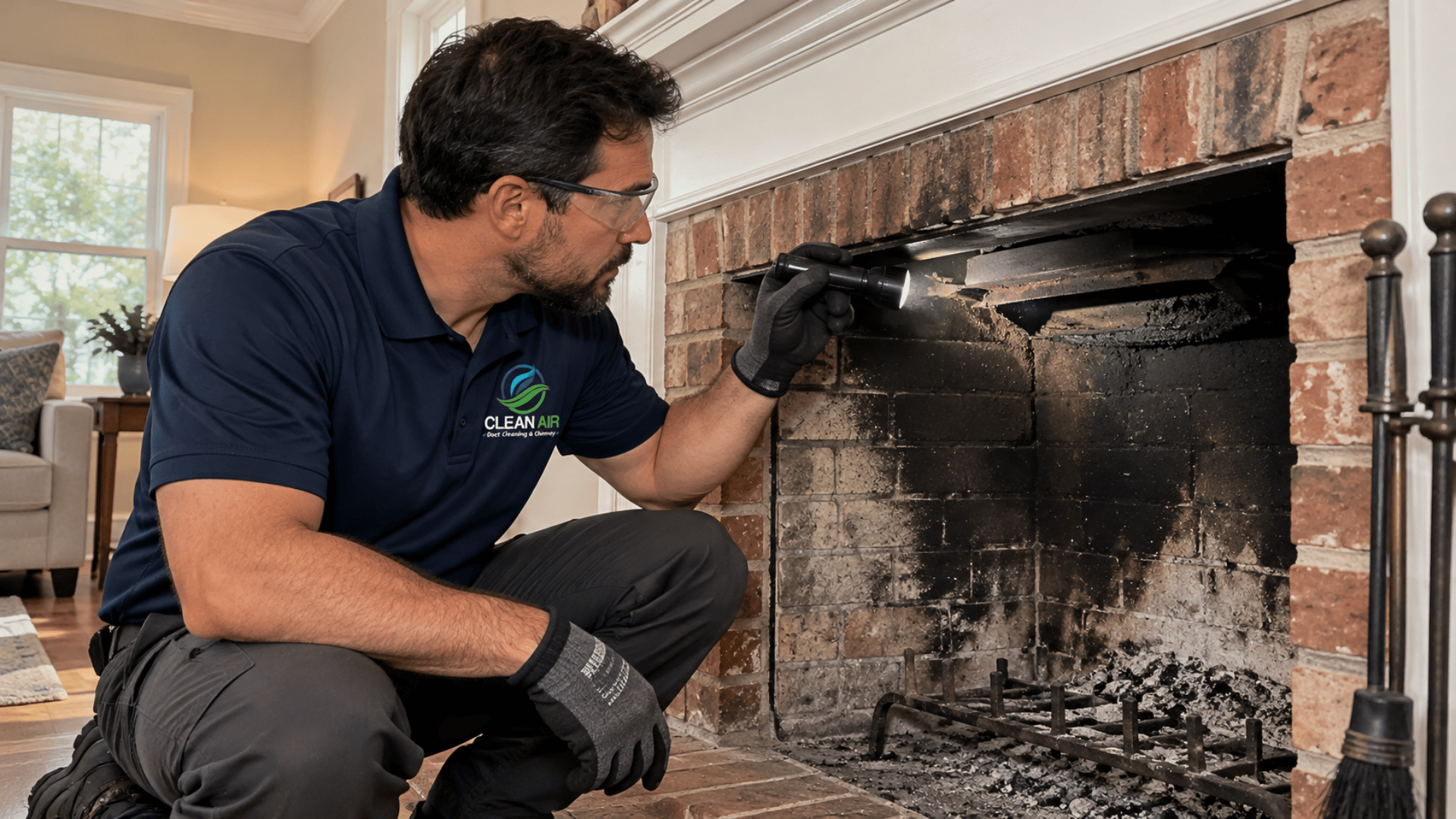
- Shine a flashlight up into the throat area and look for heavy black buildup.
- Check your wood stack, keep burning dry seasoned wood.
Yearly
- Schedule a chimney inspection and cleaning.
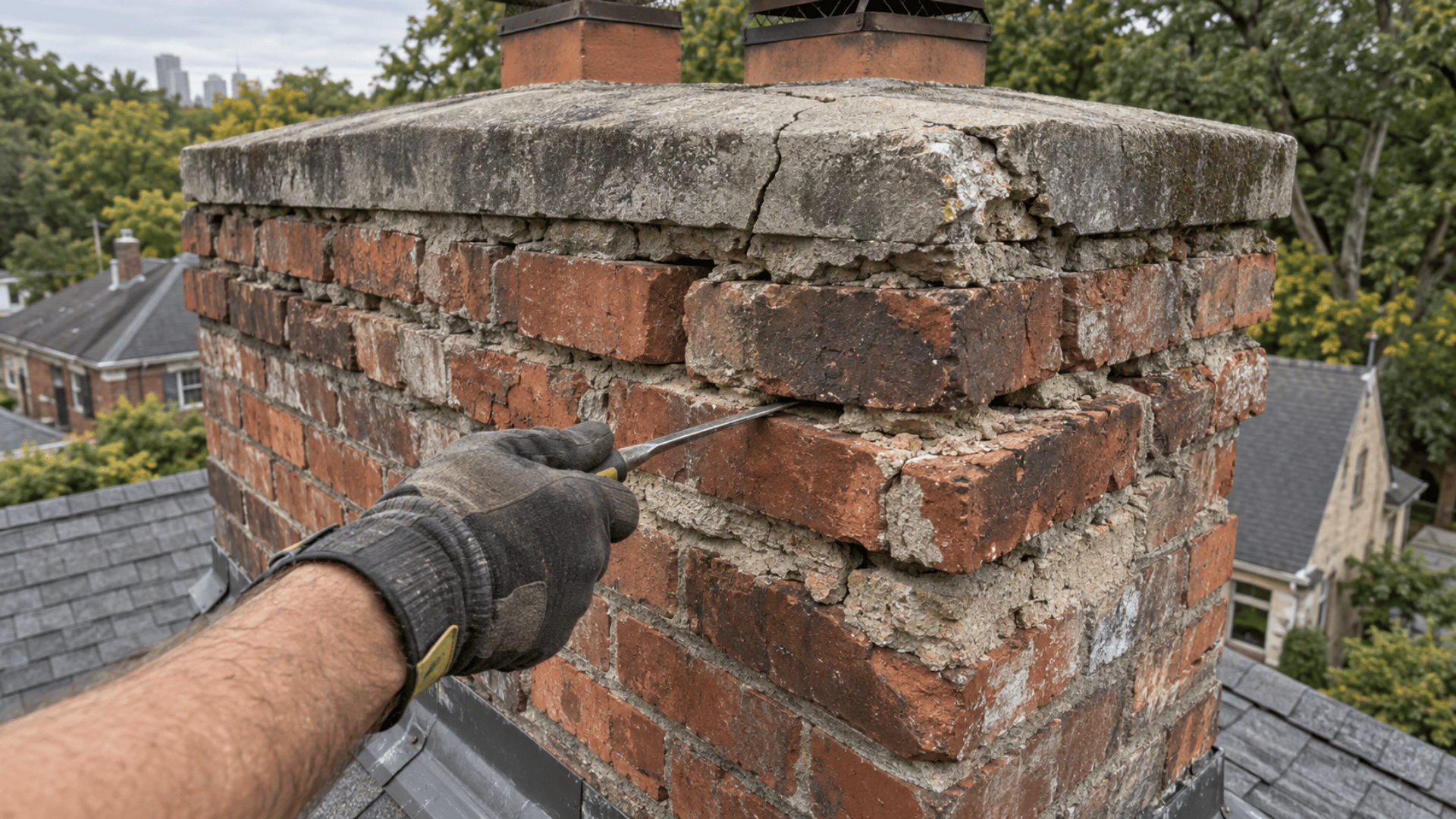
- Have the chimney cap checked so rain and animals stay out.
- Ask about any cracks, loose liners, or gaps that can affect draft.
If you use your fireplace a lot, you may need more than one cleaning per year. Usage and burn style matter.
To set up your annual visit, use Contact Us.
Tips that slow creosote buildup
You cannot stop creosote fully, but you can slow it down.
Burn dry, seasoned hardwood
Dry wood burns cleaner. Cleaner burn means less smoke. Less smoke means less creosote.
Start fires briskly
Get the fire hot early. A smoky start is when the chimney gets coated the most.
Keep airflow steady
Do not choke the fire down too much. Starving a fire of air makes it smolder.
Give the chimney a chance to warm up
On cold mornings, warm the flue for a minute before you fully light the fire. It is like warming up a truck in winter, just faster and with less complaining.
Use the right size wood
Smaller splits can help you build heat faster. Once the flue is warm, you can add larger logs.
When to stop using the fireplace until it is cleaned
Some signs mean you should pause and get help.
- You see thick flaky deposits or shiny tar-like coating.
- Smoke backs up into the home more than once.
- You smell strong odor that does not go away.
- You suspect a bird nest or blockage.
- You had any event that seems like a chimney fire.
Playing tough is great at the gym. It is not great with chimneys.
FAQs
What causes creosote in a chimney?
Creosote forms when smoke cools and condenses on chimney walls. Wet wood, smoldering fires, and cold flues can speed it up.
How do I know if creosote is dangerous?
Thick layers, heavy flakes, or shiny glazed coating can raise risk. Smoke problems and strong odors can also be clues. A chimney inspection can confirm what is inside.
How often should creosote be removed?
Many homes need cleaning at least once a year if they use the fireplace during winter. Heavier use can mean more cleanings. The right timing depends on buildup, not the calendar alone.
Can I remove creosote myself?
Light soot may seem easy, but DIY has risks, roof falls, mess, and missed buildup in hidden areas. Heavier or glazed creosote needs pro tools and training.
Do creosote sweeping logs work?
They may help loosen light soot in some cases, but they do not replace a proper cleaning and inspection.
Why does my fireplace smell worse when it rains?
Humidity and damp air can make creosote odors stronger. Moisture can also mix with soot and make smells more noticeable.
Is gas fireplace creosote a thing?
Gas systems do not create creosote like wood fires. Still, gas vents can have other buildup or blockages, so inspections still matter.
What is the safest wood to burn to reduce buildup?
Dry, seasoned wood burns cleaner than wet wood. Keep wood stored off the ground and covered on top so it can dry out.
Clean Air Duct Cleaning & Chimney helps homeowners in Atlanta, GA with chimney cleaning that removes creosote, improves draft, cuts odor, and lowers chimney fire risk. To schedule service, call (470) 706-6431 or visit https://cleanairductcleaningandchimney.com/.
You can also book an appointment through Contact Us.