
Why Your Home Airflow Drops When Dust Builds Up in Ducts
Your home airflow drops when dust builds up in ducts because that dust acts like…
Get Dryer Vent Repair In Atlanta from Clean Air Duct Cleaning and Chimney. Fast fixes for clogs leaks and poor airflow. Safer drying book today in Atlanta
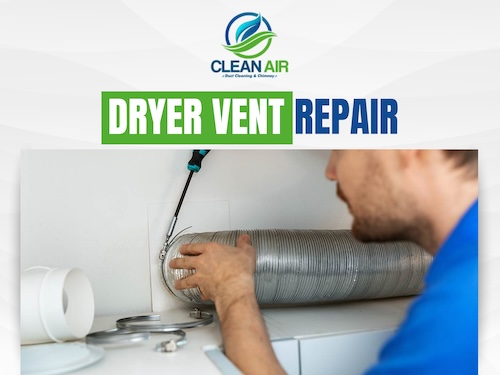
Dryer Vent Repair in Atlanta keeps your dryer moving air the right way so clothes dry faster and your home stays safer. Clean Air Duct Cleaning & Chimney handles Dryer Vent Repair in Atlanta for crushed lines, loose joints, clogs, and bad terminations that leak lint. Dryer Vent Repair in Atlanta also helps stop overheating and moisture problems.
Dryer vent repair fixes airflow problems that dryer vent cleaning alone cannot fix. A dryer vent can look clean but still fail if the pipe is damaged, disconnected, or routed poorly. Repair focuses on the vent line, connections, outside hood, and any spots where lint escapes. Better airflow helps your dryer run more normally and reduces strain on parts.
Dryer Vent Repair usually includes finding the restriction, correcting the connection, and making sure the vent exits outdoors the right way. If your dryer has been working harder lately, the vent line is often the reason. Have you noticed longer dry times even after you clean the lint screen?
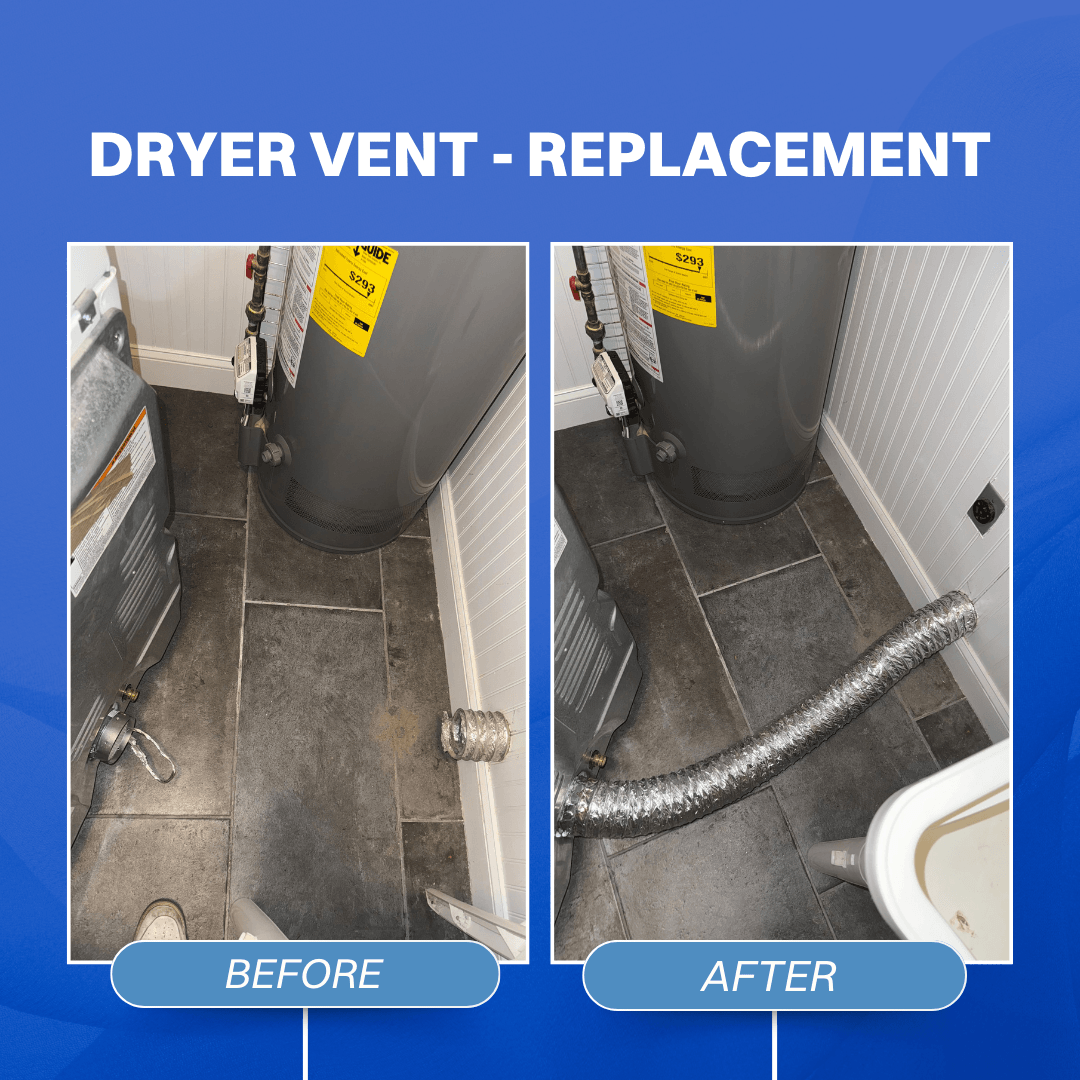
Signs you may need dryer vent repair show up as slow drying, heat, and lint where it should not be. A struggling vent system sends clear signals. Some are annoying. Some are unsafe. If you spot more than one, it is time to get it checked with a dryer vent inspection.
One more clue is a hot laundry room and damp clothes combo. That usually means air is not leaving the house. Your dryer is trying to breathe through a straw.
Many dryer vent problems start with small installation issues that get worse over time. Most vent failures are not dramatic at first. They build up from routing choices, age, and normal lint buildup. Repairs often focus on the spots where the system is weakest, and sometimes include dryer vent rerouting when the path is the core issue.
Atlanta has a mix of slab homes, crawl spaces, and multi story layouts. That variety can create long, twisty vent paths. Every extra turn is another place lint can settle. In Georgia and GA homes, this is a common reason we recommend a focused vent inspection before guessing at the fix.
A repair visit starts with locating the restriction and confirming the vent route. We start by learning what you are experiencing and how the dryer is behaving. Then we check the visible connections and the exhaust path. Our goal is to find what is actually stopping airflow, not guess. When needed, we may recommend a camera inspection to confirm a hidden issue.
If we find that the vent is discharging into an indoor space, we will call that out right away. That setup can spread lint and moisture through the home. In some cases, pairing repair with vent cleaning is the best way to restore airflow.
Repairs commonly focus on reconnecting, replacing damaged sections, and fixing the outside termination. Most dryer vent repairs fall into a few categories. The right fix depends on the vent path, the materials, and how much access we have. If airflow still struggles after basic corrections, a dryer vent booster fan installation may be the next step for longer runs.
Some homes need only a short section replaced behind the dryer. Others need attention at the exterior hood or a hidden joint that came apart. Either way, we focus on airflow and safe exhaust, and we often recommend follow up dryer vent maintenance to help prevent repeat issues.
Need Help? Call Us For Air Duct Services!
The outside vent hood matters because it controls backdraft, pests, and lint exit. A damaged hood can block air, leak water, or invite critters. A hood that stays closed while the dryer runs is basically a closed door for hot air and lint. When we spot entry issues, we may suggest animal removal support if nesting is present.
If your outside hood is buried behind shrubs or covered by a deck feature, airflow can suffer too. Clearing that area helps your vent do its job. In some homes, adding a guard is helpful, and we can discuss bird guard installation when it fits the setup.
Poor airflow can create safety concerns, so some situations call for stopping the dryer right away. A dryer that cannot vent correctly can overheat and push hot air into the home. Lint is also a fuel source. If you smell something like hot fabric, notice scorching, or see the dryer shutting down repeatedly, it is smart to pause use and get help. For background on lint and vent safety, see clothes dryer.
No one wants a laundry room surprise. Clothes should come out dry, not suspiciously warm and still damp. If the system needs more than repair, we can talk through dryer vent installation options that better fit your layout.
A simple check at home can point to a vent issue before we arrive. You can do a quick, safe review without tools. This is not a replacement for an inspection, but it can help you describe symptoms, and it pairs well with scheduling dryer vent inspection when warning signs are present.
If airflow outside is weak, do not keep running load after load trying to push through. That often makes buildup worse. In many cases, a combined repair and cleaning visit is the fastest way to restore normal drying.
Access and vent length affect how long repairs take. Many repairs are straightforward, but timing depends on the vent route and what is reachable. A short run on an exterior wall is often faster than a long route through a crawl space or a second story laundry room. When routes are long, improvements like rerouting can reduce future buildup.
We will explain what we can reach safely and what options you have if parts of the run are concealed. If your home also has airflow issues beyond the laundry area, you may want to consider air duct testing or duct leakage testing as a separate step.
Need Help? Call Clean Air Duct Cleaning & Chimney Near You
Preparing the space helps the repair go faster and keeps your home cleaner. A few minutes of prep makes a big difference. It also helps protect your floors and gives us room to work safely. If you are also planning air duct maintenance, it can be efficient to prepare access areas at the same time.
If your laundry space is tight, do not worry. We work in plenty of closets. We just may ask for a little extra room. For broader home comfort improvements, some homeowners in Atlanta also ask about attic insulation.
After repair, good habits keep airflow steady and reduce repeat problems. Once the vent is repaired, maintenance is simpler. Most issues return because lint builds up again or the dryer gets pushed back and crushes the line. Staying on top of dryer vent maintenance helps keep airflow steady.
If you use dryer sheets, expect more residue on the lint screen over time. A quick wash of the screen with mild soap and water now and then can help airflow. If dry times creep back, scheduling dryer vent cleaning can help prevent the same strain from returning.
Common dryer vent repair scenarios in Atlanta homes often involve crawl spaces, long runs, and storm debris. Atlanta, Georgia homes come in many layouts, and vent paths vary a lot by neighborhood and build style. Crawl spaces can hide vent lines that sag over time. Multi story homes can have longer routes that need clean, solid connections. When a route is a poor fit, dryer vent rerouting can be the cleanest solution.
Hot, humid summers in GA can also make venting problems feel worse. When moisture cannot exit, the laundry room can feel sticky fast. Some homeowners also improve overall air quality with UV air purifier options in the HVAC system.
Choosing the right vent materials and layout reduces lint traps and improves performance. A good vent path is smooth, supported, and directed outdoors with minimal turns. While every home has limits, small improvements can make a big difference. For general duct performance in the home, we also provide air duct repair and duct balancing as separate services.
If your current setup relies on a long, flexible hose coiled behind the dryer, that is a common source of trouble. It is also a common fix. When a full update is needed, we can discuss dryer vent installation that better matches the space.
This quick table helps compare common dryer vent issues and likely fixes. Use this as a simple guide when you describe your problem to us. For a full diagnosis, start with dryer vent inspection.
| What you notice | What it often points to | Typical repair focus |
|---|---|---|
| Clothes take too long to dry | Restriction or crushed line | Replace crushed section, correct routing |
| Lint behind dryer | Loose or leaking connection | Reconnect and seal joints |
| Little air outside | Blocked hood or long run issue | Fix hood, reduce turns where possible |
| Humid laundry room | Exhaust leaking indoors | Correct termination and joint leaks |
| Flap not opening | Stuck or damaged hood | Replace or reset termination |
If your symptom does not match the table, that is normal. Vents fail in more than one way. A camera inspection can help confirm what is happening inside the run.
Clean Air Duct Cleaning & Chimney focuses on practical repairs that restore safe exhaust. We handle airflow problems every day, and we know how quickly a small vent issue can turn into a frustrating routine. Our approach is simple find the restriction, fix the vent path, and make sure the system actually exhausts outdoors. If we find buildup along with damage, we may recommend pairing the work with dryer vent cleaning.
You will get clear communication on what we find and what needs to happen next. We keep the work area as tidy as we can, and we treat your home with care. If something looks off beyond the vent line, we will tell you plainly. For customers who want to know more about the company, you can review our About Us page.
Do you want your dryer to stop acting like it needs a nap after every load? A vent that breathes right can make a noticeable difference. If your layout needs a bigger change, we can also talk about rerouting the vent.
If you are solving airflow issues in one area of the home, these services are often requested alongside dryer vent work.
Book service now to get your dryer working normally again. If you are dealing with slow drying, excess heat, or lint where it should not be, it is time to schedule Dryer Vent Repair in Atlanta with a team that handles vent systems daily. Clean Air Duct Cleaning & Chimney is ready to help with Dryer Vent Repair and airflow corrections that fit your home layout.
Call (470) 706-6431 or use the Contact Us page to schedule Dryer Vent Repair in Atlanta.
Dryer vent repair generally involves fixing or replacing damaged vent components, correcting unsafe or inefficient routing, and restoring proper connections so the vent can exhaust air as intended. Clean Air Duct Cleaning & Chimney provides this service.
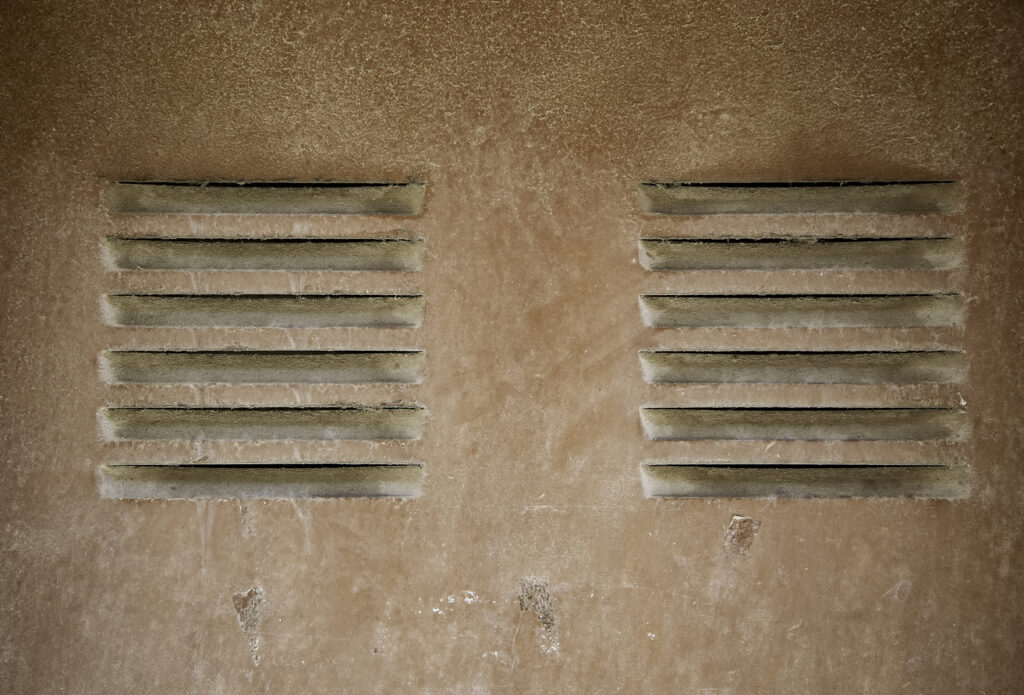
Your home airflow drops when dust builds up in ducts because that dust acts like…
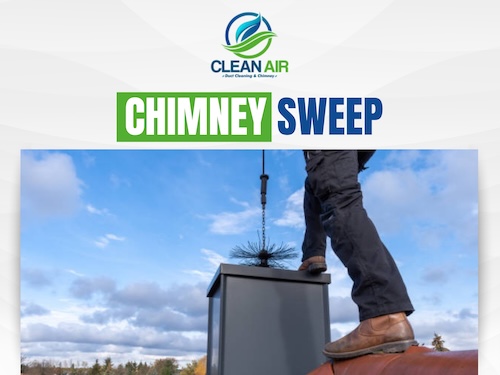
A clean chimney lets smoke move out of your home, not back into your face.…
Your air ducts may need cleaning before a seasonal change if you notice more dust,…
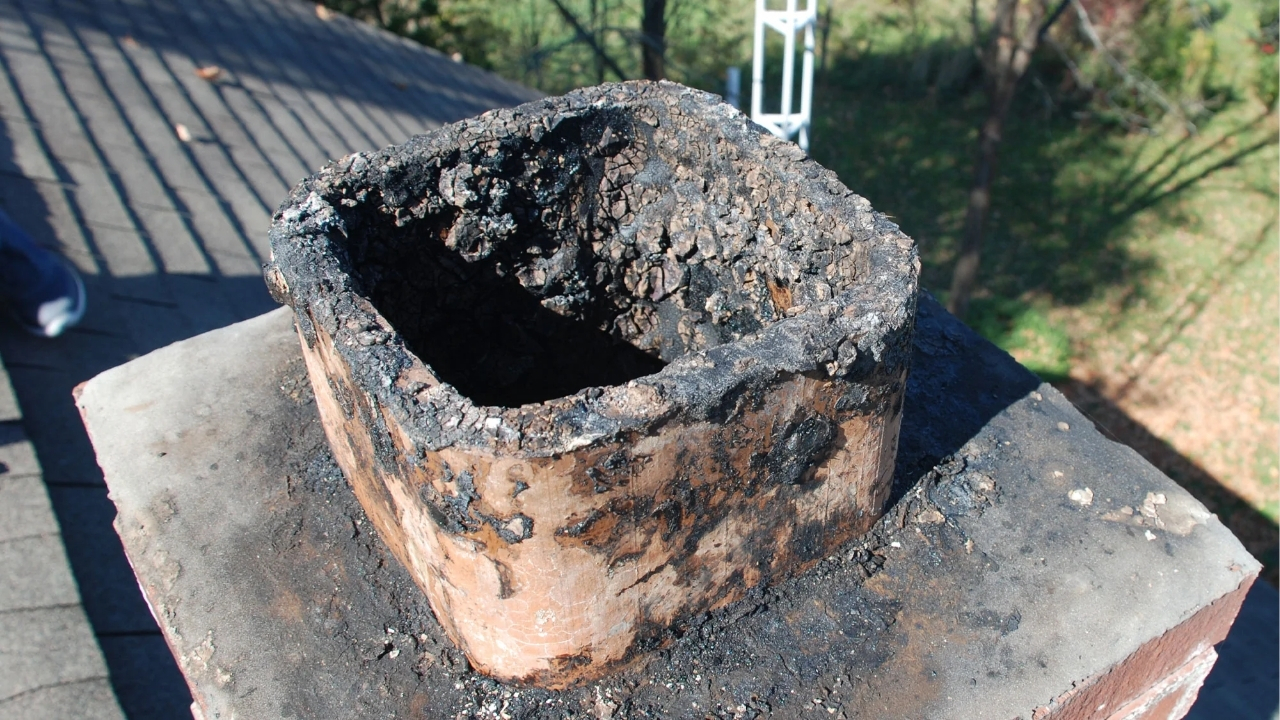
Creosote forms when wood smoke cools inside your chimney and turns into a sticky, dark…

Lint buildup in a dryer vent raises fire risk because it blocks airflow. When hot…

An annual chimney inspection helps you catch hidden trouble before it grows. A pro can…