...
  1. Home
  2. »
  3. Masonry Repair

Masonry Repair in Atlanta, GA

Masonry Repair In Atlanta for chimneys brick and mortar. Clean Air Duct Cleaning and Chimney delivers durable repairs plus clear estimates. Call today

Table of Contents
Masonry Repair In Atlanta by Clean Air Duct Cleaning
Masonry Repair In Atlanta for chimneys brick and mortar. Clean Air Duct Cleaning and Chimney delivers durable repairs plus clear estimates. Call today

Masonry Repair

Masonry repair restores damaged brick and mortar before deterioration spreads into surrounding areas.

Chimneys are constantly exposed to rain, humidity, heat, wind, and changing temperatures. Over time, mortar can wash out, brick faces can deteriorate, and cracks can create new paths for water.

Our Masonry Repair in Atlanta service focuses on visible chimney masonry problems and the conditions contributing to them.

Depending on the damage, repair may involve restoring mortar joints, replacing individual bricks, repairing localized masonry sections, or addressing another chimney component that is allowing water inside.

Need Help? Call Clean Air Duct Cleaning & Chimney Near You

Signs You May Need Masonry Repair

Masonry problems usually develop gradually.

Early repair can help prevent a small damaged area from spreading into a larger section.

Common signs include:

  1. Cracked bricks.
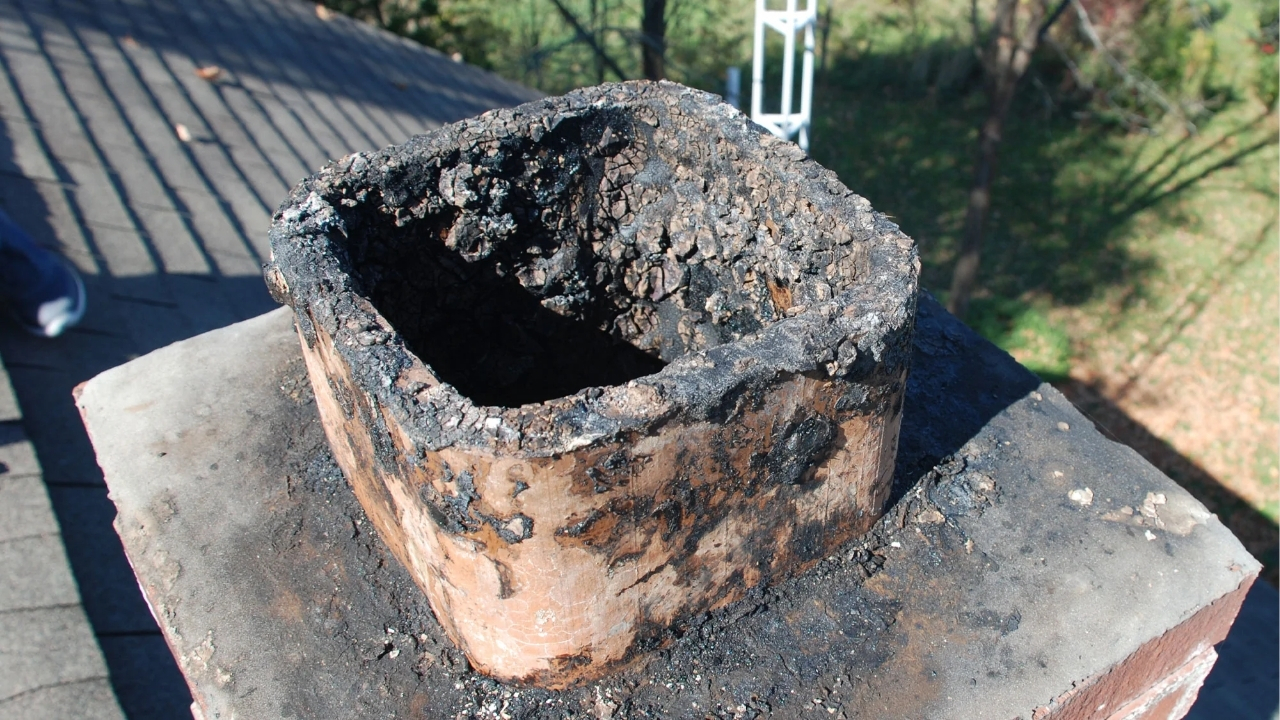
  2. Spalling or flaking brick faces.
  3. Crumbling mortar joints.
  4. Missing mortar between bricks.
  5. Loose masonry.
  6. White deposits on exterior brick.
  7. Dark moisture staining.
  8. Pieces of mortar or brick around the chimney.
  9. Cracks that continue spreading.
  10. A chimney section that appears uneven or deteriorated.

Interior water staining near the chimney can also point to an exterior masonry or water-entry problem.

If several areas appear affected, a chimney inspection can help determine the extent of the damage.

Clean Air Duct Cleaning Logo

What Causes Chimney Masonry to Deteriorate

Water is one of the biggest causes of chimney masonry damage.

Once moisture begins entering cracks or weakened mortar joints, repeated exposure can gradually affect surrounding brickwork.

Common causes include:

  1. Aging mortar.
  2. Repeated rain exposure.
  3. Cracked chimney crowns.
  4. Failed flashing.
  5. Missing or damaged chimney caps.
  6. Porous masonry.
  7. Previous repairs that have deteriorated.
  8. Movement between masonry and roofing materials.
  9. Repeated wet and dry cycles.
  10. Long periods of shade that slow masonry drying.

The visible damage is not always the original problem.

That is why the source of moisture should be considered along with the masonry repair itself.

Our Masonry Inspection and Repair Process

Before recommending repair, we inspect accessible masonry and nearby chimney components.

We want to understand what is damaged, how far the deterioration extends, and whether another issue is contributing to it.

What Typically Happens During the Visit

A typical visit may include:

  1. Discussing the cracks, leaks, or masonry changes you have noticed.
  2. Checking accessible brick faces.
  3. Inspecting mortar joints.
  4. Looking for loose or unstable masonry.
  5. Checking for moisture staining.
  6. Reviewing the chimney crown where accessible.
  7. Checking visible flashing conditions.
  8. Looking at previous repair areas.
  9. Determining which masonry sections need attention.
  10. Explaining the appropriate repair options.

If another chimney component is allowing water into the masonry, we explain that before recommending masonry work alone.

Common Masonry Repairs

The repair needed depends on whether the damage affects mortar, individual bricks, or larger masonry sections.

Mortar Joint Repair

Mortar joints can become cracked, recessed, loose, or powdery over time.

When the bricks are still in good condition, repairing the joints may be enough to restore the affected area.

If mortar deterioration is widespread, chimney repointing may be appropriate.

Brick Replacement

Individual bricks may need replacement when they are:

  1. Cracked through.
  2. Badly spalled.
  3. Loose.
  4. Missing sections.
  5. Structurally deteriorated.

Targeted brick replacement can restore a damaged area without rebuilding masonry that remains sound.

For brick-specific deterioration, chimney brick repair may be appropriate.

Localized Masonry Repair

Some chimney sections develop both mortar and brick damage.

In these cases, repair may involve replacing damaged bricks while restoring nearby joints so the masonry section works together properly.

More extensive movement or widespread deterioration may require a broader chimney repair evaluation.

Why Moisture Control Matters

Replacing damaged masonry without correcting ongoing water entry can allow the same deterioration to return.

Water may be entering through:

  1. Cracked mortar.
  2. Damaged brick.
  3. A failing chimney crown.
  4. Roofline flashing.
  5. A damaged or missing cap.
  6. Porous exterior masonry.

For example, if crown damage is allowing water into the top of the chimney, chimney crown repair may need to be completed along with masonry work.

If water is entering where the chimney meets the roof, chimney flashing repair and
replacement
may be the correct repair.

Addressing the moisture source helps protect the repaired masonry from repeated exposure.

Need Help? Call Us For Masonry Repair Services!

Repointing vs Brick Replacement

These two repairs solve different masonry problems.

Repointing focuses on deteriorated mortar joints while keeping sound bricks in place.

Brick replacement focuses on individual bricks that are cracked, loose, heavily spalled, or otherwise damaged.

Repointing may be appropriate when:

  1. The brick remains solid.
  2. Mortar joints are deteriorated.
  3. Joints have become recessed.
  4. Mortar is loose or sandy.

Brick replacement may be appropriate when:

  1. Brick faces are breaking apart.
  2. Individual bricks are cracked.
  3. Corners are deteriorating.
  4. Bricks have become loose.

Some chimneys require both when brick and mortar deterioration occur together.

When to Schedule Masonry Repair

Consider scheduling masonry service when:

  1. Mortar begins crumbling.
  2. Brick faces start flaking.
  3. Cracks appear in brick or mortar.
  4. Loose pieces begin falling.
  5. White staining repeatedly appears.
  6. Water staining develops around the chimney.
  7. A repaired area begins deteriorating again.
  8. Damage becomes worse after storms.
  9. Several bricks or joints are affected.
  10. Masonry begins looking uneven or unstable.

Addressing deterioration earlier can help reduce the amount of masonry that eventually needs repair.

Atlanta Area Factors

Atlanta’s rainfall, humidity, storms, tree coverage, and changing temperatures can all affect chimney masonry.

Heavy rain can enter weakened mortar joints and cracks.

Humidity can keep brick and mortar damp longer after storms.

Shaded chimneys may dry more slowly, especially in areas with mature tree coverage.

Wind-driven rain can also expose weaknesses around crowns, flashing, and exterior masonry.

These conditions make Masonry Repair in Atlanta important when brick and mortar deterioration begins showing signs of repeated moisture exposure.

How to Prepare for Your Appointment

A few simple steps can help us evaluate the masonry more efficiently.

Before we arrive:

  1. Move vehicles if ladder access may be needed.
  2. Clear outdoor items below the chimney area.
  3. Keep pets away from the immediate work area.
  4. Point out interior water stains if present.
  5. Share photos taken after storms if available.
  6. Mention previous masonry or chimney repairs.
  7. Tell us about recent roof work.
  8. Let us know when you first noticed the damage.

Information about when the problem appeared can help identify whether moisture or another recent change contributed to it.

After Masonry Repair

After repair, continue watching the affected area.

Look for:

  1. New cracks.
  2. Loose mortar.
  3. Returning brick deterioration.
  4. Fresh white staining.
  5. New moisture marks.
  6. Changes after heavy storms.
  7. Deterioration near nearby unrepaired masonry.

If problems return quickly, another source of water entry may need further evaluation.

How to Protect Repaired Masonry

Regular observation and moisture control can help protect chimney masonry after repairs.

  1. Keep gutters and roof drainage clear.
  2. Maintain the chimney crown.
  3. Keep the chimney cap in good condition.
  4. Address flashing problems promptly.
  5. Watch for new cracks.
  6. Trim branches that contact or heavily shade the chimney.
  7. Inspect visible masonry after major storms.
  8. Consider chimney waterproofing after necessary repairs when appropriate.

Waterproofing should not replace repairs. Damaged brick, mortar, flashing, crowns, and other active defects should be corrected first.

Why Homeowners Choose Clean Air Duct Cleaning & Chimney

Atlanta homeowners call Clean Air Duct Cleaning & Chimney when they want to understand what is causing their masonry damage before repairs begin.

We focus on the damaged area and the conditions around it.

If mortar repair is enough, we explain that.

If damaged brick needs replacement, we explain why.

If crown, flashing, or another moisture problem is contributing to the deterioration, we identify that connection before recommending additional work.

What You Can Expect From Us

When you schedule masonry repair with our team, you can expect:

  1. Clear communication.
  2. Respect for your home and property.
  3. Inspection of accessible masonry.
  4. Straightforward explanations of visible damage.
  5. Repair recommendations based on condition.
  6. Attention to possible moisture causes.
  7. Practical next steps.
  8. No unrelated services added to a straightforward masonry repair project.

Our goal is to restore damaged masonry and reduce the conditions that caused it to deteriorate.

Areas We Serve

  • Atlanta, GA
  • Alpharetta, GA
  • Brookhaven, GA
  • Buckhead, GA
  • Cumming, GA
  • Douglasville, GA
  • Dunwoody, GA
  • East Cobb, GA
  • Johns Creek, GA
  • Marietta, GA
  • McDonough, GA
  • Roswell, GA
  • Sandy Springs, GA
  • Stone Mountain, GA
  • Stockbridge, GA

Schedule Masonry Repair in Atlanta, GA

Clean Air Duct Cleaning & Chimney provides professional Masonry Repair in Atlanta for cracked bricks, deteriorated mortar, spalling masonry, loose brickwork, moisture damage, and other visible chimney masonry problems.

We inspect the affected area, determine which parts need attention, and explain whether repointing, brick replacement, moisture correction, or broader chimney repair may be appropriate.

If your chimney masonry is cracking, crumbling, loosening, or showing repeated moisture damage, our team can help.

Call (470) 706-6431 or contact us online to schedule service.

Related Services

Frequently Asked Questions (FAQs)

Masonry repair refers to fixing issues in brick, stone, block, mortar joints, or related surfaces to help restore stability and reduce further deterioration.
Typical signs include cracked or crumbling mortar, loose or spalling bricks, gaps around joints, leaning sections, and water staining or efflorescence (white, powdery residue).
Weather exposure, moisture intrusion, freeze-thaw cycles, settling, age, and improper installation or past repairs can all contribute to masonry wear.
Moisture can weaken mortar, contribute to cracking, and lead to surface damage when temperatures fluctuate, especially in freeze-thaw conditions.
Tuckpointing is the process of removing deteriorated mortar and replacing it with new mortar to help maintain the integrity and appearance of masonry joints.
Yes. Damaged mortar, cracked bricks, or gaps can affect chimney structure and allow moisture to enter, which may contribute to additional wear over time.
A technician generally looks for visible damage, checks mortar joint condition, evaluates areas where water may enter, and considers how the structure is performing overall.
Timelines vary based on the size of the area, the type of damage, access conditions, and weather, so scheduling and duration are typically determined after an evaluation.
It’s generally a good idea to monitor and address changes early, since small issues can sometimes expand with moisture and temperature changes.
Clean Air Duct Cleaning & Chimney provides masonry repair services and can help with general repairs related to brick, mortar, and chimney masonry conditions.
Why Your Home Airflow Drops When Dust Builds Up in Ducts

Why Your Home Airflow Drops When Dust Builds Up in Ducts

Your home airflow drops when dust builds up in ducts because that dust acts like…

Why Regular Chimney Sweeping Helps Keep Your Fireplace Safe

Why Regular Chimney Sweeping Helps Keep Your Fireplace Safe

A clean chimney lets smoke move out of your home, not back into your face.…

Signs Your Air Ducts Need Cleaning Before the Seasons Change in Atlanta, GA

Signs Your Air Ducts Need Cleaning Before the Seasons Change in Atlanta, GA

Your air ducts may need cleaning before a seasonal change if you notice more dust,…

How Creosote Forms and Why It Needs Removal

How Creosote Forms and Why It Needs Removal

Creosote forms when wood smoke cools inside your chimney and turns into a sticky, dark…

Dryer Vent Lint Buildup and Fire Risk, What Every Atlanta Homeowner Should Know

Dryer Vent Lint Buildup and Fire Risk, What Every Atlanta Homeowner Should Know

Lint buildup in a dryer vent raises fire risk because it blocks airflow. When hot…

Why Annual Chimney Inspections Protect Your Fireplace and Home

Why Annual Chimney Inspections Protect Your Fireplace and Home

An annual chimney inspection helps you catch hidden trouble before it grows. A pro can…

Seraphinite AcceleratorOptimized by Seraphinite Accelerator
Turns on site high speed to be attractive for people and search engines.