1. Home
  2. »
  3. Chimney Demolition

Chimney Demolition in Atlanta, GA

Chimney Demolition In Atlanta by Clean Air Duct Cleaning & Chimney. Safe removal, site cleanup, and clear pricing. Book your estimate today
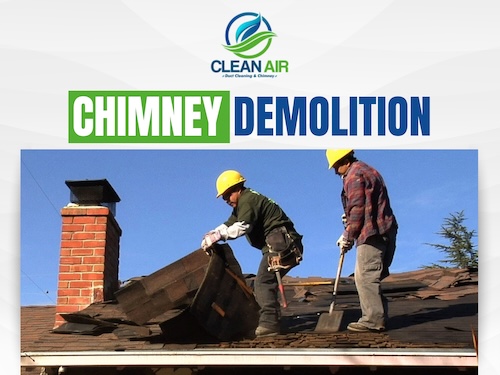
Table of Contents
Chimney Demolition In Atlanta With Clean Air Experts
Chimney Demolition In Atlanta by Clean Air Duct Cleaning & Chimney. Safe removal, site cleanup, and clear pricing. Book your estimate today

Chimney Demolition

Chimney demolition removes an unsafe, damaged, or unused chimney down to the roofline or all the way to the base, then clears the debris so your home is ready for repairs.

For Chimney Demolition In Atlanta, Clean Air Duct Cleaning & Chimney helps you plan the safest approach, protect your roof and interior, and leave the site clean and stable.

Chimney demolition is the safest way to remove brick, block, stone, or metal that is no longer sound. If a chimney is leaning, crumbling, leaking, or simply no longer used, leaving it in place can create ongoing problems.

Loose masonry can fall, water can keep getting in, and roof framing can take stress it was never meant to carry. Chimney removal is also common after converting to electric appliances or when a fireplace is being retired.

Need Help? Call Clean Air Duct Cleaning & Chimney Near You

Chimney removal in Atlanta GA with a step by step plan

Clean Air Duct Cleaning & Chimney handles chimney removal work in Atlanta, GA with a practical, step by step plan. We look at the structure, choose the right removal depth, control dust, manage debris, and coordinate the roof and exterior finish work needed after the chimney is gone.

Are you dealing with a chimney that makes you nervous every time the wind picks up? Are you tired of chasing leaks around the flashing? Those are common reasons people call. If you are also seeing water intrusion, a chimney leak check can help clarify what is happening before demolition decisions are final.

Signs you may need chimney demolition

You may need chimney demolition if you see movement, water damage, or failing masonry. A chimney can look fine from the driveway but still be unsafe up close. Small cracks can turn into loose sections, and moisture can weaken mortar over time. If the chimney is unused, it is easy to ignore until it becomes a bigger issue. A chimney inspection can help confirm whether removal is the safest path.

Watch for these signs

  1. Bricks or stones falling into the yard or onto the roof
  2. A chimney that looks tilted or separated from the house
  3. Cracked mortar joints or missing mortar between bricks
  4. White staining on masonry, often tied to water and salts
  5. Roof leaks near the chimney, stained drywall, or damp attic wood
  6. Rusted metal components around the chase or cap
  7. A musty smell near the fireplace or inside a chase
  8. Pieces of tile or debris in the firebox

If you see any of these, it is smart to stop using the fireplace right away. Even if you never light a fire, an unstable chimney still poses risks. If the chimney has been in use, a chimney sweep can also help remove soot and buildup before related work begins.

Partial demolition at the roofline

A partial demolition is often enough when the main issue is at the roofline. Sometimes the chimney is sound below the roof but failing above it. In those cases, removing the chimney down to below the roof surface, then rebuilding the roof area, may solve the problem without tearing into lower levels of the home.

This option is common when flashing failures keep causing water issues, and a flashing repair and replacement plan is part of the follow up work.

This option is common when

  1. The chimney above the roof is cracked, spalling, or loose
  2. Flashing failures have caused repeated leaks
  3. The homeowner wants a clean roofline and fewer leak points
  4. The fireplace is no longer used, but the lower section is enclosed

We will talk through what you want the finished result to look like. Do you want the whole chimney gone, or do you want it removed only where it breaks through the roof? If repairs are still a better fit than removal, we can also discuss chimney repair options.

Full demolition to the base

A full demolition makes sense when the structure is compromised or no longer wanted anywhere. A full removal takes the chimney down through the home or along an exterior wall to the base. It is a bigger project, but it removes the entire structure and the ongoing maintenance that comes with it. When removal is paired with a full rebuild instead, chimney rebuilding may be the better direction.

Full removal is common when

  1. The chimney is separating from the home
  2. The firebox and flue are damaged and not worth keeping
  3. You want to reclaim interior space from an old chase
  4. Water has damaged framing around the chimney path

If the fireplace and venting system are staying in place but the liner is failing, chimney relining can sometimes address safety without a full teardown.

Why chimneys fail over time

Chimneys fail from moisture, settling, and age, not just bad luck. Most chimney problems in Atlanta connect to water and time. Rain finds small openings around caps, crowns, flashing, and mortar joints. Once water gets in, freeze and thaw cycles can break masonry apart, even in Georgia where winters are mild. Add settling, roof movement, and years of heat cycles, and things can loosen.

Common root causes include

  1. Worn or missing chimney cap and crown protection
  2. Damaged flashing at the roof line
  3. Mortar that has softened from years of moisture
  4. Brick spalling, where the face of the brick flakes off
  5. Improper past repairs that trap water inside the structure
  6. Foundation or framing movement that shifts the chimney

If the chimney is no longer needed, removal can be the cleanest long term answer. It also reduces future roof leak risks because fewer roof penetrations usually means fewer surprises. If the goal is preventing water intrusion while keeping the chimney, chimney waterproofing can be part of the discussion.

Note about freeze and thaw

Even in GA, moisture in masonry can expand and weaken mortar and brick over time, especially when water pathways are not sealed and drainage is poor.

Site check and planning

Our visit starts with a site check and a clear plan for safe removal and cleanup. Every home is a little different, and every chimney is different too. We start by seeing what type of chimney you have, where it runs, and what it connects to. We also look at roof access, landscaping, and nearby structures. If you want documentation of internal conditions first, a camera inspection can be useful.

During the assessment, we focus on

  1. Chimney material and condition, brick, block, stone, or metal chase
  2. Removal depth, roofline only or full removal
  3. Interior impact, including drywall, framing, and fireplace surround
  4. Debris route and staging area for safe handling
  5. Dust control steps for interior work
  6. Roof repair needs after the chimney comes out

We also talk about safety and timing. If we spot signs that parts are loose, we may recommend restricting access below that area until work begins. No one needs a surprise brick in their flower bed. If the top is already failing, chimney crown repair may come up as an alternative when removal is not required.

Need Help? Call Us For Air Duct Services!

Protecting your home during demolition

We protect your home by isolating the work area and controlling dust early. Demolition can get messy fast without a plan. If we are working inside, we isolate the room and set up barriers to limit dust spread. If we are working at the roofline, we protect roof surfaces and choose a debris path that avoids damage to shingles and gutters. If your home also needs indoor air cleanup after messy projects, air duct cleaning can support a cleaner reset.

Simple protection steps often include

  1. Covering nearby floors and surfaces
  2. Sealing doorways or using temporary barriers
  3. Using controlled removal methods instead of aggressive smashing
  4. Keeping debris contained in sturdy containers
Pets and work zones

If you have pets, we will tell you what areas should stay off limits. Cats are curious. Curiosity and demolition do not mix well.

What chimney demolition typically includes

Chimney demolition usually includes removal, debris handling, and making the structure ready for repair. Demolition should not mean leaving you with a hole in the roof and a pile of brick. A proper job includes planning for what comes next, especially at the roof. Once the chimney is removed to the planned depth, we prep the area so roofing and exterior finishes can be completed correctly. If the chimney is being replaced rather than removed permanently, chimney replacement may be part of the next phase.

Many projects include

  1. Removing bricks, block, liner, and related chimney parts
  2. Managing debris safely from roof to ground
  3. Sorting materials for disposal and cleanup
  4. Leaving stable edges and framing access for the next steps
  5. Coordinating the roof opening closure plan

Some chimneys are tied into framing, siding, or stonework. We take them down in sections so the surrounding structure stays stable. If the chimney is part of a larger masonry system, masonry repair can help finish adjacent areas cleanly.

Removal depth options

We can remove the chimney to different levels based on your goals and the structure. There is no single right depth for every home. The right approach depends on how the chimney was built, where it runs, and what you want the finished space to look like.

Here is a quick reference that helps many homeowners. If the decision is driven by a failing liner or flue, chimney flue repair may be discussed alongside removal depth.

Removal LevelBest Fit WhenTypical Follow Up Work
Above roofline onlyRoof leaks or failing top sectionRoof patch, flashing area rebuild, shingles
Down to attic or ceiling lineYou want more attic space and fewer issuesFraming patch, insulation check, ceiling repair
Full removal to baseYou want it completely goneFraming, drywall, exterior finish, possible hearth removal

We will talk through what each option means for your home before work begins. If the chimney has widespread mortar failure but is still wanted, chimney repointing can sometimes extend service life instead of demolition.

Controlled removal process

The removal process follows a controlled sequence to keep the home stable and the site clean. A chimney is heavy, and the surrounding structure may rely on it more than you expect. A safe demolition uses a planned order, not random force. We remove weight gradually and keep the roof and interior protected. If your project starts with a condition review, chimney inspection helps set the scope.

A typical chimney demolition process looks like this

  1. Confirm utilities and appliance connections are not tied into the chimney
  2. Set up work zone, barriers, and debris handling plan
  3. Remove the top sections first, working down in manageable lifts
  4. Detach or remove the flue liner and related components
  5. Continue removal to the planned depth, roofline or full removal
  6. Clear debris and perform a detailed cleanup of the work area
  7. Review the exposed areas so repairs can be completed properly

If the chimney runs through living space, we also plan around furniture, flooring, and access paths. Nobody wants brick dust tracked through the house. If soot or buildup is present before teardown, creosote removal may be relevant.

Roofline work and leak prevention

Roofline work focuses on preventing future leaks, not just making the hole disappear. Once a chimney is removed at the roofline, the roof needs to be rebuilt correctly at that spot. That usually means restoring sheathing, underlayment, and shingles so water sheds naturally. If water entry was the main problem, chimney leaks information can help you understand common pathways.

We look for

  1. Solid decking at the edges of the opening
  2. Proper tie in with existing underlayment
  3. Matching roof slope and drainage paths
  4. Gutters and drip edge areas that may need attention

A sloppy roof patch is like putting a bandage on a garden hose leak. It might hold for a bit, then you are right back where you started. If you are keeping the chimney, chimney cap installation and crown protection can reduce water entry.

Timeline and what affects project length

Project length depends on chimney size, access, and how much interior finish work is involved. Some chimney work moves quickly, and some takes longer because of how the home is built. A tall exterior chimney with easy access may move faster than an interior chimney that passes through multiple levels. If you are coordinating multiple improvements, air duct maintenance can be scheduled separately to keep projects organized.

Things that can affect the timeline

  1. Chimney height and thickness
  2. Brick type and mortar condition
  3. Roof pitch and roof access points
  4. Tight interior chases or limited attic access
  5. Weather conditions, especially rain during roof work
  6. Amount of finishing work needed after removal

We will keep you updated as the job progresses. If something changes once the chimney is opened up, we explain what we found and what the next step should be. When demolition is part of a larger rebuild plan, chimney installation can be considered for the next stage.

Clean Air Duct Cleaning & Chimney

Safety guidance for unstable chimneys

Safety matters because chimneys are heavy, brittle, and sometimes already unstable. If you suspect the chimney is loose or separating, do not try to test it with a push or a hammer swing. Chimney sections can shift without warning, and falling masonry can cause serious damage. If there is any doubt, start with a chimney inspection and avoid do it yourself checks.

Stop and call a pro if you notice

  1. New cracks that were not there last month
  2. Bricks that move when touched
  3. A visible gap between the chimney and exterior wall
  4. Pieces dropping into the firebox
  5. A chimney that sways or rattles during storms

Also, avoid climbing on the roof to inspect it yourself. Roofs in Atlanta often have steep pitches, and a quick look can turn into a long day at urgent care. For general background on masonry structures, you can review chimney basics.

Interior fireplaces and chases

Interior fireplaces and chases can hide debris and soot that needs careful handling. Even if you have not used the fireplace in years, the firebox and smoke chamber can hold soot and debris. Removing parts of a chimney can release dust if the area is not isolated. If the firebox area needs attention after removal decisions, firebox repair may apply.

We treat the work area with care by

  1. Using barriers and drop protection
  2. Handling debris in controlled loads
  3. Keeping pathways clear
  4. Cleaning thoroughly after removal

Your home should not feel like a demolition zone for weeks. If odor or contamination is part of the concern, chimney sanitation can support a cleaner environment.

How to prepare for chimney demolition

You can prepare for chimney demolition by clearing access, protecting valuables, and planning for noise. A little preparation helps the work go smoother and keeps your home comfortable during the project. If you are also planning indoor air improvements, UV air purifier options can be discussed separately.

Before we arrive, it helps to

  1. Move cars from the driveway if debris containers will be staged there
  2. Clear patio furniture and grills near the chimney base
  3. Remove fragile items from nearby shelves and mantels
  4. Provide access to attic entry points if needed
  5. Secure pets in a separate room away from the work zone
  6. Point out any sprinkler heads or landscape lighting near the chimney

Expect some noise. Demolition is not silent work. If you work from home, you may want to plan calls away from the immediate area.

After demolition and follow up checks

After demolition, the next goal is making the roof and surrounding areas water tight and visually clean. Once the chimney is removed, the home still needs a few steps to feel finished. Depending on the removal depth, that may include roof patching, siding repairs, interior drywall work, or flooring touch ups. If moisture was affecting nearby building materials, mold treatment may be worth considering where appropriate.

After the job, keep an eye on

  1. The repaired roof area after the first heavy rain
  2. Any new staining on ceiling drywall near the former chimney path
  3. Drafts or temperature changes if an old chase was opened and closed
  4. Loose debris in the firebox area if a fireplace remains

If the fireplace is being fully removed, we can also discuss what to do with the remaining hearth area and surrounding framing. Some homeowners keep the hearth as a design feature. Others want the floor to look like nothing was ever there. If you are keeping a fireplace but changing how it works, fireplace conversion may be part of the longer plan.

Atlanta Georgia chimney challenges

Atlanta homes bring specific chimney challenges, from heavy rain to mixed construction styles. Atlanta, Georgia sees plenty of storms, and water is the main enemy of masonry and roof penetrations. Older neighborhoods often have brick chimneys with aging mortar, while newer builds may have framed chases with siding and metal components. Both can fail, just in different ways. If the issue is limited to brick damage, chimney brick repair may be an option before you commit to removal.

Local situations we see often include

  1. Recurring roof leaks around flashing after patch repairs
  2. Loose brick on older chimneys after years of moisture exposure
  3. Chases that rot at the base where water splashes back
  4. Chimneys damaged by tree limbs during storms
  5. Unused fireplaces that still create a big leak risk at the roofline

If you are in Metro Atlanta, you also know trees are part of the deal. Overhanging branches can drop debris on the chimney and speed up wear. If you have a lot of leaf buildup near the chimney area, ask us what we see during the site check. For supportive maintenance that reduces debris issues elsewhere in the home, dryer vent cleaning can also help reduce lint buildup and related airflow problems.

Why homeowners choose our team

Homeowners choose our team because we plan carefully, communicate clearly, and clean up like we live there too. Chimney removal affects your roof, your interior space, and your yard. That calls for a team that respects the home and keeps you informed. We focus on practical choices, steady work, and a finished result that sets up the next repair steps the right way. If you would like to know more about the company, visit the about us page.

What you can expect from Clean Air Duct Cleaning & Chimney

  1. Straight answers about removal depth and what it changes
  2. A work plan that puts safety first
  3. Respect for your landscaping, roof surfaces, and interior spaces
  4. Careful debris handling and a thorough cleanup
  5. Clear communication from start to finish

We are also an air duct cleaning service, so we already think about dust control and indoor cleanliness. Demolition work should not leave your home feeling gritty. If you want to evaluate airflow changes after major construction, air duct testing can be a useful follow up.

Chimney demolition in Atlanta summary

Chimney demolition is a smart move when the structure is failing, leaking, or no longer needed. Removing a chimney is not just about looks. It is about reducing risk, stopping repeat water problems, and clearing out a structure that has reached the end of its useful life. If you are unsure whether you need a roofline removal or full removal, we can help you choose the safest path. If you are weighing removal versus restoration, fireplace restoration may also come up depending on your goals.

Related Services

If you are ready to schedule Chimney Demolition In Atlanta, call (470) 706-6431 or reach out through the contact page. If you have photos of the chimney and the roof area, have them handy. It speeds up the first conversation.

Frequently Asked Questions (FAQs)

Chimney demolition is the controlled removal of part or all of a chimney structure, typically when it’s no longer needed or is being replaced during renovations.
Common reasons include remodeling, addressing long-term deterioration, removing an unused chimney, or resolving recurring structural concerns.
Yes, Clean Air Duct Cleaning & Chimney provides chimney demolition services as part of their chimney-related work.
No. Some projects involve partial removal, such as taking down the chimney above the roofline while leaving lower sections in place, depending on the structure and plans.
Key factors can include the chimney’s height and materials, its location, roof access, how it connects to the home, and the condition of surrounding structures.
Requirements vary by location and project scope; it’s generally best to check local building rules and confirm what applies to your specific situation.
Contractors typically use controlled methods to minimize impact on nearby roofing, framing, and interior areas, along with appropriate site preparation and debris handling.
The area is usually addressed as part of the overall project plan, which may involve coordinating follow-up work to restore the roofline, walls, or interior finishes.
Timing depends on the chimney’s size, access, and whether it’s partial or full removal, as well as any related repair work that may be needed afterward.
It often depends on your renovation goals, the chimney’s condition, and how it’s integrated into the home; discussing the project with a qualified provider like Clean Air Duct Cleaning & Chimney can help clarify options.
Why Your Home Airflow Drops When Dust Builds Up in Ducts

Why Your Home Airflow Drops When Dust Builds Up in Ducts

Your home airflow drops when dust builds up in ducts because that dust acts like…

Why Regular Chimney Sweeping Helps Keep Your Fireplace Safe

Why Regular Chimney Sweeping Helps Keep Your Fireplace Safe

A clean chimney lets smoke move out of your home, not back into your face.…

Signs Your Air Ducts Need Cleaning Before the Seasons Change in Atlanta, GA

Signs Your Air Ducts Need Cleaning Before the Seasons Change in Atlanta, GA

Your air ducts may need cleaning before a seasonal change if you notice more dust,…

How Creosote Forms and Why It Needs Removal

How Creosote Forms and Why It Needs Removal

Creosote forms when wood smoke cools inside your chimney and turns into a sticky, dark…

Dryer Vent Lint Buildup and Fire Risk, What Every Atlanta Homeowner Should Know

Dryer Vent Lint Buildup and Fire Risk, What Every Atlanta Homeowner Should Know

Lint buildup in a dryer vent raises fire risk because it blocks airflow. When hot…

Why Annual Chimney Inspections Protect Your Fireplace and Home

Why Annual Chimney Inspections Protect Your Fireplace and Home

An annual chimney inspection helps you catch hidden trouble before it grows. A pro can…