1. Home
  2. »
  3. Attic Insulation

Attic Insulation in Atlanta, GA

Get Attic Insulation In Atlanta from Clean Air Duct Cleaning and Chimney. Improve comfort, cut energy loss, and book a fast in home estimate today
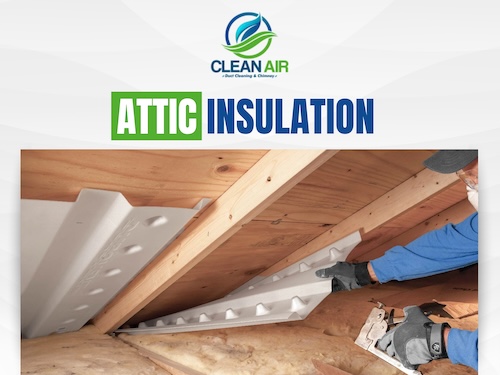
Table of Contents
Attic Insulation In Atlanta by Clean Air Duct Cleaning
Get Attic Insulation In Atlanta from Clean Air Duct Cleaning and Chimney. Improve comfort, cut energy loss, and book a fast in home estimate today

Attic Insulation

Attic insulation reduces heat transfer through your ceiling, helping your home stay more comfortable year round. Clean Air Duct Cleaning & Chimney handles Attic Insulation in Atlanta with a practical, home focused approach, from checking airflow and existing insulation to improving coverage where energy loss usually starts. Attic insulation in Atlanta can also support cleaner indoor air when dust pathways are reduced.

Attic insulation is about keeping the air you paid to heat or cool where it belongs. Your attic is often the biggest open window in the house, even when the windows are shut. In summer, a hot attic pushes heat down into rooms below. In winter, warm indoor air rises and slips out through gaps in the ceiling line.

Attic insulation slows that heat movement. It also helps your HVAC system cycle more normally, which can reduce hot and cold spots. If you have ever said, Why is the upstairs always hotter, you are already thinking about attic insulation. The good news is that many homes in Atlanta, Georgia can see noticeable comfort changes once the attic is addressed.

Need Help? Call Clean Air Duct Cleaning & Chimney Near You

How attic insulation helps comfort and HVAC performance

Attic insulation helps most when it is paired with smart air sealing and airflow checks. Insulation is not magic fluff that fixes everything by itself. If your attic has air leaks, insulation can get bypassed by moving air. If your attic ventilation is off, moisture and heat can build up and affect insulation performance.

Because our business is built around air movement in homes, we look at how your attic connects to your ductwork, returns, and ceiling openings. If your ducts run through unconditioned space, it may also make sense to review duct leakage testing or plan for air duct repair so your system is not losing conditioned air into the attic.

You will get clear feedback, not a sales pitch

If something should be handled by another trade, we will tell you.

Warning signs your attic insulation is not doing its job

Many Atlanta homes show the same warning signs when attic insulation is not doing its job. If insulation is thin, uneven, or dirty, comfort and efficiency usually suffer. Some signs are obvious, and some are sneaky. If you are also dealing with dust buildup, pairing insulation work with air duct cleaning can be worth discussing.

Look for these common issues

  1. Rooms that will not hold a steady temperature
  2. Upstairs bedrooms that feel stuffy in summer
  3. HVAC running longer than you expect for mild weather
  4. Cold floors in winter above garages or bonus rooms
  5. Dust that returns quickly even after cleaning
  6. Musty attic odors, especially after rain
  7. Uneven insulation depth, with bare spots showing ceiling drywall

Have you peeked into your attic lately. If not, you are not alone. Most people only go up there when something goes wrong, like a leak or a critter that decided your attic looked like a condo. If you suspect animals have been up there, start with animal removal before adding or repairing insulation.

Common causes of low insulation performance

Low insulation, compression, and gaps are the most common reasons performance drops. Insulation problems usually come down to coverage and condition. Even decent material can fail if it is installed poorly or disturbed over time. When attic dust and debris are part of the problem, a camera inspection can help document what is going on in hard to see areas.

Here are a few causes we see often around Atlanta

  1. Settling and compression Loose fill can settle, and batts can get smashed by storage or foot traffic
  2. Air leaks at the ceiling line Gaps around light fixtures, pipes, wiring holes, attic hatches, and top plates let conditioned air escape
  3. Older insulation that is dirty or matted Dust and moisture can reduce how well insulation resists heat flow
  4. Bathroom fan or dryer vent issues Warm, moist air belongs outside, not in the attic. If a vent is not moving air correctly, consider dryer vent inspection and, when needed, dryer vent repair
  5. Duct issues in the attic Leaky ducts can dump conditioned air into the attic, forcing the system to work harder. This is often addressed through air duct maintenance
  6. Past work that left gaps Electricians, plumbers, and cable installers may leave openings behind

If you store boxes in the attic, insulation may be flattened under plywood paths. That can create stripes of under insulated ceiling, which often match up with the always hot rooms below.

What we check during an attic insulation evaluation

A basic attic insulation check focuses on depth, coverage, and air movement pathways. An attic inspection does not need to be complicated to be useful. What matters is knowing where heat and air are moving and why. When airflow issues show up, we may recommend a follow up with air duct testing to confirm what the system is doing under real conditions.

During a typical evaluation, we look at

  1. Insulation type and condition Loose fill, fiberglass batts, mixed materials, or areas that are missing
  2. Depth and coverage Whether it is even, and whether it reaches tight corners
  3. Attic hatch or pull down stairs These are common leakage points
  4. Ventilation layout Intake and exhaust balance, blocked soffits, and signs of heat buildup
  5. Moisture clues Staining, damp insulation, or odors that suggest a venting problem
  6. Duct location and obvious leakage Tears, loose connections, or disconnected runs

We keep the conversation simple. You should leave with a clear plan, not a list of mystery terms.

Our step by step process for attic insulation work

Our attic insulation visit follows a step by step process that keeps your home clean and organized. You should know what is going to happen in your home and why. We stay focused on practical improvements and clean work habits. If duct layout and airflow are part of the comfort issue, we can also discuss duct balancing so rooms heat and cool more evenly.

Need Help? Call Us For Air Duct Services!

Here is what a typical visit looks like

  1. Walk through and questions We ask what rooms feel uncomfortable, how long the issue has been happening, and whether you have had roof leaks or moisture problems
  2. Access check We locate attic access, confirm safe entry, and protect the area below
  3. Attic inspection We check insulation coverage, depth, air leak areas, and ventilation signs
  4. Photo notes We document key areas so you can see what we see
  5. Plan and options We explain what needs attention now and what can wait
  6. Work area setup We stage materials and keep foot traffic controlled
  7. Insulation work We improve coverage, address problem areas, and avoid blocking ventilation paths
  8. Final review We show completed areas and share what to watch for next

If you are thinking, My attic is cramped and full of nails, you are right to be cautious. Attics can be awkward. They can also be full of surprises that no one enjoys stepping on.

Attic insulation options for Atlanta homes

Attic insulation options depend on your attic layout, existing material, and how you use the space. Not every attic needs the same approach. Some homes need more insulation depth. Others need better coverage at the edges. Some need air sealing support so insulation can work correctly. If indoor air concerns are part of the reason you are calling, pairing insulation improvements with a UV air purifier can be a helpful next step in some homes.

Common insulation approaches

  • Loose fill insulation Good for covering wide attic floors and getting into irregular spaces
  • Batt insulation Often used in specific areas, around framing bays, or where it matches existing construction
  • Targeted insulation repair Adding material where it is missing or disturbed, without overworking areas that are fine
  • Attic hatch insulation improvements Sealing and insulating the access point so it is not a big leak

Loose fill insulation

Loose fill insulation is a strong fit for many Atlanta attics because it covers gaps better than patchy batts. Loose fill can help reduce the striped effect where batts do not meet cleanly or where framing creates hard to reach areas. It can also be easier to bring coverage up evenly across the attic floor. When the system is losing air into the attic, it may also be time to consider air duct replacement in the sections that are failing.

It still needs to be installed with care. Depth should be consistent, and vents should remain clear. We also avoid burying junction boxes that need access.

Batt insulation

Batt insulation can work well when it is correctly placed and not squeezed. Batts only perform as intended when they fit the cavity and stay fluffy. Gaps, folds, and compression reduce performance. If the attic is used for storage, we can talk through safer storage options that do not crush insulation.

If your attic has batts that are old, missing, or shifted, targeted corrections can help. If you are already planning broader home improvements, we can also coordinate with air duct installation planning when duct routing and attic access overlap.

Air sealing support

Air sealing is often the missing piece that helps insulation feel worth it. Air sealing focuses on stopping uncontrolled air movement at the ceiling line. Think plumbing penetrations, wiring holes, open chases, and attic access gaps. You do not need to seal every tiny crack to get improvement. The best results often come from addressing the big pathways first.

Common areas to seal include

  1. Attic hatch framing gaps
  2. Recessed light openings where appropriate
  3. Plumbing stacks and vent pipe penetrations
  4. Top plates over interior walls
  5. Chases around chimneys or flues where allowed by code and clearance rules. If you are unsure about chimney areas, start with a chimney inspection
Safety note

Clearances around heat producing components matter. If something is hot or could get hot, do not pack insulation against it.

Ventilation and moisture considerations in Georgia

A good insulation job keeps ventilation paths open and avoids moisture traps. Attic moisture is not something you want to ignore. In GA, humid air can find its way into attics through leaks and poor venting. If you suspect microbial growth or persistent odors, mold treatment may be needed before insulation performs the way it should.

If warm moist air hits cooler surfaces, it can condense. That moisture can soak insulation, reduce performance, and contribute to staining and odors.

We look for signs like
  • Damp or clumped insulation
  • Rusty nail tips on the underside of roof decking
  • Water staining that is not from a roof leak
  • Musty smells near the attic access

If we see signs of moisture, we talk through likely causes. Many times it ties back to bath fans, duct leakage, or air leaks from the home into the attic. When appropriate, we may recommend sanitization and disinfection after the source is corrected.

Cleaner indoor air and dust pathway reduction

Attic insulation can support cleaner indoor air by reducing dusty air exchange from the attic. Attics are dusty. That is normal. The problem starts when attic air freely trades places with your indoor air through ceiling gaps. When you reduce air leakage, you often reduce the pathways for dusty air to drift into living spaces.

If your ductwork runs through the attic, this matters even more. Leaks on the return side can pull in attic air and distribute it. Since Clean Air Duct Cleaning & Chimney works with airflow related services, we pay attention to these connections. If you are scheduling duct cleaning and have comfort issues, it often makes sense to discuss attic insulation too.

Are you noticing dust collecting faster in certain rooms. Do you smell attic odors when the HVAC turns on. Those are clues worth checking.

Timeline and job factors

Timeline depends on attic size, access, and how much prep is needed. Most attic insulation work moves faster when access is clear and the attic is safe to work in. Some attics are simple wide open spaces. Others are tight, low clearance, and full of obstacles. If you run into venting problems, it may also be time to review dryer vent installation when a vent needs to be routed correctly to the exterior.

Factors that can slow things down

  1. Limited access, like narrow scuttle openings
  2. Tight clearances and low roof pitch
  3. Heavy storage that blocks work areas
  4. Existing insulation that needs removal due to damage or contamination
  5. Electrical or venting issues that need attention before adding insulation
  6. Wet insulation from leaks or moisture

We will set expectations after we see the attic. If something needs to be corrected first, we will explain why, in plain language.

Clean Air Duct Cleaning & Chimney

Attic safety guidance for homeowners

Safety matters in attics because the risks are real and the space is unforgiving. Attics can have exposed nails, low visibility, and unstable walking surfaces. Ceiling drywall will not hold your weight. Stepping between joists can mean an unplanned visit to the room below. If you are unsure about mechanical and venting conditions, scheduling a camera inspection can reduce guesswork.

If you are checking your attic yourself

  1. Walk only on framing members or solid decking
  2. Bring a good light and watch for exposed wiring
  3. Avoid touching unknown materials
  4. Keep clear of recessed lights and anything that could get hot
  5. Do not block vents with insulation

If you smell gas, see char marks, or notice wet insulation, stop and call a professional. It is not worth turning a small issue into a big one. For general guidance on insulation, you can also review building insulation.

How to prep for an attic insulation visit

You can prep in a few simple ways that help the visit go smoother. A little prep can save time and keep your home cleaner. You do not need to remodel your hallway. Just clear the basics. If the attic is dusty and you are sensitive to it, pairing with air duct maintenance can help keep the whole system cleaner over time.

Here is a short homeowner checklist

  1. Clear the area under the attic access point
  2. Move fragile items off nearby shelves
  3. Let us know about any past roof leaks or pest issues
  4. Point out rooms with comfort problems
  5. Keep pets in a separate area during the visit

If you have pull down attic stairs, check that they open fully. If the access is in a closet, clearing a path helps. No one wants to juggle tools around winter coats.

What to watch for after the work is done

After attic insulation work, watch how your home feels and note changes room by room. Comfort changes are often easiest to notice during the hottest and coldest parts of the day. You might also notice the HVAC does not run as long, or that temperature swings feel smaller. If some rooms still lag behind, it may point to distribution issues that are better handled with duct balancing.

Keep an eye on

  • Hot spots upstairs in late afternoon
  • Cold drafts near ceiling fixtures in winter
  • Musty smells after heavy rain
  • Any new bathroom moisture that seems to linger

Also check your attic access door. If it still feels drafty, that can be a sign it needs better sealing or insulation coverage. If you run ceiling fans year round to survive, you may find you do not need to lean on them as hard. You can still use them. They just stop doing all the heavy lifting.

Why Atlanta homes in Georgia often benefit from attic insulation

Atlanta homes face heat, humidity, and mixed construction styles that affect attic performance. Atlanta, GA sees long cooling seasons, strong sun, and humid weather that can stress attics. Many neighborhoods also have a mix of older homes, remodeled homes, and newer builds. That means attic conditions vary widely. If ductwork is in the attic, it can help to plan for duct leakage testing so insulation gains are not lost to air escaping the system.

A few local patterns we often see

  1. Older homes with thin insulation Upgrades were not always common decades ago
  2. Remodeled spaces Finished rooms over garages and additions may have odd insulation gaps
  3. Attics with HVAC equipment Many systems and ducts sit in the attic, which increases the value of proper insulation and air sealing
  4. Humidity issues Bath fans venting into the attic can create moisture trouble quickly

If your home has a bonus room that never feels right, the attic above it is a good place to look. If your HVAC return is pulling hard, attic leakage can bring in dust and heat. In those cases, duct repair and insulation can work together.

Why homeowners choose Clean Air Duct Cleaning & Chimney

Homeowners choose Clean Air Duct Cleaning & Chimney because we focus on airflow, comfort, and clean work habits. You want a crew that respects your home and explains things clearly. You also want someone who understands how insulation connects to air movement, ducts, and indoor comfort. If you need a broader plan for the system, we can also discuss air duct testing to support next steps.

What you can expect from us

  • Clear communication and simple explanations
  • Care around flooring, walls, and attic access areas
  • Attention to ventilation paths and common air leak spots
  • Photos and notes so you can see the problem areas
  • A practical plan based on your attic, not a generic script

If you have been putting this off because the attic feels like a hassle, you are not wrong. It is a hassle. It is also one of the most common places where comfort and energy loss start.

Attic insulation in Atlanta starts with a real look at your attic

Attic insulation in Atlanta starts with a real look at your attic, not guesses from the driveway. If you want better comfort and less wasted heating and cooling, the attic is a smart place to focus. Clean Air Duct Cleaning & Chimney provides attic insulation in Atlanta with an approach that considers insulation coverage, air leaks, ventilation, and how your ducts and home airflow work together.

Related Services

Ready to talk through your home and schedule a visit. Call (470) 706-6431 or visit our Contact Us page to book attic insulation in Atlanta, GA.

Frequently Asked Questions (FAQs)

Attic insulation helps slow heat transfer between your living space and the attic, which can support more consistent indoor comfort and improved energy efficiency.
Common signs include uneven room temperatures, higher-than-expected energy use, drafts, or visibly thin, disturbed, or compressed insulation in the attic.
Many homes use fiberglass batts, blown-in insulation, or spray foam, depending on the attic design, existing materials, and performance goals.
Yes, attic insulation can help reduce heat gain in warm months and heat loss in cold months, contributing to steadier indoor temperatures.
Insulation can help dampen some sound transmission, though results vary based on insulation type, thickness, and the home’s construction.
Air sealing is often discussed alongside insulation because air leaks can reduce overall effectiveness; a contractor can advise on general best practices for your attic.
Some insulation work can involve dust and airborne particles, so proper handling and containment practices are typically recommended during installation or replacement.
Depending on its condition and local requirements, old insulation may be left in place, topped off, or removed if it’s contaminated, wet, or significantly deteriorated.
Insulation can perform for many years, but moisture, pests, settling, and physical disturbance can reduce effectiveness over time.
Clean Air Duct Cleaning & Chimney provides attic insulation services and can discuss general options based on your home’s needs.
Why Your Home Airflow Drops When Dust Builds Up in Ducts

Why Your Home Airflow Drops When Dust Builds Up in Ducts

Your home airflow drops when dust builds up in ducts because that dust acts like…

Why Regular Chimney Sweeping Helps Keep Your Fireplace Safe

Why Regular Chimney Sweeping Helps Keep Your Fireplace Safe

A clean chimney lets smoke move out of your home, not back into your face.…

Signs Your Air Ducts Need Cleaning Before the Seasons Change in Atlanta, GA

Signs Your Air Ducts Need Cleaning Before the Seasons Change in Atlanta, GA

Your air ducts may need cleaning before a seasonal change if you notice more dust,…

How Creosote Forms and Why It Needs Removal

How Creosote Forms and Why It Needs Removal

Creosote forms when wood smoke cools inside your chimney and turns into a sticky, dark…

Dryer Vent Lint Buildup and Fire Risk, What Every Atlanta Homeowner Should Know

Dryer Vent Lint Buildup and Fire Risk, What Every Atlanta Homeowner Should Know

Lint buildup in a dryer vent raises fire risk because it blocks airflow. When hot…

Why Annual Chimney Inspections Protect Your Fireplace and Home

Why Annual Chimney Inspections Protect Your Fireplace and Home

An annual chimney inspection helps you catch hidden trouble before it grows. A pro can…