
 Skip to content
 Need Chimney Flue Repair In Atlanta? Clean Air Duct Cleaning & Chimney fixes cracks liners and leaks fast with honest pricing and safer venting today
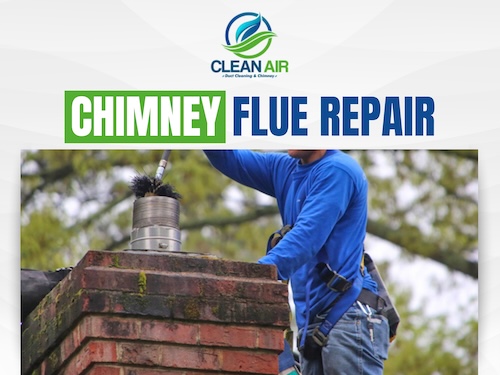
The flue is the internal passage that directs smoke and combustion gases from the fireplace or connected appliance toward the chimney opening.
Many masonry chimneys use clay flue tiles joined together with mortar. Over time, individual tiles or joints can crack, deteriorate, or separate.
Our Chimney Flue Repair in Atlanta service focuses on identifying these damaged areas and determining whether they can be repaired without replacing the entire liner system.
The correct repair depends on the location, material, and extent of the damage.
Need Help? Call Clean Air Duct Cleaning & Chimney Near You
Most of the flue is hidden inside the chimney, so damage may not be obvious from the fireplace opening.
Possible warning signs include:
These symptoms can have several causes, so they should not automatically be treated as proof that the flue needs repair.
A chimney inspection helps determine whether the problem is actually inside the flue.
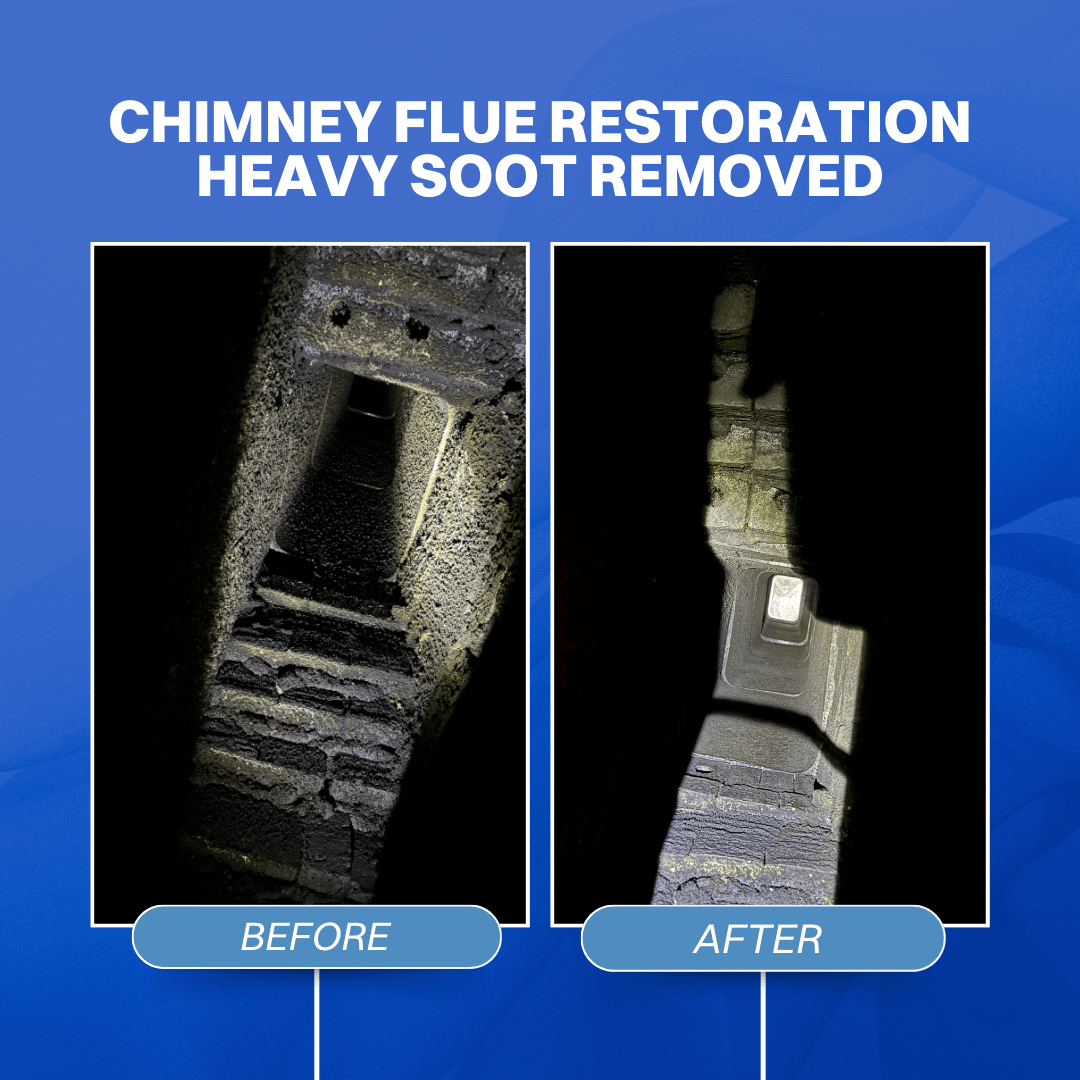
A chimney flue operates in demanding conditions.
It is repeatedly exposed to heat, combustion residue, moisture, and changing temperatures.
Damage may develop because of:
Water entering from above can be particularly damaging when the liner or joints are already weakened.
Because most flue problems occur inside the chimney, identifying the exact location matters. Our CSIA Certified Chimney Professionals evaluate accessible flue areas and look for visible conditions that may help determine where the damage is located and how extensive it may be.
We may evaluate:
When accessible viewing is not enough, a camera inspection can provide a closer look at hidden sections.
This helps separate a localized repair from a larger liner problem.
The repair depends on the flue material and condition.
Some clay flue systems develop isolated cracks while the surrounding liner remains in usable condition.
The location and extent of the crack need to be evaluated before deciding whether a targeted repair is practical.
Mortar between clay liner sections can erode or separate.
These openings interrupt the continuity of the flue and may require repair when the surrounding tiles remain suitable.
A limited damaged area may sometimes be repaired without replacing the complete liner.
This depends on whether the remaining flue is sound and the damaged section can be addressed properly.
The exposed portion of a flue tile can also deteriorate near the chimney crown.
Cracks, gaps, or damage around this area may require repair along with correction of the condition that allowed moisture inside.
Flue repair and chimney relining are related, but they are not the same service.
Flue repair is more appropriate when damage is localized and the remaining liner is still in suitable condition.
Chimney relining becomes more relevant when damage is widespread, multiple liner sections have failed, or the existing liner is no longer appropriate for the venting setup.
For example, one damaged joint may lead to a targeted repair.
Extensive cracking through several sections may lead to a different recommendation.
If the existing liner cannot reasonably be repaired, chimney relining may provide a more complete solution.
Need Help? Call Us For Chimney Flue Repair Services!
We do not start with a predetermined repair.
The first step is understanding where the defect is and how much of the flue it affects.
A typical process may include:
The goal is to repair the actual damaged section rather than treating every flue problem as a full liner replacement.
Interior flue repair may not last if water continues entering the chimney.
Possible water-entry points include:
If moisture contributed to the flue damage, the source should also be addressed.
For recurring water entry, our chimney leaks service can help identify where moisture may be entering.
Atlanta chimneys deal with heavy rainfall, humidity, seasonal temperature changes, and periods when fireplaces may go unused.
Moisture entering an older chimney can reach already weakened flue joints and tile sections.
Older masonry chimneys may also contain clay liners that have gone through years of heating and cooling.
Atlanta homes that have undergone fireplace or appliance changes can present another issue. The existing flue may have been designed for a different setup than the one currently connected.
These situations make Chimney Flue Repair in Atlanta dependent on the actual flue condition rather than age alone.
After repair, pay attention to changes in how the chimney performs.
Contact us if you notice:
A repaired flue section is only one part of the chimney system. Exterior water protection and surrounding chimney components still need to remain in suitable condition.
Flue damage is difficult for homeowners to evaluate because most of it is hidden inside the chimney.
We focus on determining whether the problem is localized or more extensive before recommending the repair.
Our approach includes:
If a focused repair is appropriate, we explain that.
If the damage is too extensive for localized repair, we explain why another approach may be more suitable.
Clean Air Duct Cleaning & Chimney provides professional Chimney Flue Repair in Atlanta for cracked flue tiles, deteriorated joints, localized liner defects, and other damage affecting the internal chimney passage.
We inspect the flue, determine how extensive the damage is, and explain whether targeted repair or a broader liner solution is appropriate.
Call (470) 706-6431 or contact us online to schedule service.
Chimney flue repair addresses damage or deterioration in the flue lining or flue structure so smoke and combustion gases can vent properly. Clean Air Duct Cleaning & Chimney provides chimney flue repair services.
Common signs include unusual odors, poor draft, smoke backing up, visible cracks or gaps in the flue area, and excess creosote buildup. A technician from Clean Air Duct Cleaning & Chimney can evaluate these concerns.
A compromised flue can affect venting performance and may allow heat, smoke, or gases to reach areas not designed for them. Chimney flue repair helps address these issues.
Flue damage can result from age, moisture intrusion, chimney fires, shifting masonry, corrosive byproducts of combustion, or improper installation.
It’s generally best to pause use until the flue is assessed, since venting issues can worsen with continued operation. Clean Air Duct Cleaning & Chimney can help determine next steps.
Depending on the condition, repairs may involve sealing minor gaps, addressing liner deterioration, relining, or correcting venting-related defects. The appropriate approach depends on the flue’s materials and damage.
Diagnosis often involves a visual evaluation and may include specialized inspection methods to check the liner condition, joints, and overall venting pathway.
Timeframes vary based on the extent of damage and the repair method used. Clean Air Duct Cleaning & Chimney can provide a general schedule after assessing the chimney.
Regular chimney maintenance, using properly seasoned fuel, keeping water out of the chimney system, and addressing minor issues early can help reduce the risk of flue deterioration.
Cleaning removes soot and creosote but doesn’t fix structural or liner damage. If issues are found during or after cleaning, Clean Air Duct Cleaning & Chimney can discuss whether flue repair may be appropriate.
 Optimized by Seraphinite Accelerator