1. Home
  2. »
  3. Chimney Installation

Chimney Installation in Atlanta, GA

Get Chimney Installation In Atlanta by Clean Air Duct Cleaning & Chimney. Safe code ready installs plus caps and liners. Call for a fast quote today
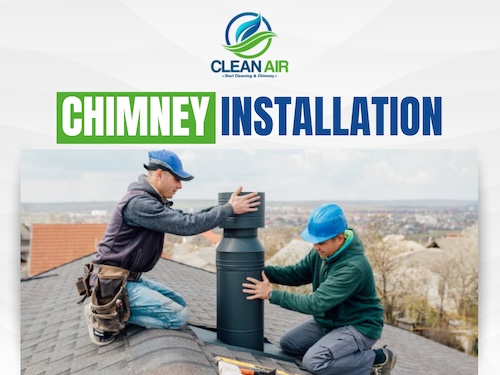
Table of Contents
Chimney Installation In Atlanta With Clean Air Experts
Get Chimney Installation In Atlanta by Clean Air Duct Cleaning & Chimney. Safe code ready installs plus caps and liners. Call for a fast quote today

Chimney Installation

Chimney installation sets up a safe path for smoke and exhaust to leave your home, and it also protects nearby framing and roofing materials. Clean Air Duct Cleaning & Chimney handles Chimney Installation In Atlanta for fireplaces, wood stoves, and inserts, with careful planning for venting, liners, caps, and code ready clearances across Atlanta, GA.

Chimney installation covers the full venting system from appliance to rooftop. A proper Chimney Installation links your fireplace or stove to a complete draft system that moves smoke outdoors and limits heat transfer to nearby materials. It can involve a masonry chimney, a factory built metal chimney, a liner inside an existing chimney, or a direct vent style setup based on the appliance.

Need Help? Call Clean Air Duct Cleaning & Chimney Near You

What chimney installation does for your home

Many homes in Atlanta have older fireplaces that were built for looks first and performance second. Some have a chimney shell with missing pieces inside. Others have a vent path that never matched the current appliance. Our job is to build or rebuild the venting system so it works the way it should, and we often start with a chimney inspection to confirm what is happening inside the system.

What does that include in plain terms

  • A vent path sized for your appliance
  • Safe clearances to wood framing and attic materials
  • A liner when needed for draft and safety
  • A chimney cap and top sealing details that block rain and animals
  • Connections that stay tight through seasonal expansion and contraction
Start with the appliance choice

Do you want to burn wood, run gas logs, or vent a stove insert. The right install starts with that answer, and if you are planning a gas setup we can also review gas appliances that fit your goals.

Quick note

If you have any doubt about draft or venting, pause on using the appliance until it is checked. Smoke and exhaust gases belong outside, not drifting through your living room.

Signs you may need a new chimney install

You may need a new chimney install when your current setup is unsafe, damaged, or mismatched. A lot of installation calls start with a simple sign something does not feel right. Smoke smells, weak draft, stains, or water marks usually mean the system is not doing its job, and a camera inspection can help confirm hidden problems.

Here are common signs homeowners notice

  • Smoke backs into the room when you light a fire
  • A strong smoky odor lingers long after the fire is out
  • Black staining around the fireplace opening
  • Bricks or mortar flaking, cracking, or falling
  • Rust on the damper, firebox, or metal components
  • Water stains on drywall near the chimney chase or ceiling
  • Birds or squirrels getting in, then throwing a house party

Sometimes the fireplace looks fine, but the inside is the problem. A chimney can be damaged or incorrectly built where you cannot see it. If moisture is part of what you are seeing, start with finding the source of chimney leaks so the new system does not get damaged again.

Common draft and safety root causes

Draft and safety problems usually come from sizing, liner failures, or water entry. Most chimney troubles trace back to a few root causes. Fixing symptoms without solving the cause leads to repeat issues. That is why we look at the full path from firebox to rooftop, and we may recommend chimney flue repair or a full relining based on what we find.

Common causes we find in the Atlanta area

  1. Wrong flue size for the appliance. A modern insert may need a different liner size than the old fireplace throat.
  2. No liner or a damaged liner. Clay tiles can crack, separate, or shift. Metal liners can corrode or come loose, which can point to the need for chimney relining.
  3. Poor termination at the top. A missing or damaged cap lets rain and animals in. Bad crown or chase cover details cause leaks, and may call for chimney cap installation.
  4. Air pressure issues in the home. Kitchen exhaust fans, bathroom fans, and tight construction can compete with the chimney draft.
  5. Firebox or smoke chamber defects. Gaps, rough transitions, or past repairs can affect how smoke moves, and may lead to firebox repair.

Water is a big deal. It is not just a little leak. Water speeds up decay, rusts metal parts, and can weaken masonry over time, which is why many installs also include chimney waterproofing when it fits the structure.

What to expect during our chimney installation visit

Our chimney installation visit starts with a site check, then a clear plan for the right venting path. A good install begins before anyone lifts a tool. We look at the appliance, the structure, and the vent route. Then we explain what makes sense for your home, not what is easiest for us, often alongside a chimney inspection when needed.

Need Help? Call Us For Air Duct Services!

Here is what you can expect from Clean Air Duct Cleaning & Chimney

  1. Walk through and goals. What are you installing, and how do you plan to use it.
  2. Measurements and vent route review. We check height, roofline, attic path, and nearby framing.
  3. Existing chimney evaluation. If a chimney is already there, we check condition, access, and liner needs, including whether chimney repair is needed first.
  4. Install approach and parts review. We confirm liner type, cap style, top sealing details, and connection points.
  5. Job protection and work area setup. We keep soot and debris controlled and protect nearby flooring and furniture.
  6. Installation and connection. We assemble and secure components, then verify fit and alignment.
  7. Final checks. We confirm the system is stable, vent path is correct, and termination is secure.

You will get straight answers. If we see an issue outside the project scope, we tell you. No mystery language. No smoke and mirrors, unless the fireplace is doing its job. If buildup is part of the concern, we may suggest creosote removal or a sweep before the new setup is put into regular use.

Chimney installation options for Atlanta homes

Chimney installation options depend on your appliance, your structure, and your existing chimney. There is no single standard install that works for every home in Atlanta, Georgia. The right choice depends on what you are venting and what you already have, and sometimes the best next step is chimney replacement when the existing structure is beyond practical repair.

Chimney liner installation

A chimney liner install is often the best path when the chimney shell is usable. A liner routes smoke through a smooth, correctly sized passage. Liners also protect surrounding masonry and help improve draft. If your current flue tiles are cracked, oversized, or missing, a liner may be the needed fix, and we may treat it as a chimney relining project depending on what exists today.

Liner work often pairs with

  • Top plate and rain cap
  • Insulation options where needed
  • Proper connection at the appliance collar or insert

A liner does not fix every problem, but it solves many common venting failures. If the flue is also dirty or restricted, pairing the work with chimney flue cleaning can help the system draft the way it should.

Factory built metal chimney installation

A factory built metal chimney install is common for stoves and some fireplace setups. Metal chimney systems are designed components that connect from the appliance up through the house and roof. They rely on correct clearances and correct assembly. Small mistakes here can create big risks, and we also verify top termination details similar to a chimney cap replacement when the existing cap is not reliable.

We pay close attention to

  • Support boxes and attic insulation shields
  • Firestops through floors and ceilings
  • Flashing and storm collar at the roof
  • Termination height and cap security

If you have ever seen a crooked chimney pipe on a roof, you know why careful layout matters.

New masonry chimney build

A new masonry chimney build may be needed when there is no existing chimney or it is beyond repair. Some homes need a full rebuild because the structure is failing, the firebox is unsafe, or the old chimney was not built correctly. Masonry work requires solid planning around footing support, wall tie ins, and weather protection at the top, and it often overlaps with chimney rebuilding when an existing structure is being restored.

This option may also include

Function first and then cosmetics

We will talk through what is necessary for safe function and what is cosmetic, including whether targeted chimney brick repair makes sense or a larger rebuild is the better path.

Chimney cap and top sealing installation

A chimney cap and top sealing install protects the system you just paid to build. A cap is not decoration. It blocks rain, keeps animals out, and helps stop downdrafts that push smoke back inside. If you do Chimney Installation but ignore the top, the system can age fast.

Cap and top side parts we commonly install or replace

  • Rain cap with spark screen where appropriate
  • Chase cover on prefab chimney chases
  • Crown repair details for masonry chimneys
  • Sealed top plate for liner systems

If you have heard scratching in the chimney, you already know why caps matter. In some cases we also recommend bird guard installation to help stop repeat animal entry.

Liner and cap selection guide

Liner and cap choices come down to draft needs, moisture control, and long term durability. The materials and shapes are not random. They are selected to match the appliance and the vent path. A mismatched liner can draft poorly and collect creosote faster, which is why we may recommend ongoing chimney sweep service for certain burning habits.

Simple comparison

ComponentCommon OptionsBest Used WhenMain Concern
LinerStainless steel, aluminum, clay tileInserts, stoves, relines of older chimneysCorrect sizing and proper connections
CapStandard rain cap, cap with screen, custom top plate capAny chimney that needs rain and animal protectionFit, secure mounting, and corrosion resistance

We will explain why a specific option fits your setup. If you like to know why, you will like our process, and we will also share when a custom chimney cap is useful for odd sizes or special top conditions.

Clean Air Duct Cleaning & Chimney

Timeline and scheduling factors

A typical chimney install can take a day, but access and repairs can stretch the schedule. Most straightforward installs are done in a single visit. If we need masonry repairs, custom top work, or complex roof access, it can take longer. Weather can also affect roof work in Atlanta, and when water entry is part of the story we may coordinate with chimney flashing repair and replacement planning.

What can slow a Chimney Installation job

  1. Roof pitch and height. Steeper roofs take more setup and safety steps.
  2. Attic access. Tight framing or blocked paths can add labor.
  3. Hidden damage. Water entry often causes issues you do not see until teardown.
  4. Appliance changes. A last minute switch from one stove model to another can change vent sizing.
  5. Permit and inspection timing. Some projects require local sign off depending on scope.

If your home is older, plan for surprises. Old houses are full of charm, and also full of creative past repairs.

Safety guidance for homeowners

Safety depends on clearances, correct venting, and knowing when not to use the fireplace. Fireplaces and stoves are safe when the system is built right and kept in good condition. They are risky when parts are missing, damaged, or improvised, and routine checks like a fireplace safety inspection can help you stay ahead of problems.

Stop using the fireplace or stove and call a pro if you notice

  1. Smoke spilling into the room
  2. A strong exhaust smell, especially if you feel headaches or nausea
  3. Loose bricks, fallen tiles, or new cracks near the firebox
  4. Water dripping into the firebox or rust flakes dropping down
  5. Loud popping, banging, or a freight train sound in the flue

If you suspect a chimney fire, treat it as urgent. Do not try to wait it out. For background on creosote and chimney fires, see creosote.

How to prepare for installation day

You can prep for installation by clearing space and sharing appliance details upfront. A little prep makes the day smoother and keeps the project moving. You do not need to do anything technical. We handle the technical part, including any follow up work like fireplace repair if we find a related issue during the project.

Before we arrive, please

  1. Clear a path to the fireplace or stove area.
  2. Move breakables off the mantle and nearby shelves.
  3. Keep pets in a separate room. Curious paws and tools do not mix.
  4. Share appliance specs if you have them. Model numbers help with vent planning.
  5. Tell us about past issues. Smoke smell, leaks, and draft problems matter.
Helpful detail

Have you had roof leaks near the chimney before. Tell us. That clue saves time.

After installation habits that help draft and reduce odors

After installation, smart habits keep the system working and reduce soot and odors. A new install is a great start, but daily use matters too. Burning habits and moisture control affect draft and buildup, and when needed we can recommend follow up service like chimney flue cleaning to keep the vent path performing.

Good practices for homeowners

  • Burn seasoned firewood. Wet wood smokes more and builds creosote faster.
  • Use the right fuel for the appliance. Do not burn trash, painted wood, or glossy paper.
  • Watch for water stains after heavy rain. Chimney tops take a beating.
  • Keep the area around the fireplace clean so you notice changes early.
  • If you see white staining on masonry, ask about moisture entry.

If you ever smell smoke on days you are not burning, that is a signal. Something is drifting back down or leaking from the system, and scheduling a chimney inspection can help pinpoint the cause.

Atlanta specific chimney challenges

Atlanta homes bring specific chimney challenges like humidity, storm rain, and mixed construction styles. Atlanta, GA weather can be tough on chimneys. Warm, humid seasons can speed up rust and moisture issues. Heavy storms test caps, flashing, and chase covers. Then winter cold snaps show up and suddenly draft issues become obvious, which is why we often combine installation planning with chimney waterproofing or targeted leak prevention.

Local situations we often see

  1. Prefab fireplace chases with worn chase covers. Water entry can be steady and quiet.
  2. Older masonry chimneys with crown cracks. Small cracks let in a lot of water over time.
  3. Renovated interiors with tighter airflow. New windows and insulation can change pressure and draft.
  4. Creosote buildup from low, slow burns. Many people damp down fires to make it last, then draft suffers.

If your home has had remodel work, mention it. Venting is not only about the chimney. It is also about how the house breathes, and if airflow changes are part of the picture we can also discuss air duct cleaning and related indoor air quality factors.

Why homeowners choose Clean Air Duct Cleaning & Chimney

Homeowners choose Clean Air Duct Cleaning & Chimney because we connect chimney work to indoor air quality. Chimney problems affect more than fire safety. They can also affect odor control and air movement inside the home. As an air duct cleaning service, we pay attention to how air flows through the whole house, including support work like air duct testing when airflow issues overlap with venting problems.

What you can expect from our team

  • Clear explanations without jargon
  • Careful attention to vent route and roof details
  • Practical recommendations that match how you use the fireplace or stove
  • A clean work area and respectful service
We do not rush the planning step

A chimney is not the place for guesswork. If you are also improving home comfort and air movement, we can point you to services like duct balancing that support consistent airflow through the home.

Chimney Installation In Atlanta

Chimney installation is the right move when you want a safer, cleaner draft and a system that matches your appliance. If you are upgrading a fireplace, adding a stove, fixing a failed flue, or rebuilding a damaged chimney top, we can help. Clean Air Duct Cleaning & Chimney provides Chimney Installation In Atlanta that focuses on correct venting, liners, caps, and solid workmanship that fits your home, and we can also coordinate related work like chimney repair when needed.

Ready to talk through your setup and next steps. Call (470) 706-6431 or visit our homepage.

Next steps and what to share

Chimney Installation In Atlanta starts with a quick conversation about your fireplace and venting goals. Tell us what you have, what you want to install, and what problems you have noticed. We will help you sort out what is needed for a safe install and what can wait, and we may recommend a chimney inspection first if the current vent path is uncertain.

If you have photos of the fireplace, the damper area, and the chimney top from the ground, those can help too. And yes, we agree. Roof photos are better taken from the ground unless you already live on a ladder.

Related Services

To schedule chimney installation in Atlanta GA, call (470) 706-6431 or use our Contact Us page to share your fireplace details and preferred appointment times.

Frequently Asked Questions (FAQs)

Chimney installation generally includes planning the location, selecting compatible materials, assembling the chimney system, and connecting it safely to the appliance or fireplace according to local codes.
Yes, chimneys can often be added to existing homes, but the approach depends on the home’s layout, roofline, and the type of heating appliance being vented.
Many areas require permits and inspections for chimney work; requirements vary by location, so it’s best to confirm with local building authorities or your installer.
Common options include masonry chimneys and factory-built (metal) chimney systems, with the right choice depending on the appliance, venting needs, and the home’s structure.
Chimney sizing is typically based on the appliance’s venting specifications and the planned chimney height and configuration to support proper draft.
The chimney is the overall structure that vents exhaust, while the flue is the internal passageway that carries smoke and gases upward and out of the home.
Location is usually determined by the appliance placement, structural considerations, and safe clearance requirements, while also accounting for roof and attic routing.
Key considerations include proper clearances to combustibles, correct venting components, secure roof and wall penetrations, and adherence to manufacturer instructions and local codes.
The timeline varies depending on the type of chimney, the complexity of the route, and any structural work needed, so it’s usually determined after an on-site evaluation.
Clean Air Duct Cleaning & Chimney provides chimney installation services and can discuss general options and requirements based on your home and appliance setup.
Why Your Home Airflow Drops When Dust Builds Up in Ducts

Why Your Home Airflow Drops When Dust Builds Up in Ducts

Your home airflow drops when dust builds up in ducts because that dust acts like…

Why Regular Chimney Sweeping Helps Keep Your Fireplace Safe

Why Regular Chimney Sweeping Helps Keep Your Fireplace Safe

A clean chimney lets smoke move out of your home, not back into your face.…

Signs Your Air Ducts Need Cleaning Before the Seasons Change in Atlanta, GA

Signs Your Air Ducts Need Cleaning Before the Seasons Change in Atlanta, GA

Your air ducts may need cleaning before a seasonal change if you notice more dust,…

How Creosote Forms and Why It Needs Removal

How Creosote Forms and Why It Needs Removal

Creosote forms when wood smoke cools inside your chimney and turns into a sticky, dark…

Dryer Vent Lint Buildup and Fire Risk, What Every Atlanta Homeowner Should Know

Dryer Vent Lint Buildup and Fire Risk, What Every Atlanta Homeowner Should Know

Lint buildup in a dryer vent raises fire risk because it blocks airflow. When hot…

Why Annual Chimney Inspections Protect Your Fireplace and Home

Why Annual Chimney Inspections Protect Your Fireplace and Home

An annual chimney inspection helps you catch hidden trouble before it grows. A pro can…