
 Skip to content
 Creosote Removal In Atlanta for safer fires and better draft. Clean Air Duct Cleaning and Chimney provides careful sweeping, inspections, and fast booking
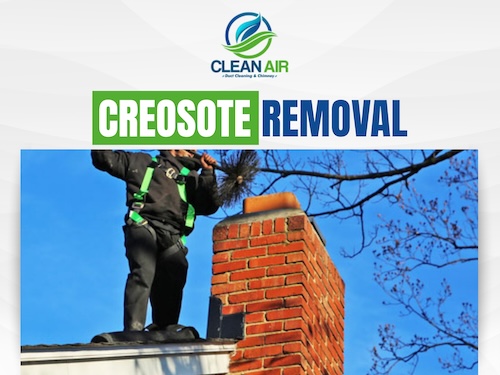
Creosote is a residue created when smoke from burning wood cools inside the chimney. It can appear as dry flakes, sticky deposits, or darker hardened buildup depending on how it develops.
Creosote removal focuses on clearing this material from the chimney’s smoke path.
Our Creosote Removal in Atlanta service is designed to remove accessible deposits while helping maintain a clearer path for smoke to leave the home.
If the buildup is heavier than normal or we notice another chimney concern during cleaning, we explain what we find and discuss the appropriate next step.
Need Help? Call Clean Air Duct Cleaning & Chimney Near You
Creosote removal clears residue that collects along the chimney flue and other accessible parts of the smoke path.
As deposits continue to build, they can narrow the space smoke uses to move through the chimney. Removing this buildup helps restore a cleaner venting path and reduces the amount of combustible residue inside the system.
The service may include cleaning accessible areas such as:
The exact cleaning process depends on the amount and condition of the buildup.
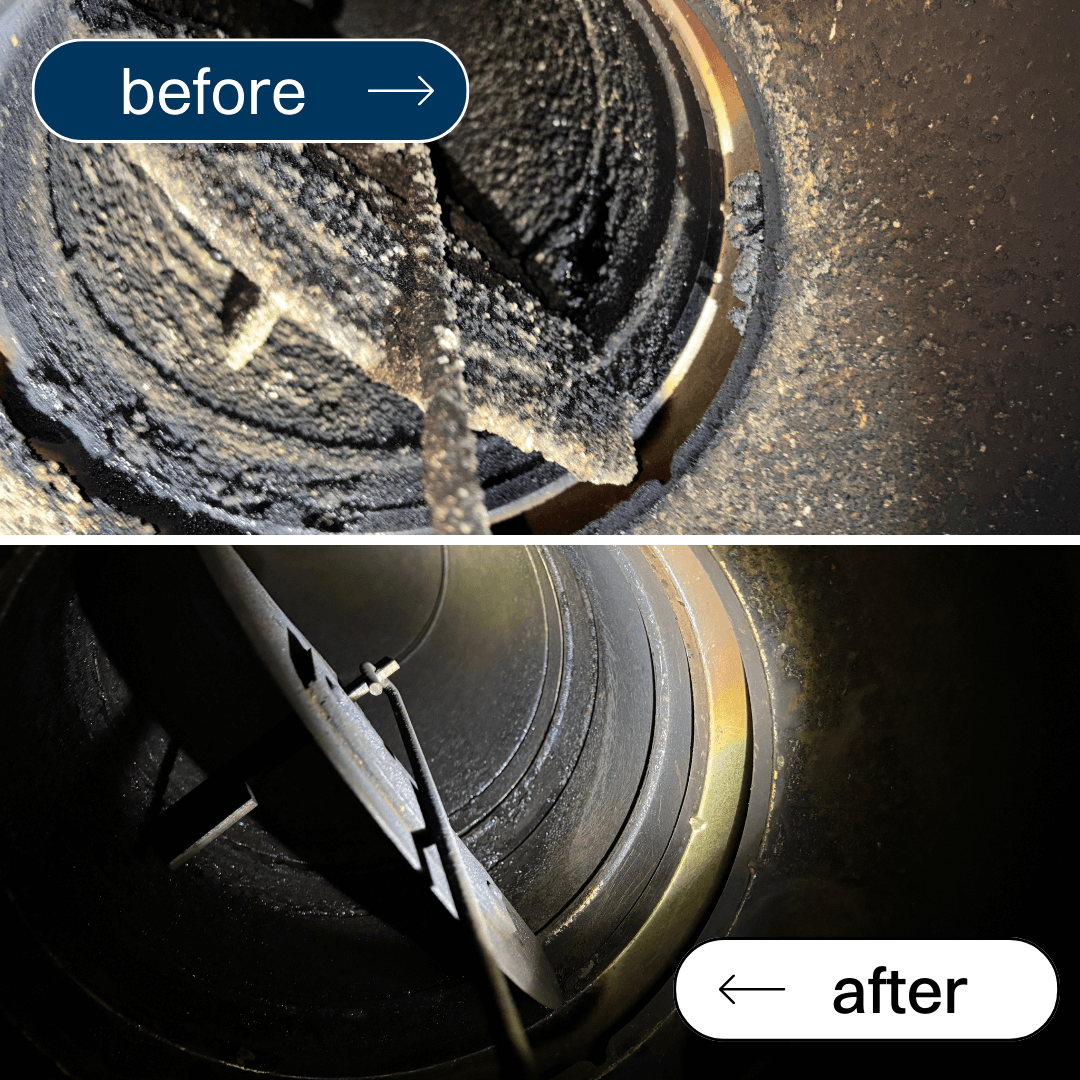
Creosote buildup often creates noticeable changes before homeowners realize what is happening inside the chimney.
A chimney may begin producing stronger odors, dropping black flakes, or drafting differently than it did before.
These signs can come from creosote, soot, blockage, or another chimney condition.
If smoke or draft problems continue after cleaning, a chimney inspection may help identify another cause.
How a wood fire burns has a direct effect on how quickly creosote develops.
When smoke cools before leaving the chimney, more residue can stick to the flue walls.
Several conditions can contribute to faster buildup:
The amount of buildup can vary significantly from one chimney to another.
That is why cleaning should be based on the actual condition of the system rather than assuming every chimney develops creosote at the same rate.
Creosote does not always look the same.
Some deposits are light and flaky, while others become sticky, thick, or hardened over time.
| Buildup type | What it looks like | Common effect | Removal focus |
|---|---|---|---|
| Light soot | Dry, powdery, flaky | Draft slows and odors linger | Standard sweeping and contained cleanup |
| Sticky creosote | Dark, tacky, shiny areas | Faster buildup and heavier restriction | More intensive brushing and controlled removal |
| Glazed creosote | Hard, smooth, tar-like | Higher risk during high-heat fires | Step-by-step removal based on access and condition |
The type and amount of buildup affect how the chimney should be cleaned.
If deposits are unusually heavy, the cleaning process may require additional attention rather than a basic sweep.
Need Help? Call Us For Creosote Removal Services!
You do not need to wait until heavy buildup becomes obvious.
Creosote removal may be appropriate when:
Scheduling service before heavier seasonal use can help remove existing buildup before the chimney is used more frequently.
Our creosote removal process focuses on cleaning the smoke path while keeping the surrounding area protected. Our CSIA Certified Chimney Professionals begin by asking whether you have noticed smoke, odors, falling debris, or changes in draft.
We then prepare the work area and assess accessible chimney components before cleaning.
If we notice damage inside the flue that cleaning cannot correct, further evaluation for chimney flue repair may be appropriate.
Atlanta’s humidity, rainfall, mature trees, and seasonal chimney use can all affect chimney conditions.
Many chimneys remain unused for months during warmer weather. During that time, old creosote stays inside the flue while leaves, debris, or nesting material may collect around the chimney opening.
Humidity can make existing creosote odors more noticeable. A chimney that smells normal during dry weather may produce a much stronger smoky odor during damp conditions.
Rain can also make odor problems worse when moisture enters the chimney and mixes with existing soot or creosote.
Scheduling Creosote Removal in Atlanta before regular seasonal use gives homeowners an opportunity to clear buildup and identify obvious blockages before the chimney sees heavier use.
Preparing for creosote removal only requires a few simple steps.
The main goal is to make sure the chimney has cooled completely and the technician has clear access to the work area.
Providing these details helps us understand what you have been experiencing before cleaning begins.
After creosote removal, pay attention to how the chimney performs during future use.
You should not continue seeing large amounts of loose flakes or debris falling into the firebox.
Watch for:
If the original problem continues after the buildup has been removed, another chimney condition may need to be evaluated.
Cleaning removes the buildup that is already there. How the chimney is used afterward can affect how quickly deposits return.
A few habits can help reduce unnecessary buildup:
These habits will not eliminate creosote completely, but they can help reduce how quickly heavy deposits develop.
Atlanta homeowners call Clean Air Duct Cleaning & Chimney when they want clear answers and professional chimney service without unnecessary complications. Our chimney team includes a CSIA Certified Chimney Sweep®, and we focus on the condition of the chimney and the buildup that actually needs to be removed.
If routine cleaning is enough, we explain that. If we notice something that may require additional attention, we explain what we see and why it matters.
When you schedule creosote removal with our team, you can expect:
Our goal is to complete the service you called for and give you useful information about the condition of your chimney.
Clean Air Duct Cleaning & Chimney provides professional Creosote Removal in Atlanta for visible buildup, smoky odors, falling flakes, poor draft, and routine chimney maintenance.
We remove accessible creosote and soot, protect the surrounding work area, and check for visible conditions that may require further attention.
If your chimney has not been cleaned recently or you are noticing signs of buildup, our team can help.
Call (470) 706-6431 or contact us online to schedule service.
Creosote is a tar-like byproduct of burning wood that can condense on cooler chimney surfaces, especially when fires burn low and smoky.
Removing creosote helps reduce buildup that can restrict airflow and contribute to chimney performance and safety concerns over time.
Common signs include a strong smoky odor, darker residue inside the firebox or flue area, and reduced draft, though a professional evaluation is the best way to confirm.
Frequency depends on how often you use your fireplace or wood stove, what you burn, and how you operate it; many homeowners schedule periodic maintenance based on usage.
It generally includes brushing and cleaning accessible chimney and flue areas to remove soot and creosote deposits, along with basic cleanup of the work area.
Some light soot can be addressed with proper tools and precautions, but creosote removal can be challenging and is often handled by trained professionals to avoid damage and missed deposits.
These products may help reduce some deposits in certain situations, but they typically don’t replace professional cleaning when buildup is present.
Fireplaces, wood stoves, inserts, and other wood-burning appliances can all develop creosote in the flue or connector pipe under certain burning conditions.
Burn properly seasoned wood, maintain adequate airflow, avoid long smoldering fires, and follow the appliance manufacturer’s operating guidance.
Clean Air Duct Cleaning & Chimney provides creosote removal service and can help you schedule general chimney maintenance.
 Optimized by Seraphinite Accelerator