1. Home
  2. »
  3. Gas Fireplace Installation

Gas Fireplace Installation in Atlanta, GA

Get Gas Fireplace Installation In Atlanta from Clean Air Duct Cleaning & Chimney. Safe setup, clean work, quality parts. Call today to book service
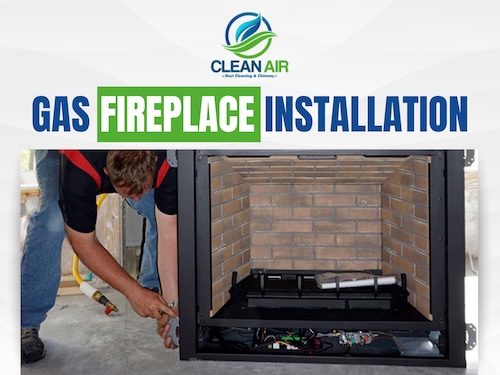
Table of Contents
Gas Fireplace Installation In Atlanta by Clean Air Duct
Get Gas Fireplace Installation In Atlanta from Clean Air Duct Cleaning & Chimney. Safe setup, clean work, quality parts. Call today to book service

Gas Fireplace Installation

Gas fireplaces add steady heat and an easy on and off option without hauling wood. Clean Air Duct Cleaning & Chimney handles Gas Fireplace Installation In Atlanta with careful planning, safe connections, clean work habits, and clear next steps for your home in Atlanta, GA. Call (470) 706-6431 or visit our homepage.

This service covers planning, setup, and safe startup of your new gas fireplace.

Need Help? Call Clean Air Duct Cleaning & Chimney Near You

What Gas Fireplace Installation Includes

Gas Fireplace Installation is the process of placing the unit, connecting fuel and venting, and confirming the system runs safely. Some homes need a simple insert into an existing fireplace. Others need a new direct vent unit, a gas line extension, or a new chase and termination location.

We focus on clean, practical work that fits your home’s layout and how you plan to use the space. Are you trying to heat a family room most evenings, or do you mainly want the look of a fire for gatherings. That answer changes the best setup.

Operation and care basics

A proper install also includes basic education on operation and care. If a unit is installed but no one knows how to shut it down quickly, that is not a good day.

Quick note for GA homeowners

In Georgia, the airflow plan matters in tight newer homes since fire needs oxygen and the home should not have to guess where that air will come from.

When You May Need a New Gas Fireplace

You may need a new gas fireplace when your current setup is unsafe, inefficient, or hard to use. A fireplace should feel relaxing, not like a science project. If you are dealing with constant issues, a new unit or a corrected installation can make a big difference.

Common signs homeowners call us include

  1. Your existing wood fireplace drafts poorly or smokes up the room and a fireplace safety inspection may be needed
  2. The current gas log set smells odd, clicks, or will not stay lit and you may need gas fireplace repair
  3. Your old insert is rusted, noisy, or has damaged glass and fireplace repair may be the right next step
  4. The fire looks weak even with the control turned up and a pilot system repair check may help
  5. You see soot stains around the opening or on nearby walls and gas fireplace cleaning may be needed
  6. You want easier heat without storing wood or cleaning ash and a fireplace conversion may make sense

Some problems come from the appliance. Others come from venting or gas supply. We sort that out before any major decisions.

Common Causes of Fireplace Problems in Atlanta Area Homes

Many fireplace problems come from venting mistakes, gas supply issues, or a bad fit for the space. A gas fireplace is a system. If one part is off, the whole experience suffers.

Here are common causes we see

  1. Wrong venting type for the unit. Direct vent, B vent, and vent free units each have rules and limits and a gas chimney inspection can clarify the safest path
  2. Undersized or oversized appliance. Too small leaves you disappointed. Too large can overheat a room fast and options like fireplace inserts may fit better
  3. Poor placement. A unit jammed into a tight corner can restrict airflow and access for service and planning should include future fireplace tune-up needs
  4. Gas line sizing issues. Long runs, too many fittings, or shared appliances can reduce flow and we may review nearby gas appliances demand
  5. Old chimney problems. Cracked flue tiles, missing caps, or water damage can affect inserts and liners and may require chimney repair
  6. Negative pressure indoors. Strong kitchen fans, tight windows, or HVAC returns can fight the draft and improvements like duct balancing can help overall air movement

If your home is newer and sealed up tight, the airflow plan matters even more. Fire needs oxygen. Your home should not have to guess where that air will come from.

Our Site Check and Planning Visit

Our visit starts with a site check so the plan matches your fireplace, chimney, and room layout. We begin by looking at what you have and what you want. Then we match the unit and venting approach to the site conditions. If you already bought a fireplace, we will confirm it fits your space and vent path before work begins. For hard to see areas, a camera inspection can help confirm conditions.

During a typical visit we focus on

  1. Location and clearances. We confirm safe spacing from combustibles, trim, and flooring and align with a fireplace safety inspection mindset
  2. Fuel source. We identify natural gas or propane and where the line will tie in and review relevant gas appliances
  3. Venting route. We review the chimney path or direct vent route to an exterior wall or roof and may recommend chimney inspection when needed
  4. Electrical needs. Many units need power for blowers, lights, or ignition and we plan the setup alongside the overall fireplace installation scope
  5. Access and serviceability. We plan for future maintenance, not just installation day and discuss ongoing air duct maintenance habits that support cleaner airflow in the home

We also keep your home clean. We use drop protection and tidy up as we go. Fireplaces bring enough mess on their own. The install should not add to it.

Types We Install Based on What Your Home Can Support

We install inserts, direct vent units, and gas log setups based on what your home can support. The right type depends on your goals, your existing fireplace, and venting options. We will talk through the pros and tradeoffs in plain language, including options like chimney inserts when that approach matches the site.

Gas fireplace inserts

Gas fireplace inserts are a strong option when you already have a masonry fireplace. An insert fits into an existing wood burning fireplace opening. It gives you a sealed firebox and controlled flame, often with better comfort than open wood burning.

Inserts can be a good fit if you want

  1. A cleaner look than old gas logs and alternatives like gas log sets
  2. More usable heat in the room with the benefits of fireplace inserts
  3. Less draft and less cold air falling down the chimney and possible follow up with chimney flue repair if needed

If the existing chimney needs a liner or other updates to support safe venting, we address that before startup and may recommend chimney relining.

Need Help? Call Us For Air Duct Services!

Direct vent gas fireplaces

Direct vent gas fireplaces are a smart choice for many remodels and new placements. Direct vent units pull combustion air from outside and send exhaust outside through a sealed vent. That helps with indoor air quality and predictable performance.

Direct vent is often chosen when

  1. You do not have a usable chimney and need a plan similar to chimney installation without relying on an old flue
  2. You want to add a fireplace to a new wall location and are considering custom fireplaces
  3. You want consistent flame behavior without relying on indoor air and may also consider UV air purifier options for the home

We confirm the vent route and termination location so the system runs right and looks clean on the exterior and we can address moisture risks with chimney waterproofing when applicable.

Gas log sets

Gas log sets can work in some fireplaces, but they need correct sizing and a safe chimney. Gas logs can be simple and attractive, but they are not plug and play. The chimney and damper setup matter, and the room needs proper airflow.

If you are considering logs we will help you think through

  1. Vented vs vent free options based on the space and what is appropriate for gas log sets
  2. Chimney condition and draft behavior and whether chimney flue cleaning is needed
  3. The look you want from a small flame to a fuller fire and how fireplace accessories may support that finish

A good log set should not leave you guessing if something smells off.

The Installation Process

The installation process follows a clear sequence so nothing gets skipped. A safe install is about steps and checks. We follow a structured process so the last step is not hope it works. For broader system context, we also consider how household airflow and air duct testing can affect comfort in the room.

Here is what the work commonly includes

  1. Protect floors, nearby furniture, and walk paths
  2. Verify measurements, clearances, and vent plan
  3. Set the unit or insert in place and confirm level
  4. Route and connect venting per the unit requirements
  5. Run or connect the gas line and shutoff in an accessible location
  6. Connect electrical needs if the unit requires power
  7. Install facing, trim, or finishing components as planned including options like fireplace refacing
  8. Perform startup, flame check, and basic safety checks aligned with fireplace safety inspection priorities
  9. Review operation with you and answer questions

If we find a site issue that changes the plan, we stop and talk it through. No one likes surprise changes, so we keep the decision point with you.

Compare Common Options for Atlanta Homeowners

This simple table helps compare common options for Atlanta homeowners. Gas fireplaces are not one size fits all. Here is a quick way to compare typical choices, and we can also discuss fireplace inserts and related venting needs.

OptionBest when you haveWhat homeowners likeMain planning point
InsertExisting wood fireplace and chimneyCleaner heat and sealed doorChimney venting path and condition
Direct ventNo chimney or new wall locationConsistent performance and sealed systemExterior vent termination location
Gas logsExisting open fireplaceTraditional look, simple useDraft, damper setup, and airflow needs

We will guide you based on your home, not on what is easiest to sell or fastest to install. When the existing chimney is involved, we may recommend chimney cap installation to help protect the system from weather and debris.

How Long Installation Takes

Most installs take a single day, but venting and gas line work can add time. Many projects can be completed in one visit once the plan and materials are set. Some take longer due to the home layout or the venting route. If inspection shows an issue, related work like chimney flashing repair and replacement may be needed before startup.

Factors that can slow things down include

  1. Long vent runs or tricky termination locations
  2. A chimney that needs repair before it can be used safely such as chimney repointing
  3. A gas line that needs extension across the home
  4. Limited access behind walls, in crawl spaces, or in attic areas and we may coordinate with attic insulation plans
  5. Masonry openings that need resizing or reinforcement and may involve masonry repair

If you have a tight schedule, tell us up front. We can help you plan around other work like painting, flooring, or built ins.

Safety and When to Stop and Call

Safety comes first, and there are clear moments when you should stop and call. Gas appliances are safe when installed and used correctly. Problems usually show up when shortcuts are taken. If you need troubleshooting, gas fireplace repair is often the right next step.

Stop using your fireplace and call for help if you notice

  1. A persistent gas odor
  2. Soot buildup or dark staining around the opening and you may need gas fireplace cleaning
  3. Headaches or nausea that seem tied to fireplace use
  4. Pilot issues that repeat even after relighting and a pilot system repair check may be needed
  5. Moisture or rust forming around the unit or vent areas and possible chimney leaks investigation
  6. Unusual popping, booming, or delayed ignition

Also, do not block vents or modify the front opening on your own. The unit needs proper airflow, and the vent system needs to stay sealed and unobstructed. For general background on carbon monoxide, see carbon monoxide.

How to Prepare for Installation Day

You can prepare in a few simple ways to keep the job smooth and your home cleaner. A little prep makes the day easier for everyone. It also reduces the chance of delays. If you are also working on home air quality, consider scheduling air duct cleaning separately so each project stays focused.

Before we arrive please

  1. Clear a path from the entry to the fireplace area
  2. Move breakables from the mantel and nearby shelves
  3. Secure pets in another room
  4. Tell us about any past chimney leaks or prior fireplace issues including any prior chimney inspection results
  5. Confirm where you want the wall switch or remote receiver if applicable

Got a freshly painted wall or new flooring nearby. Let us know so we can protect those areas properly.

Clean Air Duct Cleaning & Chimney

After Installation Care

After installation, basic care keeps performance steady and helps avoid smoky surprises. A gas fireplace still needs attention. It is not high maintenance, but it should not be ignored for years. Seasonal checkups like a fireplace tune-up can help keep operation predictable.

Good habits include

  1. Keep the glass and surround clean using products meant for fireplace surfaces
  2. Do not store items against the unit or block airflow openings
  3. Watch the flame pattern. It should look steady and normal for the unit
  4. Use the fireplace regularly during the season so you notice changes early
  5. Keep the exterior vent termination clear of debris

If the unit has a blower, it may need periodic cleaning. Dust builds up fast in many Atlanta homes, especially during pollen season. Your blower should not sound like it is chewing gravel.

Atlanta Specific Factors That Affect Fireplace Choices

Atlanta homes often have chimney and airflow factors that affect fireplace choices. Atlanta, Georgia homes range from older brick fireplaces to newer builds with tight envelopes. That variety affects what type of unit works best. When a masonry chimney is part of the plan, services like chimney sweep can support safer performance.

A few local patterns we often see

  1. Older masonry chimneys. These can look fine outside while hiding flue damage or missing components inside and may need chimney relining
  2. Humidity and rain. Water entry can rust metal parts and stain masonry, especially without a proper cap and chimney cap replacement may be needed
  3. Renovations and sealed windows. Better insulation can change how a fireplace drafts and how the home balances air and duct leakage testing can help identify pressure issues
  4. Multi appliance gas loads. Tankless water heaters, ranges, and furnaces can share demand. Gas line sizing matters and we consider the full set of gas appliances

If you are in Metro Atlanta and your fireplace sits on an exterior wall, cold air infiltration can be noticeable in winter. An insert or direct vent unit can help reduce that cold chimney feel compared to an open fireplace.

Why Homeowners Choose Us

Homeowners choose Clean Air Duct Cleaning & Chimney for clear communication and clean work. You should know what is happening in your home. We explain what we see, what it means, and what the next step is. We also respect your space, keep work areas tidy, and focus on a finished result that looks right in the room. If you want to know more about the team, see About Us.

Here is what you can expect from our team

  1. Straight answers about the venting plan and any limitations and when needed a gas chimney inspection
  2. Careful attention to shutdown access, switch placement, and safe clearances
  3. A focus on safe startup checks and homeowner walk through including a fireplace safety inspection approach
  4. Coordination with chimney related needs when an insert uses the existing flue including chimney flue repair when required
  5. Clean work habits so your living room does not look like a jobsite

We are an air duct cleaning service by category, and fireplaces tie into what we care about every day. Air movement, venting, and keeping combustion products where they belong, outside. If you are improving the whole home system, air duct repair can support comfort alongside a new fireplace.

Get Help With Gas Fireplace Installation in Atlanta

If you want Gas Fireplace Installation that fits your home, we are ready to help. Gas fireplaces should be simple to use and comfortable to sit near. Clean Air Duct Cleaning & Chimney provides Gas Fireplace Installation In Atlanta with a focus on safe connections, proper venting, and a clean finished look that matches your room. If you are planning a remodel or replacing an old setup, we can help you choose a path that makes sense, including options like fireplace restoration when the existing structure needs attention.

Related Services

Call (470) 706-6431 to schedule your Gas Fireplace Installation In Atlanta, or use our Contact Us page to set up a visit.

Frequently Asked Questions (FAQs)

Gas fireplace installation typically involves gas connections, venting, and safety checks, so many homeowners choose a qualified professional. Clean Air Duct Cleaning & Chimney provides gas fireplace installation services.
Common options include inserts, built-in units, and freestanding models, with vented or vent-free configurations depending on the space and local requirements.
In many cases, a gas insert can be installed into an existing fireplace, but the chimney, firebox condition, and venting setup usually need to be evaluated first.
Vented units exhaust combustion gases outdoors through a vent or chimney, while vent-free units release heat into the room and may have additional placement and indoor air considerations.
Some models vent through an existing chimney, while others use direct venting through an exterior wall. The best option depends on the unit type and the home’s layout.
Requirements vary by location and may include permits and inspections related to gas lines and venting. A local installer can help explain what typically applies in your area.
Installation locations depend on clearances, venting routes, access to a gas supply, and room layout. An on-site assessment is often used to confirm feasibility.
Timelines vary based on the type of unit, venting needs, and whether gas lines or structural changes are required, so it’s best to plan for a flexible schedule.
Many manufacturers recommend periodic inspection and cleaning, including checking burners, pilot/ignition components, and venting to support safe operation.
Clearing the work area, providing access to the installation location, and noting any concerns about venting or existing fireplace conditions can help the process go smoothly. Clean Air Duct Cleaning & Chimney can guide you on general preparation steps.
Why Your Home Airflow Drops When Dust Builds Up in Ducts

Why Your Home Airflow Drops When Dust Builds Up in Ducts

Your home airflow drops when dust builds up in ducts because that dust acts like…

Why Regular Chimney Sweeping Helps Keep Your Fireplace Safe

Why Regular Chimney Sweeping Helps Keep Your Fireplace Safe

A clean chimney lets smoke move out of your home, not back into your face.…

Signs Your Air Ducts Need Cleaning Before the Seasons Change in Atlanta, GA

Signs Your Air Ducts Need Cleaning Before the Seasons Change in Atlanta, GA

Your air ducts may need cleaning before a seasonal change if you notice more dust,…

How Creosote Forms and Why It Needs Removal

How Creosote Forms and Why It Needs Removal

Creosote forms when wood smoke cools inside your chimney and turns into a sticky, dark…

Dryer Vent Lint Buildup and Fire Risk, What Every Atlanta Homeowner Should Know

Dryer Vent Lint Buildup and Fire Risk, What Every Atlanta Homeowner Should Know

Lint buildup in a dryer vent raises fire risk because it blocks airflow. When hot…

Why Annual Chimney Inspections Protect Your Fireplace and Home

Why Annual Chimney Inspections Protect Your Fireplace and Home

An annual chimney inspection helps you catch hidden trouble before it grows. A pro can…