1. Home
  2. »
  3. Firebox Repair

Firebox Repair in Atlanta, GA

Firebox Repair In Atlanta from Clean Air Duct Cleaning and Chimney. Trusted masonry fixes for cracked fireboxes and safe fireplace use. Book today
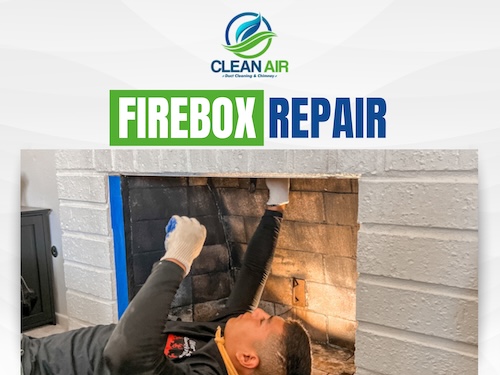
Table of Contents
Firebox Repair In Atlanta by Clean Air Duct Cleaning
Firebox Repair In Atlanta from Clean Air Duct Cleaning and Chimney. Trusted masonry fixes for cracked fireboxes and safe fireplace use. Book today

Firebox Repair

Fireboxes take the most heat and abuse in any fireplace, so cracks and loose firebrick are common. Firebox Repair In Atlanta fixes worn masonry, damaged firebrick, and failing mortar so your fireplace can be used more safely again. Clean Air Duct Cleaning & Chimney works across Atlanta, GA to inspect, repair, and help you prevent repeat damage.

Need Help? Call Clean Air Duct Cleaning & Chimney Near You

Firebox repair fixes the parts of your fireplace that handle direct flame

A firebox is the brick lined area where the fire burns, and it is built to take high heat. Over time, heat, moisture, and normal settling can break down mortar joints and crack firebrick. Firebox repair restores those surfaces so hot gases and sparks stay where they belong.

If you use your fireplace even a few times each winter, the firebox is working hard. It expands when hot and contracts when cool. That movement is normal, but it can open tiny gaps that grow larger over seasons.

Firebox issues also affect how cleanly your system runs. Gaps can pull air in from places it should not, and that can affect draft. If you want the full system checked along with the firebox, a chimney inspection can help connect the dots.

Firebox problems show up as visible cracks, missing mortar, and loose brick

Most homeowners spot firebox damage during a quick look with the damper open and the lights on. If you see changes, stop using the fireplace until you know what you are looking at. A small crack is easy to ignore, but a small crack can turn into a bigger problem once flames hit it.

Here are common signs you may need Firebox Repair

  1. Cracks in firebrick, especially wider ones or cracks that keep spreading
  2. Missing mortar or powdery joints that flake when touched
  3. Loose bricks that wiggle or look out of alignment
  4. White staining, dark soot trails, or damp spots inside the firebox
  5. A smoky smell that lingers after the fire is out
  6. Pieces of brick or mortar falling onto the floor of the firebox

Some signs are easy to miss until you clean the area. If you scoop ash and find grit that looks like sand, it may be mortar breaking down. If you find larger chunks, it may be firebrick spalling. If you are also noticing heavy buildup, creosote removal may be part of the bigger safety picture.

Heat cycling, moisture, and past repairs are common reasons fireboxes fail

Most firebox damage comes from repeated heating and cooling. That constant expansion and contraction stresses mortar joints. Over time, the joints can lose strength and start to crumble.

Moisture is another major factor in Atlanta. Humid air, wind driven rain, and small leaks at the chimney crown or flashing can feed water into masonry. If you suspect water entry, chimney leaks and flashing repair and replacement are common starting points.

Past repairs can also cause issues if the wrong materials were used. Standard mortar is not the same as refractory mortar. Firebrick is not the same as common brick. Materials that cannot handle high heat may crack faster, and repairs may fail sooner. Related structural work may also involve masonry repair.

A few everyday habits can speed up damage

  1. Burning very hot fires often, especially with lots of dry hardwood at once
  2. Using accelerants or burning trash
  3. Slamming logs into the back wall
  4. Running the fireplace with the damper partly closed
  5. Skipping chimney maintenance until problems show up

If you are thinking, We have done some of those, you are not alone. Many fireboxes get damaged by normal use, not misuse. Keeping up with a routine chimney sweep can help you spot early changes before they grow.

Our visit focuses on clear inspection, safe work areas, and the right repair plan

A firebox repair visit starts with a close look at the firebox surfaces, joints, and the areas just above it. We check for cracking patterns, loose brick, and signs that moisture is involved. We also look for soot patterns that can point to draft issues or leakage paths. If visibility is limited, a camera inspection can help document what is happening.

We keep the work area neat and controlled. Firebox repair can create dust when old mortar is removed. We take steps to limit dust spread and protect nearby surfaces.

Here is what typically happens during our visit

  1. Review what you have noticed and how often you use the fireplace
  2. Inspect the firebox walls, floor, and smoke chamber area that is visible
  3. Identify whether cracks are surface level or deeper through joints
  4. Check for moisture indicators and likely entry points
  5. Explain repair options in plain language, with what we recommend and why
  6. Complete the repair work approved for that visit, when conditions allow
  7. Review cure time and safe use guidelines before you light another fire

You will always know what we are fixing and what we are not fixing. If we see something outside the firebox that affects the repair, we will say so, and we may recommend related work like chimney repair.

Firebox repair can involve repointing, firebrick replacement, and refractory resurfacing

Firebox Repair is not one single fix. The right solution depends on what failed and how far it spread. Some fireboxes only need joint work. Others need brick replacement or a new protective surface.

Common service options we provide include.

Repointing restores failing mortar joints between firebricks

Repointing replaces damaged mortar with the proper high heat mortar where needed. We remove loose material, prep the joints, and pack in new refractory mortar. This rebuilds the bond that holds the firebrick in place.

Repointing is a strong choice when bricks are still solid. It also helps when joints are crumbling, dusty, or missing sections. If you run your finger over the joint and it turns to powder, that is a common repointing situation. If joint failure is tied to water entry at the top, chimney crown repair can be an important companion fix.

Need Help? Call Us For Air Duct Services!

Firebrick replacement fixes bricks that are cracked, spalled, or loose

Firebrick replacement removes damaged bricks and installs new ones that are made for high heat use. This matters because common brick can fail faster under direct flame.

Replacement is often needed when

  1. A brick has a crack that runs all the way through
  2. A brick face is flaking off in layers
  3. A brick is loose because surrounding mortar has failed
  4. Edges are broken enough to leave gaps

If you can see daylight through a gap where a brick should be, stop using the fireplace and call a pro. That is not a maybe later item. In some cases, broader fireplace repair may be recommended if damage extends beyond the firebox.

Refractory panels or resurfacing can rebuild worn firebox surfaces

Some fireplaces use refractory panels or a refractory coating to create a durable inner surface. When these wear out, they can crack and separate, leaving weak points.

Resurfacing can help when the base material is stable but the surface is worn. It can also help smooth areas where small defects collect soot and ash.

We will explain what your firebox has now, and what repair method fits it. If you are not sure whether you have firebrick, refractory panels, or both, we can identify it on site. If the firebox is beyond repair, we may discuss firebox replacement as the next step.

The right repair depends on the crack type, depth, and location

Not every crack is equal, and location matters. A hairline crack on the surface may be very different from a crack that runs through joints. A crack at the back wall can behave differently than one at the floor where logs land.

Here is a quick guide to how we think about firebox issues

What you seeCommon meaningCommon next step
Hairline surface crackHeat stress on surfaceMonitor, repair if it grows or spreads
Missing or powdery mortarJoint failureRepointing with refractory mortar
Brick face flakingSpalling from heat or moistureReplace affected firebrick and address moisture source
Loose bricksLost bond or structural movementReset and rebuild joints, replace as needed

This is not a diagnosis from a table. It is a simple way to understand why the fix changes based on the symptom. For a broader safety check before seasonal use, consider a fireplace safety inspection.

Most repairs are completed in one visit, but drying time affects when you can burn again

Many firebox repairs can be done without multiple trips, depending on access and the extent of damage. The bigger factor is cure time for the materials used. Refractory mortars and coatings need time to set, and then they often need a gradual break in.

A few things can slow down the job

  1. Damage hidden under soot or old patch material
  2. Moisture in the masonry that must dry out
  3. More brick replacement than expected once loose areas are opened
  4. Tight access or cramped firebox dimensions
  5. Repairs that must be staged so materials cure correctly
Note on cure time

We will give you clear guidance on when the fireplace can be used again. The safest first burn is usually a smaller, controlled fire. Think of it like warming up before a workout, but for bricks. If you want help keeping performance steady after repairs, a fireplace tune up can be a useful follow up.

You should stop using your fireplace if you see gaps, loose brick, or active water

Some situations should pause fireplace use right away. Fireboxes contain flame, heat, and byproducts of combustion. If the firebox liner is compromised, the system can behave in ways you cannot see.

Stop and call if you notice

  1. Bricks that move when you touch them
  2. Pieces falling out of joints regularly
  3. Cracks that widen quickly over a season
  4. Water in the firebox, damp ash, or repeated white staining
  5. Strong smoke smell during use, even with the damper open
  6. Soot trails that look like dark lines coming from a crack

If you are unsure, treat it as a safety call. A fireplace is supposed to be relaxing. If you are staring at a crack instead of the fire, it is time to get it checked, and chimney inspection can help confirm what is safe to use.

Preparing for service is simple and helps us work faster

You can get ready for a firebox repair appointment with a few quick steps. This helps us see the full firebox and keeps dust down.

Before we arrive

  1. Let the fireplace go cold for at least 24 hours
  2. Remove fireplace tools, grates, and log holders if you can
  3. Scoop out heavy ash buildup into a metal container
  4. Clear a path to the fireplace and nearby outlet access
  5. Move breakables from the mantel and nearby shelves

If you have gas logs, do not remove parts unless you are comfortable doing so. Just let us know what type of setup you have. If your setup includes gas components, our gas appliances service can help address related concerns.

Have you noticed the damage getting worse after big rainstorms. Tell us. That detail helps us check the likely moisture path, and we may recommend preventative options like chimney waterproofing.

Clean Air Duct Cleaning & Chimney

After the repair, steady burning habits help your firebox last longer

Firebox repairs hold up better with good burning practices and basic upkeep. Most damage starts small and grows with stress, impact, or moisture.

Here is what to do after service

  1. Follow the cure time and break in steps we explain
  2. Use smaller fires for the first few burns back
  3. Burn seasoned firewood to reduce excess smoke and buildup
  4. Avoid packing the firebox wall to wall with oversized logs
  5. Do not toss logs hard against the back wall
  6. Keep the damper fully open during use

Also, keep an eye on moisture. If you see dampness or staining again, it may point to a chimney cap, crown, flashing, or masonry issue that needs attention. Preventing re entry may include chimney cap installation or chimney cap replacement.

A simple monthly habit during the season

After the fire is out and cold, look at the firebox with a flashlight once a month during the season. You will spot changes early. If you want to refresh the look and function after repairs, fireplace restoration can support long term results.

Atlanta weather and common fireplace setups can increase wear on fireboxes

Atlanta, Georgia has plenty of moisture in the air for much of the year. That matters for masonry fireplaces and chimneys, especially if the top of the chimney is not shedding water well. Water can travel through brick and mortar over time. Addressing the top down water path may include chimney crown repair and chimney repointing where needed.

Many homes around Atlanta also have older masonry fireplaces. Older fireboxes can have years of heat cycles and past patch jobs. Some patch materials look fine until they heat up again and crack. When brickwork higher up is part of the problem, chimney brick repair may be recommended.

Another local factor is how people use fireplaces here. We often see long gaps with no use, then a sudden return to heavy use during cold snaps. That swing can stress already weakened joints. If your first fire of the season smells extra smoky, or you notice debris after the first burn, that is worth a closer look, and chimney flue cleaning can help support safer starts.

Do you use your fireplace mostly for ambiance, or do you lean on it during winter cold fronts. Either way, the firebox sees the same heat, and the same need for sound masonry. In GA, keeping moisture out is often the difference between a repair that lasts and one that repeats.

Homeowners call us because we focus on safety, clear communication, and clean work habits

You want straight answers when your fireplace is involved. Our team at Clean Air Duct Cleaning & Chimney explains what we find, what it means, and what the repair will change. We also point out conditions that can cause repeat damage, especially moisture issues.

We work on fireplaces as part of a bigger picture of home air and venting systems. That perspective helps, because a fireplace that drafts poorly can create more soot and odor, which homeowners often notice inside the home. If indoor air quality is also on your list, air duct cleaning can support a cleaner home environment.

You will get

  1. A careful look at the firebox condition and the surrounding areas that affect it
  2. Repair methods that match high heat use
  3. A clear plan for cure time and return to use
  4. Practical tips to lower the chance of repeat cracking and joint failure

And yes, we will tell you if your firebox just looks messy but is still sound. Not every dark mark is damage. Fireplaces are not clean by nature. They are literally small indoor campfires with better manners. If you are also updating function and appearance, fireplace refacing may be worth discussing after the repair.

Related Services

Schedule your fireplace visit and get your firebox repaired the right way

If you have cracks, loose brick, or missing mortar, it is smart to address it before the next fire. Firebox Repair In Atlanta should be handled with materials and methods meant for direct flame and high heat.

Call (470) 706-6431 to schedule. To request an appointment, use our Contact Us page. If you are in Atlanta, GA and you want a clear plan you can trust, we are ready to help with Firebox Repair In Atlanta and safer fireplace use.

Frequently Asked Questions (FAQs)

Firebox repair addresses wear or damage inside the fireplace firebox—such as cracks, gaps, or deteriorated surfaces—to help maintain safe, reliable operation.
Common signs include visible cracks, crumbling mortar, loose or missing firebrick, rusted metal components, or unusual odors/smoke behavior during use.
It may not be; cracks can allow heat and embers to reach surrounding materials. It’s best to pause use and have a qualified professional evaluate the condition.
Frequent high-heat fires, moisture intrusion, age-related deterioration, chimney drafting issues, and normal expansion/contraction of materials can all contribute.
Many masonry and some prefabricated fireplaces can require firebox-related repairs, though the appropriate approach depends on the fireplace design and materials.
It generally includes a visual assessment of the firebox area and related components, discussion of observed issues, and recommendations for appropriate repair options.
Sometimes. While smoke issues often relate to drafting or chimney conditions, repairing gaps or deterioration in the firebox can be part of addressing overall performance and safety.
Timing varies based on the extent of damage and the repair method, but many repairs can be completed within a scheduled service visit or over a small number of visits.
Clean Air Duct Cleaning & Chimney provides firebox repair services and can help you understand what repairs may be appropriate for your fireplace.
Use properly seasoned firewood, avoid over-firing, keep moisture out of the fireplace/chimney system when possible, and schedule routine chimney and fireplace maintenance.
Why Your Home Airflow Drops When Dust Builds Up in Ducts

Why Your Home Airflow Drops When Dust Builds Up in Ducts

Your home airflow drops when dust builds up in ducts because that dust acts like…

Why Regular Chimney Sweeping Helps Keep Your Fireplace Safe

Why Regular Chimney Sweeping Helps Keep Your Fireplace Safe

A clean chimney lets smoke move out of your home, not back into your face.…

Signs Your Air Ducts Need Cleaning Before the Seasons Change in Atlanta, GA

Signs Your Air Ducts Need Cleaning Before the Seasons Change in Atlanta, GA

Your air ducts may need cleaning before a seasonal change if you notice more dust,…

How Creosote Forms and Why It Needs Removal

How Creosote Forms and Why It Needs Removal

Creosote forms when wood smoke cools inside your chimney and turns into a sticky, dark…

Dryer Vent Lint Buildup and Fire Risk, What Every Atlanta Homeowner Should Know

Dryer Vent Lint Buildup and Fire Risk, What Every Atlanta Homeowner Should Know

Lint buildup in a dryer vent raises fire risk because it blocks airflow. When hot…

Why Annual Chimney Inspections Protect Your Fireplace and Home

Why Annual Chimney Inspections Protect Your Fireplace and Home

An annual chimney inspection helps you catch hidden trouble before it grows. A pro can…