...
  1. Home
  2. »
  3. Chimney Flashing Repair & Replacement

Chimney Flashing Repair & Replacement in Atlanta, GA

Chimney Flashing Repair & Replacement In Atlanta by Clean Air Duct Cleaning & Chimney. Stop leaks fast with expert repair or full replacement. Call today!
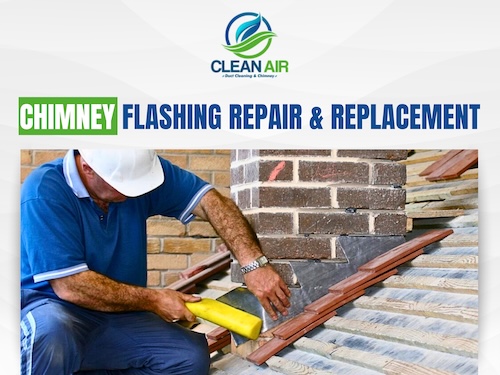
Table of Contents
Chimney Flashing Repair & Replacement In Atlanta Pros
Chimney Flashing Repair & Replacement In Atlanta by Clean Air Duct Cleaning & Chimney. Stop leaks fast with expert repair or full replacement. Call today!

Chimney Flashing Repair & Replacement

Chimney flashing is the metal system that helps seal the area where the roof meets the chimney.

Its purpose is to direct rainwater down the roof rather than allowing it to enter behind the chimney or roofing materials.

Our Chimney Flashing Repair & Replacement in Atlanta service focuses on visible flashing damage, loose sections, corrosion, poor overlaps, failed seals, and other roof-to-chimney problems that may allow water inside.

If the flashing can be repaired, we explain what needs correction.

If the system is heavily damaged, repeatedly leaking, or improperly installed, replacement may be the better option.

Need Help? Call Clean Air Duct Cleaning & Chimney Near You

Signs Chimney Flashing May Be Leaking

Flashing problems often become noticeable after rain or storms.

Watch for these common signs

  1. Brown or yellow ceiling stains near the chimney.
  2. Dampness in the attic around the chimney.
  3. Peeling paint or bubbling drywall.
  4. Water marks along the chimney wall.
  5. Musty odors after rain.
  6. Visible rust around flashing.
  7. Loose or lifted metal sections.
  8. Water streaks around the chimney base.
  9. Repeated leaks after previous sealing.
  10. Moisture that appears mainly during wind-driven rain.

These symptoms do not always mean the flashing is the only problem, but they are good reasons to inspect the roof-to-chimney connection.

If the source is unclear, a chimney inspection can help identify other visible chimney conditions that may be contributing to the leak.
What Causes Chimney Flashing to Fail

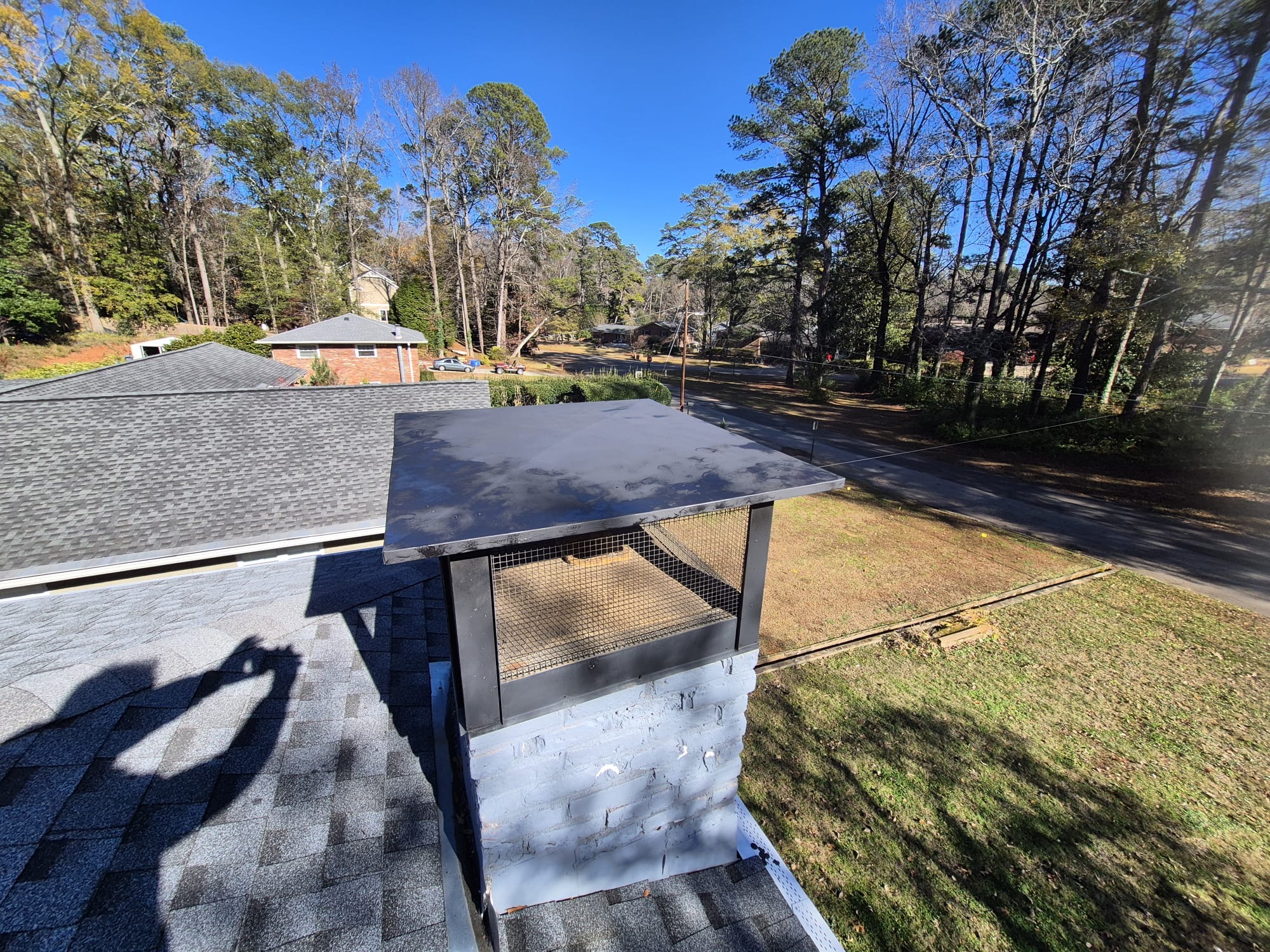
Flashing can fail because of weather exposure, movement, corrosion, poor installation, or repeated patching.

Common causes include:

  1. Rust or corrosion in older metal flashing.
  2. Loose counter flashing.
  3. Missing or damaged step flashing.
  4. Cracked sealant around joints.
  5. Improper overlaps between flashing sections.
  6. Roof and chimney movement over time.
  7. Past repairs that relied too heavily on caulk or roof cement.
  8. Damage caused during roof replacement.
  9. Storm or wind damage.
  10. Water collecting behind the chimney.

Atlanta’s heat, rain, humidity, and storms can put repeated stress on these roof details.

How Chimney Flashing Works

A proper flashing system uses more than one layer.

Each part helps direct water away from the chimney and down the roof.

Step Flashing

Step flashing is installed along the sides of the chimney and layered with the roofing material.

It helps direct water downward instead of letting it move behind the chimney.

Counter Flashing

Counter flashing overlaps the upper edge of the step flashing and ties into the chimney.

It helps prevent water from entering behind the flashing system.

Back Pan or Cricket Area

The rear side of the chimney can collect water if drainage is poor.

Larger chimneys may use a cricket or saddle to help split water and direct it around the chimney.

When any part of this system is missing, loose, rusted, or incorrectly installed, leaks can develop.

Our Chimney Flashing Inspection Process

Before recommending repair or replacement, we inspect the visible roof-to-chimney connection and look for the actual failure point.

What Typically Happens During the Visit

A typical inspection may include:

  1. Discussing when and where you notice the leak.
  2. Looking at interior moisture signs where accessible.
  3. Inspecting the chimney base.
  4. Checking visible step flashing.
  5. Checking counter flashing.
  6. Looking for rust, gaps, loose edges, or missing sections.
  7. Reviewing sealant condition.
  8. Checking nearby roofing for visible problems.
  9. Looking for related chimney moisture issues.
  10. Explaining what we find and what repair may be appropriate.

Water can travel along framing and appear far from the actual entry point.

That is why we focus on the likely water path rather than only the location of the stain.

Need Help? Call Us For Chimney Flashing Repair Services!

Chimney Flashing Repair vs Replacement

Not every flashing problem requires full replacement.

The right solution depends on the condition of the metal, installation quality, leak history, and extent of the damage.

When Repair May Be Appropriate

Repair may make sense when:

  1. Most of the flashing is still in good condition.
  2. Damage is limited to a small area.
  3. A section has lifted or loosened.
  4. An overlap needs correction.
  5. A small section needs replacement.
  6. The problem is recent and there is no widespread corrosion.

A proper repair should correct the specific failure rather than simply covering it with excessive sealant.

When Replacement May Be Appropriate

Replacement may be the better option when:

  1. Flashing is heavily rusted.
  2. Sections are missing.
  3. Metal is bent or damaged in multiple places.
  4. The system was installed incorrectly.
  5. Previous repairs keep failing.
  6. Large amounts of old sealant or roof cement are covering the system.
  7. The roof-to-chimney joint needs to be rebuilt correctly.

Repeatedly patching failed flashing can cost more over time than correcting the underlying problem.

Related Problems That Can Look Like Flashing Leaks

Not every leak around a chimney comes from flashing.

Other chimney problems can produce similar symptoms.

These may include:

  1. Cracks in the chimney crown.
  2. A missing or damaged chimney cap.
  3. Deteriorated mortar joints.
  4. Cracked or spalling brick.
  5. Water absorption through masonry.
  6. Roofing damage near the chimney.
  7. Problems around a chimney chase or cover.

If another chimney component is the actual source, we explain that rather than recommending unnecessary flashing work.

For broader water entry problems, chimney leaks evaluation may be appropriate.

When to Schedule Chimney Flashing Service

Consider scheduling flashing inspection or repair when:

  1. Water stains appear near the chimney.
  2. The attic becomes damp after rain.
  3. A musty odor appears after storms.
  4. Flashing looks rusted or loose.
  5. Previous chimney leak repairs have failed.
  6. Roof work was recently completed near the chimney.
  7. Storm damage affected the roof or chimney.
  8. Moisture appears mainly during heavy or wind-driven rain.
  9. Flashing has visible gaps or missing sections.
  10. You do not know when the flashing was last checked.

Addressing the problem early can help reduce repeated water exposure around the roof and chimney structure.
Atlanta Area Factors

Atlanta’s weather can put regular stress on chimney flashing. Heavy rain can expose even small gaps.

Wind-driven storms can push water against roof joints from directions that normal rainfall may not. Summer heat can also age sealants and cause materials to expand and contract.

Mature trees can contribute debris that collects behind chimneys or around roof valleys, which may slow drainage.

These conditions make Chimney Flashing Repair & Replacement in Atlanta especially important when leaks appear repeatedly after storms.

How to Prepare for Your Visit

A few simple details can help us inspect the problem more efficiently.

Before we arrive

  1. Clear access to the fireplace or chimney wall inside.
  2. Clear attic access if it is near the chimney.
  3. Take photos of stains shortly after rain when possible.
  4. Tell us whether the leak happens during light rain or only heavy storms.
  5. Mention any recent roof replacement or repair.
  6. Tell us about previous chimney flashing repairs.
  7. Move valuables away from any active leak area.
  8. Let us know if water has reached ceilings, walls, or insulation.

Details about when the leak occurs can help narrow down the likely entry point.

After Flashing Repair or Replacement

After the work is complete, continue watching the chimney area during future rain.

Pay attention to:

  1. New ceiling stains.
  2. Moisture in the attic.
  3. Musty odors.
  4. Water streaks around the chimney.
  5. Loose flashing after storms.
  6. New masonry staining.
  7. Debris collecting behind the chimney.

The next few heavy rain events can help confirm that the repaired flashing is directing water correctly.

How to Reduce Future Flashing Problems

A few maintenance habits can help protect the roof-to-chimney connection.

  1. Keep gutters and roof drainage paths clear.
  2. Remove leaves and debris around the chimney.
  3. Watch for rust or loose flashing.
  4. Address damaged shingles near the chimney.
  5. Check visible sealant for deterioration.
  6. Inspect the chimney after major storms.
  7. Address masonry or crown damage before it affects flashing.
  8. Avoid repeated temporary patching as a long-term solution.

Routine observation can help catch small issues before they become recurring leaks.

Why Homeowners Choose Clean Air Duct Cleaning & Chimney

Atlanta homeowners call Clean Air Duct Cleaning & Chimney when they want the chimney flashing problem evaluated before more patching is added.

We focus on the condition of the flashing and where water appears to be entering.

If a targeted repair is appropriate, we explain that.

If the system is too damaged or poorly installed to justify another patch, we explain why replacement may be the better option.

What You Can Expect From Us

When you schedule chimney flashing service with our team, you can expect:

  1. Clear communication.
  2. Respect for your home and property.
  3. Inspection of accessible flashing areas.
  4. Straightforward explanations of visible problems.
  5. Repair recommendations based on actual condition.
  6. Clear guidance on repair versus replacement.
  7. Photo documentation when helpful.
  8. No unnecessary work added to a straightforward flashing problem.

Our goal is to address the roof-to-chimney connection and help reduce recurring water entry.

Areas We Serve

  • Atlanta, GA
  • Alpharetta, GA
  • Brookhaven, GA
  • Buckhead, GA
  • Cumming, GA
  • Douglasville, GA
  • Dunwoody, GA
  • East Cobb, GA
  • Johns Creek, GA
  • Marietta, GA
  • McDonough, GA
  • Roswell, GA
  • Sandy Springs, GA
  • Stone Mountain, GA
  • Stockbridge, GA

Schedule Chimney Flashing Repair & Replacement in Atlanta, GA

Clean Air Duct Cleaning & Chimney provides professional Chimney Flashing Repair & Replacement in Atlanta for loose flashing, rust, failed seals, repeated roofline leaks, damaged metal, and other chimney-to-roof water entry problems.

We inspect the flashing system, identify visible failure points, and explain whether repair or replacement is the better option based on its condition.

If you are seeing water stains, attic moisture, musty odors, or recurring leaks around the chimney, our team can help.

Call (470) 706-6431 or contact us online to schedule service.

Related Services

Frequently Asked Questions (FAQs)

Chimney flashing is the metal and seal system where the chimney meets the roof, designed to help direct water away from that joint and reduce the risk of leaks.
Common signs include water stains on ceilings or walls near the chimney, damp attic areas, visible gaps or lifted metal around the chimney, and recurring leaks after rain.
Flashing can fail due to age, corrosion, wind damage, roof movement, improper installation, or sealant cracking from weather and temperature changes.
It depends on the condition of the metal and surrounding materials; minor issues may be addressed with repairs, while extensive damage, corrosion, or repeated leaks may call for replacement.
Yes. Water can travel along framing and roofing layers, so the visible leak spot may be some distance from the actual flashing issue.
Service usually involves assessing the chimney-to-roof area, addressing damaged sections, resealing where appropriate, and ensuring the flashing ties in properly with the roofing materials.
It’s generally best to address suspected flashing problems promptly, since ongoing moisture intrusion can lead to deterioration of roofing materials, wood, and interior finishes.
Many repairs can be done in a range of conditions, but weather, roof safety, and material requirements may affect scheduling and the approach used.
Flashing methods vary by roof material and design, so the repair or replacement approach is typically matched to the roof system and chimney construction.
Clean Air Duct Cleaning & Chimney provides chimney flashing repair and replacement services and can help you determine the appropriate next steps based on the condition of your chimney and roof area.
Seraphinite AcceleratorOptimized by Seraphinite Accelerator
Turns on site high speed to be attractive for people and search engines.