Why Your Home Airflow Drops When Dust Builds Up in Ducts
Your home airflow drops when dust builds up in ducts because that dust acts like…
Fireplace Safety Inspection In Atlanta by Clean Air Duct Cleaning & Chimney with thorough checks, clear reports, and fast scheduling for safer fires
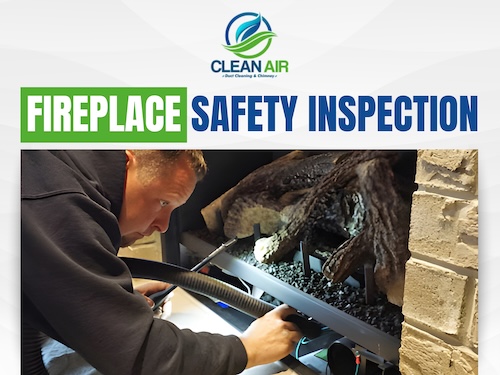
Fireplace safety inspections catch problems early, so you can use your fireplace with fewer worries.
A Fireplace Safety Inspection In Atlanta checks the firebox, damper, flue, chimney structure, and clearances for signs of damage, blockage, or unsafe venting. Clean Air Duct Cleaning & Chimney handles the full check, explains what we see in plain language, and helps Atlanta, GA homeowners plan the next safe step.
A Fireplace Safety Inspection gives you a clear picture of what is safe to use right now. A fireplace looks simple, but it is a working vent system that moves heat, smoke, and gases out of your home. If any part is blocked, cracked, or worn out, those byproducts can drift back inside. That can mean smoke smells, soot on walls, or worse.
Need Help? Call Clean Air Duct Cleaning & Chimney Near You
Clean Air Duct Cleaning & Chimney focuses on practical safety checks that homeowners can act on. We inspect the areas that fail most often and the spots most people never see.
You get straightforward notes, not a confusing lecture.
Do you use your fireplace a few times each winter, or is it the center of the living room all season? Either way, the safest fires start with a system that vents the way it should.
If you are also paying attention to home airflow and indoor comfort, pairing fireplace safety with air duct cleaning can support a cleaner living space.

A safety inspection is especially useful before the first fire of the season or after any change to the home. Fireplaces often sit unused for months in Atlanta’s warmer stretches. During that time, debris can fall, moisture can work its way in, and animals can try to move in. Even small issues can become big ones once high heat and smoke start moving through the system again.
If you have not used your fireplace in years, an inspection matters even more. Old soot, hidden cracks, and outdated clearances do not fix themselves with time.
You may need an inspection soon if you notice smoke, odors, stains, or sluggish draft. Small warning signs often show up before a serious problem. The trick is not ignoring them just because the fire still works.
Have you noticed a campfire smell even when you have not burned wood lately? That can point to leftover buildup that may need creosote removal, moisture issues, or airflow problems that deserve a closer look.
The most common causes are creosote buildup, water entry, and airflow restrictions. Many fireplace issues trace back to three basic problems. They show up in different ways, but they all change how heat and smoke move through the chimney.
Creosote buildup is a predictable byproduct of wood burning. Creosote is the dark residue that forms when smoke cools and sticks to flue surfaces. A little may be expected after burning, but thicker layers can reduce draft and raise fire risk. Wet wood, low fires, and restricted airflow often make creosote build faster.
When buildup is the main issue, a chimney flue cleaning can help restore a clearer vent path.
Water entry quietly damages masonry and metal parts. Atlanta gets plenty of rain and humid stretches. Moisture that gets into the chimney can lead to rusted dampers, cracked crowns, spalling brick, and deteriorated mortar joints. Water also mixes with soot and creates strong odors.
If you suspect leaks, it may be time to look into chimney leaks support and targeted chimney waterproofing.
Airflow restrictions can come from debris, animals, or bad venting setup. Leaves, twigs, nesting material, and broken tiles can block the flue. A cap problem can invite critters. Even a tight house or competing exhaust fans can affect draft and pull smoke the wrong direction.
If animals are part of the problem, animal removal and bird guard installation can help keep the flue clearer.
Our visit follows a step by step inspection so nothing gets skipped. A Fireplace Safety Inspection should be consistent, not based on guesswork. We use a repeatable process that checks the parts that protect your home and the parts that move heat and smoke outside.
We keep it clear and practical. If something is unsafe to use, we say so plainly. If it is usable but needs attention soon, we explain why and what to watch for.
Need Help? Call Us For Air Duct Services!
We inspect the firebox and surrounding components because that is where damage often starts. The firebox takes the heat stress, so it shows wear first. Cracks, missing panels, or failing mortar joints can allow heat to transfer where it should not.
If the damper does not open fully, your fireplace will struggle. If it does not close, warm air can leave your home even when the fireplace is not in use. Either way, it is worth addressing, and fireplace repair can be the next step when parts are worn or stuck.
We check the flue and venting path because safe fires depend on reliable draft. Smoke needs a clear, continuous path out. Any restriction, damaged liner surface, or separation can change performance and safety.
If you have a gas log set, the venting still matters. Many gas setups still use the chimney as the exhaust path. A blocked or damaged flue can cause fumes to spill into the home, and a gas chimney inspection can be a helpful follow up for gas systems.
We examine the chimney exterior because outside damage often predicts inside trouble. A chimney can look fine from the living room and still be failing outside. Water and temperature swings are tough on brick and mortar, even in Georgia.
A little discoloration can be normal. But patterns matter. White staining on masonry can suggest moisture movement through brick, which often leads to bigger repairs later if ignored. Depending on what we see, services like chimney crown repair or chimney flashing repair and replacement may be recommended.
We provide clear notes so you know what is urgent and what can wait a bit. An inspection is only helpful if you can make decisions from it. We explain findings in everyday language and separate safety concerns from maintenance items.
If we suggest additional service, it is tied to what we saw, not a generic checklist. You should feel comfortable asking what happens if I do nothing. We will answer directly. When repairs are needed, we may point you toward chimney repair options that match the condition we find.
This quick table helps you understand common inspection outcomes. Below is a simple guide to what we often see and what it usually means for homeowners.
| What we find | What it can lead to | Typical next step |
|---|---|---|
| Heavy creosote or soot | Poor draft, stronger odors, higher fire risk | Schedule chimney cleaning, adjust burning habits |
| Damper stuck or rusted | Smoke rollout, heat loss, hard starts | Repair or replace damper components |
| Cracked firebrick or failing mortar | Heat transfer to surrounding materials | Repair firebox surfaces before regular use |
| Water staining or rust | Odors, masonry damage, liner issues | Identify water entry point, address cap or crown |
| Nesting debris or blockage | Smoke backup, fumes in living space | Remove blockage, add or repair chimney cap |
Every home is different. The goal is not to scare you. The goal is to stop small issues from turning into a why is my living room smoky moment. If your inspection points to liner concerns, chimney relining may be discussed as a safety focused option.
Scheduling is usually quick, but access and condition can affect how long the visit takes. Most inspections move along smoothly when the fireplace is accessible and the chimney areas are visible. A cluttered hearth, a tight attic access, or roofline limitations can slow things down.
If you are unsure what type of fireplace you have, that is fine. We can identify common setups during the visit and explain what that means for venting and safety, including when a camera inspection is useful for areas that are hard to see.
You should stop using the fireplace and call a pro if any red flags show up. Some situations are not burn one more time and we will deal with it later. If something seems off, it is better to pause.
If any of these happen, stop the fire safely, open windows if needed, and reach out for help. If firebox damage is visible, firebox repair may be needed before the next burn.
For general safety information, you can review guidance on carbon monoxide from the CDC.
Preparing your home before we arrive helps the inspection go faster and cleaner. A little prep makes the visit easier for everyone and helps us focus on the inspection.
If ashes are present, leave them alone unless you have a safe metal container. Ashes can stay hot longer than people expect. If your setup includes an insert, we may also discuss whether a fireplace insert inspection and maintenance plan makes sense.
After the inspection, good habits help your fireplace stay cleaner and draft better. Safe use is not only about the chimney. Your burning habits matter too.
If you have gas logs, keep the area clean and avoid storing items in the firebox. If you want help keeping gas systems running smoothly, gas fireplace cleaning can support cleaner operation.
For background information on creosote, you can also read the overview on Wikipedia.
Atlanta area homes face specific chimney and fireplace challenges tied to weather and construction styles. Atlanta, Georgia homes see humid summers, frequent rain, and temperature swings that can stress chimney materials. Moist air can also amplify odors from old soot and creosote.
If your home is in a shaded area with trees nearby, chimneys can collect more leaf debris on the roof. That does not mean your chimney is bad. It just means it needs regular attention, and services like chimney cap installation can help reduce debris and animal entry.
Homeowners choose Clean Air Duct Cleaning & Chimney because we explain what we see and respect your home. You should not have to decode vague comments about your fireplace. We keep the conversation simple and focused on safety and function.
We are an air duct cleaning service by category, and many of our customers call us because indoor air and safe venting go together. A fireplace that drafts poorly can affect comfort and air quality in the living space. If you want to take a broader look at airflow, air duct testing can help identify common HVAC issues.
If your inspection shows buildup, leaks, or damaged parts, these services can support safe performance and long term care.
Booking a Fireplace Safety Inspection is simple, and we will help you pick a good time. If you want Fireplace Safety Inspection In Atlanta done by a team that checks the details and speaks plainly, we are ready to help. Call before the season rush, or schedule after you notice smoke, odor, or staining.
Call (470) 706-6431 or use our Contact Us page to set up your Fireplace Safety Inspection In Atlanta with Clean Air Duct Cleaning & Chimney.
Your home airflow drops when dust builds up in ducts because that dust acts like…
A clean chimney lets smoke move out of your home, not back into your face.…
Your air ducts may need cleaning before a seasonal change if you notice more dust,…
Creosote forms when wood smoke cools inside your chimney and turns into a sticky, dark…
Lint buildup in a dryer vent raises fire risk because it blocks airflow. When hot…
An annual chimney inspection helps you catch hidden trouble before it grows. A pro can…