...
  1. Home
  2. »
  3. Chimney Waterproofing

Chimney Waterproofing in Atlanta, GA

Chimney Waterproofing In Atlanta stops leaks before they spread. Clean Air Duct Cleaning & Chimney seals brick and masonry for lasting protection. Call now
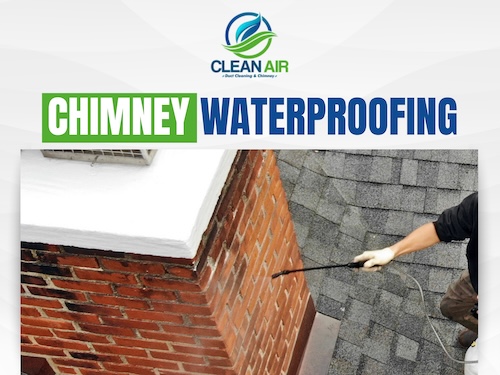
Table of Contents
Chimney Waterproofing In Atlanta by Clean Air Pros
Chimney Waterproofing In Atlanta stops leaks before they spread. Clean Air Duct Cleaning & Chimney seals brick and masonry for lasting protection. Call now

Chimney Waterproofing

Chimney waterproofing helps reduce the amount of rainwater absorbed by exterior masonry.

Brick and mortar are durable, but they are porous. Over time, repeated exposure to rain can allow moisture to penetrate the chimney structure.

Our Chimney Waterproofing in Atlanta service focuses on protecting repairable masonry with a breathable water-repellent treatment.

The goal is to reduce water absorption while still allowing moisture vapor inside the masonry to escape.

If the chimney has open cracks, damaged mortar, crown problems, or another active leak source, those issues should be addressed before waterproofing.

Need Help? Call Clean Air Duct Cleaning & Chimney Near You

Signs You May Need Chimney Waterproofing

Moisture problems often become noticeable after storms or long periods of humid weather.

Common signs include

  1. White powdery deposits on exterior brick.
  2. Dark or damp areas on masonry.
  3. Musty odors near the chimney after rain.
  4. Water stains on nearby walls or ceilings.
  5. Rust on the damper or other metal components.
  6. Cracking or deteriorating mortar joints.
  7. Spalling or flaking brick faces.
  8. Peeling paint near the chimney chase.
  9. Repeated moisture problems even after minor repairs.
  10. Exterior masonry that stays damp for long periods.

These signs can come from porous masonry, flashing problems, crown damage, missing caps, or another source of water entry.

If active leaking is already occurring, a chimney leaks evaluation may be appropriate before waterproofing.
Where Chimney Moisture Problems Commonly Start

Water can enter a chimney from several different areas.

Common sources include:

  1. Porous brick and mortar.
  2. Cracked mortar joints.
  3. Damaged chimney crowns.
  4. Missing or damaged chimney caps.
  5. Failed flashing.
  6. Rusted chase covers.
  7. Cracks in exterior masonry.
  8. Gaps around chimney components.
  9. Previous repairs that have deteriorated.
  10. Repeated storm exposure.

Waterproofing is most effective when the chimney is otherwise in suitable condition.

It should not be used to cover structural damage or active openings.

Our Chimney Waterproofing Inspection Process

Before recommending waterproofing, we inspect accessible areas to understand how moisture may be affecting the chimney.

What Typically Happens During the Visit

A typical inspection may include:

  1. Discussing when moisture or stains appear.
  2. Checking exterior brick and mortar.
  3. Looking for cracks or spalling.
  4. Inspecting the chimney crown.
  5. Checking the chimney cap where accessible.
  6. Reviewing visible flashing conditions.
  7. Looking for staining or rust.
  8. Identifying previous patching or repairs.
  9. Determining whether repairs are needed first.
  10. Explaining whether waterproofing is appropriate.

If the chimney requires repair before treatment, we explain what needs attention and why.

Repairs Should Come Before Waterproofing

Waterproofing works best when visible defects have already been corrected.

Applying water repellent over damaged masonry will not repair the underlying problem.

Repairs may be needed when there are:

  1. Missing mortar joints.
  2. Cracked brick.
  3. Spalling masonry.
  4. Crown damage.
  5. Failed flashing.
  6. Damaged chimney caps.
  7. Open gaps around exterior components.
  8. Deteriorated chase covers.

If the chimney has broader damage, additional chimney repair may be appropriate before waterproofing.

Need Help? Call Us For Chimney Waterproofing Services!

How Chimney Waterproofing Works

Proper chimney waterproofing uses a breathable masonry water repellent.

Unlike paint or heavy surface coatings, a breathable treatment is designed to reduce rain absorption without trapping moisture inside the masonry.

A suitable treatment may help:

  1. Reduce rainwater absorption.
  2. Limit repeated saturation.
  3. Slow moisture-related masonry deterioration.
  4. Reduce conditions that contribute to efflorescence.
  5. Protect repaired brick and mortar from repeated exposure.

The treatment should be applied to properly prepared masonry and should not be used as a substitute for necessary repairs.

What Chimney Waterproofing Does Not Fix

Waterproofing can help protect porous masonry, but it does not solve every chimney leak.

It will not correct:

  1. Failed flashing.
  2. Large crown cracks.
  3. Missing chimney caps.
  4. Open mortar joints.
  5. Structural masonry damage.
  6. Rusted-through chase covers.
  7. Roof damage near the chimney.
  8. Active gaps where water is entering directly.

These problems should be corrected separately.

If the chimney is actively leaking, the source should be identified before applying waterproofing.

When to Schedule Chimney Waterproofing

Consider scheduling waterproofing when:

  1. Exterior masonry absorbs water easily.
  2. Efflorescence keeps returning.
  3. Brick remains damp after storms.
  4. Mortar has been repaired and needs protection.
  5. Previous masonry repairs are complete.
  6. The chimney has a history of moisture exposure.
  7. Water absorption is contributing to exterior deterioration.
  8. You want to protect repairable masonry from repeated rain.
  9. The chimney has recently undergone restoration.
  10. Moisture problems are becoming more noticeable during humid weather.

Scheduling Chimney Waterproofing in Atlanta after necessary repairs can help protect the masonry from continued exposure.

Atlanta Area Factors

Atlanta’s rainfall, humidity, mature trees, storms, and long periods of damp weather can all affect chimney masonry.

Heavy rain can saturate porous brick and mortar.

High humidity can slow drying.

Tree coverage can keep some chimneys shaded longer, allowing exterior surfaces to remain damp after storms.

Wind-driven rain can also expose small defects around crowns, caps, flashing, and masonry.

These conditions make Chimney Waterproofing in Atlanta useful for homeowners who want to reduce repeated moisture absorption after repair work is complete.

How to Prepare for Service

Preparing for chimney waterproofing is simple.

Before we arrive

  1. Clear access around the fireplace area if needed.
  2. Let us know about previous chimney leaks.
  3. Mention recent masonry or roof repairs.
  4. Tell us where stains or moisture normally appear.
  5. Share photos taken after storms if available.
  6. Let us know about previous waterproofing treatments.
  7. Point out any visible cracks or deteriorated brick.
  8. Mention recent flashing, crown, or cap work.

These details can help us understand the chimney’s moisture history before treatment begins.

After Chimney Waterproofing

After service, continue watching the chimney during future rain.

Pay attention to:

  1. New moisture stains.
  2. Musty odors returning.
  3. Fresh efflorescence.
  4. New cracks in mortar or brick.
  5. Rust developing on metal components.
  6. Water entering around the chimney or fireplace.
  7. Changes after heavy or wind-driven rain.

Waterproofing helps reduce masonry absorption, but other chimney components can still develop problems over time.

How to Protect the Chimney After Waterproofing

A few simple maintenance habits can help support long-term moisture protection.

  1. Keep gutters and roof drainage clear.
  2. Remove debris around the chimney.
  3. Watch for crown cracks.
  4. Check visible mortar deterioration.
  5. Address damaged flashing early.
  6. Keep the chimney cap in good condition.
  7. Trim branches that rub against the chimney.
  8. Have new masonry damage evaluated before it spreads.

Waterproofing works best as part of a properly maintained chimney system.

Why Homeowners Choose Clean Air Duct Cleaning & Chimney

Atlanta homeowners call Clean Air Duct Cleaning & Chimney when they want to understand whether waterproofing is actually the right solution.

We do not treat every moisture problem as a surface-sealing issue.

If masonry waterproofing is appropriate, we explain why.

If flashing, crown, cap, or masonry repairs should come first, we explain that instead.

What You Can Expect From Us

When you schedule chimney waterproofing with our team, you can expect:

  1. Clear communication.
  2. Respect for your home and property.
  3. Inspection of accessible chimney surfaces.
  4. Straightforward explanations of visible moisture concerns.
  5. Recommendations based on actual condition.
  6. Proper attention to repairs before treatment.
  7. Breathable masonry protection where appropriate.
  8. No unnecessary services added to a straightforward waterproofing visit.

Our goal is to help protect the chimney from repeated moisture exposure while addressing the real source of any active water problem.

Areas We Serve

  • Atlanta, GA
  • Alpharetta, GA
  • Brookhaven, GA
  • Buckhead, GA
  • Cumming, GA
  • Douglasville, GA
  • Dunwoody, GA
  • East Cobb, GA
  • Johns Creek, GA
  • Marietta, GA
  • McDonough, GA
  • Roswell, GA
  • Sandy Springs, GA
  • Stone Mountain, GA
  • Stockbridge, GA

Schedule Chimney Waterproofing in Atlanta, GA

Clean Air Duct Cleaning & Chimney provides professional Chimney Waterproofing in Atlanta for porous brick, moisture absorption, recurring efflorescence, repaired masonry, and chimneys exposed to repeated rain and humidity.

We inspect accessible chimney surfaces, identify visible moisture concerns, and explain whether repairs should be completed before waterproofing.

If your chimney masonry stays damp, shows white deposits, develops musty odors, or has a history of moisture problems, our team can help.

Call (470) 706-6431 or contact us online to schedule service.

Frequently Asked Questions (FAQs)

Chimney waterproofing is the application of a breathable, water-repellent treatment to the exterior masonry to help reduce moisture absorption while still allowing trapped vapor to escape.
Masonry can absorb rain and melting snow, which may contribute to staining, deterioration of mortar, and moisture-related issues over time; waterproofing is commonly used as a preventative measure.
Waterproofing is generally applied to exterior brick, stone, or mortar surfaces; it’s often considered alongside related components like crowns, flashing, and caps, depending on the chimney’s condition.
Common signs can include white staining on masonry (efflorescence), spalling bricks, crumbling mortar, damp odors near the fireplace, or water marks on nearby walls or ceilings.
Waterproofing can help reduce water penetration through porous masonry, but leaks can also come from other sources such as damaged flashing, an aging crown, or an uncovered flue.
Many chimney waterproofing products are designed to be breathable and masonry-compatible; the key is using an appropriate product and applying it to a properly prepared surface.
It’s often done during mild, dry weather so the surface can be cleaned and dried appropriately before application; timing can vary based on local conditions.
Longevity depends on factors like weather exposure, masonry condition, and product type; periodic evaluation is typically recommended to determine if reapplication may be needed.
Yes, in many cases it’s best to address issues like cracked mortar joints, damaged bricks, or crown problems first, since waterproofing won’t correct structural defects.
Clean Air Duct Cleaning & Chimney provides chimney waterproofing services and can discuss general options based on the chimney’s materials and overall condition.
Seraphinite AcceleratorOptimized by Seraphinite Accelerator
Turns on site high speed to be attractive for people and search engines.