Why Your Home Airflow Drops When Dust Builds Up in Ducts
Your home airflow drops when dust builds up in ducts because that dust acts like…
Wood Fireplace Inserts In Atlanta installed with safe venting and chimney fit. Clean Air Duct Cleaning & Chimney offers estimates and expert service today
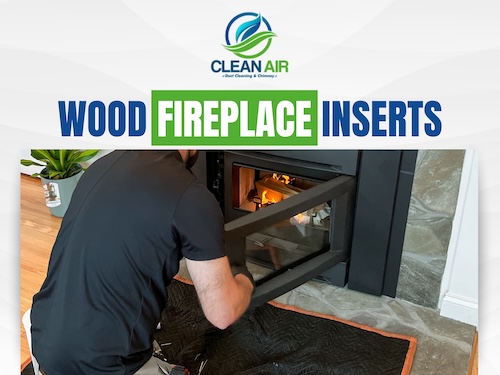
Wood Fireplace Inserts That Fit Your Home, Your Chimney, and Atlanta Weather
Clean Air Duct Cleaning & Chimney helps Atlanta, GA homeowners choose the right insert, confirm chimney fit, set up proper venting, and finish the job with careful testing and clear next steps.
Need Help? Call Clean Air Duct Cleaning & Chimney Near You
A wood fireplace insert is a sealed firebox that slides into your existing masonry fireplace and vents through the chimney using the right liner setup. Instead of most of your heat going up the flue, an insert is built to keep heat in the room and manage airflow. You get a real wood fire with better control over how it burns.
Many homeowners want the look and feel of wood, but they want less mess, less smoke smell, and fewer draft issues. Inserts address those pain points when the fireplace and chimney are in good shape and the venting is set correctly. If your current fireplace kind of works but leaves you cold, an insert may be the upgrade that finally makes the space useful.

Fireplace inserts are a smart choice when you want more heat and less frustration.
Open fireplaces can look great and still be poor heaters. They can also pull warm air from the house and send it right up the chimney. A properly installed insert changes that behavior by controlling combustion air and moving heat into the room.
An insert does not fix every chimney issue by itself. If the flue is damaged or the chimney is unsafe, those problems must be handled first with the right chimney repair plan. Our job is to help you avoid shortcuts that cause smoky rooms, weak draft, or ongoing creosote trouble.
Atlanta homes come in many styles, and fireplaces do too. Some are tall with strong draft, others are short or located on exterior walls where the flue stays colder. That affects how an insert performs. The venting path, liner sizing, and overall chimney condition matter as much as the insert model. A detailed chimney inspection helps confirm what the system can support.
If your home is fairly air tight, a fireplace may compete with kitchen fans, bath fans, or a dryer. That can cause poor draft or smoke odor. We look for those real world conditions so the insert runs the way it should. If dryer airflow is a concern, dryer vent inspection can help confirm what is happening in the home.
You do not have to wait for a major failure to upgrade. Many homeowners call after years of making it work, then realizing the room still feels chilly. Inserts are also a good option if you want a more predictable burn without constantly fussing with it. A fireplace safety inspection is a smart first step.
If you see dark staining above the fireplace opening, that is a clue the system is not drafting or burning cleanly. If you hear odd chimney noises or see signs of moisture damage, pause and get it checked before using the fireplace again. Issues like this often connect to chimney leaks or a venting path that needs attention.
Most complaints about fireplaces trace back to airflow and fit. Wood fires need steady draft and the right path for exhaust gases. If the chimney is rough, blocked, oversized, or damaged, the fire struggles. If the insert is not matched to the opening and flue setup, performance suffers. A thorough chimney flue cleaning can remove restrictions that make draft unreliable.
A wood insert should not be treated like furniture. The right planning helps avoid the classic smoke in the living room surprise. If the fireplace structure needs work first, fireplace repair may be part of the path.
We start by looking at the fireplace and chimney as a complete system. That includes the firebox area, the smoke chamber, the damper region, and the flue. We also check the space around the hearth and mantel because clearances matter with higher heat output. When needed, a camera inspection helps confirm internal conditions.
If we see safety concerns, we will tell you plainly. A fireplace that has gaps, damaged masonry, or heavy creosote needs attention before an insert goes in. Skipping that step is like putting new tires on a car with bad brakes. For masonry issues, masonry repair may be recommended.
An insert installation is part measurement, part venting work, and part careful setup in the living space. The goal is clean draft, tight connections, and safe spacing. We also want the insert to look right and sit properly in the opening. If you are considering broader fireplace changes, wood fireplace installation and repair can support the full scope.
Every home is different, so the exact steps depend on the fireplace structure and chimney layout. If something is off, we slow down and address it instead of forcing parts to fit. If the existing chimney system is not compatible, chimney installation planning may be needed.
Need Help? Call Us For Air Duct Services!
The liner is the pathway that moves smoke and exhaust up and out. A correct liner setup supports draft and helps keep exhaust where it belongs. It also helps the insert run more predictably, especially during start up on cooler Atlanta mornings. When a flue path is compromised, chimney flue repair can be part of restoring proper venting.
If your current flue has issues, a liner plan may be part of making the insert a good long term solution. A good insert with poor venting is still a poor system. Weather exposure also matters, and chimney waterproofing can help reduce moisture related problems.
Bigger is not always better. A too large insert can lead to short, hot burns and less comfortable heat control. A too small unit may run constantly without warming the room the way you expect. If you are weighing other options, fireplace conversion may also be part of the discussion.
Be honest about how often you will use it. If you want quick evening fires a few times a week, that is a different plan than heating a large space daily. If you want help comparing insert styles, chimney inserts can give additional context for common setups.
This table is a simple way to see why many homeowners move to an insert when they want real heat without losing the wood fire experience. If you are also considering other types of upgrades like gas log sets, we can talk through what fits your goals.
| Option | Heat control | Draft reduction when off | Wood use | Typical experience |
|---|---|---|---|---|
| Open fireplace | Low | Low | High | Great look, limited heat |
| Wood insert | High | Higher | Lower | Stronger heat, steadier burn |
| Gas logs or gas insert | High | Higher | None | Easy use, different feel |
If you love real wood and want more usable warmth, the insert path often makes sense. If your priority is quick on and off use, you may prefer another option such as gas fireplace installation.
Many installs can be completed in a day once the plan is clear and the site is ready. The biggest delays usually come from chimney issues that must be handled before the insert can be used safely. Access to the chimney top can also affect scheduling. A prior chimney sweep may be needed depending on buildup.
We will walk you through timing based on what we see, not what sounds convenient. If the chimney structure needs rebuilding work, chimney rebuilding may be part of the preparation.
A wood fire is not the place for lets see what happens. If you notice certain warning signs, stop using the fireplace and get it checked. This is especially true if you are smelling strong smoke odor in the home or seeing visible smoke escape. When in doubt, schedule a fireplace tune up for a professional review of operation and condition.
Also, never burn trash, treated wood, or construction scraps. For general fire safety guidance, review home fire safety information.
A little prep makes the visit smoother and keeps your space cleaner. Fireplaces are in living rooms for a reason, and we treat them that way. Still, it helps to clear the area. If you want your whole home airflow to feel more consistent, pairing fireplace improvements with air duct cleaning can support comfort through the season.
If you have photos of the chimney exterior or past work records, have them ready. It can save time and help answer questions faster. If attic access affects vent routing or home tightness, attic insulation considerations may come up in the conversation.
How you run a wood insert matters. The best insert in the world will act up if it is fed wet wood or starved for air. Your first few fires are also a learning curve, and that is normal. If you are also addressing indoor air quality concerns, sanitization and disinfection may be helpful for odor related follow up.
If your insert has a blower, keep the intake area clear of dust. A dusty blower area can reduce airflow and make the unit louder than it needs to be. If dust in the home is a recurring issue, air duct maintenance can support cleaner circulation.
As an air duct cleaning service, we pay attention to how home airflow affects comfort. Fireplaces and inserts connect to that bigger picture. A smoky fireplace can leave odor that spreads through the home, and a drafty flue can pull conditioned air out. For homes with recurring odor and particulate concerns, a UV air purifier may be discussed as part of indoor air support.
If you use the insert often, keep an eye on buildup. Creosote forms faster when fires smolder or when wood is damp. When buildup is suspected, creosote removal can restore safer draft conditions.
Atlanta, Georgia sees humid stretches, quick temperature swings, and plenty of rain. Moist air can carry odors from the flue into the home, especially when the fireplace is not in use. Exterior chimneys can also stay colder, which can weaken draft during lighting. When moisture is a concern, chimney waterproofing can help protect the system.
If your fireplace smells musty after storms, that is not just how fireplaces are. It is often a sign the chimney top needs attention or the flue needs cleaning. A focused chimney inspection can identify the source.
You should know what is happening in your home and why. Clean Air Duct Cleaning & Chimney explains what we see, what it affects, and what the next step is. If something is optional, we say so. If something is unsafe, we say that too. If you want more context about our team, visit About Us.
If you have been putting this off, you are not alone. A lot of people avoid fireplace projects because they expect confusion. We keep it simple and practical for homes across GA and the Atlanta area.
Wood Fireplace Inserts in Atlanta work best when the insert, liner, and chimney condition match each other. If your system needs prep work first, services like chimney repair and chimney flue cleaning can help get the setup ready for safe, predictable use.
Ready to plan your upgrade in Atlanta GA. Call (470) 706-6431 or schedule an evaluation through our Contact Us page.
Your home airflow drops when dust builds up in ducts because that dust acts like…
A clean chimney lets smoke move out of your home, not back into your face.…
Your air ducts may need cleaning before a seasonal change if you notice more dust,…
Creosote forms when wood smoke cools inside your chimney and turns into a sticky, dark…
Lint buildup in a dryer vent raises fire risk because it blocks airflow. When hot…
An annual chimney inspection helps you catch hidden trouble before it grows. A pro can…