...
  1. Home
  2. »
  3. Chimney Crown Repair

Chimney Crown Repair in Atlanta, GA

Chimney Crown Repair In Atlanta from Clean Air Duct Cleaning & Chimney. Fix cracks stop leaks protect masonry. Book an inspection and estimate today
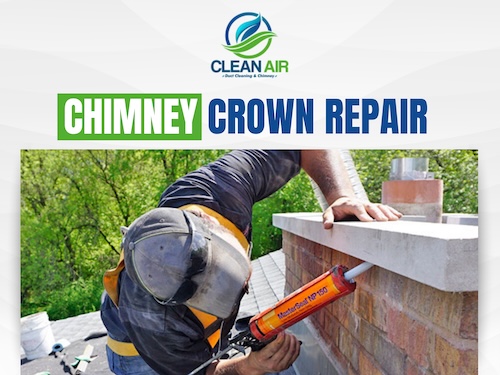
Table of Contents
Chimney Crown Repair In Atlanta by Clean Air Duct
Chimney Crown Repair In Atlanta from Clean Air Duct Cleaning & Chimney. Fix cracks stop leaks protect masonry. Book an inspection and estimate today

Chimney Crown Repair

A chimney crown is the sloped masonry surface at the top of many chimneys.

Its purpose is to direct rainwater away from the flue opening and exterior brickwork.

Our Chimney Crown Repair in Atlanta service focuses on cracks, damaged edges, gaps around the flue, poor drainage, surface deterioration, and other visible crown problems.

A damaged crown can allow water into the masonry below, so repairing the top of the chimney can help address moisture before it spreads into other areas.

Need Help? Call Clean Air Duct Cleaning & Chimney Near You

What Chimney Crown Repair Does

Chimney crown repair restores damaged areas at the top of the chimney so the crown can direct water away more effectively.

Depending on the condition, repair may involve:

  1. Sealing small cracks.
  2. Repairing broken edges.
  3. Correcting deteriorated areas.
  4. Restoring a damaged surface.
  5. Addressing gaps around the flue.
  6. Rebuilding sections that are no longer sound.
  7. Correcting slope when water is collecting on the crown.

The appropriate repair depends on how much of the crown is damaged and whether the underlying material remains stable.

Clean Air Duct Cleaning Logo

Warning Signs of Chimney Crown Damage

Crown damage may be visible from outside, but it can also show up as moisture problems lower in the chimney.

Common signs include

  1. Visible cracks across the crown.
  2. Broken or missing crown edges.
  3. Gaps around the flue tile.
  4. Water stains near the chimney.
  5. Damp or musty odors after rain.
  6. White deposits on exterior masonry.
  7. Spalling brick near the top of the chimney.
  8. Loose or deteriorating mortar.
  9. Rust on chimney or fireplace components.
  10. Water entering during storms.

If the cause is not clear, a chimney inspection can help determine whether the crown or another chimney component is allowing water inside.

Why Chimney Crowns Crack

Chimney crowns are exposed to rain, heat, sun, moisture, and temperature changes throughout the year.

Common causes of crown deterioration include:

  1. Water repeatedly entering small cracks.
  2. Poor crown slope that allows water to collect.
  3. Thin or weak crown edges.
  4. Gaps around the flue.
  5. Previous patching that has failed.
  6. General material deterioration.
  7. Repeated expansion and contraction.
  8. Damage around the top of the chimney.
  9. Moisture affecting nearby masonry.
  10. Long-term weather exposure.

Once water reaches a crack, continued exposure can make the damaged area worse over time.

Our Chimney Crown Inspection Process

Before recommending a repair, we inspect the crown and nearby chimney components to understand the extent of the damage. Our CSIA Certified Chimney Professionals look at visible crown cracks, drainage, the flue joint, nearby masonry, and other accessible areas that may be contributing to the problem.

If another chimney component appears to be contributing to the water problem, we explain that before recommending crown work alone.

What Typically Happens During the Visit

A typical inspection may include:

  1. Discussing leaks, stains, odors, or previous repairs.
  2. Checking visible crown cracks.
  3. Reviewing the crown’s slope and general condition.
  4. Looking for broken or missing edges.
  5. Checking the joint around the flue.
  6. Inspecting nearby brick and mortar.
  7. Looking at the chimney cap when accessible.
  8. Checking for signs of repeated water entry.
  9. Reviewing nearby flashing when moisture patterns suggest another source.
  10. Explaining the repair options that fit the condition.

If another chimney component appears to be contributing to the water problem, we explain that before recommending crown work alone.

Need Help? Call Us For Chimney Crown Repair Services!

Chimney Crown Repair Options

Not every damaged crown requires the same repair.

The right approach depends on crack size, surface condition, drainage, and how much of the crown remains structurally sound.

Crack Sealing

Small, stable cracks may sometimes be sealed when the surrounding crown remains in good condition.

Surface preparation matters. Loose or deteriorated material needs to be addressed before sealing.

Crown Resurfacing

Resurfacing may be appropriate when the surface is worn or deteriorated but the main crown structure remains repairable.

The goal is to restore the protective surface and improve water shedding.

Partial Crown Repair

Broken corners, damaged edges, or isolated failed sections may require partial rebuilding.

This can restore areas that are no longer protecting the masonry below.

Full Crown Rebuild

A more extensive rebuild may be necessary when the crown has widespread cracking, major missing sections, poor slope, or deterioration that makes smaller repairs impractical.

The final recommendation depends on what is visible during inspection.

Gaps Around the Flue

The area where the flue passes through the crown is another common place for water entry.

The flue and crown can move differently as temperatures change. Over time, the joint between them may open.

A visible gap can allow rainwater directly into the chimney structure.

When this joint is part of the problem, the repair should allow for normal movement rather than relying on a rigid patch that may reopen.

If the flue itself appears damaged, further chimney flue repair evaluation may be appropriate.

Related Problems That Can Look Like Crown Leaks

Not every water problem near the top of a chimney comes from the crown.

Other possible sources include:

  1. Damaged chimney flashing.
  2. Missing or damaged chimney caps.
  3. Deteriorated mortar joints.
  4. Cracked brick.
  5. Water absorption through masonry.
  6. Roof damage near the chimney.
  7. Problems around the flue opening.

If the water source is not the crown, we explain that rather than recommending unnecessary crown repair.

For broader water entry concerns, our chimney leaks service may help identify the likely source.

When to Schedule Chimney Crown Repair

Consider scheduling service when:

  1. Crown cracks are visible.
  2. Sections are chipped or missing.
  3. Water collects on top of the crown.
  4. Gaps appear around the flue.
  5. Moisture problems develop after rain.
  6. Brick near the top begins deteriorating.
  7. Mortar around the upper chimney becomes loose.
  8. Rust or staining appears below the chimney top.
  9. A previous crown repair has failed.
  10. The crown has not been checked for a long time.

Addressing crown damage early can help reduce continued moisture exposure to the masonry below.

Atlanta Area Factors

Atlanta’s rainfall, humidity, storms, heat, and seasonal temperature changes can all affect chimney crowns. Heavy rain can push water into small cracks.

Hot weather can contribute to repeated expansion and contraction. Humidity may keep surrounding masonry damp longer after storms.

Tree cover can also keep the chimney shaded and allow moisture to remain around the top for longer periods. These conditions make Chimney Crown Repair in Atlanta important when cracks, gaps, or deterioration begin allowing repeated water exposure.

How to Prepare for Your Appointment

Preparing for crown repair is simple.

Before we arrive

  1. Move vehicles away from the chimney side of the home when possible.
  2. Clear patio furniture or other items below the work area.
  3. Keep pets away from the immediate service area.
  4. Tell us about previous leaks or stains.
  5. Share photos of the chimney top if you have them.
  6. Mention previous crown repairs.
  7. Tell us whether water problems happen during particular storms.
  8. Point out any interior moisture staining.

These details can help us understand how long the problem has been developing.

After Chimney Crown Repair

After the repair, continue watching the chimney during future rain.

Look for:

  1. New water stains.
  2. Returning musty odors.
  3. New cracks.
  4. Fresh masonry deterioration.
  5. White deposits developing near the top.
  6. Water entering around the fireplace.
  7. Changes around the flue joint.
  8. Loose or shifting top components.

If moisture continues after crown repair, another entry point may also need evaluation.

How to Reduce Future Crown Damage

Routine observation can help catch problems earlier.

  1. Check the crown visually after major storms.
  2. Keep the chimney cap secure.
  3. Watch for new cracks.
  4. Address deteriorating mortar near the top.
  5. Keep nearby roof drainage clear.
  6. Trim branches that contact the chimney.
  7. Address flashing problems when they appear.
  8. Consider chimney waterproofing after necessary repairs when appropriate.

Protecting the entire chimney top helps reduce repeated moisture exposure.

Why Homeowners Choose Clean Air Duct Cleaning & Chimney

Atlanta homeowners call Clean Air Duct Cleaning & Chimney when they want to know whether a crown can be repaired or needs more extensive work.

We focus on the actual crown condition.

If a small repair is appropriate, we explain that.

If the crown has widespread damage that makes patching impractical, we explain why a larger repair may be the better option.

What You Can Expect From Us

When you schedule chimney crown repair with our team, you can expect:

  1. Clear communication.
  2. Respect for your home and property.
  3. Inspection of accessible crown areas.
  4. Straightforward explanations of visible damage.
  5. Recommendations based on crown condition.
  6. Attention to water entry and drainage.
  7. Clear guidance on repair options.
  8. No unrelated services added to a straightforward crown repair visit.

Our goal is to restore the damaged chimney crown and help reduce water entry from the top.

Schedule Chimney Crown Repair in Atlanta, GA

Clean Air Duct Cleaning & Chimney provides professional Chimney Crown Repair in Atlanta for cracked crowns, damaged edges, poor drainage, gaps around the flue, surface deterioration, and other visible chimney-top problems.

We inspect the crown, identify the damaged areas, and explain whether sealing, resurfacing, partial repair, or more extensive crown work may be appropriate.

If your chimney crown is cracked, deteriorating, or allowing water inside, our team can help.

Call (470) 706-6431 or contact us online to schedule service.

Related Services

Frequently Asked Questions (FAQs)

A chimney crown is the concrete or mortar cap at the top of the chimney that helps shed water away from the flue and masonry.
Crowns can crack, chip, or deteriorate over time due to weather exposure, moisture, and normal aging, which can allow water to enter the chimney structure.
Visible cracks, crumbling edges, missing pieces, staining on brick, and moisture-related issues around the chimney are common indicators.
Yes. Crown repair addresses the masonry surface at the top of the chimney, while a chimney cap is a separate cover typically installed over the flue opening.
Ongoing moisture intrusion can contribute to further masonry deterioration and may affect other chimney components over time.
It may include cleaning the surface, sealing minor cracks, patching damaged areas, or rebuilding the crown depending on its condition.
They can contribute to water entry that may show up as staining, dampness, or musty odors near fireplaces, walls, or ceilings.
Many homeowners include the crown as part of routine chimney maintenance, especially after harsh weather or if signs of wear appear.
Conditions can affect how repair materials cure and adhere, so timing and approach often depend on site conditions and the type of repair needed.
Clean Air Duct Cleaning & Chimney provides chimney crown repair services and can help assess general crown condition and recommend next steps.
Seraphinite AcceleratorOptimized by Seraphinite Accelerator
Turns on site high speed to be attractive for people and search engines.