1. Home
  2. »
  3. Chimney Inspection

Chimney Inspection in Atlanta, GA

Book Chimney Inspection In Atlanta with Clean Air Duct Cleaning & Chimney. Detailed safety checks, honest pricing, fast scheduling, trusted local pros. Call now
Table of Contents
Chimney Inspection In Atlanta by Clean Air Duct Pros
Book Chimney Inspection In Atlanta with Clean Air Duct Cleaning & Chimney. Detailed safety checks, honest pricing, fast scheduling, trusted local pros. Call now

Chimney Inspection

Chimney Inspection in Atlanta keeps your fireplace and venting system safer and working the way it should. Clean Air Duct Cleaning & Chimney handles Chimney Inspection in Atlanta with clear, hands on checks for buildup, airflow problems, and damaged parts that can lead to smoke indoors. Need Chimney Inspection in Atlanta? Call (470) 706-6431.

A chimney inspection is a safety and performance check of your fireplace and venting path. A Chimney Inspection looks at the areas that move smoke and heat out of your home, plus the parts that keep your house protected from high temperatures. The goal is simple find problems early, explain what they mean, and help you decide the next step.

Need Help? Call Clean Air Duct Cleaning & Chimney Near You

What a Chimney Inspection checks

If you use a wood burning fireplace, a gas fireplace, or a stove that vents through a chimney, inspection matters. Small issues can turn into big ones fast. A loose cap can invite water. A blocked flue can push smoke back inside. Cracked tiles can expose nearby framing to heat.

Clean Air Duct Cleaning & Chimney serves homeowners across Atlanta, GA who want clear answers without the runaround. We also work with property managers and real estate teams that need a dependable inspection process.

Good inspections focus on safety and airflow

When you may need an inspection

You may need an inspection when anything feels off about your fireplace. If you are seeing smoke, smelling odd odors, or noticing debris, it is smart to stop using the fireplace until it is checked. Many chimney problems start quietly and then show up all at once on a cold night when you want a fire the most.

Look for these common warning signs
  1. Smoke enters the room when the damper is open
  2. A strong smoky smell lingers even when the fireplace is not in use
  3. Soot falls into the firebox or onto the hearth
  4. White staining on brick outside, or damaged mortar joints
  5. Rust on the damper or firebox parts
  6. A puffy draft that feels weak or inconsistent
  7. Birds, squirrels, or scratching sounds near the chimney
  8. Water marks around the fireplace or ceiling nearby
A quick reality check

Do you notice your eyes burning or your room getting hazy when you try to start a fire? That is your home telling you something is wrong, and it is better to listen than to see if it gets better. If draft issues keep showing up, a chimney inspection helps confirm what is happening.

Common causes we find in Atlanta

Buildup, blockages, and moisture are the usual culprits behind chimney trouble. Most chimney issues trace back to three categories creosote and soot buildup, airflow restrictions, and water damage. Atlanta weather can swing from humid to chilly, and moisture plus masonry is not a friendly mix in Georgia and across GA.

Common causes we find during inspections include

  1. Creosote buildup from burning wood that is not fully seasoned
  2. A partially closed damper or a damper that does not seal
  3. A clogged cap screen from soot or animal nesting
  4. A missing or damaged chimney cap letting rain in
  5. Cracked crown or failing mortar joints on the upper chimney
  6. Flue tile cracks or gaps that expose nearby materials to heat
  7. Fireplace doors or gaskets that no longer fit right
  8. Negative pressure in the home from exhaust fans or tight construction

If your home has strong kitchen or bath fans, those can compete with the chimney for airflow. That does not mean you did anything wrong. It just means the system needs to be checked as a whole, and sometimes a targeted duct leakage testing visit can help explain broader airflow behavior in the home.

Our chimney inspection process

Our chimney inspection visit follows a clear process, so you know what we are doing and why. A good inspection is not a quick glance with a flashlight and a shrug. We take time to look at the parts that matter, explain what we see, and answer your questions in plain language.

Here is what typically happens during our visit

  1. Talk through your fireplace use We ask what you burn, how often you use it, and what symptoms you have noticed
  2. Check the firebox area We look for cracks, damaged panels, loose bricks, and heavy soot patterns
  3. Inspect the damper and smoke shelf We check function, buildup, and signs of animals or debris
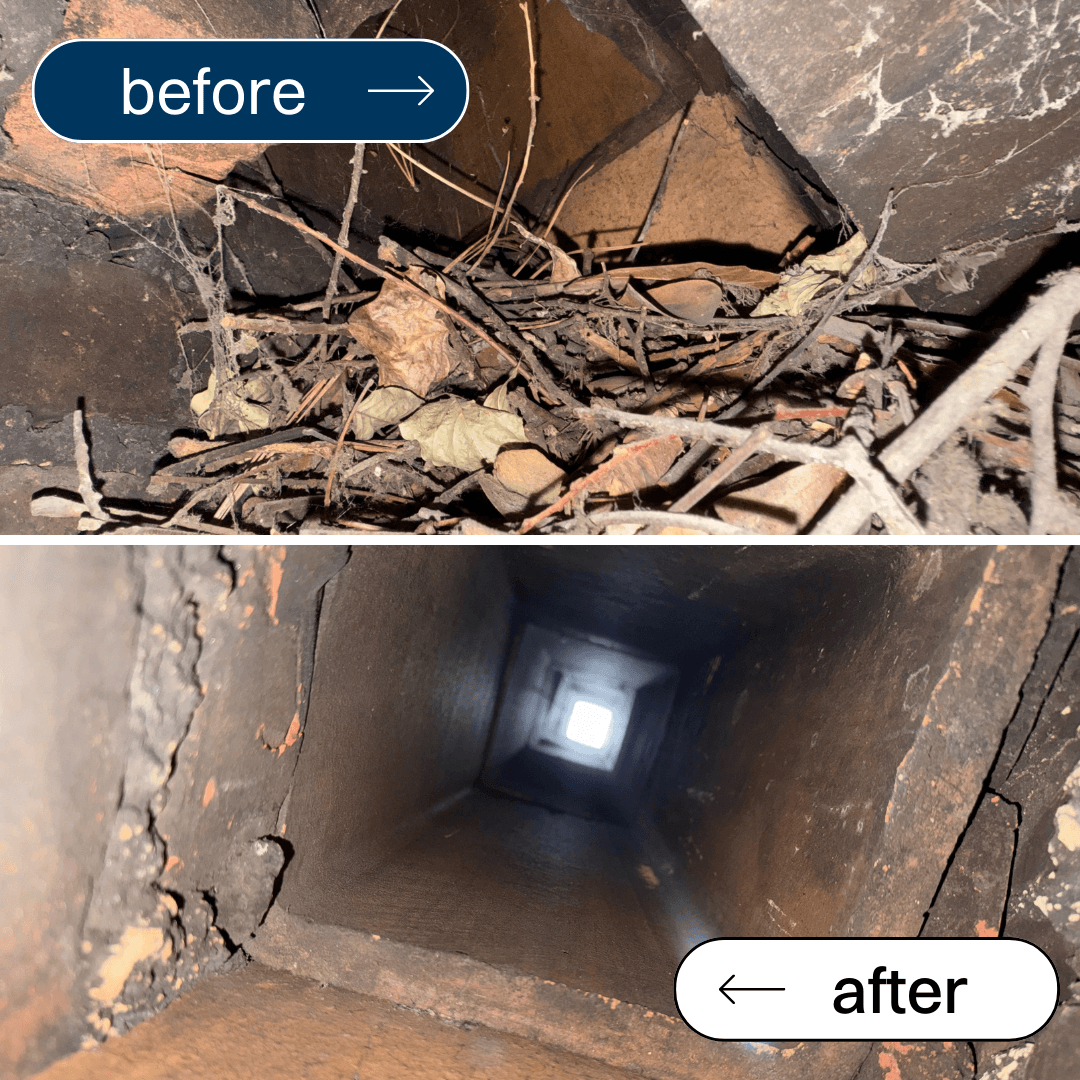
  4. Look up the flue path We check for blockage, glaze like creosote, and signs of damaged liners
  5. Inspect the exterior We check the visible masonry, crown, flashing area, cap, and signs of water entry
  6. Review findings with you We explain what is normal, what is not, and what actions make sense next

If you are home during the inspection, we will also point out simple habits that help, like how to set the damper before starting a fire. If buildup is heavy, we may recommend scheduling a chimney flue cleaning next.

What we inspect during a visit

We inspect the parts that protect your home, not just the parts you can see. A chimney system is more than bricks and a firebox. It is a venting path that handles heat, smoke, and gases. When it works right, you barely notice it. When it does not, it gets your attention fast.

During a Chimney Inspection, we commonly check

  • Firebox walls and floor
  • Smoke chamber area as accessible
  • Damper operation and fit
  • Flue liner condition clay tile, metal, or other
  • Evidence of creosote stages and soot buildup
  • Chimney crown and masonry condition
  • Chimney cap and spark arrestor screen
  • Flashing area where the chimney meets the roofline
  • Signs of moisture intrusion and staining

If we find heavy buildup or a blockage, we will explain what that means for safe operation. Sometimes the best move is to pause fireplace use until the issue is resolved, then follow with a chimney sweep or the right repair.

Need Help? Call Us For Air Duct Services!

Inspection levels and situations

Inspection levels depend on your situation, your plans, and what we can access safely. Not every home needs the same depth of inspection at the same time. The right approach depends on changes to the system, unusual symptoms, or a recent event that may have affected the chimney.

Here is a simple way to think about inspection depth

SituationWhat the inspection focuses onWhy it matters
Routine seasonal checkVisible firebox, damper, flue condition, exterior basicsCatches early signs of buildup, wear, or water entry
After smoke drafting issuesAirflow, blockage points, damper function, cap screenPinpoints why smoke is entering the room
After water concernsCrown, cap, flashing area, staining, rust, mortar conditionWater can damage liners and masonry over time
After a change new appliance or remodelVenting compatibility, draft behavior, visible conditionChanges in airflow can affect performance

If you are buying or selling a home, an inspection can also help clarify the condition of the fireplace system before it becomes a surprise later. If the flue or liner shows damage, we may discuss options like chimney relining.

How long inspections take

Most chimney inspections are quick, but access and condition can slow things down. Many inspections can be completed within a single visit, though the exact time depends on layout, roof access, and how much buildup is present. A tall roofline, tight attic access, or heavy soot can require extra care.

A few factors that can affect timing

  1. Roof pitch and access Safety comes first, and some rooflines need special planning
  2. Multiple appliances venting More connections can mean more areas to check
  3. Heavy creosote or debris Thick buildup can limit visibility
  4. Animal nesting Removal and cleanup may be needed before a full view is possible
  5. Weather Rain and slick surfaces can limit exterior checks

If exterior access is not safe on the day of service, we will talk through options instead of taking risks. In some situations, adding a camera inspection can help document conditions where visibility is limited.

When to stop using the fireplace

Stop using the fireplace and call a pro when you see smoke, strong odors, or signs of blockage. Fireplaces are not forgiving when airflow is restricted. If smoke enters the home, or you smell strong smoke odors without a fire going, treat it as a warning.

Pause fireplace use and reach out if you notice
  1. Smoke spilling from the opening during start up or during normal burning
  2. A loud whoosh, rumble, or very intense flame behavior
  3. Falling debris from above the firebox
  4. A strong creosote smell that gets worse in humid weather
  5. Visible cracks in the firebox panels or loose bricks
  6. Water dripping into the firebox or rust on the damper

If you suspect a chimney fire happened, do not use the fireplace again until it is inspected. Even small events can leave damage behind that is easy to miss without a proper look, and repairs may range from firebox repair to more extensive chimney work.

How to prepare for your appointment

You can prep your home in a few minutes and help the inspection go smoother. A little preparation helps us work efficiently and keeps your home cleaner. No need to do anything complicated.

Before we arrive

  1. Make sure the fireplace is cool and has not been used recently
  2. Move decor, baskets, and furniture a few feet away from the hearth
  3. Clear a walking path to the fireplace area
  4. Secure pets in another room if they are curious or protective
  5. Tell us about any past leaks, odors, or smoke issues you have noticed

Have you had roof work done near the chimney recently? Tell us. Flashing and caps can be disturbed during roofing projects, even with good intentions, and that may point to needed chimney flashing repair and replacement.

After the inspection

After the inspection, you should watch for drafts, odors, and moisture changes. Once you know the condition of the chimney, the next step is keeping it stable through the season. Your nose is often your first alert system, especially in humid Georgia weather.

Keep an eye out for

  1. Musty or smoky odors that show up after rain
  2. New staining on the ceiling near the chimney chase
  3. Rust that appears or worsens on metal parts
  4. A sudden change in draft behavior
  5. Bits of tile, soot clumps, or nesting material in the firebox

Clean Air Duct Cleaning & Chimney

A few practical habits help between inspections
  1. Burn dry, seasoned firewood when using a wood fireplace
  2. Avoid smoldering fires that create extra smoke and buildup
  3. Keep the damper closed when the fireplace is not in use, unless it is designed to stay open
  4. Use a fireplace screen and keep the area clean to spot new debris quickly

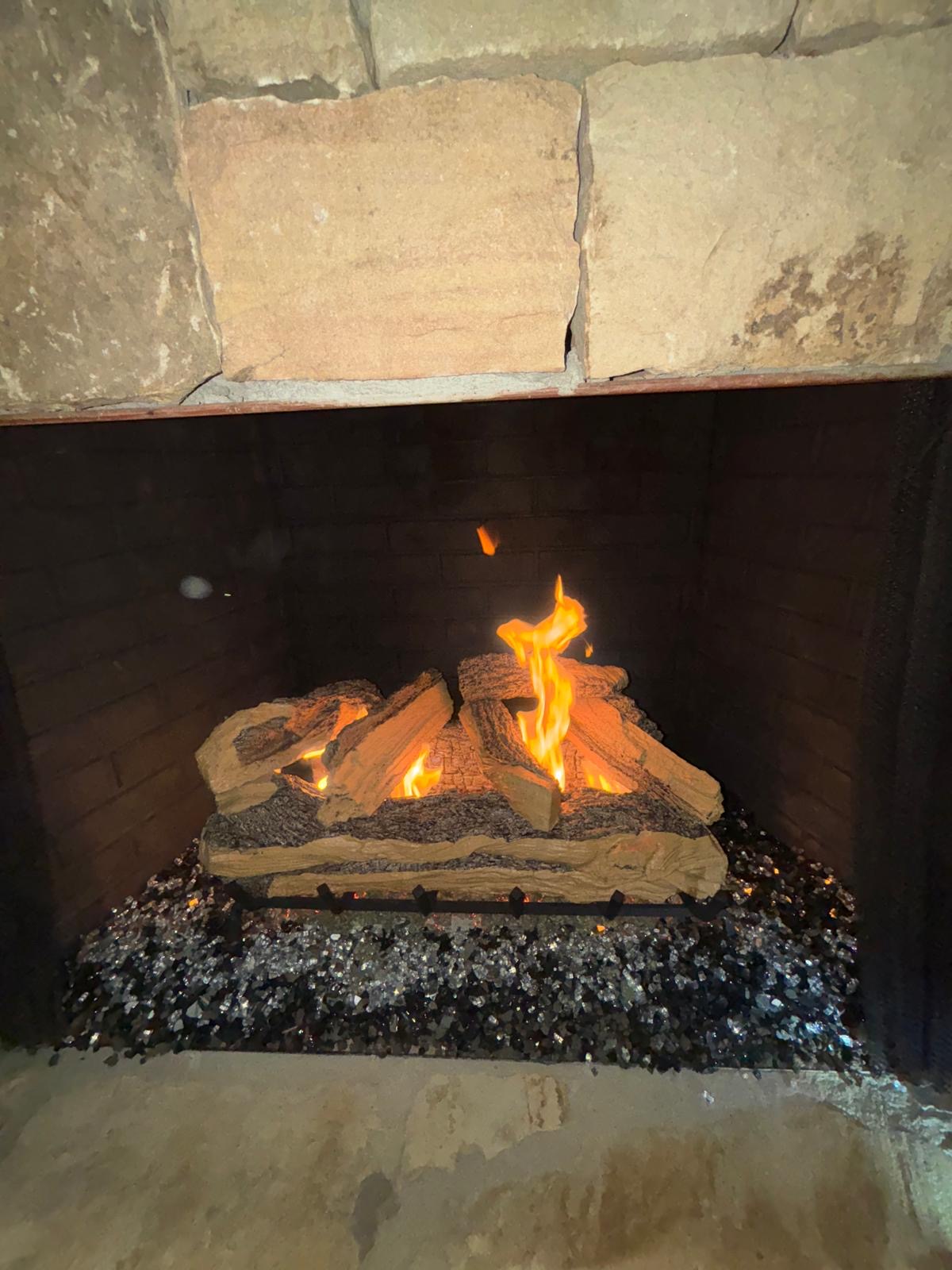
If your fireplace is gas, the inspection still matters. Venting and moisture issues can still show up, and animals do not care what fuel you use. If you rely on gas, consider a gas chimney inspection when symptoms show up or after changes to the system.

Atlanta conditions that affect chimneys

Atlanta homes face specific chimney stress from humidity, storms, and wildlife. Atlanta, GA sees plenty of rain and humid days, and that moisture can work its way into masonry and metal parts over time. Summer storms can also loosen caps, shift masonry, or clog screens with debris.

A few local realities we see around Atlanta

  1. Humidity driven odors Creosote smells can get stronger when the air is damp
  2. Water entry around the top Crowns and caps take a beating from sun and storms
  3. Animal activity Birds and small animals like chimneys because they are warm, dark, and safe from the world outside
  4. Older masonry Some neighborhoods have older fireplaces with mortar that needs attention
  5. Home airflow changes Renovations, tighter windows, and strong exhaust fans can affect draft

Do you open a window to help the fireplace draft? That trick can hint at negative pressure. It is common, and it is fixable once you know the cause, and the same airflow approach we use in air duct testing can help explain how air moves through the home.

Why homeowners choose us

Homeowners choose Clean Air Duct Cleaning & Chimney because we explain what we see in plain language. You should not need a dictionary to understand your own chimney. We keep the conversation clear and focused on what matters safety, function, and the next practical step.

What you can expect from our team
  • Straightforward inspection steps that match your situation
  • Clear notes on visible concerns and where they are located
  • Respect for your home, with careful movement and cleanup awareness
  • A calm approach when we find issues, because panic does not help anyone

Our business is known for air duct cleaning service work, and we bring that same airflow mindset to chimney venting. Draft problems, blockages, and buildup all come back to how air moves through your home.

Booking your chimney inspection

Booking is simple, and the next step is a quick call or online request. If you are ready to schedule Chimney Inspection in Atlanta, we can help you pick a time that fits your week and talk through what you have noticed. If you are not sure an inspection is needed, tell us what is going on and we will help you sort it out. If you also suspect moisture entry at the top, we can discuss chimney cap installation and other ways to reduce water and animal issues.

Related Services

For Chimney Inspection in Atlanta, call (470) 706-6431 or schedule through our Contact Us page.

If your fireplace has been unused for a while, why wait until the first cold night to find out something is wrong? A chimney should vent smoke, not create it indoors.

Frequently Asked Questions (FAQs)

A chimney inspection is a visual and functional check of the chimney structure, flue, and related components to help identify safety concerns, damage, or maintenance needs.
Clean Air Duct Cleaning & Chimney provides chimney inspection services, along with other chimney and ventilation-related services.
Inspections can help detect issues like creosote buildup, blockages, deterioration, or venting problems that may affect safety and performance.
Many homeowners schedule an inspection periodically, especially if they use the fireplace or stove regularly, or after long periods of non-use.
Inspections commonly include the firebox, damper, smoke chamber, flue liner, chimney exterior, cap, and flashing, depending on access and chimney type.
Signs can include smoke entering the room, unusual odors, poor draft, visible cracks, water staining, or debris falling into the fireplace.
No. An inspection focuses on evaluating condition and safety, while cleaning focuses on removing soot, creosote, and debris; they are often scheduled together when appropriate.
It may help identify potential causes such as airflow restrictions, buildup, or venting concerns, which can contribute to odors or smoke issues.
Even infrequent use can still involve risks from blockage, moisture damage, or deterioration, so an inspection can be a practical step before using it again.
Make sure the fireplace area is accessible, remove fragile items nearby, and share any concerns or recent changes (like renovations or water leaks) with the inspector.
Why Your Home Airflow Drops When Dust Builds Up in Ducts

Why Your Home Airflow Drops When Dust Builds Up in Ducts

Your home airflow drops when dust builds up in ducts because that dust acts like…

Why Regular Chimney Sweeping Helps Keep Your Fireplace Safe

Why Regular Chimney Sweeping Helps Keep Your Fireplace Safe

A clean chimney lets smoke move out of your home, not back into your face.…

Signs Your Air Ducts Need Cleaning Before the Seasons Change in Atlanta, GA

Signs Your Air Ducts Need Cleaning Before the Seasons Change in Atlanta, GA

Your air ducts may need cleaning before a seasonal change if you notice more dust,…

How Creosote Forms and Why It Needs Removal

How Creosote Forms and Why It Needs Removal

Creosote forms when wood smoke cools inside your chimney and turns into a sticky, dark…

Dryer Vent Lint Buildup and Fire Risk, What Every Atlanta Homeowner Should Know

Dryer Vent Lint Buildup and Fire Risk, What Every Atlanta Homeowner Should Know

Lint buildup in a dryer vent raises fire risk because it blocks airflow. When hot…

Why Annual Chimney Inspections Protect Your Fireplace and Home

Why Annual Chimney Inspections Protect Your Fireplace and Home

An annual chimney inspection helps you catch hidden trouble before it grows. A pro can…