1. Home
  2. »
  3. Dryer Vent Rerouting

Dryer Vent Rerouting in Atlanta, GA

Dryer Vent Rerouting In Atlanta improves safety and drying time. Clean Air Duct Cleaning & Chimney provides code ready routing, installs and repairs. Call today
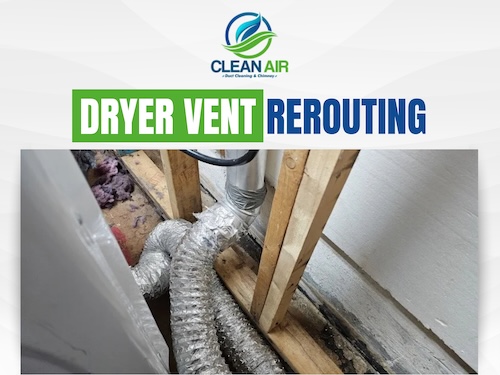
Table of Contents
Dryer Vent Rerouting In Atlanta by Clean Air Experts
Dryer Vent Rerouting In Atlanta improves safety and drying time. Clean Air Duct Cleaning & Chimney provides code ready routing, installs and repairs. Call today

Dryer Vent Rerouting

Dryer vent rerouting changes the path your dryer exhaust takes so it exits your home safely and efficiently.

Clean Air Duct Cleaning & Chimney handles Dryer Vent Rerouting In Atlanta to fix long runs, crushed flex hose, bad terminations, and problem layouts that slow drying and raise risk. We inspect the full route, recommend a cleaner path, and complete the reroute with solid, code ready venting practices.

Need Help? Call Clean Air Duct Cleaning & Chimney Near You

What dryer vent rerouting means

Dryer vent rerouting means moving or rebuilding the vent path so air flows out fast and safely.

A dryer is basically a warm air machine that needs an easy way to push lint filled exhaust outdoors. If the vent route is too long, has too many turns, or uses the wrong materials, the dryer struggles. That struggle shows up as longer dry times, more heat, and more lint collecting where it should not.

Dryer vent rerouting usually includes changing the direction, length, connection points, materials, or termination location of the vent. Sometimes the best fix is a full reroute. Other times, a partial reroute and repair is enough.

If you are unsure what your home has, you are not alone. Many homeowners in Atlanta, GA do not know where the dryer vent exits until problems start.

Why Dryer Vent Rerouting In Atlanta helps

Dryer Vent Rerouting In Atlanta often solves slow drying and safety concerns caused by poor vent layouts.

Homes across Atlanta and nearby areas have laundry rooms in interior spaces, basements, garages, or second floors. Those layouts can force a long vent run. Add a few sharp turns, a sagging flex line, or a roof termination, and the vent can become a lint trap. When buildup is part of the issue, dryer vent cleaning can be a key part of the fix.

A reroute is not only about comfort. It is also about risk control. Lint is very flammable. A dryer that cannot breathe can run hotter and longer than it should. That is a bad mix.

Ask yourself a simple question. If your dryer had to breathe through a straw, would it work well. That is what many vent setups look like once they are packed with lint.

Signs you may need rerouting

You may need rerouting if drying takes longer, the laundry area feels hot, or lint keeps showing up.

Dryers should not need multiple cycles for normal loads. If they do, the vent route is one of the first things to check. You can also spot warning signs around the laundry area and at the exterior vent hood. If you want a clear starting point, schedule a dryer vent inspection.

Common signs we hear about include

  • Clothes still damp after a full cycle
  • The dryer feels hotter than usual on the outside
  • The laundry room feels warm or humid during drying
  • A burning smell that comes and goes
  • Lint on the wall behind the dryer or around the vent connection
  • The exterior vent flap barely opens, or it stays stuck open
  • The vent hood is blocked, damaged, or missing a proper cover
  • The flexible hose is crushed when the dryer is pushed back

If any of these sound familiar, it is smart to stop guessing and get the vent path checked. How many loads are you running each week. The more you run, the more fast a bad route shows itself. Routine dryer vent maintenance can help catch restrictions before they turn into major problems.

Common causes of bad vent routes

Bad vent routes are usually caused by long runs, too many elbows, and wrong materials behind the dryer.

A dryer vent should move air smoothly. Many vents fail because the route was built for convenience during construction, not long term airflow. Renovations can also leave the vent in a rough state, especially when a laundry room is relocated. If the system has leaks or disconnected joints, duct leakage testing can help identify where air is escaping in related ductwork areas.

Here are common causes we find

  1. The vent run is too long. Longer runs increase resistance and collect lint faster.
  2. Too many turns. Each elbow slows airflow and creates a spot where lint piles up.
  3. Flexible foil or thin plastic hose. These sag, tear, and trap lint.
  4. A crushed connection behind the dryer. Pushing the dryer back can pinch the line shut.
  5. A roof exit. Roof terminations can be harder to maintain and can clog easier.
  6. Shared or improper connections. Dryer vents should not tie into bathroom vents, attic vents, or other systems.
  7. Improper termination. Screens, broken flaps, and blocked covers can stop airflow.
  8. Hidden damage. Nails, screws, or construction debris inside the duct can snag lint.

A vent can look fine from the outside and still be failing inside the wall or ceiling. That is why a proper inspection matters before anyone starts moving ductwork. When visibility is limited, a camera inspection can help confirm what is happening inside the run.

Our inspection and planning process

Our visit starts with tracing the full vent path and checking airflow, materials, and termination points.

Clean Air Duct Cleaning & Chimney focuses on the full system, not just the short piece behind the dryer. We want to see where the duct runs, how it turns, what it is made of, and where it exits your home. If indoor airflow problems show up alongside exhaust issues, air duct testing can add helpful context.

A typical rerouting appointment includes

  1. Talk through the problem. We ask what you are noticing and when it started.
  2. Check the dryer connection. We inspect the transition duct and how the dryer is hooked up.
  3. Trace the route. We follow the vent path through accessible areas.
  4. Inspect the exit. We check the exterior hood, flap movement, and blockage risks.
  5. Identify restrictions. We look for crushed spots, sagging, sharp turns, and poor materials.
  6. Plan the new route. We propose a path that supports smoother airflow and safer venting.
  7. Confirm placement and access. We consider access panels, future cleaning, and practical maintenance.
Safety comes first

We also call out any safety issue we see right away. If something looks unsafe to keep running, we will tell you plainly.

What rerouting may include

Dryer Vent Rerouting is usually a mix of rerouting, repair, and smart vent material upgrades.

Every home is different. Some homes need a full reroute from the laundry room to a better exterior wall. Others need a shorter correction that removes one problem section. The goal stays the same move exhaust outdoors with fewer restrictions. When a new route requires rebuilding sections, dryer vent installation work may be part of the plan.

Service options we commonly provide include

  • Rerouting the vent to a closer exterior wall when possible
  • Replacing long flex sections with rigid metal duct
  • Reducing the number of elbows and removing unnecessary turns
  • Rebuilding crushed or damaged sections
  • Correcting poor termination points and adding a proper exterior hood
  • Sealing connections to reduce lint leakage
  • Adjusting the dryer position and connection to prevent future crushing
  • Setting up access points that make future cleaning easier

Need Help? Call Us For Air Duct Services!

When the vent does not exit outdoors

If your vent currently exits into a garage, attic, crawl space, or other indoor area, that is a serious issue. Dryer exhaust needs to go outside. Moisture and lint inside enclosed spaces can lead to odor, mold problems, and fire risk. If you are already dealing with moisture or growth concerns, mold treatment may be needed after the venting issue is corrected.

What results to expect after rerouting

Rerouting often improves drying time because the dryer can move air without fighting the duct.

A dryer is built to push a certain amount of air. When the vent fights back, the dryer runs longer, cycles oddly, and can overheat. A cleaner route usually means less run time and less strain. If lint buildup is present, pairing rerouting with dryer vent cleaning can help results show up faster.

People notice improvements like

  • Loads drying in fewer cycles
  • Less heat building up in the laundry room
  • Less lint collecting behind the dryer
  • A vent hood flap that opens strongly during operation

A dryer vent should not behave like a slow drip faucet. You want steady airflow out of the home.

Best routing and material choices

The best vent routes are short, smooth, and built with rigid metal whenever possible.

Materials and geometry matter. Rigid metal duct holds its shape and keeps airflow consistent. It also resists crushing better than flex hose. Flex duct has a place for short connections, but long flex runs are trouble. For background on lint and ventilation concepts, you can review information on ducts.

Here is a quick comparison to keep it simple

Vent setup choiceWhat usually happensBetter direction
Long flex duct runSags and traps lintUse rigid metal for the run
Many sharp elbowsAdds restriction pointsReduce turns, use gentle routing
Roof terminationHarder to maintainPrefer a wall termination when possible
Screened vent hoodTraps lint fastUse a proper hood without a screen

We look at what your home can support and what makes sense for maintenance. The best route is the one you can keep clean without needing gymnastics in the attic. If you want ongoing help keeping systems performing well, ask about air duct maintenance for other parts of your ventilation setup.

How long rerouting takes

Timelines depend on access, route length, and how much duct has to be rebuilt.

Many reroutes can be handled in a single visit, but the time can change based on layout. A laundry room on an interior wall can take longer than one on an exterior wall. Tight attic access also slows things down. If repairs are needed along the way, dryer vent repair work may be included.

Things that can add time include

  1. Limited access behind walls or ceilings
  2. Multiple floors between the dryer and the exterior exit
  3. The need to remove old duct that is damaged or unsafe
  4. A termination location that needs to be moved
  5. Previous remodel work that blocked the original route

We keep the process clear so you know what is happening and why. Nobody likes surprises in their laundry room, except maybe finding a missing sock. And even that is questionable.

When to stop and call a pro

You should stop and call a pro if you smell burning, see heavy lint buildup, or suspect the vent ends inside the home.

Some dryer issues are annoying. Others are a turn it off moment. If you notice a burning smell, the dryer shutting off from heat, or a vent that is clearly not venting outdoors, pause and get it checked. A focused dryer vent inspection can identify the route problem before it gets worse.

Safety notes that matter

  • Do not run the dryer if the vent hose is disconnected
  • Do not vent into an attic, crawl space, garage, or inside wall cavity
  • Do not use thin plastic vent hose
  • Do not ignore repeated overheating or burning smells
  • Clean lint filters every load, but remember that the filter is not the whole lint story

If you have gas appliances nearby, you also want to avoid creating negative pressure or venting conflicts. We keep an eye on venting layout so systems do not interfere with each other. For related work in the home, see our gas appliances service page.

How to prepare for the appointment

You can prepare by clearing the area, keeping pets away, and sharing what you have noticed.

A little prep makes the visit smoother. You do not need to remodel the room. Just make the area easy to work in. If access is tight, tell us ahead of time so we arrive ready, similar to how we plan around access needs during air duct cleaning visits.

Before we arrive, it helps to

  1. Clear items from behind and beside the dryer if you can
  2. Make a path to the laundry room and the exterior vent location
  3. Keep pets in a separate area
  4. Share any past repairs, remodel notes, or recurring issues
  5. Point out odd noises, smells, or shutoffs you have noticed

If your dryer is stacked or in a tight closet, do not worry. Tell us ahead of time so we arrive ready for the space.

After rerouting maintenance habits

After rerouting, simple habits help keep the vent clear and the dryer running normally.

Once the vent route is improved, maintenance becomes easier. Lint will still exist. The goal is to keep it moving out of the home instead of collecting inside the duct. Regular dryer vent maintenance supports long term performance.

Good habits include

  1. Clean the lint screen every load
  2. Do not overload the dryer
  3. Watch dry times. A sudden change can signal a new restriction
  4. Check the exterior vent flap now and then while the dryer runs
  5. Keep the area behind the dryer from getting packed with stored items

If you ever notice the flap not opening or lint blowing around outside the hood, that is a sign to have the vent checked and cleaned.

Atlanta and Georgia vent layout challenges

Atlanta homes often need rerouting after remodels, laundry room moves, or years of patchwork vent repairs.

Atlanta, Georgia has a wide mix of home styles, from older homes with add on laundry spaces to newer builds with laundry rooms upstairs. Both can create vent challenges. When changes inside the home affect air pathways, services like duct balancing can also be useful for overall airflow comfort.

Local scenarios we often see include

  • Laundry moved from a porch or basement into a hallway closet
  • Second floor laundry vented through long attic runs
  • Garage laundry setups with vents routed in odd directions
  • Older vents that used materials that do not hold up well over time
  • Exterior vent hoods hidden behind shrubs, decks, or additions

If you are in Metro Atlanta and your dryer vent route has been fixed a few times, a reroute can be the clean reset that finally makes the system behave. If you want to learn more about our team, visit our About Us page.

Clean Air Duct Cleaning & Chimney

Why homeowners choose our team

Homeowners call Clean Air Duct Cleaning & Chimney because we focus on practical fixes that support airflow and safer venting.

We work on ventilation and exhaust paths every day, so we pay attention to the details that cause repeat problems. That includes the shape of the route, connection points, termination quality, and how easy it will be to maintain later. For broader indoor air improvements, some homeowners also consider a UV air purifier as part of their overall plan.

What you can expect from our team

  • Straight talk about what is wrong and what is not
  • Clear options based on your home layout
  • Clean work habits and respect for your space
  • A focus on routes that can be cleaned and maintained
  • Helpful tips for dryer use and lint control

Do you want the vent fixed once and not thought about again every week. That is the point of doing the routing the right way.

When to schedule Dryer Vent Rerouting In Atlanta

Dryer Vent Rerouting In Atlanta is worth scheduling if your vent path is long, cramped, or showing warning signs.

If your dryer is running hot, taking too long, or venting poorly, a reroute can turn a frustrating setup into a simple, smooth exhaust path. Clean Air Duct Cleaning & Chimney can inspect the full route, correct the layout, and rebuild problem sections with better materials and connections.

For Dryer Vent Rerouting In Atlanta, call (470) 706-6431 or visit the homepage to schedule service.

Pair rerouting with cleaning when needed

Dryer Vent Rerouting also pairs well with vent cleaning when lint buildup is part of the problem.

A reroute fixes the path, but lint already in the line still needs attention. If a vent has been struggling for a while, lint often collects in the worst spots, like elbows and low sections. Adding dryer vent cleaning can help airflow start strong once the path is corrected.

We often recommend addressing both issues when needed

  1. Fix the route so it stops trapping lint
  2. Clear the line so airflow is not starting at a disadvantage
  3. Recheck airflow and termination performance at the end

That is how you avoid doing half the job and wondering why the dryer still feels sluggish.

Termination points and exterior vent hoods

A good termination point sends exhaust outside cleanly without letting pests or weather back in.

Where the vent exits matters more than most people think. A damaged hood can let rain in. A stuck flap can trap moist air. Poor placement can also blow lint onto walkways, decks, or condenser units. If you suspect a damaged hood or a blocked exit, start with a dryer vent inspection so the right correction can be planned.

We look for termination choices that

  • Open freely during operation
  • Close properly when the dryer is off
  • Sit in a spot you can reach for routine checks
  • Avoid screens that clog with lint
  • Avoid exhaust blowing straight into tight corners or enclosed areas

If your current termination is on the roof or in a hard to reach spot, rerouting to a better exit can make future maintenance much simpler.

The goal

The goal is a dryer vent system that works quietly in the background and stays easy to maintain.

A dryer should dry. It should not turn laundry day into a marathon. With a clean route, solid connections, and a proper exterior exit, your dryer can move air the way it was meant to.

Related Services

If you are ready to fix the route instead of chasing symptoms, reach out to Clean Air Duct Cleaning & Chimney. For Dryer Vent Rerouting, call (470) 706-6431 or use our Contact Us page to schedule.

Frequently Asked Questions (FAQs)

Dryer vent rerouting is changing the path your dryer exhaust duct takes to reach an exterior vent, often to improve layout, accessibility, or overall venting performance.
Common reasons include a remodel, relocating the dryer, replacing damaged ductwork, correcting an impractical route, or updating an older setup to better match current venting best practices.
Longer runs and multiple turns can make it harder for air and lint to move through the duct, which may contribute to slower drying and increased lint buildup over time.
Typical signs include longer drying times, the dryer area feeling unusually warm or humid, excess lint around the dryer, or a vent outlet outside that seems to have weak airflow.
Dryer vents are generally routed to an exterior termination point; the exact route depends on the home’s layout, building materials, and practical access for installation and maintenance.
Many setups use rigid or semi-rigid metal ducting where feasible, with connections and fittings selected to support airflow and allow for service access.
Yes. Vent routing and termination typically need to follow applicable building and safety guidelines, including appropriate materials, termination location, and avoiding improper connections.
Rerouting can help by creating a more straightforward path that supports better airflow, but regular maintenance and periodic cleaning are still important for most systems.
They typically review the current vent path, identify restrictions or problem areas, consider feasible exterior exit points, and plan a route that supports airflow and ongoing serviceability.
Clean Air Duct Cleaning & Chimney provides dryer vent rerouting services and can discuss general options based on your home’s layout and existing vent configuration.
Why Your Home Airflow Drops When Dust Builds Up in Ducts

Why Your Home Airflow Drops When Dust Builds Up in Ducts

Your home airflow drops when dust builds up in ducts because that dust acts like…

Why Regular Chimney Sweeping Helps Keep Your Fireplace Safe

Why Regular Chimney Sweeping Helps Keep Your Fireplace Safe

A clean chimney lets smoke move out of your home, not back into your face.…

Signs Your Air Ducts Need Cleaning Before the Seasons Change in Atlanta, GA

Signs Your Air Ducts Need Cleaning Before the Seasons Change in Atlanta, GA

Your air ducts may need cleaning before a seasonal change if you notice more dust,…

How Creosote Forms and Why It Needs Removal

How Creosote Forms and Why It Needs Removal

Creosote forms when wood smoke cools inside your chimney and turns into a sticky, dark…

Dryer Vent Lint Buildup and Fire Risk, What Every Atlanta Homeowner Should Know

Dryer Vent Lint Buildup and Fire Risk, What Every Atlanta Homeowner Should Know

Lint buildup in a dryer vent raises fire risk because it blocks airflow. When hot…

Why Annual Chimney Inspections Protect Your Fireplace and Home

Why Annual Chimney Inspections Protect Your Fireplace and Home

An annual chimney inspection helps you catch hidden trouble before it grows. A pro can…