1. Home
  2. »
  3. Fireplace Restoration

Fireplace Restoration in Atlanta, GA

Get Fireplace Restoration In Atlanta from Clean Air Duct Cleaning and Chimney. Repairs rebuilds inspections and masonry work. Book a quote today
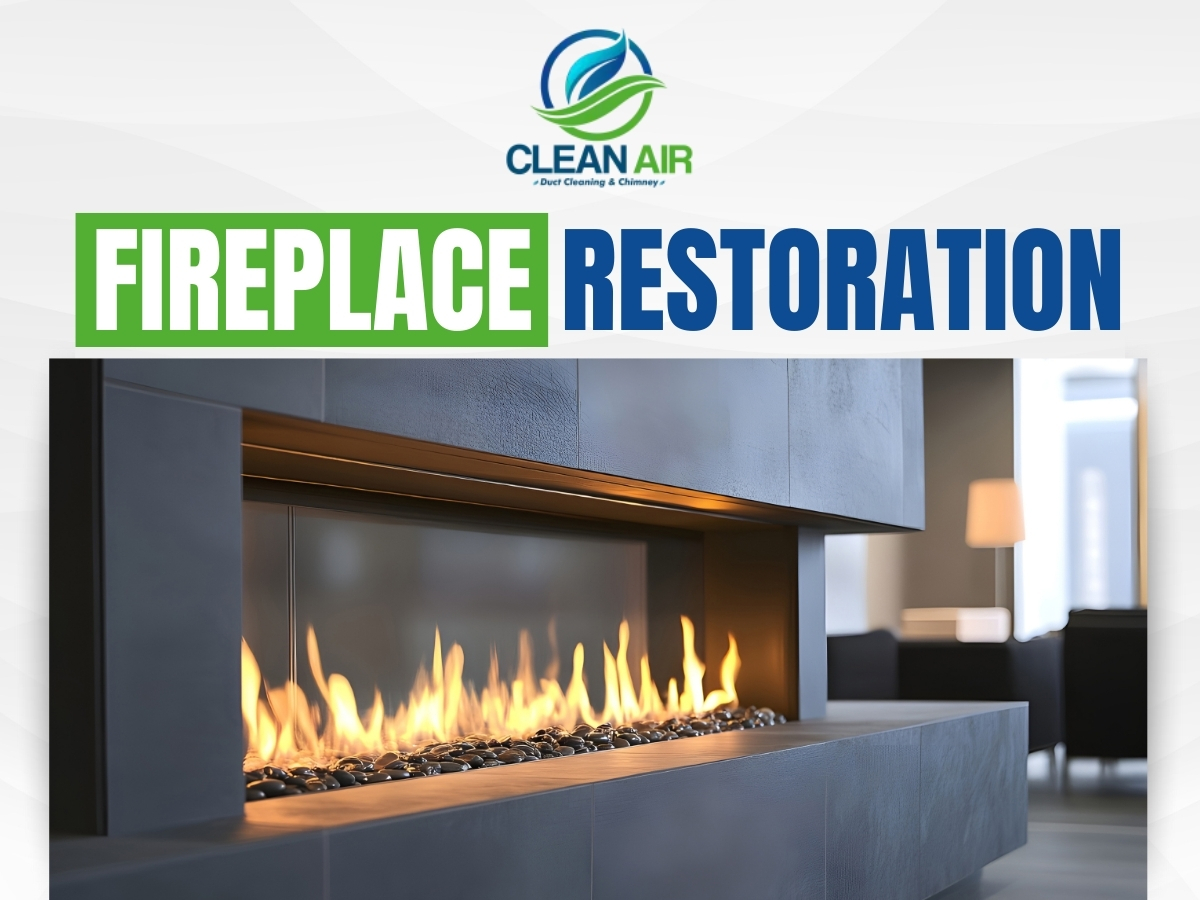
Table of Contents
Fireplace Restoration In Atlanta by Clean Air Duct Cleaning
Get Fireplace Restoration In Atlanta from Clean Air Duct Cleaning and Chimney. Repairs rebuilds inspections and masonry work. Book a quote today

Fireplace Restoration

Fireplace Restoration in Atlanta brings worn, smoky, or damaged fireplaces back to safe, good-looking use.

Clean Air Duct Cleaning & Chimney handles Fireplace Restoration in Atlanta with careful inspections, masonry repairs, firebox work, smoke chamber fixes, and chimney support so your system drafts right and your home stays cleaner.

Fireplace Restoration in Atlanta also helps stop stains and odors.

Need Help? Call Clean Air Duct Cleaning & Chimney Near You

What fireplace restoration does

Fireplace restoration fixes damage and draft issues so your fireplace works like it should. Fireplace restoration is the hands-on repair and rebuild work that restores how your fireplace burns, vents, and looks. It can include masonry repair, firebox repair, smoke chamber patching, damper work, and flue-related corrections that improve draft.

A fireplace is a system, not just a pretty opening in a wall. If one part is cracked, loose, or blocked, the whole thing can act up. That can mean smoke in the room, strong odors, or stains around the opening.

Clean Air Duct Cleaning & Chimney serves homeowners across Atlanta, Georgia, with practical repair options. We focus on what your fireplace needs for safer use and better performance. Do you want this fireplace mainly for heat, for ambiance, or both. That answer shapes the right repair plan. If indoor air feels dusty or stale, pairing the plan with air duct cleaning can help address the full home airflow picture.

Signs you may need restoration

You may need restoration if you see smoke, crumbling brick, or water stains. A fireplace usually gives warning signs before it turns into a bigger mess. Some signs are obvious. Others hide until you look closely with a light.

Common signs that point to repair or rebuild work

  1. Smoke enters the room when you light a fire
  2. You smell strong soot or a damp, musty odor near the fireplace
  3. Mortar joints look sandy, cracked, or missing
  4. Bricks are spalling, flaking, or breaking apart
  5. The firebox panels are cracked or pieces are loose
  6. The damper sticks, will not open fully, or will not close
  7. Black staining grows around the opening or on the facing
  8. White chalky buildup appears on masonry, often after rain
  9. Rust shows on the damper, doors, or metal parts
  10. You see gaps where the fireplace meets the wall or surround

If you notice any of these, pause on using the fireplace until it is checked. A quick burn to test it often turns into a smoky living room. For a closer look at venting conditions, start with a fireplace safety inspection and consider a chimney inspection if draft and odor issues are involved.

Common causes of fireplace damage

Most fireplace damage starts with moisture, heat stress, or poor venting. Fireplaces handle high heat, but they do not like water. Many problems begin when rain, humidity, or roof runoff finds its way into masonry or metal parts. Atlanta’s humid seasons can speed up rust and mortar breakdown when a chimney cap, crown, or flashing is failing.

Common causes we see in and around Atlanta GA

  1. Water entry at the top of the chimney, including crown cracks or missing cap coverage
  2. Damper and smoke shelf rust from moisture and condensation
  3. Freeze and thaw cycles that widen small cracks in masonry
  4. Past patch jobs that used the wrong mortar and did not bond well
  5. Creosote buildup that restricts draft and holds odors
  6. Settling that opens gaps in joints or causes small shifts
  7. Flue issues that lead to smoke roll-out and staining

Draft problems also cause a lot of frustration. A fireplace can look fine yet still smoke because air flow is off. Draft can be affected by a blocked flue, a tight house, or negative pressure from exhaust fans. If your fire puffs smoke when the bathroom fan is on, that is a strong clue. In some homes, balancing airflow with duct balancing or confirming system performance with air duct testing can reduce pressure issues that affect venting.

Our inspection and repair approach

Our visit starts with a close inspection so repairs match what your fireplace needs. We start by looking at the full fireplace system, not only what is visible from the room. The goal is to find the source of the problem, then choose repairs that solve it, not cover it up.

A typical visit includes

  1. Talk through what you are seeing, smelling, or hearing
  2. Inspect the firebox, smoke chamber, damper area, and visible masonry
  3. Check for cracking, missing mortar, loose bricks, and staining patterns
  4. Look for water entry signs, rust, and soot trails
  5. Review venting concerns tied to draft, smoke, and odors
  6. Explain what repairs are needed now and what can be planned later

We keep the discussion plain and practical. If something is fine, we say so. If something needs attention soon, we explain why and what could happen if it waits. Do you use your fireplace weekly, or only a few times a year. Usage matters because small issues can grow faster with regular burning. When access is limited or symptoms are unclear, a camera inspection can help confirm conditions in hard-to-see areas.

Restoration options we provide

Fireplace restoration may include firebox repairs, masonry work, damper fixes, and draft corrections. Fireplace repair is not one size fits all. Some fireplaces need a small masonry repair. Others need deeper work to make the firebox safe and the draft steady. When needed, we coordinate fireplace work with chimney services such as chimney repair so the whole system works together.

Common restoration options

  1. Firebox repair for cracked panels, worn joints, or heat-damaged surfaces
  2. Smoke chamber patching when the area above the firebox has gaps or rough surfaces that catch soot
  3. Damper repair or replacement when it will not open, seal, or move smoothly
  4. Masonry tuckpointing to replace weak mortar joints
  5. Brick repair when faces have flaked or bricks have loosened
  6. Chimney crown and top repairs when water is entering from above
  7. Flashing support work when leaks show up around the roofline
  8. Draft improvement steps based on the way your home moves air, often supported by chimney flue cleaning

Some projects also include correcting past repairs that used the wrong materials. A mismatch mortar can crumble early or trap moisture. We choose materials that fit the existing masonry and the job at hand. For background on creosote and how it forms, see Creosote.

Need Help? Call Us For Air Duct Services!

Firebox repairs

Firebox repairs restore the area that takes the most heat. The firebox is the working engine bay of the fireplace. It absorbs direct flame and high heat, so small cracks can widen over time.

During firebox repair we may
  1. Remove loose or damaged material
  2. Rebuild joints with proper heat-rated materials where needed
  3. Address gaps that can leak smoke or heat into unwanted places
  4. Leave a clean, solid burn area that is ready for use once cured

If you can see cracks from the room, there may be more hiding in corners. A flashlight check often tells the story. If the firebox needs more extensive work, we may discuss firebox replacement when repair is no longer the right fit.

Masonry repairs

Masonry repairs stop crumbling joints and keep the structure stable. Masonry issues often show up as sandy mortar, missing joints, or loose brick edges. Tuckpointing replaces deteriorated mortar with new mortar, packed and finished to match. This work often complements broader masonry repair when multiple areas are affected.

Masonry restoration helps
  1. Keep bricks seated and supported
  2. Reduce pathways for water entry
  3. Improve the look of the fireplace facing and chimney exterior
  4. Slow down future breakdown caused by moisture

If you have white powdery residue on masonry after rain, that often signals moisture movement. It is not just a cosmetic issue. Top-side protection may include chimney cap installation and targeted chimney waterproofing.

Damper and smoke shelf work

Damper and smoke shelf work helps control smoke, odors, and heat loss. A damper should open smoothly and seal when closed. A stuck damper can cause smoke problems. A damper that will not seal can let outside air drop into the home and bring odors with it. Related system upkeep can include a chimney sweep to reduce buildup that interferes with movement and sealing.

We check for
  1. Rust and warping
  2. Broken linkages or handles
  3. Blockages from debris
  4. Soot buildup that prevents a good seal

If you smell fireplace odors in warm weather, a damper that does not close well is a common reason. When odor and soot concerns extend beyond the fireplace area, services like sanitization and disinfection can support a cleaner indoor environment after the source issue is fixed.

Draft corrections

Draft corrections focus on how air moves through your home. Draft is about air pressure and pathways. A tall chimney usually drafts better than a short one, but other factors still matter. Kitchen hoods, bathroom fans, and HVAC returns can all change the pressure inside your home. If you suspect broader airflow problems, pairing fireplace work with air duct maintenance may help keep the home performing consistently.

We may recommend steps like
  1. Confirming the flue path is open and clear
  2. Addressing restriction points that slow rising smoke
  3. Improving conditions that support steady upward airflow
  4. Sharing practical burn habits that reduce smoke roll-out

A fireplace should not act like it is backing up. If it does, something is off. When draft issues stem from the venting path itself, additional repairs may involve chimney flue repair or chimney relining depending on what the inspection shows.

Timing and what affects the schedule

Timing depends on the repairs, drying time, and how accessible the work areas are. Many fireplace repairs are completed in a single visit, but larger rebuilds or extensive masonry work can take longer. Drying and curing time is also a factor, since some materials need time before the fireplace is used again. If roof access affects repairs, we will also look at conditions tied to chimney leaks that may need to be addressed first.

What can slow a project down

  1. Hidden damage found after removing loose material
  2. Water problems that must be addressed before cosmetic repairs will last
  3. Tight access to the roof or steep rooflines
  4. Past repairs that created layers that need careful removal

We will explain what to expect and what to avoid while materials set. Lighting a fire too soon can ruin fresh repair work, and that is a bummer you can smell for weeks.

What fireplace restoration does

Fireplace restoration fixes damage and draft issues so your fireplace works like it should. Fireplace restoration is the hands-on repair and rebuild work that restores how your fireplace burns, vents, and looks. It can include masonry repair, firebox repair, smoke chamber patching, damper work, and flue-related corrections that improve draft.

A fireplace is a system, not just a pretty opening in a wall. If one part is cracked, loose, or blocked, the whole thing can act up. That can mean smoke in the room, strong odors, or stains around the opening.

Clean Air Duct Cleaning & Chimney serves homeowners across Atlanta, Georgia, with practical repair options. We focus on what your fireplace needs for safer use and better performance. Do you want this fireplace mainly for heat, for ambiance, or both. That answer shapes the right repair plan. If indoor air feels dusty or stale, pairing the plan with air duct cleaning can help address the full home airflow picture.

How to prepare for your appointment

You can prep in a few simple ways that protect your home and speed up the work. A little preparation helps the visit go smoother, especially if we need access to the fireplace opening and the area around it. If you also plan to address other venting concerns the same day, tell us ahead of time so we can coordinate with services like dryer vent inspection.

Before we arrive

  1. Remove décor from the mantel and hearth
  2. Move furniture a few feet back to create a clear work zone
  3. Clear a path to the fireplace and, if needed, to the attic access
  4. Keep pets in another room during the inspection and repair work
  5. Do not light a fire the same day unless we tell you it is fine

If you have photos of past leaks or staining that comes and goes, keep them handy. Intermittent issues can be easier to diagnose with a quick look at what you saw during rain. If moisture is a repeating theme, we may recommend options that overlap with chimney waterproofing planning.

Clean Air Duct Cleaning & Chimney

After restoration care tips

After restoration, good burning habits and quick checks help keep things in good shape. Once your fireplace is restored, small habits can reduce soot, odors, and wear. Your goal is steady draft, cleaner burning, and less moisture exposure. Keeping the venting system cleaner may also include periodic chimney flue cleaning.

Simple care tips

  1. Burn seasoned firewood, not green wood that smolders
  2. Open the damper fully before lighting and keep it open until embers are cold
  3. Pre-warm the flue on cold starts if smoke tends to roll out
  4. Keep the fire a few inches back from the opening
  5. Watch for new stains on facing brick or drywall near the fireplace
  6. After heavy rain, check for damp smells or visible moisture

If something changes, trust your senses. A new odor, new stain, or new smoke behavior is your early warning system. If smoke odor lingers indoors, it may help to look at both the fireplace and the home air system, including air duct repair when leaks or return issues pull odors through the house.

Quick reference table

Use this quick reference to match symptoms to likely problem areas. This table helps you describe what you are noticing when you call. It is not a diagnosis, but it points the conversation in the right direction. If the symptoms include persistent soot, scheduling a chimney inspection can help confirm what is happening.

What you noticeOften tied toWhat restoration may involve
Smoke enters room at startupDraft or flue restrictionVent path checks, smoke chamber corrections, damper work
Musty smell in summerMoisture and poor sealingDamper sealing, top-side water entry fixes
Sandy mortar in jointsAge and moisture wearTuckpointing and joint repair
White chalky residue on brickWater moving through masonryWater entry corrections and masonry repair
Rust on damper or doorsMoisture exposureDamper repair and moisture source checks

Atlanta considerations for fireplaces

Atlanta homes often deal with humidity, heavy rain, and mixed-use fireplaces. Atlanta, GA weather can be hard on masonry and metal components, especially during humid months and storm seasons. A small leak can soak brick over time and show up as stains, odors, or crumbling mortar. In Georgia, top-side protection like chimney cap replacement can play a key role when moisture is part of the story.

We also see many fireplaces that are used only a few times each winter. Light use can still create problems, since moisture and air movement continue year-round. If a fireplace sits closed for long periods, odors can build and rust can spread. If you want a lower-maintenance setup, ask about fireplace inserts as an option after restoration.

Homes in GA also vary widely in how they handle airflow. Some are older and leaky. Some are newer and tight. Both can have draft problems, just for different reasons. If your fireplace smokes more on windy days, mention that. If it smokes when the HVAC is running, mention that too. Those details matter, and if needed we can coordinate with duct leakage testing to understand house pressure drivers.

Why homeowners choose our team

Homeowners choose Clean Air Duct Cleaning & Chimney because we focus on the whole venting system, not just the surface. We work in a field where small issues can turn into big messes if they are ignored. Our approach is to look at the fireplace and chimney as working parts of your home’s air and exhaust paths. For ongoing performance, many clients also schedule a fireplace tune-up after repairs are complete.

What you can expect from our team

  1. Clear explanations in plain language
  2. Repair recommendations that match the condition we see
  3. Respect for your home, with a focus on keeping the work area controlled
  4. Practical tips you can use right away for better burning and fewer odors

We are an air duct cleaning service by category, and we also handle chimney and fireplace work because airflow and venting problems often overlap. If your home has lingering smoke odor, soot, or dusty conditions, it is worth looking at the full picture with services like air duct cleaning and UV air purifier options when appropriate.

Next steps for Fireplace Restoration in Atlanta

Fireplace Restoration in Atlanta starts with a call so we can plan the right inspection and repair path. Getting your fireplace back into safe, enjoyable use begins with a clear look at what is going on and what needs to be repaired. Clean Air Duct Cleaning & Chimney provides fireplace restoration and masonry-focused fixes for Atlanta, Georgia homeowners who want reliable draft and a cleaner burn.

Related Services

Ready to talk it through and schedule a visit. Call (470) 706-6431 or use the Contact Us page to get started.

Frequently Asked Questions (FAQs)

Fireplace restoration is the process of improving the condition, function, and appearance of an existing fireplace and its surrounding components, often addressing wear, damage, or outdated materials. Clean Air Duct Cleaning & Chimney provides this service.
Consider restoration if you notice visible deterioration, recurring smoke issues, drafts, loose or damaged materials, or if the fireplace no longer fits your home’s needs or style. Clean Air Duct Cleaning & Chimney can help evaluate restoration options.
Restoration may involve the firebox area, surround, hearth, facing materials, and related chimney components, depending on the fireplace type and condition. Clean Air Duct Cleaning & Chimney provides fireplace restoration services.
Yes. Fireplace restoration typically focuses on the fireplace structure and finish, while chimney repair addresses issues within the chimney system; some projects may involve both. Clean Air Duct Cleaning & Chimney can guide you on what’s appropriate.
In many cases, updates can be made to improve appearance or usability without a full replacement, depending on the existing setup and condition. Clean Air Duct Cleaning & Chimney offers general restoration solutions.
Restoration may help when smoke or odor issues are related to fireplace condition or airflow factors, but the right approach depends on the cause. Clean Air Duct Cleaning & Chimney can discuss possible restoration approaches.
Timelines vary based on the scope of work, materials involved, and the condition of the fireplace. Clean Air Duct Cleaning & Chimney can provide general expectations after reviewing the project.
If you suspect damage or unsafe conditions, it’s generally best to pause use until you’ve consulted a professional. Clean Air Duct Cleaning & Chimney provides fireplace restoration services and can help you decide next steps.
Yes. Restoration can refresh or update the appearance by addressing worn surfaces and improving overall presentation, depending on the design goals. Clean Air Duct Cleaning & Chimney can help with restoration planning.
Ongoing maintenance typically includes regular cleaning, monitoring for wear, and using the fireplace as intended based on the type of system. Clean Air Duct Cleaning & Chimney can share general maintenance recommendations.
Why Your Home Airflow Drops When Dust Builds Up in Ducts

Why Your Home Airflow Drops When Dust Builds Up in Ducts

Your home airflow drops when dust builds up in ducts because that dust acts like…

Why Regular Chimney Sweeping Helps Keep Your Fireplace Safe

Why Regular Chimney Sweeping Helps Keep Your Fireplace Safe

A clean chimney lets smoke move out of your home, not back into your face.…

Signs Your Air Ducts Need Cleaning Before the Seasons Change in Atlanta, GA

Signs Your Air Ducts Need Cleaning Before the Seasons Change in Atlanta, GA

Your air ducts may need cleaning before a seasonal change if you notice more dust,…

How Creosote Forms and Why It Needs Removal

How Creosote Forms and Why It Needs Removal

Creosote forms when wood smoke cools inside your chimney and turns into a sticky, dark…

Dryer Vent Lint Buildup and Fire Risk, What Every Atlanta Homeowner Should Know

Dryer Vent Lint Buildup and Fire Risk, What Every Atlanta Homeowner Should Know

Lint buildup in a dryer vent raises fire risk because it blocks airflow. When hot…

Why Annual Chimney Inspections Protect Your Fireplace and Home

Why Annual Chimney Inspections Protect Your Fireplace and Home

An annual chimney inspection helps you catch hidden trouble before it grows. A pro can…