1. Home
  2. »
  3. Chimney Cap Replacement

Chimney Cap Replacement in Atlanta, GA

Need Chimney Cap Replacement In Atlanta? Clean Air Duct Cleaning & Chimney installs durable caps to block rain and pests. Call now for a fast quote today
Table of Contents
Chimney Cap Replacement In Atlanta Fast Reliable Pros
Need Chimney Cap Replacement In Atlanta? Clean Air Duct Cleaning & Chimney installs durable caps to block rain and pests. Call now for a fast quote today

Chimney Cap Replacement

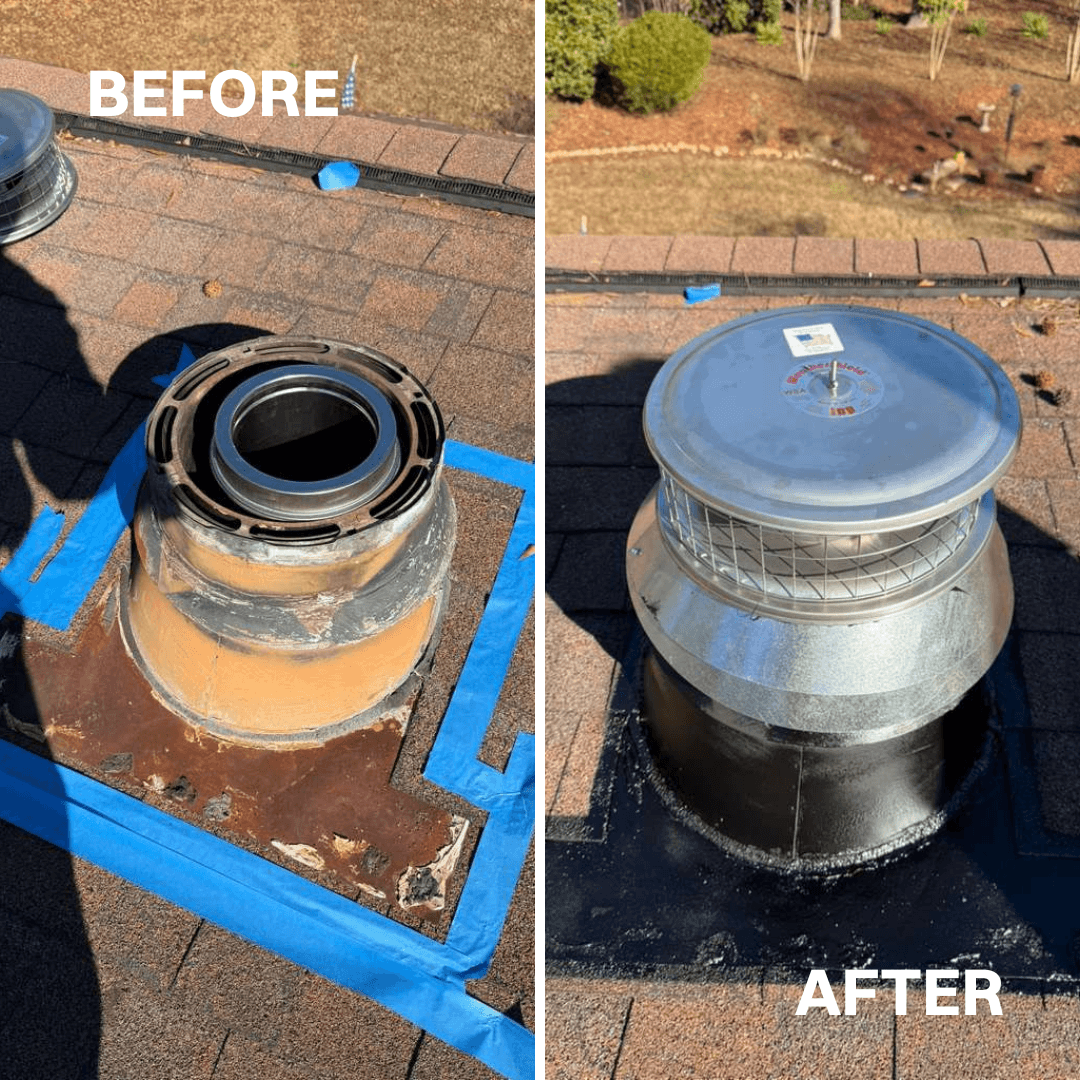
Chimney cap replacement blocks rain, pests, and debris while keeping your fireplace venting the way it should. Clean Air Duct Cleaning & Chimney handles Chimney Cap Replacement in Atlanta with proper measuring, safe removal, and secure installation that fits your flue and chimney top. If your cap is missing or damaged, Chimney Cap Replacement in Atlanta helps stop leaks and surprise squirrel roommates.

Chimney Cap Replacement stops the most common open chimney problems. A chimney cap is the cover at the top of the flue. It works like a weather shield and a barrier. It lets smoke and gases exit while helping keep water, leaves, and animals out.

If your home in Atlanta, GA has a fireplace, wood stove, or a vented appliance tied into a chimney, that top opening matters. An uncovered or poorly covered flue is an easy entry point for rain and pests. It can also make draft problems worse on windy days, and a chimney inspection can help confirm what is going on at the top.

Need Help? Call Clean Air Duct Cleaning & Chimney Near You

When Chimney Cap Replacement is usually needed

Chimney Cap Replacement is usually needed when a cap is missing, damaged, or never fit correctly. If you are also dealing with moisture at the top, chimney leaks may be part of the bigger picture.

  1. The cap is missing after a storm
  2. The cap is loose or rattles in the wind
  3. The metal is rusted through or bent
  4. The mesh is damaged or clogged
  5. The cap never fit right in the first place

Have you looked at your chimney from the yard lately. Most people only notice the cap after they smell something musty or hear scratching. When that happens, a camera inspection can help confirm nesting or blockage without guesswork.

Warning signs that point to water, odor, or animal activity

You may need a new chimney cap if you see water, odor, or animal activity. Water and critters give clear hints that the top of the chimney is not sealed the way it should be. Sometimes the signs show up inside first, even though the problem starts on the roof. If animal entry is likely, animal removal may also be needed.

Common warning signs include

  1. Water in the firebox after rain
  2. Rust on the damper or metal parts inside the fireplace
  3. A musty smell that gets stronger after storms
  4. Bits of leaves or small twigs falling into the fireplace
  5. Chirping, fluttering, or scratching sounds in the chimney
  6. Smoke smell in the room on windy days
  7. A visible cap that looks crooked, crushed, or partly missing

If you have a gas fireplace, odors can still happen when wind pushes air down an open flue. Your living room should not smell like an old campfire unless you actually had one. A gas chimney inspection can help sort out venting concerns.

A loose cap can point to a bigger issue

A cap that rattles or shifts usually means the fasteners are worn out, the fit is wrong, or the mounting surface is failing. Wind does not just make noise. Wind can pull a cap loose, then rain moves in. If the mounting area is failing, chimney crown repair may be needed before a new cap can hold properly.

If you notice a new rattle after a storm, it is smart to deal with it sooner. Waiting often turns a small roof level fix into interior cleanup. In some cases, a broader chimney repair plan is the best path.

Why chimney caps fail around Atlanta Georgia

Chimney caps fail because the chimney top takes constant weather and heat. The top of the chimney gets full sun, heavy rain, strong wind, and constant temperature swings. Add smoke residue and moisture, and metal parts age faster than most homeowners expect. If buildup is part of the problem, creosote removal can support cleaner venting.

Common causes we see around Atlanta Georgia include
  1. Corrosion from moisture mixing with soot and creosote
  2. Storm gusts that bend lids or loosen brackets
  3. Tree debris that dents mesh or knocks caps out of alignment
  4. Incorrect sizing that leaves gaps for wind driven rain
  5. Poor attachment to cracked mortar or a deteriorated crown
  6. Animals pushing and pulling on weak mesh to get inside

A cap problem is sometimes a symptom, not the whole story. If the crown is cracked or the flue tile is damaged, water can still sneak in around the cap. That is why we look at the full chimney top before we install anything new, and a chimney relining or chimney flue repair may be recommended when the flue is not in good shape.

Atlanta humidity makes small leaks show up faster

In humid months, small amounts of moisture can create strong odors and visible staining. Water can also speed up rust on dampers and firebox parts. If you notice a damp smell that comes and goes, your chimney top is a good place to check. For moisture control at the exterior, chimney waterproofing can help reduce repeated wetting of masonry.

Note

Many homeowners in Georgia notice the smell first indoors even when the roofline problem is the real cause.

What to expect during our chimney cap replacement visit

Our chimney cap replacement visit starts with safe access and correct measurements. A chimney cap only works if it fits the flue and mounts securely. We begin by confirming what type of chimney you have and what cap style matches it. If you are planning a new cap from scratch, chimney cap installation may be the right fit.

During a typical visit we

  1. Review your concerns and what you have noticed inside the home
  2. Set up for safe roof access and stable working conditions
  3. Inspect the existing cap, or confirm it is missing
  4. Measure the flue opening and note the flue shape and height
  5. Check the crown, mortar, and flue tile condition near the mounting area
  6. Look for signs of nesting, blockage, or heavy debris at the top
  7. Remove the old cap when needed and clean the mounting surface
  8. Install the new cap and secure it for a firm hold
  9. Confirm the cap sits level and vents properly

Do you have one flue or multiple flues. That detail changes the cap style and the way it attaches. If a custom fit is needed for an unusual top, a custom chimney cap may be a better solution than a standard size.

Need Help? Call Us For Air Duct Services!

Airflow matters as much as coverage

We look at airflow because a cap should protect without choking the draft. Caps need screening to block animals, but airflow still matters. A cap that is too restrictive can make smoke linger or make starts harder. A cap that is too open can let in rain and pests. If draft trouble continues, a chimney flue cleaning can help rule out buildup and blockage.

We aim for a setup that fits your chimney and the way you use your fireplace. If you only light fires during the holidays, you still want clean venting and a dry firebox. Regular chimney sweep service also supports better venting over time.

Chimney cap options and a quick feature guide

Chimney cap options depend on flue count, chimney style, and exposure to wind and trees. There is no single cap that fits every chimney. Homes across Atlanta, GA range from older masonry fireplaces to newer venting setups, and the cap should match the structure. If the top is uneven or the masonry is failing, masonry repair can help create a better mounting surface.

Common cap setups we install include

  1. Single flue caps that mount to one flue tile
  2. Multi flue caps that cover a wider chimney top
  3. Caps with spark arrestor style mesh to help stop embers
  4. Taller or better covered lids that handle wind driven rain
  5. Caps built to sit securely on irregular masonry tops

If your chimney is surrounded by tall trees, stronger screening and good coverage can matter more. Birds and squirrels do not read no vacancy signs. In some situations, bird guard installation can be useful when the issue is repeat bird activity.

Here is a quick guide to how cap features connect to common problems.

Cap featureWhat it helps withWhat to watch for
Wide, covered lidRain entry, downdraftsNeeds correct height for good venting
Mesh screeningBirds, squirrels, leavesShould stay clear of heavy buildup
Solid mounting systemCaps shifting or blowing offMount must match chimney surface
Correct sizingGaps and wind blown rainMeasurements must match the flue

Timing, access, and what can slow the job

Chimney Cap Replacement can be quick, but access and chimney condition affect timing. Many cap replacements are handled in a single visit. The pace depends on how easy the chimney is to reach and what we find at the top. If replacement turns into a larger rebuild need, chimney rebuilding may be discussed.

Factors that can slow the job include

  1. Steep roof lines or limited safe access points
  2. Multiple flues that require a larger cap
  3. Heavy rust that makes removal harder
  4. Damaged crown or crumbling mortar at the mounting area
  5. Debris or nesting material that needs careful removal

We explain what we see and what we plan to do before the work starts. You should never feel left guessing about what is happening on your roof. If you suspect the chimney top is also letting water in at the roofline, chimney flashing repair and replacement may be relevant.

Safety concerns and when to stop using the fireplace

Chimney cap issues can create safety concerns, and some signs mean stop using the fireplace. A missing or damaged cap can allow nesting and debris to block the flue. A blocked flue can push smoke and gases back into the home. Water entry can also damage masonry and speed up rusting of metal parts. If you are unsure about overall fireplace condition, a fireplace safety inspection can help.

Stop using the fireplace and call a pro if you notice

  1. Smoke backing into the room during normal burning
  2. Strong smoke odor when the fireplace is not in use
  3. Pieces of nest or debris falling into the firebox
  4. Active animal sounds you cannot ignore
  5. Loose bricks, crumbling mortar, or broken tile pieces inside

If you suspect an animal is in the chimney, avoid lighting a fire to scare it out. That plan can turn your living room into the worst kind of nature documentary. If parts inside the firebox are damaged, firebox repair may be needed after the cap issue is addressed.

Roof work is risky

Roof work is risky, even if the cap looks like a simple part. Caps look easy to install from the ground. On the roof, you deal with height, slope, wind, and uneven surfaces. Proper attachment also matters, since a cap that is not secured can shift in storms and expose the flue again. If a chimney is in poor overall condition, chimney replacement may be a longer term solution.

If you want the cap to stay put through Atlanta weather, professional installation is the safer route for most homeowners. For background on how chimneys function, see chimney.

Clean Air Duct Cleaning & Chimney

How to prep and what to check after storms

You can prep for our visit with a few quick steps inside and outside. Small prep steps help us work faster and keep your home clean. Most of the work is outside, but we may need to check the fireplace area too. If you are also dealing with indoor odors tied to airflow, air duct cleaning can support overall comfort.

Before we arrive

  1. Clear a small area near the fireplace for easy access
  2. Make sure pets are secured while doors open and close
  3. Share what you noticed, like leaks, odors, or noises
  4. Avoid using the fireplace right before the visit so everything is cool
  5. Tell us about gate codes, parking limits, or roof access issues

Have a photo of your chimney from the yard. That can help us understand what you are dealing with before we climb up.

After replacement

After replacement, basic checks after storms help you catch problems early. A new cap is a strong step toward a drier, cleaner chimney. Still, the chimney top stays exposed year round, and storms happen. A quick visual check from the ground after heavy wind or rain is a smart habit. If moisture keeps returning, chimney waterproofing may help as a follow up.

Keep an eye out for

  1. New water stains around the fireplace opening
  2. A returning musty odor after rainfall
  3. Rattling sounds during wind gusts
  4. Leaves or debris showing up in the firebox again

If anything seems off, call before it turns into interior water damage or a blocked flue. Small fixes are easier when they stay small, and a timely chimney inspection can help confirm what changed.

Keeping the chimney system clean supports better venting

Keeping the chimney system clean supports better venting. A cap helps stop debris and animals, but it does not stop soot or creosote from building up if you burn wood. If you use your fireplace often, regular chimney care supports safer venting and fewer odors. Many homeowners pair cap work with chimney sweep service to keep the flue clearer.

Not sure what vents through your chimney. Many homes have changed over time, and it is common to find mixed setups. Ask us what we see, and we will explain it in plain language, including whether fireplace tune-up service makes sense.

Atlanta GA chimney cap challenges from rain wind and tree cover

Atlanta gets frequent rain and seasonal storms. Many neighborhoods also have mature trees that drop leaves and small limbs. That mix can punish chimney caps, screens, and mounting hardware. When tree debris and nesting are concerns, chimney leaks and cap damage often show up together.

Local situations we often run into include

  1. Wind driven rain entering an uncapped flue and dampening the smoke shelf
  2. Squirrels testing weak mesh like it is a gym obstacle course
  3. Leaves piling on top screens and limiting airflow
  4. Older masonry chimneys where the crown and mortar need close attention
  5. Caps that were installed years ago but never fit the flue correctly

If your roofline sits under tree canopy, ask yourself a simple question. If a squirrel can reach your roof, can it reach your chimney. Usually yes, and it will. If you need an exterior solution beyond a cap, outdoor chimney services may be a good fit.

Why homeowners choose Clean Air Duct Cleaning & Chimney

You want the right cap, installed the right way, without guesswork. We focus on fit, secure mounting, and clean airflow. We also explain what we find at the chimney top so you can make smart decisions. If we find related problems, we may recommend services like chimney repointing to help stabilize mortar near the top.

What you can expect from our team

  1. Straight talk about what is wrong and what fixes it
  2. Attention to measurements so the cap fits your flue correctly
  3. Secure installation that holds up better in wind and rain
  4. Respect for your home and your time
  5. A practical view of how chimney venting connects to indoor air quality

Our business is known for air duct cleaning, and we also handle chimney work because airflow and venting affect comfort. A wet or blocked chimney can change how your home smells and feels, even if the fireplace is rarely used. If you want broader airflow support inside the home, air duct maintenance can help keep the system performing well.

Chimney Cap Replacement in Atlanta is easy to start

If your cap is missing, rusted, or letting water and animals in, do not wait for the next big storm to test it. Clean Air Duct Cleaning & Chimney is ready to help with Chimney Cap Replacement in Atlanta that matches your chimney and your venting needs. If you are unsure whether the cap is the only issue, start with a chimney inspection.

Related Services

Call (470) 706-6431 or schedule online through our Contact Us page for Chimney Cap Replacement in Atlanta.

Frequently Asked Questions (FAQs)

A chimney cap is a cover installed on top of the chimney that helps reduce rain entry, blocks debris, and can discourage animals from nesting while allowing smoke and gases to vent properly.
Common signs include visible rust or damage, a loose or missing cap, water intrusion around the fireplace, or recurring animal or debris issues in the flue.
Replacement is often considered when the cap is heavily corroded, warped, cracked, improperly sized, or no longer securely attached.
It may allow water, leaves, and animals into the chimney, which can contribute to blockages, odors, moisture-related damage, and drafting issues.
Yes. Caps vary by material, design, and mounting method, and they may be selected based on chimney style, flue configuration, and ventilation needs.
In some cases, the right cap design may help reduce certain draft-related issues, though results depend on the chimney structure, weather, and other factors.
Many homeowners choose professional service because safe access to the roof and correct fitment are important for proper venting and secure installation.
The time can vary depending on roof access, chimney condition, and the type of cap being installed, but it’s generally a straightforward job once the correct cap is selected.
It can be helpful to have the chimney evaluated for blockages or moisture issues, especially if there have been leaks, odors, or animal activity.
Clean Air Duct Cleaning & Chimney provides chimney cap replacement services and can help determine an appropriate option for your chimney setup.
Why Your Home Airflow Drops When Dust Builds Up in Ducts

Why Your Home Airflow Drops When Dust Builds Up in Ducts

Your home airflow drops when dust builds up in ducts because that dust acts like…

Why Regular Chimney Sweeping Helps Keep Your Fireplace Safe

Why Regular Chimney Sweeping Helps Keep Your Fireplace Safe

A clean chimney lets smoke move out of your home, not back into your face.…

Signs Your Air Ducts Need Cleaning Before the Seasons Change in Atlanta, GA

Signs Your Air Ducts Need Cleaning Before the Seasons Change in Atlanta, GA

Your air ducts may need cleaning before a seasonal change if you notice more dust,…

How Creosote Forms and Why It Needs Removal

How Creosote Forms and Why It Needs Removal

Creosote forms when wood smoke cools inside your chimney and turns into a sticky, dark…

Dryer Vent Lint Buildup and Fire Risk, What Every Atlanta Homeowner Should Know

Dryer Vent Lint Buildup and Fire Risk, What Every Atlanta Homeowner Should Know

Lint buildup in a dryer vent raises fire risk because it blocks airflow. When hot…

Why Annual Chimney Inspections Protect Your Fireplace and Home

Why Annual Chimney Inspections Protect Your Fireplace and Home

An annual chimney inspection helps you catch hidden trouble before it grows. A pro can…