Skip to content
Most chimney sweep appointments take about 45 minutes to 1 hour for a straightforward, single-flue chimney. If the chimney has heavy creosote, a blockage, multiple flues, difficult access, or needs a more detailed inspection, the visit can take 90 minutes or longer.
For Atlanta homeowners, chimney condition usually matters more than house size. A fireplace that has been maintained regularly may be relatively quick to service, while a chimney that has gone several years without attention can require considerably more time.
Key Takeaways
- A routine single-flue chimney sweep usually takes around 45 to 60 minutes.
- Heavy buildup, multiple fireplaces, animal nests, difficult access, and additional inspection work can extend the appointment.
- Brushing is only one part of the visit. Protecting the room, inspecting accessible components, cleaning up, and explaining findings all take time.
- Do not use the fireplace for at least 24 hours before the appointment so the firebox and ash are completely cool.
- A more detailed Level 2 inspection takes longer than a routine sweep because it requires evaluating additional areas of the chimney system.
How Long Does a Chimney Sweep Take?
For a well-maintained chimney with one flue, plan on approximately 45 minutes to 1 hour. A neglected chimney, heavy creosote buildup, animal blockage, multiple fireplaces, or additional inspection work can increase the appointment to 90 minutes or longer.
That does not mean a technician spends an entire hour brushing the flue.
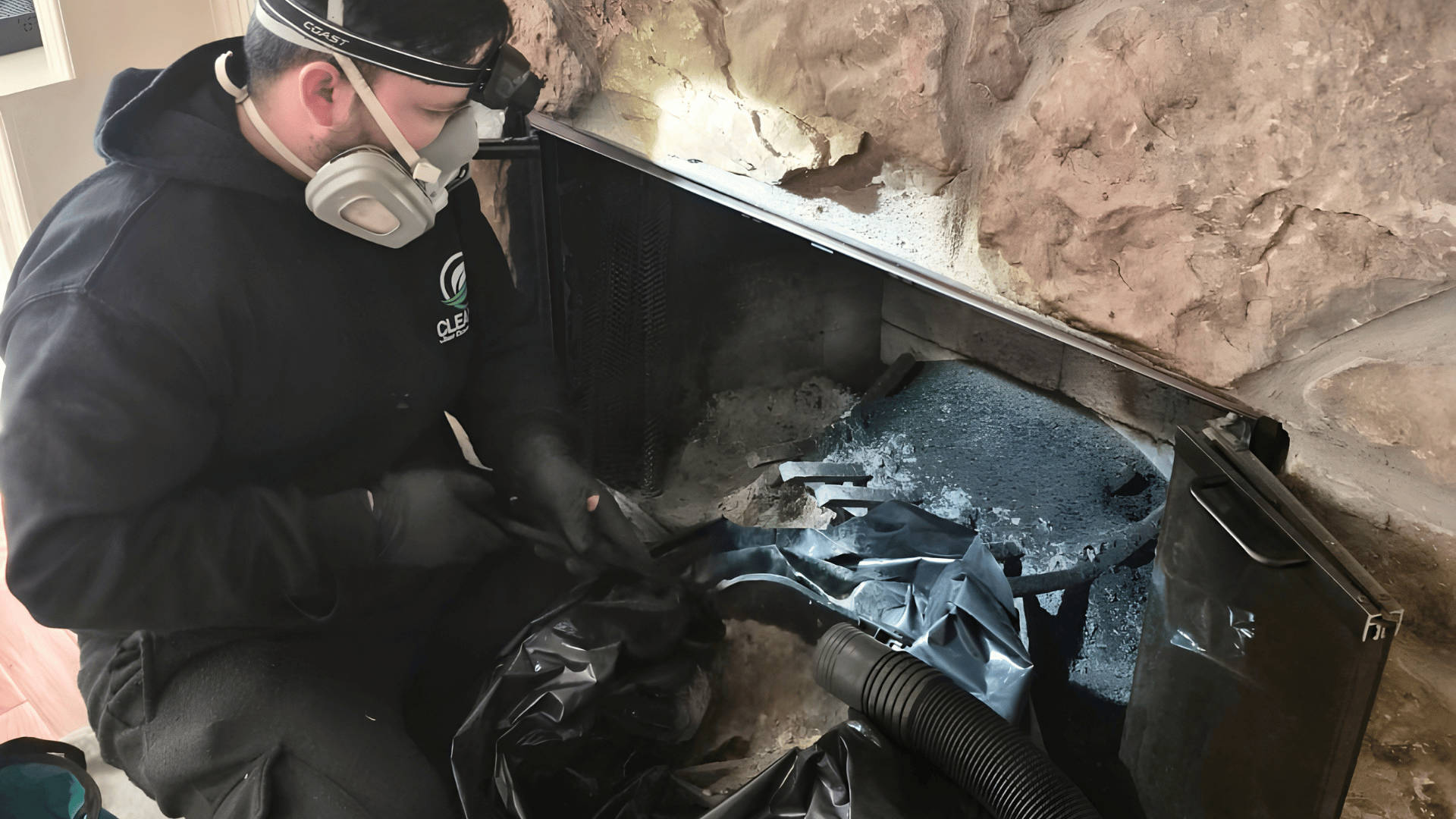
A professional chimney sweep involves preparation, containment, cleaning, checking accessible parts of the system, cleanup, and discussing anything found during the visit.
Clean Air Duct Cleaning & Chimney follows this type of process when performing chimney and flue cleaning in Atlanta, including protecting the work area, removing accessible deposits and debris, checking for obvious blockages or damage, and explaining the findings afterward.
Where Does the Time Actually Go?
A routine one-hour chimney appointment might break down roughly like this:
| Part of the Visit | Approximate Time |
| Initial check and work-area protection | 10–15 minutes |
| Chimney sweeping and debris removal | 15–25 minutes |
| Checking accessible chimney components | 10–15 minutes |
| Cleanup and explanation of findings | 5–10 minutes |
| Typical total | 45–60 minutes |
These are planning estimates, not fixed service times. Every chimney is different.
The cleaning itself can actually be one of the shorter parts of the appointment.
Before sweeping begins, the technician needs to protect the area around the fireplace and set up equipment to contain soot and debris. After cleaning, there may be accessible components to check, debris to remove, equipment to pack away, and findings to explain.
That extra time is not wasted time. It is part of performing the service without simply brushing the chimney and leaving.
Chimney Sweep Time by Scenario
Here is a more practical way to estimate how much time to allow.
| Chimney Condition or Service | Typical Planning Time |
| Single, regularly maintained flue | 45–60 minutes |
| Heavier soot or creosote buildup | 60–90+ minutes |
| Chimney not serviced for several years | 60–90+ minutes |
| Two fireplaces or multiple flues | Longer than a single-flue appointment |
| Animal nest or significant blockage | 60–90+ minutes, depending on removal |
| Sweep plus more detailed inspection | Allow additional time |
| Complex or difficult-to-access chimney | Varies by access and chimney design |
A complicated chimney can take longer even if it is not particularly dirty.
For example, flue offsets, difficult roof access, multiple fireplace openings, unusual appliance connections, or a chimney that requires additional diagnostic work can all add time.

What Makes a Chimney Sweep Take Longer?
Heavy creosote buildup
A light layer of soot and deposits is different from thick or hardened creosote.
More substantial buildup can require additional mechanical cleaning and repeated passes through sections of the flue.
This is one reason the time since the last service matters. A chimney that is inspected regularly is less likely to surprise the homeowner with years of accumulated deposits.
Multiple fireplaces or flues
Two fireplaces don’t automatically mean the appointment will take twice as long, but each additional flue adds work.
Tell the company how many fireplaces, wood stoves, or connected flues you have when booking so they can schedule the right appointment window.
Nests and other blockages
Leaves, nesting material, loose debris, and animal activity can obstruct a chimney.
Removing an obstruction differs from a routine sweep. The technician first has to determine what is blocking the flue and how to remove it safely.
Clean Air Duct Cleaning & Chimney lists animal removal and chimney blockage-related services among its Atlanta chimney services.
Chimney design and access
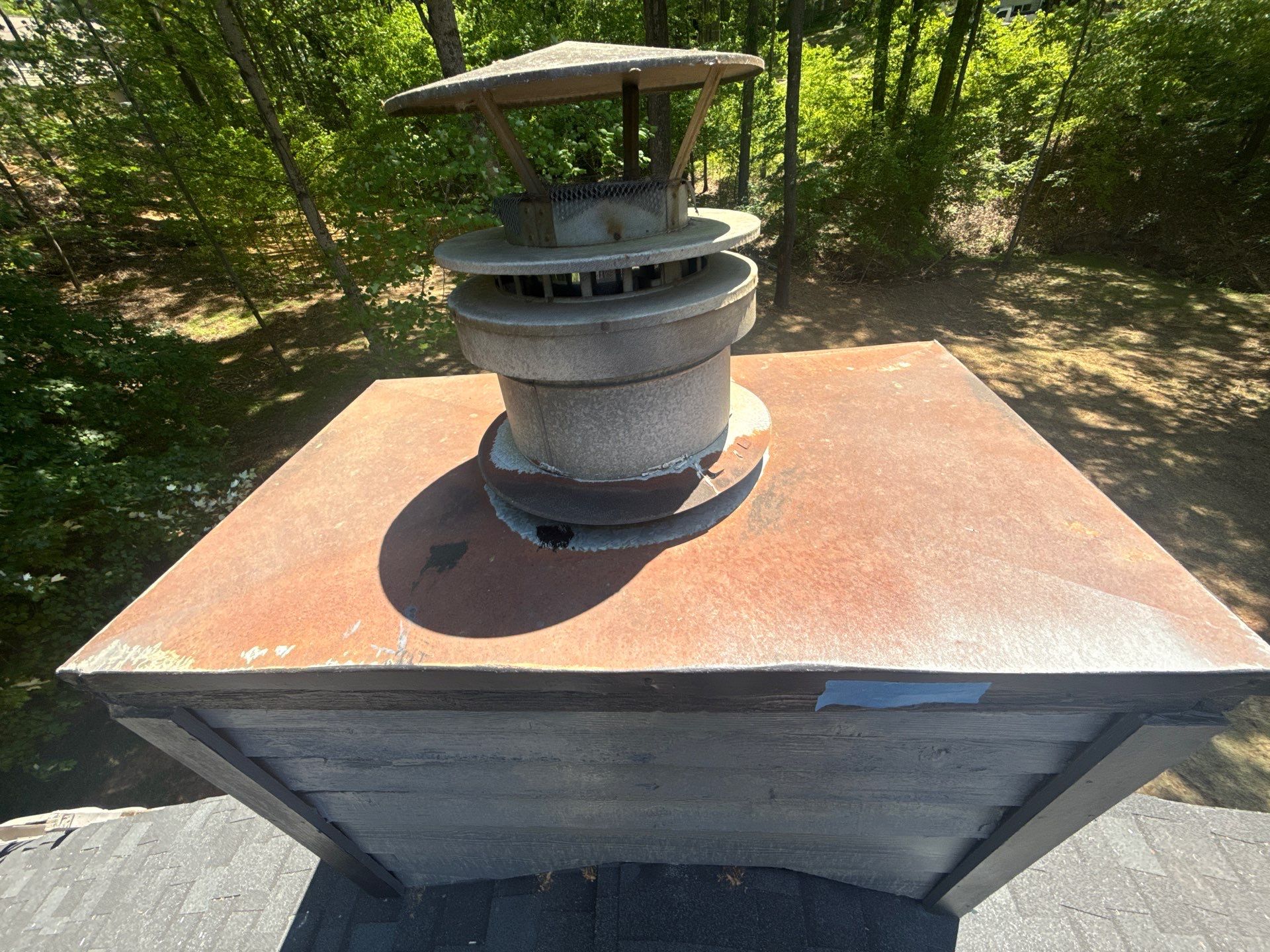
A straight, easily accessible masonry chimney is generally simpler to work on than a complicated system with offsets, multiple flues, difficult roof access, or unusual appliance connections.
Problems found during the visit
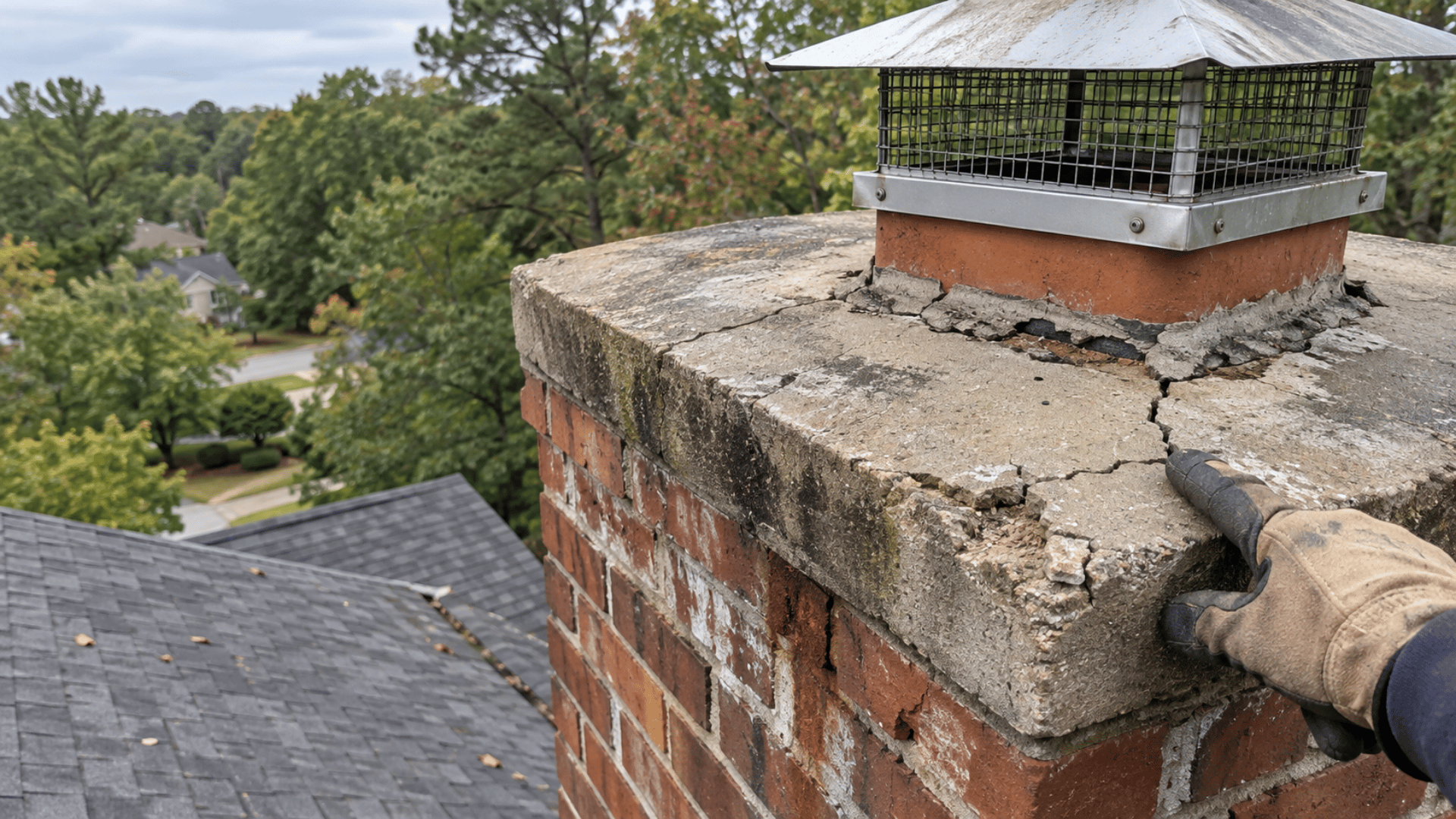
Sometimes the cleaning itself is routine, but the technician notices damaged masonry, a deteriorated cap, flue problems, water intrusion, or another condition that deserves a closer look.
Atlanta’s humidity does not directly create creosote. Creosote forms from wood-burning combustion products under conditions such as cooler flue temperatures, wet fuel, and restricted airflow.
Atlanta’s moisture and rainfall are more relevant to exterior chimney issues, including masonry deterioration, corrosion, water intrusion, and odors. Keeping those two issues separate makes the maintenance advice more accurate.
Does Adding a Chimney Inspection Take Longer?
It can.
A routine chimney sweep may include a basic visual evaluation of accessible areas, but that is not the same thing as every level of chimney inspection.
NFPA 211 recognizes three inspection levels. A Level 1 inspection is generally appropriate when the system has not changed, and there are no known problems requiring a more extensive evaluation.
A Level 2 inspection is more involved. CSIA guidance identifies situations such as a property sale or transfer, an appliance or fuel change, certain system changes, or an event that may have damaged the chimney as reasons a Level 2 inspection may be appropriate. It expands the evaluation beyond what a routine Level 1 inspection covers.
That additional work naturally adds time.
If you are scheduling chimney service as part of an Atlanta home purchase, after a chimney fire, or after changing the fireplace or connected appliance, tell the company when you book instead of assuming a standard sweep appointment will cover everything needed.
How Long Does a Gas Fireplace or Pellet Appliance Take?
Gas and pellet systems should not simply be assigned the same timing as a traditional wood-burning chimney.
Gas does not create wood creosote, but its venting system can still develop problems. CSIA notes that gas appliance chimneys can become obstructed by nests and debris and recommends annual chimney inspection for gas systems as well.
The time required depends on the fireplace or appliance, its venting design, accessibility, and the maintenance being performed.
Pellet appliances also have their own maintenance requirements. The EPA recommends regular cleaning and at least annual professional cleaning of pellet stoves, and advises owners to follow the appliance manufacturer’s instructions.
For either system, give the company the appliance make and type when booking. That will produce a much more useful time estimate than treating every fireplace as a traditional masonry wood fireplace.
How Can You Make the Appointment Go Faster?
The most important preparation is simple: do not use the fireplace for at least 24 hours before the scheduled sweep.
Ash and fireplace components can stay hot long after the visible fire is gone. Multiple chimney companies instruct homeowners to leave the fireplace unused for at least 24 hours so technicians can work with a completely cool firebox.
You can also clear furniture, rugs, fireplace tools, decorations, and fragile items away from the hearth, provide an open path to the fireplace, secure pets away from the work area, and tell the company in advance how many fireplaces or flues need attention.
A few minutes of preparation can prevent the technician from spending part of the appointment moving household items or waiting for access.
Does a Longer Chimney Sweep Mean Something Is Wrong?
Not necessarily.
A longer appointment can simply mean the chimney is taller, the setup is more complicated, there is more buildup than expected, or the technician is performing additional inspection work.
It becomes more important to ask questions when the technician finds something outside the scope of routine cleaning.
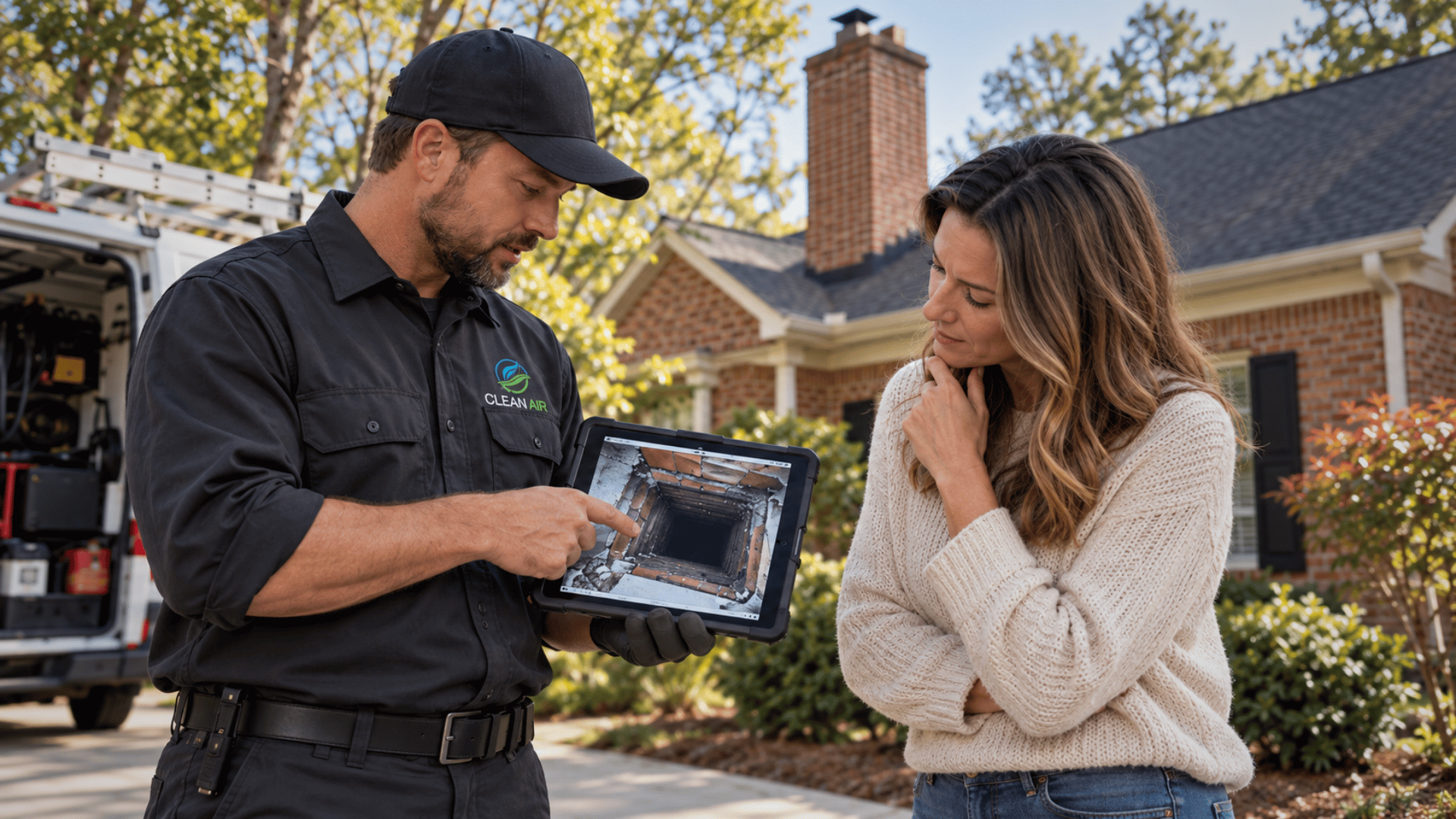
A reputable chimney company should be able to explain what was found, why additional work is needed, and whether the issue requires immediate attention or can be planned for later.
At Clean Air Duct Cleaning & Chimney, the chimney service process includes checking accessible areas for obvious blockage or damage and explaining findings after the cleaning.
Can You Schedule Air Duct Cleaning and Chimney Service Together?
Clean Air Duct Cleaning & Chimney provides both chimney and air duct services throughout Atlanta and nearby communities, so homeowners who need both can ask about coordinating the services in the same visit.
Do not expect a combined appointment to have one universal time estimate.
Air duct cleaning time depends on the home’s size, number of HVAC systems, number of supply and return vents, duct layout, accessibility, and the amount of buildup. Clean Air’s own service information notes that straightforward single-system homes are generally faster than larger or multi-system properties with more complicated duct layouts.
If both services are needed, tell the scheduling team about the chimney and HVAC system when making the appointment. They can provide a more realistic service window and determine whether they can handle both efficiently in the same visit.
How Often Should a Chimney Be Swept?
There is an important distinction between inspection and sweeping.
NFPA 211 guidance, as cited by CSIA, calls for inspecting chimneys, fireplaces, and vents at least once a year for soundness, deposits, and proper clearances. Perform cleaning, maintenance, and repairs as needed.
That means annual inspection does not automatically mean every chimney requires the exact same cleaning schedule.
For a deeper explanation of what we check, clean, and report during a professional visit, see our guide: What Does a Chimney Sweep Do?
Frequently Asked Questions
How long does a chimney sweep take?
Most routine chimney sweep appointments for a single, straightforward flue take approximately 45 minutes to 1 hour. Heavy buildup, multiple flues, blockages, inspection work, or difficult access can make the visit longer.
Why did my chimney sweep take longer than an hour?
The technician may have found heavier deposits, an obstruction, difficult access, multiple flues, or a condition that required additional evaluation. An appointment running longer than an hour does not automatically mean something is wrong.
How long does it take to sweep two fireplaces?
Two fireplaces generally take longer than a single-flue appointment because each flue or venting system needs its own cleaning and evaluation. The exact increase depends on whether the fireplaces share chimney structures, their condition, and how easily you can access each one.
Will chimney sweeping make a mess?
Professional sweeps normally protect the fireplace area and use containment or vacuum equipment while cleaning. Clean Air Duct Cleaning & Chimney’s flue-cleaning process includes protecting the surrounding work area and controlling soot and debris before cleaning begins.
Do I need to be home during the chimney sweep?
Someone should normally be available to provide access to the fireplace and other areas the technician needs to inspect. Ask about the company’s access requirements when scheduling if you can’t stay on the property for the entire visit.
How long does a gas fireplace chimney service take?
There is no universal time because gas fireplaces use different venting systems and appliances. Give the technician your fireplace type and, when possible, the appliance information so the company can estimate the appropriate appointment length.
Schedule a Chimney Sweep in Atlanta
For most Atlanta homes with a straightforward single-flue chimney, setting aside about an hour is a reasonable starting point.
If the fireplace hasn’t been serviced in several years, has multiple flues, you have heard animals in the chimney, or you need a more detailed inspection, allow extra time.
Clean Air Duct Cleaning & Chimney provides chimney sweeping, chimney inspections, creosote removal, flue cleaning, repairs, cap services, waterproofing, and other chimney services across Atlanta and nearby communities.
To schedule chimney service or ask how long your particular appointment may take, call Clean Air Duct Cleaning & Chimney at (470) 706-6431.