Skip to content
Chimney cleaning removes soot, creosote, and debris. An inspection checks the condition of the fireplace, flue, chimney, and venting system.
Many Atlanta homeowners need both during the same visit. The inspection tells the technician whether the system has buildup, damage, or a blockage. Cleaning removes buildup when the chimney needs it.
Key Takeaways
- Chimney cleaning removes soot, creosote, ash, nests, and other debris from accessible parts of the system.
- A chimney inspection checks the fireplace, flue, venting, and visible chimney components for conditions that need attention.
- NFPA 211 calls for an annual inspection of chimneys, fireplaces, and vents. Complete cleaning and repairs as needed.
- Level 1 and Level 2 inspections serve different purposes.
- Gas fireplaces do not produce wood creosote, but their venting systems can still develop blockages, damage, and other problems.
What Is a Chimney Cleaning?
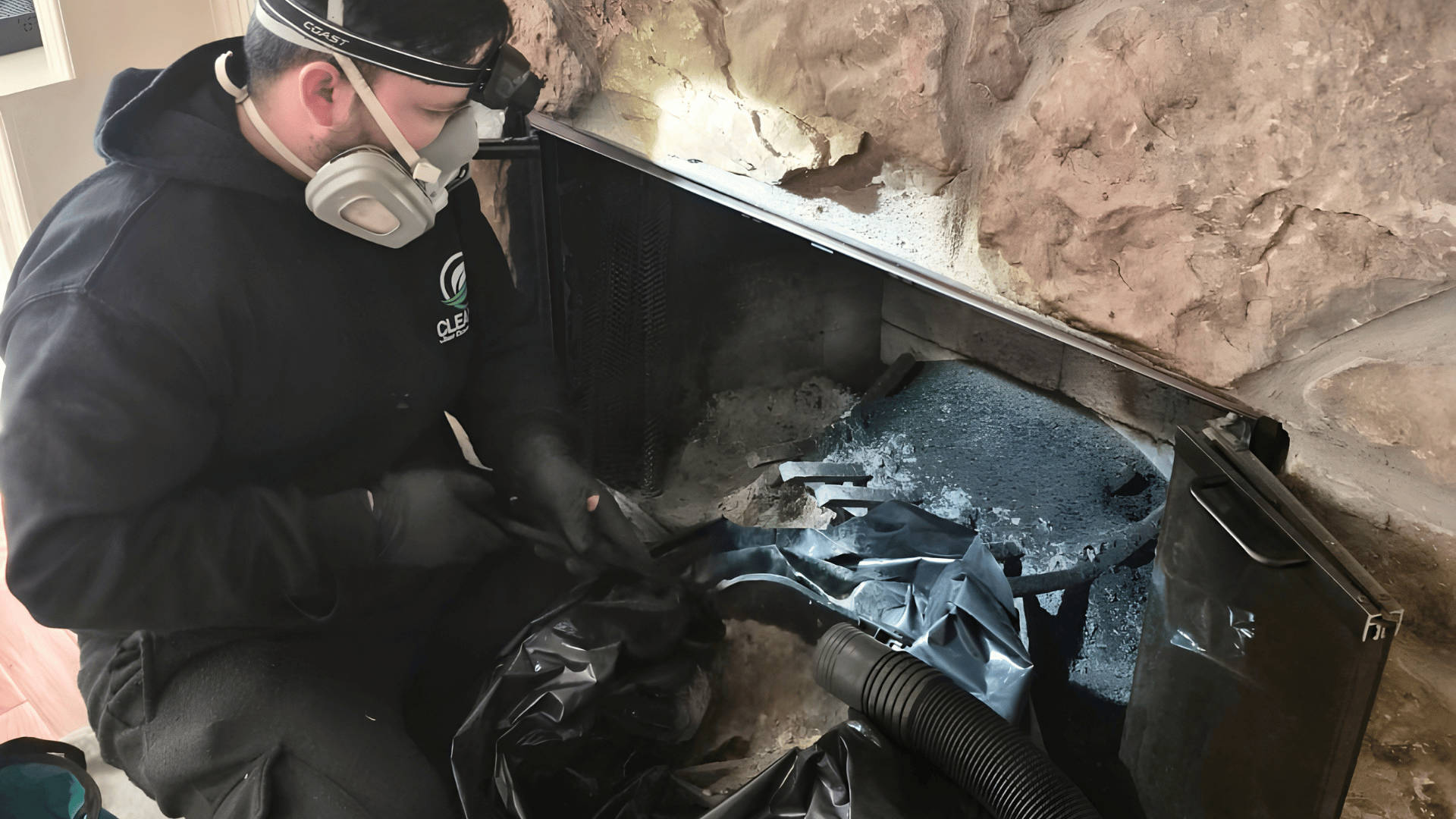
Chimney cleaning, often called chimney sweeping, removes buildup and debris from the chimney system. For a wood-burning fireplace, that can include soot, creosote, ash, leaves, nesting material, and loose debris.
During a professional sweep, the technician may use brushes, rods, rotary equipment, and a filtered vacuum. These tools loosen deposits inside the flue while helping contain soot around the fireplace.
Creosote deserves particular attention. It forms when wood smoke cools inside the flue and leaves a residue behind. The amount depends on how often you use the fireplace, the wood type and moisture content, airflow, and flue temperature.
What chimney cleaning does not do
Cleaning removes buildup. It does not confirm that every part of the chimney is in good condition.
A sweep may reveal obvious issues, but cleaning alone cannot fully evaluate hidden liner damage, cracks behind a wall, a failing crown, flashing leaks, or other concealed problems. That is why cleaning and inspection are separate services, even when a company performs both in one appointment.
What Is a Chimney Inspection?
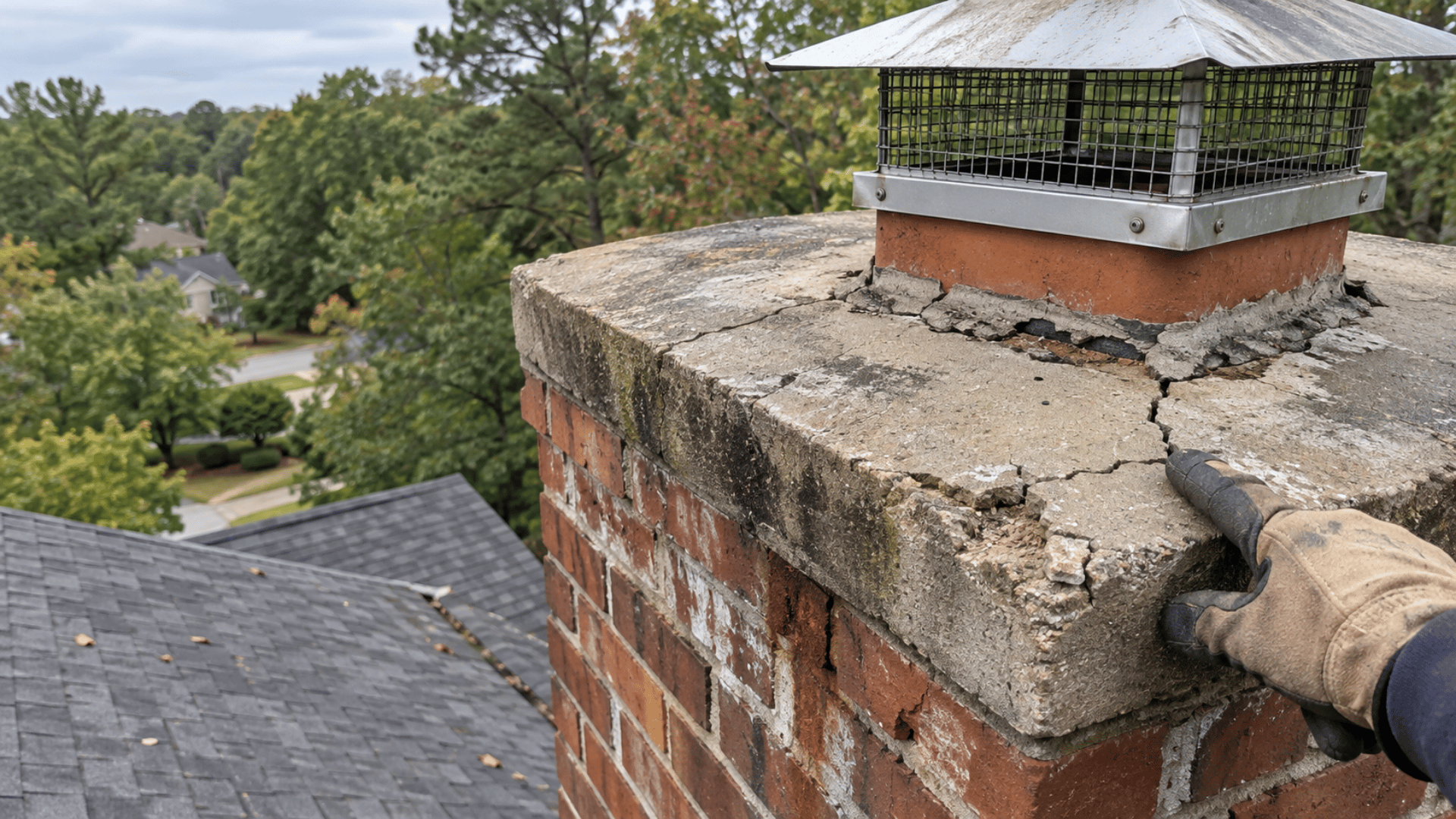
A chimney inspection evaluates the condition of the chimney and venting system. The technician looks for buildup, blockages, deterioration, water damage, and visible safety concerns.
Depending on the inspection level and the type of fireplace or appliance, the technician may check the following accessible areas:
- Firebox and damper
- Smoke chamber
- Flue and liner
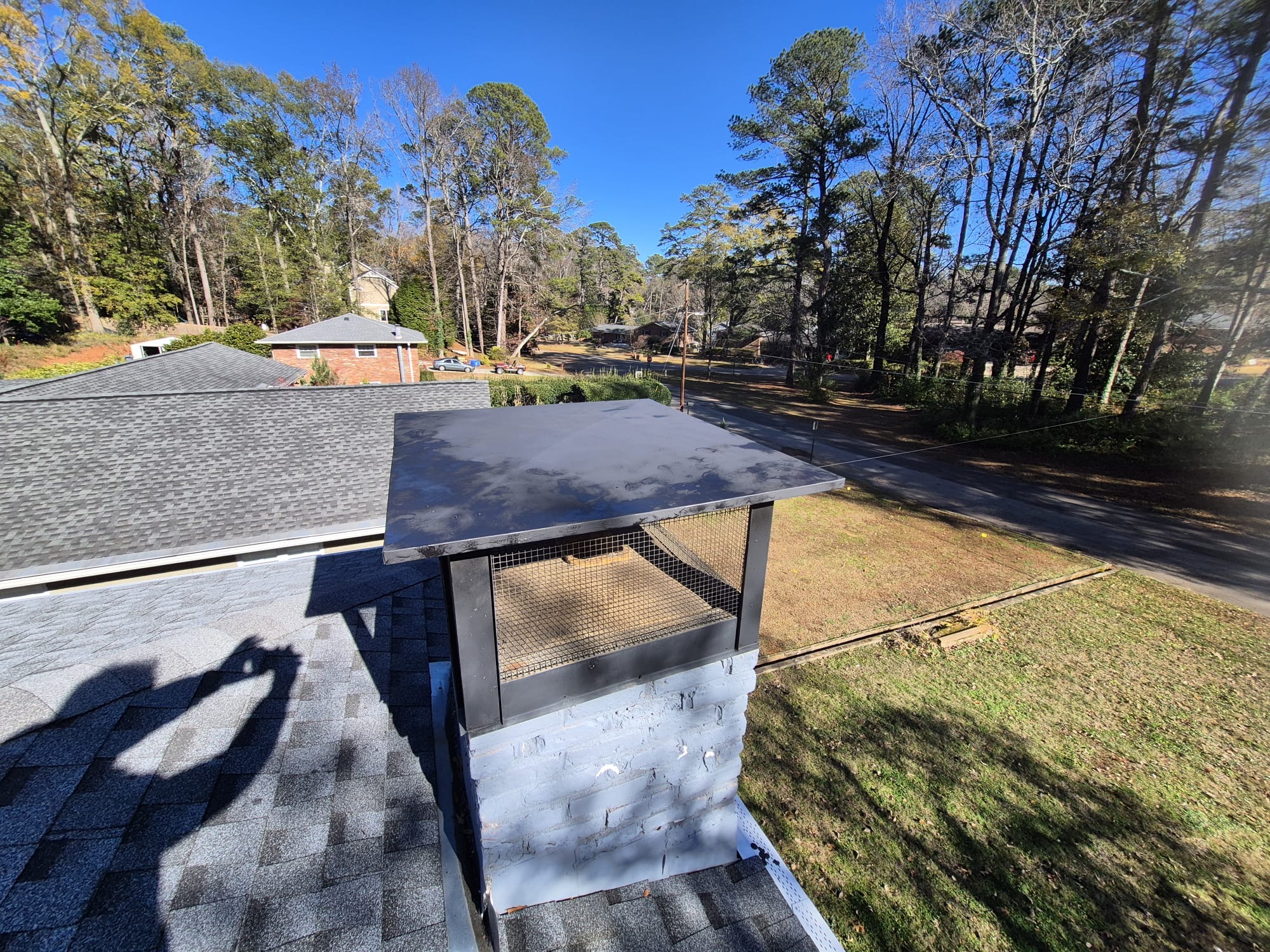
- Chimney cap and crown
- Exterior masonry and mortar joints
- Appliance connections and venting
An inspection helps answer a simple question: is the system in a condition that allows it to operate as intended, or does it need cleaning, repair, or further evaluation?
What Are the 3 Levels of Chimney Inspection?
NFPA 211 defines three inspection levels. The right level depends on the chimney’s history, how it’s used, and whether anything has changed.
Level 1 Inspection
A Level 1 inspection is the routine inspection for a chimney that continues under the same conditions of use. The technician examines the readily accessible parts of the fireplace, chimney, connected appliance, and venting system.
This is the inspection many homeowners schedule as part of regular annual chimney service.
Level 2 Inspection
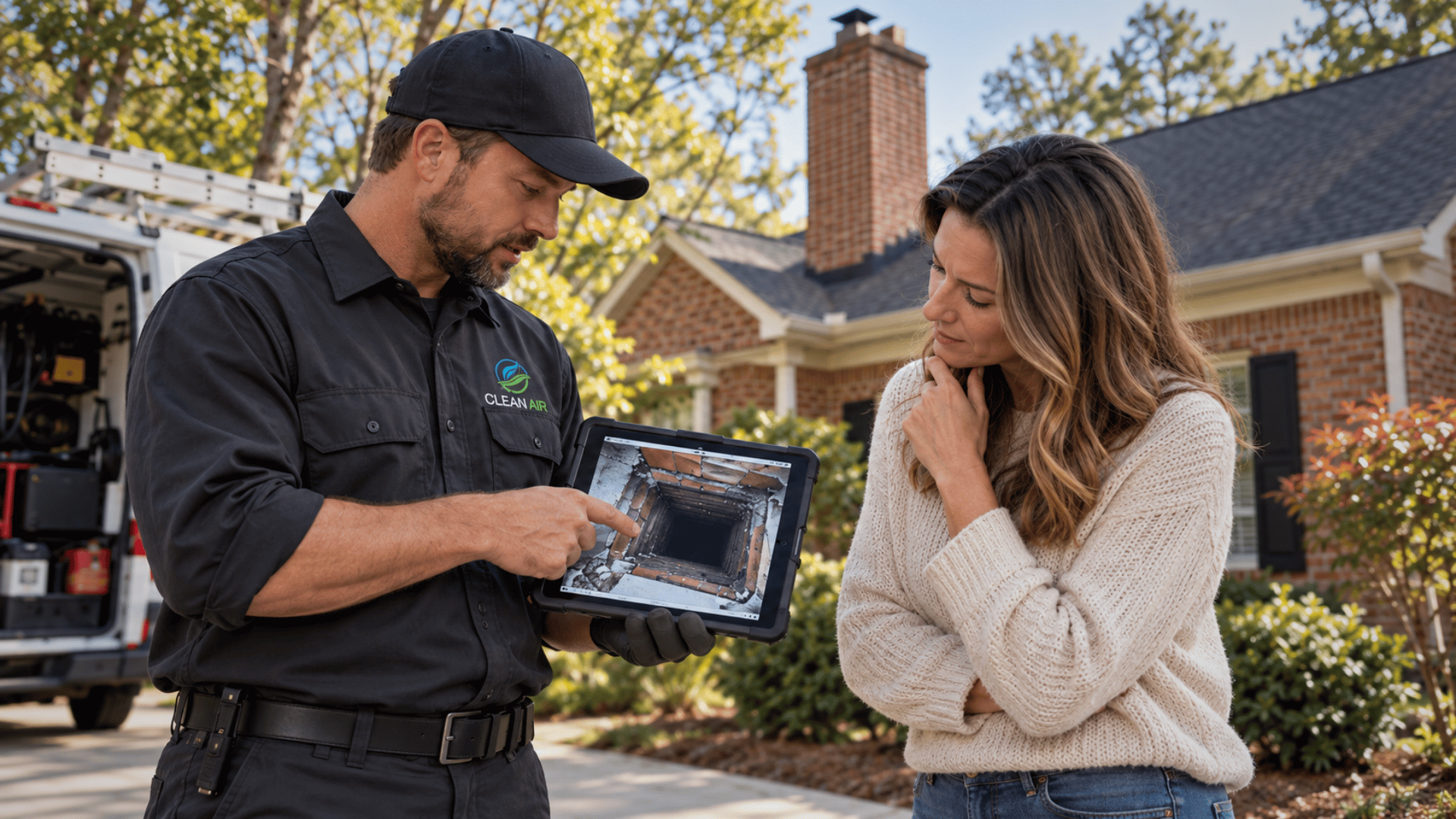
A Level 2 inspection is more detailed. It includes the accessible areas checked during a Level 1 inspection, along with a video scan of the flue’s internal surfaces and other accessible areas that need evaluation.
Ask about a Level 2 inspection when you are buying or selling a home, changing an appliance or fuel type, relining a flue, or responding to a chimney fire or other event that may have damaged the system.
Level 3 Inspection
A Level 3 inspection is used when a Level 1 or Level 2 inspection identifies a possible problem in an area that cannot be evaluated without opening or accessing part of the chimney or building.
It is not a routine annual service. The technician should explain why additional access is needed before starting this level of work.
Chimney Cleaning vs. Chimney Inspection
| Chimney Cleaning | Chimney Inspection | |
| Main purpose | Remove deposits and debris | Evaluate condition and potential problems |
| Removes creosote? | Yes | No |
| Removes soot and debris? | Yes | No |
| Checks chimney condition? | Only to the extent included with the service | Yes |
| Finds concealed damage? | Not by itself | Level 2 or Level 3 may evaluate areas beyond routine visibility |
| Typical tools | Brushes, rods, rotary tools, filtered vacuum | Lights, mirrors, cameras, measuring and inspection equipment |
| Needed every year? | When deposits or conditions make cleaning necessary | Annual inspection is recommended by NFPA 211 guidance |
| Common reason to book | Creosote, soot, debris, blockage | Routine annual evaluation, property sale, system change, suspected damage |
The easiest way to remember the difference: cleaning removes buildup, while an inspection evaluates the chimney’s condition.
Do You Need Cleaning, Inspection, or Both?
It depends on why you are scheduling service.
If you regularly burn wood
Schedule an annual inspection. If the technician finds soot, creosote, or debris that needs to be removed, schedule cleaning as well.
If you can already see heavy soot or creosote
You may need cleaning, but do not skip the inspection. Buildup can exist alongside a blocked flue, water damage, liner deterioration, or another issue that cleaning will not solve.
If you are buying or selling a home
Ask whether a Level 2 inspection is appropriate. A routine visual check may not provide enough information for a property transfer.
If you recently had a chimney fire
Don’t assume cleaning is enough. High heat can damage flue tiles, mortar joints, metal chimney parts, and liners. Ask about a Level 2 inspection with a camera scan.
If you changed the fireplace or appliance
Changing the fuel type, appliance, or venting setup can affect how the system operates. You may need a Level 2 inspection before using the updated system.
If you simply want to prepare the fireplace for colder weather
An annual inspection is the starting point.
If deposits are present, the technician can determine whether cleaning is also required.
Signs You May Need Chimney Cleaning
Schedule an evaluation if you notice visible soot or creosote, dark flakes falling into the firebox, nesting material, debris in the flue, poor draft, or smoke entering the room.
A strong smoky or creosote smell can also signal that the chimney needs attention, especially when you can see buildup near the firebox or flue opening.
Don’t rely on the calendar alone to decide when to clean. Some fireplaces need cleaning more often than others because use, wood quality, and burning habits vary. An annual inspection gives you a clearer answer.
Signs You May Need a Chimney Inspection
Schedule a chimney inspection if:
- The chimney has not been inspected in the past year
- You recently bought the home or plan to sell it
- You had a chimney fire
- You changed the fireplace, appliance, fuel type, or venting
- You see cracked masonry, damaged mortar, or a broken cap or crown
- Water enters near the chimney or fireplace
- You hear animals inside the chimney
- Smoke or combustion odors enter the home
- The fireplace has been unused for a long time, and you do not know its condition
Atlanta rain and moisture can affect crowns, caps, flashing, mortar joints, masonry, and metal chimney parts. An unused fireplace can also become blocked by animals or nesting material. These are good reasons to inspect the system before using it.
Do Gas Fireplaces Need Chimney Inspection?
Yes. A gas fireplace does not create wood creosote, but its chimney or venting system can still have problems. Bird nests, debris, damaged liners, corrosion, and venting issues can keep combustion gases from leaving the home properly.
The maintenance needs depend on the appliance. A gas fireplace that vents through a masonry chimney differs from a direct-vent fireplace. Follow the manufacturer’s maintenance instructions and have the venting system inspected as recommended.

What Happens If an Inspection Finds a Problem?
An inspection does not automatically mean you need a major repair. The next step depends on what the inspector finds.
For example, an inspection may identify a damaged cap, cracked crown, deteriorating mortar, water intrusion, flashing damage, a liner issue, an animal blockage, or heavy creosote.
Ask the technician to explain the finding and show you photos or video when possible. Before you approve repairs, you should understand what the problem is, why it matters, and what work the company recommends.
How Much Do Chimney Cleaning and Inspection Cost in Atlanta?
There is no single price for chimney service in Atlanta. Chimney cleaning & inspection costs depend on the number of flues, the amount of buildup, roof access, chimney height, the inspection level, and whether the system needs additional work.
A standard chimney sweep with a basic inspection often costs between $150 and $350. Many routine appointments are around $250. A Level 2 inspection usually costs more because it requires a more detailed evaluation and an internal flue scan.
Before booking, ask what the quoted price includes. Find out whether it covers cleaning only, a Level 1 inspection, cleaning plus inspection, or a Level 2 camera inspection. Clear answers make it easier to compare companies and avoid surprises.
Frequently Asked Questions
What is the difference between a chimney sweep and a chimney inspection?
A chimney sweep physically removes soot, creosote, and debris. A chimney inspection evaluates the condition of the chimney and venting system. They may be performed during the same appointment, but they are different services.
Do I need both chimney cleaning and inspection?
Often, yes, but not necessarily every year.
The chimney should be inspected annually. Cleaning is performed when deposits or other conditions make it necessary.
Is an inspection included with chimney cleaning?
That depends on the company and service package.
Many routine sweep appointments include some form of Level 1 evaluation, but homeowners should ask exactly what is included rather than assuming every cleaning includes a complete inspection.
What is a Level 2 chimney inspection?
A Level 2 inspection is a more extensive evaluation used when conditions have changed or a routine inspection is not enough. Common reasons include a property sale, certain appliance or fuel changes, a chimney fire, or another event that may have damaged the system.
Do gas fireplaces need chimney inspections?
Yes, if they use a chimney or venting system that requires inspection. Gas chimneys can still develop debris, animal blockages, deterioration, and venting problems even though they do not produce wood creosote.
How often should a chimney be inspected?
NFPA 211 recommends inspecting chimneys, fireplaces, and vents at least once a year. Complete cleaning, maintenance, and repairs when the inspection shows they are needed.
Chimney Cleaning or Inspection? Start With the Condition of the Chimney
If you are deciding between chimney cleaning and inspection, start with the basic difference. Cleaning removes buildup. An inspection tells you the condition of the system.
If you use a wood-burning fireplace, you may need both services. If the chimney hasn’t been inspected recently, schedule an inspection first, and let the system’s condition determine whether it also needs cleaning or repairs.
Clean Air Duct Cleaning & Chimney provides chimney cleaning, inspections, camera inspections, creosote removal, flue cleaning, cap and crown services, masonry repair, waterproofing, relining, and other chimney services across Atlanta and nearby Metro Atlanta communities.
Our chimney team includes a CSIA Certified Chimney Sweep®. We inspect the system, explain what we find, and recommend the service that fits its condition. Call Clean Air Duct Cleaning & Chimney at (470) 706-6431 to schedule chimney cleaning or an inspection in Atlanta.