 Skip to content

The short version
- The short answer is once a year.
- Under NFPA 211, chimneys, fireplaces and vents should get an annual inspection that checks for soundness, deposits and appropriate clearances. Cleaning, maintenance and repairs follow when necessary.
- Your fireplace may need another inspection sooner if something changes or an event could have damaged the system.
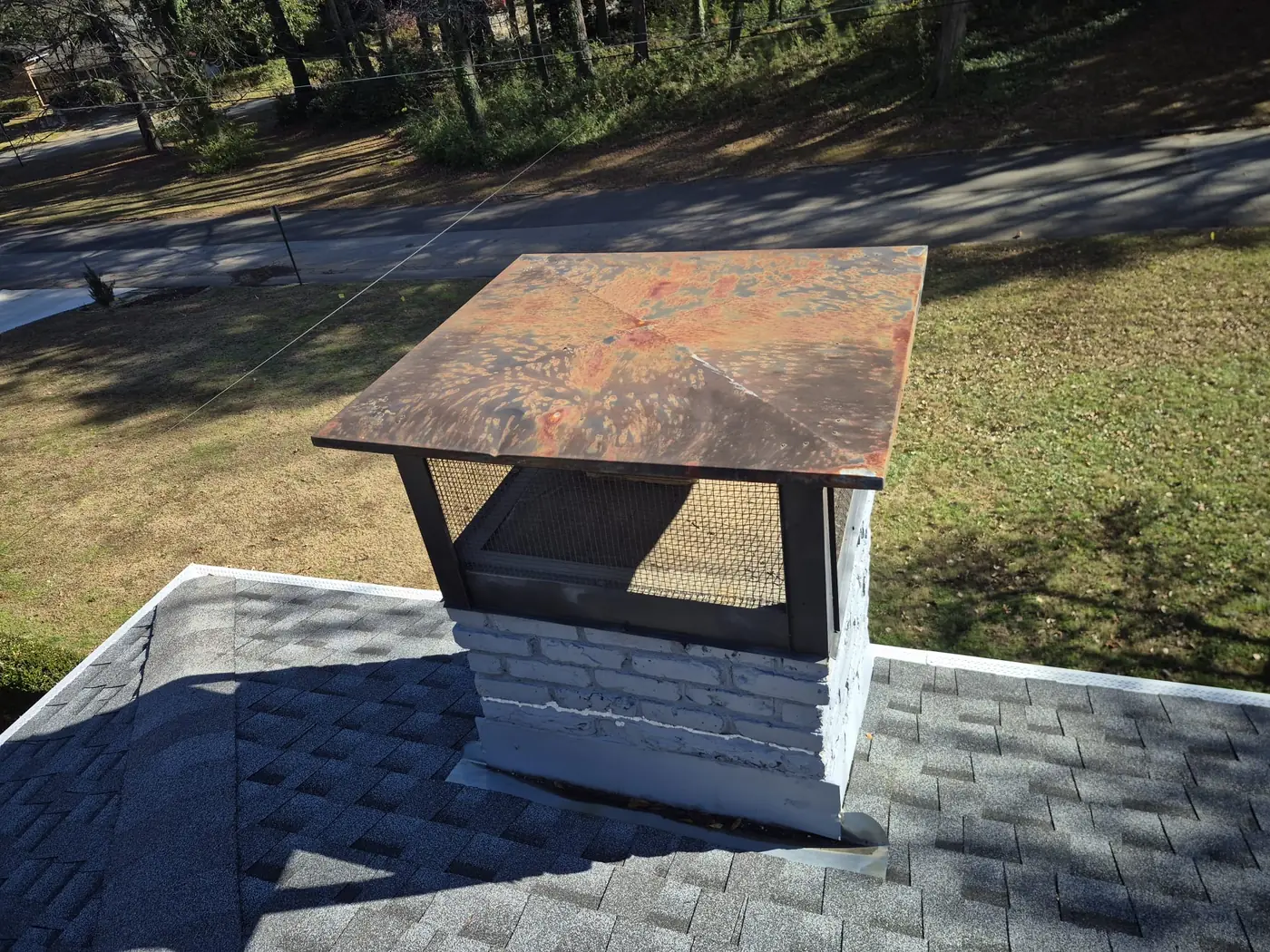
How Often Should You Inspect Your Chimney?
| Situation | Inspection timing |
|---|---|
| Wood-burning fireplace used regularly | At least once a year |
| Fireplace used only occasionally | At least once a year |
| Gas fireplace with an applicable chimney or vent | At least once a year |
| Fireplace left unused for a long stretch | Arrange an inspection before returning it to use |
| Buying or selling a home | At the property transfer |
| After a chimney fire | Before using the system again |
| After a storm or impact that may have damaged the chimney | Promptly, before further use |
| After changes to the appliance or venting system | An appropriate inspection is needed for the changed conditions |
The inspection level depends on the circumstances. You can read about the available levels in our chimney inspection guide.
What If You Barely Use Your Fireplace?
Low fireplace use doesn’t mean the chimney remains unchanged.
Rain, weather exposure and animal activity can affect a chimney even when no fire has been lit.
A chimney cap may become damaged. Masonry can deteriorate. Debris may collect in an unused flue.
These conditions can develop without noticeable changes inside the house.
That’s why annual inspection guidance still applies to fireplaces that are used infrequently.
Is a Yearly Chimney Inspection Worth It?
A yearly inspection helps identify maintenance concerns before the chimney is used again.
It may reveal conditions that have developed since the previous visit, including deterioration, obstruction or damage.
Finding a problem does not automatically mean an expensive repair is necessary. Some conditions require maintenance, while others need more detailed evaluation.
The benefit is understanding the chimney’s current condition and making decisions based on what is found.
An inspection cannot prevent every future problem, but it provides a regular opportunity to identify concerns.
When to Schedule Your Inspection in Atlanta
You can schedule a chimney inspection at any time of year when conditions allow.
For many Atlanta households, late spring or summer is a practical choice. It leaves time to consider necessary work before regular fireplace use resumes.
An inspection before the heating season can also help identify changes that occurred while the fireplace was unused.
The important part is choosing a consistent schedule rather than waiting for a problem.
A Simple Chimney Care Schedule
- During fireplace seasonPay attention to unusual changes in fireplace operation. If a problem develops, stop using the fireplace until it has been evaluated.
- Between professional inspectionsLook for visible exterior changes from a safe location. Check smoke and carbon monoxide alarms according to the manufacturer’s instructions.
- Every yearArrange a professional chimney inspection.
Keep a record of the date, any findings and work performed. These records can help you track changes between visits.
Common Chimney Inspection Myths
“I haven’t used the fireplace, so nothing could have changed.”
Weather and animals can affect a chimney whether or not it is used. Non-use does not rule out damage or obstruction.
“My home is new, so I can skip inspections for several years.”
New construction doesn’t remove the need for regular evaluation. Chimneys and venting systems still require appropriate inspection and maintenance.
“I can see the fireplace from the room, so I know it’s fine.”
The fireplace opening provides only a limited view. Much of the chimney and venting system cannot be evaluated from inside the room.
Chimney Inspection Frequency FAQs
Yes. NFPA 211 guidance recommends annual inspection even when fireplace use is limited. Weather, deterioration and obstructions can still affect the system.
Yes, if the event may have affected the chimney. Arrange an appropriate inspection before using the system again.
Any consistent time that allows the inspection to take place before regular fireplace use is reasonable. Spring and summer may leave more time to address findings before colder weather.
Save the inspection date, findings and any maintenance or repair records. Keeping them together makes it easier to understand the chimney’s service history.
Book Your Annual Chimney Inspection
If your chimney hasn’t been inspected within the past year, schedule an evaluation before regular use.
Our team inspects chimneys throughout Atlanta and nearby cities.
Call (470) 706-6431 or visit our chimney inspection service page to request an appointment.


