Skip to content
Most homeowners know they should get their chimney inspected, but very few understand the different chimney inspection levels — or which one they actually need.
That’s where the confusion usually starts. A Level 1 chimney inspection isn’t a lighter version of a Level 2. A Level 2 isn’t just “more thorough.” And a Level 3 doesn’t mean a technician is being extra cautious for no reason. Each of the three chimney inspection levels exists for a different situation.
For homeowners across Atlanta, Sandy Springs, Roswell, Marietta, Alpharetta, Dunwoody, Brookhaven, Decatur, and Smyrna, here’s the simplest way to think about it: Level 1 is for routine maintenance. Level 2 is for changes, symptoms, or real estate. Level 3 is for a serious hidden hazard that can’t be confirmed any other way.
CSIA points to NFPA 211 — the industry standard covering chimneys, fireplaces, and vents — as calling for an inspection at least once a year, for soundness, deposits, and correct clearances. The National Fire Protection Association’s broader home heating safety guidance covers similar ground for anyone burning wood or running a vented appliance. Which chimney inspection level that annual check should be depends on what’s changed since the last one.
What’s the Difference Between Chimney Inspection Levels?
Here’s the short version. A Level 1 chimney inspection is a basic visual check for a system that hasn’t changed and is working normally. A Level 2 chimney inspection goes further, adding a camera scan of the flue and, when needed, a look at accessible areas like the attic, crawlspace, or roofline. A Level 3 chimney inspection is invasive — walls, ceilings, or masonry may need to be opened to investigate a hazard that can’t be confirmed any other way.
Each level answers a different question:
- Level 1 answers: does everything visible look safe for continued normal use?
- Level 2 answers: what’s actually happening inside the flue and in the accessible hidden areas?
- Level 3 answers: is there a serious hazard hidden behind the walls, ceiling, or framing?
Level 1 Chimney Inspection: The Basic Visual Check
A Level 1 chimney inspection is the most basic of the three chimney inspection levels, meant for routine maintenance when the system hasn’t changed — same fireplace, same fuel type, same appliance, no smoke problems, no leaks, no unusual odors, no chimney fire, no major storm damage, and no home sale in progress.
What a Level 1 Inspection Includes
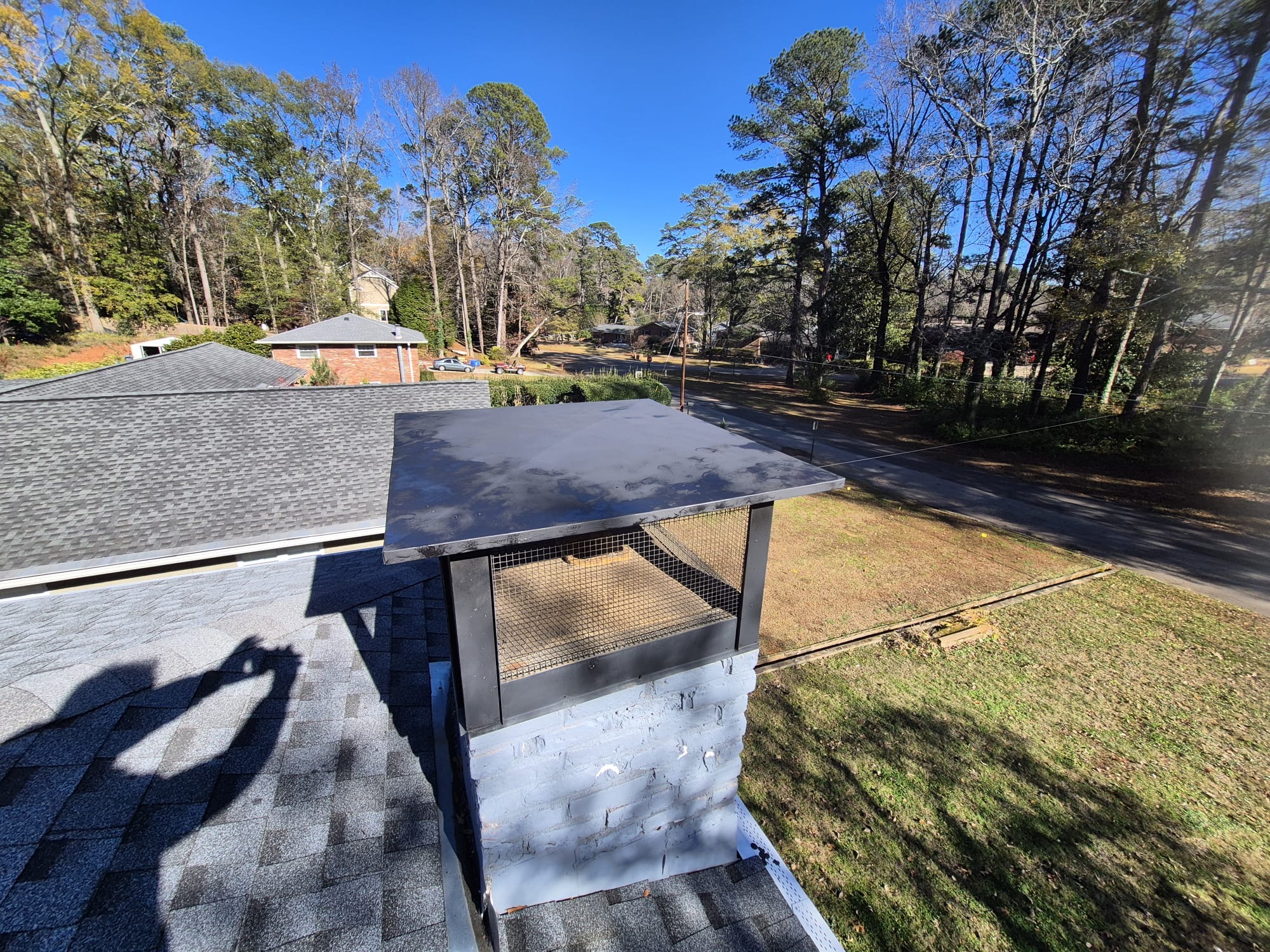
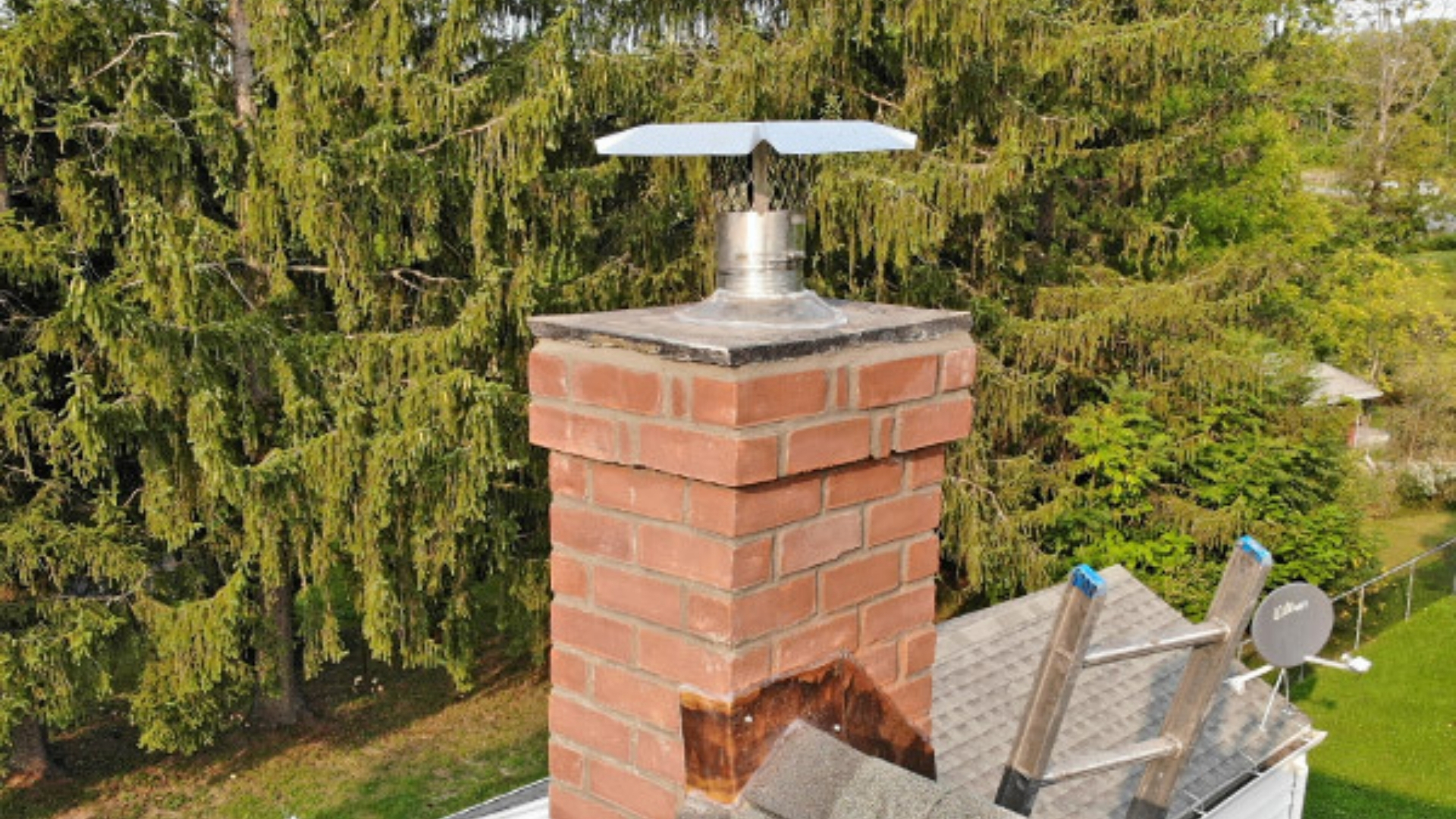
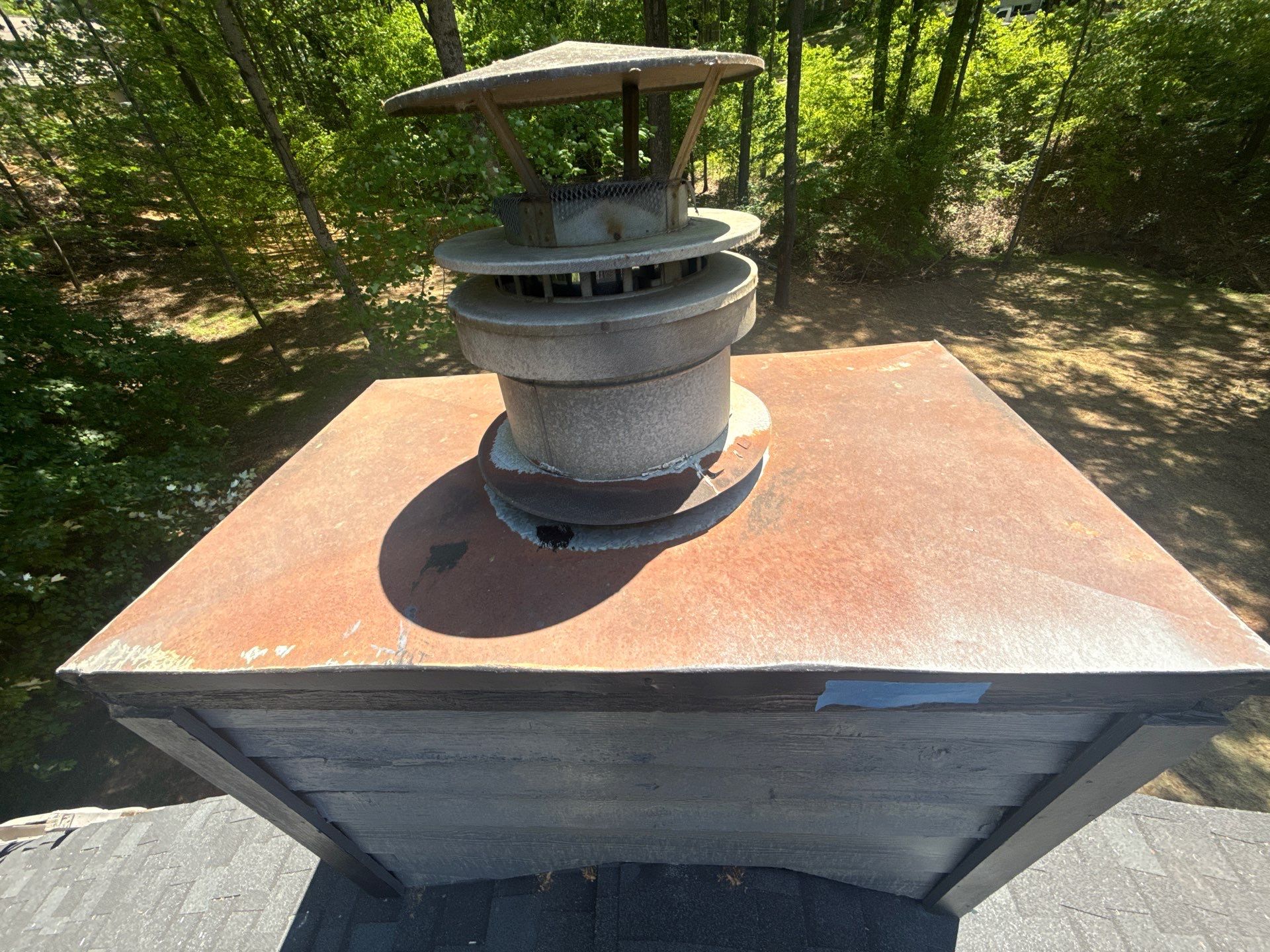
This usually happens during an annual cleaning or routine service visit. The technician checks the readily accessible and visible parts of the system: the fireplace opening, hearth, firebox, damper, visible smoke chamber area, readily visible flue opening, exterior chimney structure, crown, cap, flashing, and visible brick and mortar condition.
When Is a Level 1 Inspection Enough?
Use the “no news is good news” rule. A Level 1 is usually enough if you’ve lived in the home for more than a year, you’re doing annual maintenance, you’re using the same fireplace and fuel as last season, the chimney drafts normally, and there’s no smoke backup, water leak, odor, chimney fire, severe storm damage, or home sale involved. The moment any of that changes, a Level 1 may no longer be enough.
What a Level 1 Inspection Can’t Confirm
The biggest misconception homeowners have is thinking a Level 1 proves the entire chimney is safe. It doesn’t — it can only confirm what the technician can directly see. A Level 1 can’t fully confirm cracked flue liner tiles, gaps between clay liner sections, hidden Stage 3 creosote glaze, animal nesting deeper in the flue, internal water damage, smoke chamber defects above the damper, or heat damage from a past chimney fire. A technician looking up from the firebox with a flashlight sees the first few feet of the flue — that doesn’t mean the entire liner is safe. A flue can look fine near the bottom and still have cracked tiles or a dangerous blockage 15 feet higher. That’s where a Level 2 chimney inspection becomes important.
Level 2 Chimney Inspection: The Camera Inspection
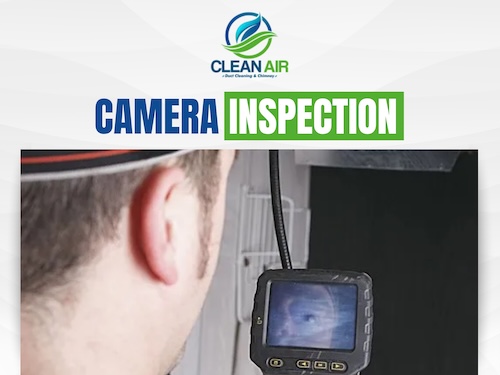
A Level 2 chimney inspection includes everything in a Level 1, but goes deeper. The key difference is the flue camera inspection — a technician runs a specialized chimney camera through the flue to inspect the internal liner and look for damage that can’t be seen from the fireplace opening or chimney top.
What a Level 2 Inspection Includes
Beyond the full Level 1 scope, a Level 2 chimney inspection covers the complete flue liner condition via camera, plus accessible attic, crawlspace, basement, chimney chase, and roofline areas when relevant. CSIA’s Level 2 masonry chimney procedure describes this as the Level 1 scope plus additional accessible areas and internal flue evaluation — which is exactly why it’s the standard homeowners should expect whenever the system has changed or hidden flue condition matters.
When Do You Need a Level 2 Chimney Inspection?
A Level 2 is needed when there’s been a change, symptom, or event that could affect the chimney: buying or selling a home, smoke backing up into the room, water leaking into the fireplace, bad odors, a chimney fire, a lightning strike, severe storm damage, switching from wood to gas, installing gas logs, replacing a fireplace or furnace, changing fuel type, relining the chimney, or an unknown chimney history. NFPA 211 is widely used as the inspection standard for exactly these situations — property transfers, appliance or fuel changes, and events that may have damaged the system.
The Biggest Mistake: Using a Level 1 for a Home Sale
A regular home inspector may glance at the fireplace from the room and maybe the exterior chimney from the yard. That’s not the same as a proper chimney inspection, and it can’t confirm the internal condition of the flue liner. That matters because the most expensive chimney problems are often hidden inside — cracked clay liner tiles, missing mortar between liner joints, shifted flue sections, or heavy glazed creosote. A buyer can close on a home believing the chimney is fine, then discover later it needs a stainless steel liner or thousands of dollars in safety work. A Level 2 camera inspection is how you avoid that surprise.
A Real Example From a Brookhaven Home
A homeowner in Brookhaven called us because smoke was backing up into the living room. They assumed the chimney was just dirty — maybe a bird nest, maybe soot buildup — and expected a basic cleaning and a quick visual look.
But smoke backup is a symptom, not a diagnosis. It means the chimney isn’t venting correctly. The homeowner was initially reluctant to pay for a Level 2 camera inspection, figuring a flashlight would be enough to spot the blockage. Once the technician ran the camera up the flue, the real problem appeared: the internal clay liner had collapsed. Several heavy tile sections had cracked, shifted, and fallen down inside the chimney, wedging into the flue and trapping smoke. Worse, the collapsed liner had exposed raw masonry and nearby combustible framing to heat and sparks.
The fix wasn’t a simple sweep — the chimney needed to be safely relined with stainless steel before it could be used again. A Level 1 can tell you what’s visible. A Level 2 can show you what’s actually happening inside the flue.
Level 3 Chimney Inspection: The Invasive Inspection
A Level 3 chimney inspection is the most serious of the three chimney inspection levels — and the least common. It becomes necessary when a Level 1 or Level 2 reveals evidence of a serious hidden hazard that can’t be fully diagnosed without opening part of the structure: drywall, ceiling sections, masonry, exterior siding, chase covers, or framing access points.
When Is a Level 3 Necessary?
A Level 3 chimney inspection may be needed after a major chimney fire, when there’s suspected hidden framing damage, clearance-to-combustibles violations, repeated carbon monoxide alarms, a suspected hidden vent disconnection, a chimney pulling away from the house, or severe structural movement. It’s not done for drama — it’s done because there’s evidence of a dangerous condition that can’t be fully confirmed from the outside or through a camera scan alone.
When a Chimney Fire Triggers a Level 3
A chimney fire can damage more than the flue liner — the heat can crack clay tiles, warp metal, and transfer into nearby framing. A Level 2 camera scan may show severe fire damage inside the flue, but if there are signs heat transferred beyond the chimney wall, opening drywall or ceiling areas may be the only way to check for charred framing, heat-damaged wood, or hidden fire spread. At that point, the danger isn’t just inside the chimney anymore — it’s what may have happened to the building around it.
Level 1 vs. Level 2 vs. Level 3: Quick Comparison
| Level 1 | Level 2 | Level 3 | |
|---|---|---|---|
| Best for | Annual maintenance, no symptoms, same fireplace and fuel | Buying/selling, smoke problems, leaks, odors, storm or fire damage, appliance changes | Serious hidden hazards a Level 2 flagged but couldn’t fully diagnose |
| Includes | Basic visual check of readily accessible, visible components | Everything in Level 1, plus a flue camera scan and accessible attic/crawlspace/basement areas | Everything in Levels 1 and 2, plus opening concealed areas if needed |
| Does not include | Camera scan, hidden flue diagnosis, opening walls | Opening walls, removing masonry, destructive access | N/A — this is the level where destructive access is on the table |
What You Should Receive After Each Inspection
A chimney inspection shouldn’t end with a vague verbal opinion — you should receive documentation, and the more serious the level, the more detailed it should be.
After a Level 1 Inspection
Expect a written checklist, basic notes on visible condition, photos of any major visible issues, and a clear explanation of whether the system appears safe for continued normal use.
After a Level 2 Inspection
Expect a stronger evidence package: a written report, full flue video or camera scan documentation, photos from inside the flue and of the exterior chimney, notes on the smoke chamber, damper, firebox, and liner, and prioritized repair recommendations that clearly separate urgent safety issues from routine maintenance items. A Level 2 without photos or video proof is a red flag — if you’re paying for a camera inspection, you should receive camera evidence.
After a Level 3 Inspection
Expect detailed documentation, since this may involve opening parts of the home: photos before and after access areas were opened, an explanation of why invasive access was necessary, the safety status of the system, a repair or rebuild plan, and documentation useful for insurance or structural evaluation when applicable. A Level 3 is closer to a forensic diagnosis than a routine service visit.
Common Chimney Inspection Scams and Bad Practices
The chimney industry isn’t regulated the same way in every state, so it pays to know the shortcuts to watch for:
- A “Level 2” with no camera. If a company charges for a Level 2 but doesn’t run a camera or comparable internal scan through the flue, you’re not getting what you’re paying for. A flashlight is not a Level 2 inspection.
- No photos, no proof. If a technician says you have cracked liner tiles, Stage 3 creosote, or a collapsed flue, they should be able to show you. A serious defect should come with serious proof.
- Scare tactics. Be cautious of “your house will burn down tonight,” “you have to sign now,” or “this price is only good today.” A trustworthy technician explains the risk calmly and shows the evidence.
- Vague quotes. Terms like “chimney repair” or “safety repair” without specifics are a red flag. A good quote explains what’s damaged, where, why it matters, what materials will be used, and what’s included or excluded.
- Unnecessary rebuild recommendations. Not every cracked liner means a full chimney rebuild. Sometimes a stainless steel liner, tuckpointing, or a new cap is the correct — and far less expensive — fix. Ask for evidence before agreeing to the bigger job.
What a Chimney Inspection Won’t Fix
An inspection — at any of the three chimney inspection levels — diagnoses a problem. It doesn’t repair one. Once you have your results, these still need a separate service call:
- A cracked or collapsed flue liner. The inspection confirms it’s damaged; fixing it means a liner replacement on its own visit.
- A missing or damaged chimney cap. Identified during the inspection, but cap replacement is booked separately.
- Heavy creosote or soot buildup. A Level 2 camera scan will show it clearly, but removing it requires an actual sweep and cleaning visit.
- A stuck, rusted, or broken damper. The inspection will note damper condition, but repair or replacement happens as its own service.
- Smoke or draft problems. An inspection can identify the cause, but correcting draft issues — see our guide on why fireplaces smoke into the house — is a separate fix.
How to Choose the Right Chimney Inspection Company
Before booking, ask a few direct questions: Are your technicians CSIA-certified? Will I receive a written report, not just a verbal opinion? For a Level 2, will I get photos or video from the camera scan? Is sweeping included, or charged separately if soot blocks the camera view? Will you clearly separate urgent safety issues from routine maintenance items?
Beyond the right questions, look for the baseline credentials that matter for any chimney work:
- CSIA certification — the Chimney Safety Institute of America trains professionals to follow NFPA 211 guidance, and its homeowner resources explain why annual inspection matters
- Proof of insurance — protects you if something goes wrong on your property
- BBB accreditation — a verifiable track record, not just a promise
Certification doesn’t guarantee perfection, but it shows a company is working within recognized chimney industry standards rather than making up its own rules.
Final Answer
Understanding chimney inspection levels comes down to one question: what’s changed since your last inspection? Nothing changed and the system works normally — Level 1 is enough. Buying, selling, or dealing with a symptom like smoke, water, or odor — you need a Level 2 camera inspection. A Level 2 turned up evidence of a serious hidden hazard — a Level 3 may be the only way to confirm what’s actually happening behind the walls. The inspection level isn’t about how thorough the service sounds. It’s about how much of the chimney needs to be seen to make a safe decision.
Final Advice From Our Team
This depends on the chimney — but do not choose your inspection level based on price alone. Choose it based on risk. A basic visual check confirms visible conditions. A camera inspection reveals hidden flue hazards. An invasive inspection uncovers concealed damage no other method can find. The best chimney company won’t just tell you what’s wrong — they’ll show you.
Call (470) 706-6431 or contact us to schedule the right level of chimney inspection in Atlanta, GA.
FAQ
What are the different chimney inspection levels?
There are three chimney inspection levels. A Level 1 inspection is a basic visual check for routine annual maintenance. A Level 2 inspection adds a camera scan of the flue for a more detailed evaluation. A Level 3 inspection is invasive and may require opening walls, ceilings, or masonry to investigate a serious concealed hazard.
Is a Level 1 chimney inspection enough?
A Level 1 is enough only when the chimney system hasn’t changed, there are no symptoms, and you’re doing routine annual maintenance.
When do I need a Level 2 chimney inspection?
You need a Level 2 inspection when buying or selling a home, after a chimney fire, after storm damage, when smoke backs up, when water leaks, when odors appear, or when changing appliances or fuel types.
Does a Level 2 chimney inspection include a camera?
A proper Level 2 inspection should include internal flue evaluation, typically with a chimney camera, so the technician can inspect areas that aren’t visible during a basic Level 1 inspection.
Is a Level 2 chimney inspection required when buying a house?
NFPA 211 is the common industry standard used for chimney inspections, and Level 2 inspections are the recommended standard when property changes ownership.
What can a Level 1 inspection miss?
A Level 1 can miss cracked liner tiles, gaps between flue sections, hidden creosote glaze, animal nests, collapsed liner pieces, smoke chamber issues, and internal water damage.
When is a Level 3 chimney inspection needed?
A Level 3 inspection is needed when a Level 1 or Level 2 inspection suggests a serious hidden hazard that can’t be fully evaluated without opening concealed parts of the home or chimney.
Is a Level 3 chimney inspection destructive?
It can be. A Level 3 inspection may require removing drywall, masonry, siding, ceilings, or other building components to access hidden areas.
Should I get photos and video from a chimney inspection?
Yes. For a Level 2 inspection, expect photos, video footage, or camera screenshots showing the condition of the flue. For major repairs, never rely on a verbal explanation alone.
Who should I call for chimney inspections in Atlanta?
Call a chimney professional who can inspect the visible chimney, roofline, firebox, damper, smoke chamber, and flue liner. For Level 2 inspections, make sure they provide camera footage and a written report.