Skip to content

Chimney soot removal often gets treated as a simple cleaning job — but heavy soot can also be a warning sign that your fireplace isn’t burning or drafting correctly.
A little soot inside a wood-burning fireplace is normal. Fire creates smoke, and smoke leaves behind residue. But when soot builds up quickly, stains the fireplace opening, makes the room smell smoky, dirties the glass doors after every fire, or falls into the firebox, the problem may go deeper than surface dirt.
For homeowners across Atlanta, Sandy Springs, Roswell, Marietta, Alpharetta, Dunwoody, Brookhaven, Decatur, and Smyrna, the most important thing to understand is this: soot is not always dangerous by itself, but heavy soot often tells you your fireplace is burning poorly, your chimney draft is weak, or your flue needs inspection.
What Is Chimney Soot?
Chimney soot is a soft, dry, black carbon dust created when wood doesn’t burn completely. It usually looks powdery, flaky, or dusty — you may see it on the fireplace walls, around the opening, on the damper, inside the flue, or on glass doors.
Soot is common in wood-burning fireplaces, but excessive buildup shouldn’t be ignored. Heavy soot can point to poor airflow, wet wood, a cold flue, a dirty chimney, or a draft problem.
Chimney Soot vs. Creosote: What’s the Difference?
Homeowners often use “soot” and “creosote” interchangeably. They’re related, but they’re not the same.
Soot
Soot is usually soft, dry, powdery, and black or gray-black — mostly carbon dust that’s easier to brush away. It’s caused by incomplete combustion, and while it’s messy, it’s usually far easier to remove than advanced creosote.
Creosote
Creosote is more serious. It can look sticky, shiny, crusty, flaky, tar-like, or hardened onto the flue walls. It forms when unburned wood gases condense inside a cooler chimney flue, and it can become highly flammable and much harder to remove than basic soot.
Don’t assume all black buildup is harmless. Dry black dust may be soot. Shiny, sticky, crusty, or tar-like buildup may be creosote and should be inspected before using the fireplace again.
Common Signs of a Chimney Soot Problem
Most homeowners first notice soot in or around the fireplace, not deep inside the chimney. Watch for:
- Black stains around the fireplace opening. Dark marks on the brick, stone, or mantel area can mean smoke isn’t drafting properly and is staining the surfaces as it escapes.
- A strong smoky smell. A lingering campfire or ash smell can point to soot, creosote, moisture, or poor draft, and it’s often worse in humid or rainy weather.
- Dirty fireplace glass doors. If the glass turns black, cloudy, or greasy after every fire, the fire is likely burning too cool or producing too much smoke.
- Soot falling into the firebox. Loose black flakes falling from inside the chimney mean buildup is breaking loose. Dry and powdery is usually soot; hard, crusty, shiny, or tar-like may be creosote.
- Smoke backing into the room. A major warning sign that the draft is weak, the damper isn’t fully open, the flue is blocked, or the chimney is dirty.
- Poor draft. If your fire is hard to start, smolders, or won’t burn cleanly, the chimney may not be pulling air properly — which creates even more soot as smoke lingers and cools.
What Causes Excessive Chimney Soot?
Soot builds up faster when the fire burns too cool or the chimney draft is too weak. Here are the most common causes we see.
Burning Wet or Unseasoned Wood
Wet wood is one of the biggest causes of soot and creosote buildup. When wood has too much moisture, the fire wastes energy boiling water out of the log instead of producing strong heat — that creates cooler, smokier fires, and more smoke means more soot. Use dry, seasoned firewood whenever possible; good firewood is usually lighter, faded in color, cracked at the ends, and dry to the touch.
Poor Draft
Draft is the upward pull that carries smoke out of the fireplace and through the chimney. When draft is weak, smoke lingers in the flue, and the longer it sits, the more residue it leaves behind. Poor draft can be caused by chimney height, wind, blockage, flue sizing, house pressure, or fireplace design — if this sounds familiar, our guide on why fireplaces smoke into the house covers draft problems in more depth.
Closed or Partially Closed Damper
The damper must be fully open before starting a fire. If it’s closed or only partly open, smoke can’t escape properly, which forces soot and smoke back into the fireplace and sometimes into the living room. Never close the damper while logs are still burning or smoldering.
Cold Chimney Flue
A cold flue can make smoke cool too quickly. When hot smoke hits cold chimney walls, it condenses and leaves more residue behind — this can create soot and eventually creosote. Exterior chimneys are especially prone to this since they’re exposed to outdoor temperatures on multiple sides.
Oversized Logs and Poor Airflow
Large logs packed too tightly can smolder instead of burning hot, since oxygen can’t move through them properly. Modern airtight homes can make this worse by starving the fireplace of oxygen entirely — when the fire doesn’t get enough air, it can’t burn cleanly, which means more smoke, more soot, and more odor. Sometimes cracking a nearby window helps the fireplace draft better by giving the fire makeup air.
A Chimney That’s Already Dirty
Existing soot buildup creates a rough surface inside the chimney, and that rough surface catches more soot as smoke rises — the problem builds on itself over time.
Fireplace Design Problems
Some fireplaces smoke and soot heavily because of design issues — a fireplace opening that’s too large for the flue, a poorly shaped smoke chamber, an oversized flue, or a short chimney can all interfere with draft. When design is the problem, cleaning alone may not stop the soot from coming back.
A Real Example From a Sandy Springs Home
A homeowner in Sandy Springs bought a house with a beautiful wood-burning fireplace but didn’t know how the previous owners had used it. They noticed a strong smoky smell in the living room, even though they hadn’t lit a fire in months. The glass doors looked permanently foggy and greasy, and small black flakes kept falling onto the hearth.
At first, they assumed it just needed a quick cleaning. But during the inspection, the technician found something more serious than basic soot — a camera inspection showed heavy Stage 3 glazed creosote inside the flue, and the buildup had narrowed the exhaust path enough to create a real safety concern.
The likely cause was years of burning wet wood and closing the damper too early, which starved the fire of oxygen and caused smoke to bake onto the chimney walls. That’s why soot symptoms shouldn’t be ignored — sometimes what looks like a messy fireplace is actually a warning sign of a restricted or unsafe flue.
What Not to Do When You Notice Soot or Smoke Backup
If you see soot stains or smoke backing into the room, the wrong reaction can make things worse.
- Don’t keep adding wood if smoke is backing up. Stop and address the cause first.
- Don’t close the damper early. If logs are still burning or smoldering, closing the damper traps smoke and gases inside the home and can make soot and creosote problems worse.
- Don’t spray water on hot brick or glass. Sudden temperature shock can crack glass and damage masonry.
- Don’t assume it’s only cosmetic. Black stains can be cosmetic, but they can also point to a draft problem or blockage — if soot appears suddenly or heavily, have the chimney inspected before using the fireplace again.
Common DIY Soot Removal Mistakes
Homeowners often make soot worse by trying to clean it the wrong way.
- Using a household vacuum. Regular vacuums aren’t built for fine soot particles — they can let soot pass through the filter, damage the motor, and blow black dust back into the room. Professionals use HEPA filtration and proper containment.
- Using bleach or harsh chemicals on brick. These can damage porous masonry, weaken mortar, and make the stain worse instead of better.
- Scrubbing glass with wire brushes or razor blades. They can scratch the glass, and those scratches trap even more soot later.
- Painting over soot stains. Paint doesn’t solve soot — the oils and carbon can bleed through if the surface isn’t properly cleaned, and it does nothing to fix the draft issue causing it.
- Using quick-fix creosote logs instead of a real chimney sweep. These logs don’t physically remove buildup from the chimney system the way a professional sweep does.
- Cleaning the stain but ignoring the source. This is the biggest mistake — if soot is caused by poor draft, wet wood, or a damper problem, it will come back after the next fire.
- Wetting heavy soot before brushing. This can turn dry soot into a black paste that smears into porous brick and stone, making it much harder to remove.
What Professional Chimney Soot Removal Includes
A proper chimney soot removal service should include cleaning and inspection — not just a quick brush-and-leave job.
Fireplace Preparation and Containment
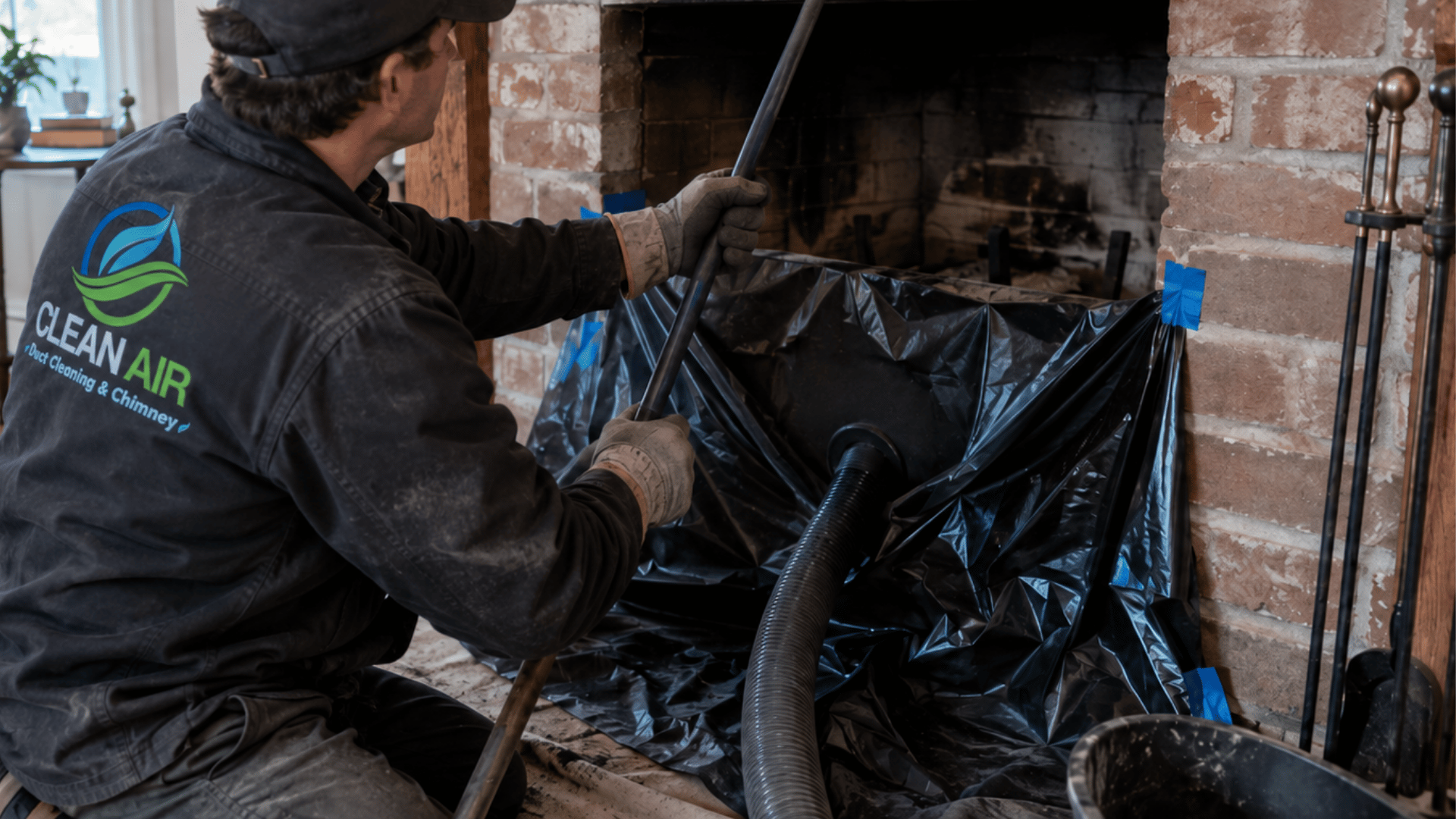
The technician should protect the work area before cleaning, which may include sealing the fireplace opening, setting up containment, and using heavy-duty drop cloths to protect floors and nearby surfaces. A high-quality HEPA vacuum should capture fine soot particles during the job, keeping soot from spreading into the home.
Flue, Smoke Chamber, and Firebox Cleaning
The technician should brush the full length of the flue to remove loose soot and residue, using the right brush for your chimney type. The smoke chamber — the area above the damper where smoke transitions into the flue — often collects heavy soot and shouldn’t be skipped, and the firebox walls, floor, and grate area may need scrubbing to remove baked-on residue.
Camera Inspection and Draft Check
A camera inspection helps check for hidden issues inside the flue, including cracks, gaps, missing mortar, damaged liner, heavy creosote, blockages, or animal debris. This is especially important if you’ve noticed smoke backup, strong odors, or falling black flakes. The technician should also verify that the damper opens and closes properly and that the chimney is drafting as expected — if the fireplace keeps smoking after cleaning, the source of the problem needs to be identified.
Documentation
Before-and-after photos help you see what was removed, and a written report gives you a clear record of the chimney’s condition along with any recommended repairs.
What Soot Removal Alone Won’t Fix
If soot keeps coming back quickly after a cleaning, the real issue usually wasn’t solved by cleaning alone. A sweep removes what’s already built up — it doesn’t fix:
- Wet or unseasoned firewood. No chimney repair fixes a wood-moisture problem — that’s on the wood, not the chimney.
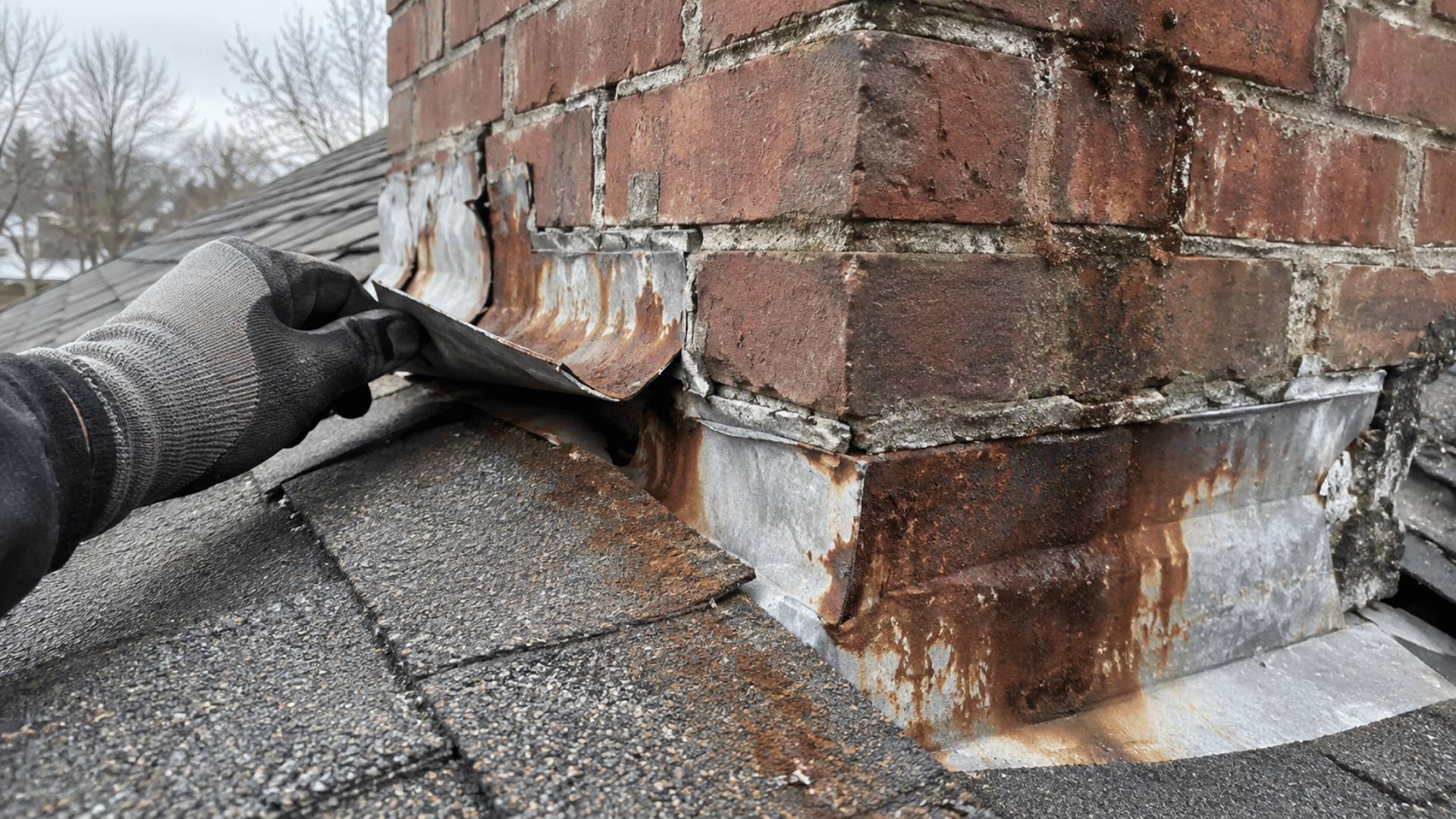
- A damaged flue liner. If the liner is cracked, oversized, or not right for the appliance, cleaning won’t correct that — see our guide on chimney restoration for older Atlanta homes for what liner repair involves.
- A warped or rusted damper. This needs actual repair, not just cleaning around it.
- A fireplace or smoke chamber design problem. An oversized flue, a poorly shaped smoke chamber, or a chimney opening mismatch needs draft correction, not another cleaning.
- Negative house pressure. If the home itself is fighting the chimney for air, no amount of sweeping solves that — it needs an airflow or ventilation fix.
Fixing the Root Cause When Soot Keeps Coming Back
If cleaning alone doesn’t stop the soot from returning, here’s what a technician may recommend instead.
Draft Correction
If the chimney doesn’t create enough upward pull, draft correction may involve chimney height changes or other adjustments depending on the cause.
Stainless Steel Liner
A stainless steel liner can improve venting when the existing flue is damaged, oversized, or not appropriate for the appliance — a smoother, properly sized liner helps keep exhaust moving efficiently.
Damper Repair
A warped, rusted, dropped, or broken damper can restrict airflow. Repairing or replacing it may improve draft and reduce soot on its own.
A Better Chimney Cap
A wind-resistant chimney cap can help reduce downdrafts that push smoke and soot back into the fireplace, while also keeping rain, animals, and debris out.
Smoke Chamber and Design Correction
A rough smoke chamber creates turbulence and catches soot — parging smooths the surface and can improve smoke flow. Some fireplaces have deeper design problems, where the smoke shelf, firebox opening, or flue sizing may need evaluation.
Seasoned Wood and Makeup Air
If you’re burning wet wood, no chimney repair fully solves the soot problem — dry, seasoned wood is essential. And if the home is too airtight, the fireplace may not get enough oxygen; a makeup air vent can help balance pressure and improve draft.
When Cosmetic Cleaning Is Enough vs. When You Need a Full Inspection
Not every soot stain means there’s a dangerous chimney problem.
Cosmetic Cleanup May Be Reasonable When:
- The buildup is light and dusty
- The glass wipes clean easily
- The staining is mild and gradual
- There’s no smoke backing into the room
- There’s no strong odor
- The annual inspection has already cleared the system
A Full Inspection Should Come First When:
- Soot appears suddenly after one or two fires
- The buildup is thick or velvet-like
- The texture is shiny, sticky, or tar-like
- Smoke stains reach outside the fireplace opening
- Black flakes or chunks are falling into the firebox
- The smoky smell is strong and persistent
- Smoke backs into the room
Surface cleaning should never be used to hide a chimney performance problem.
How to Choose the Right Chimney Company
Look for the same baseline credentials that matter for any chimney work:
- CSIA certification — the Chimney Safety Institute of America sets the industry’s recognized training standard
- Proof of insurance — protects you if something goes wrong on your property
- BBB accreditation — a verifiable track record, not just a promise
A good company should also be able to show you before-and-after photos and a clear written report, not just tell you the job is done.
Final Answer
Light soot after normal fireplace use is common and usually just needs routine cleaning. But heavy soot, smoke backup, strong odors, black flakes, or anything shiny, sticky, or tar-like is a sign to stop and get the chimney inspected before lighting another fire. Chimney soot removal done right includes both cleaning and a real inspection — not just a quick brush-and-leave job.
Final Advice From Our Team
This depends on the fireplace — but when in doubt, do not light a fire. If a fire is already burning and smoke starts backing into the room, stop adding wood, keep the damper open, ventilate the room, and call a professional if the problem continues. The NFPA’s home heating safety guidance is a good resource if you’re ever unsure whether a chimney issue is safety-critical.
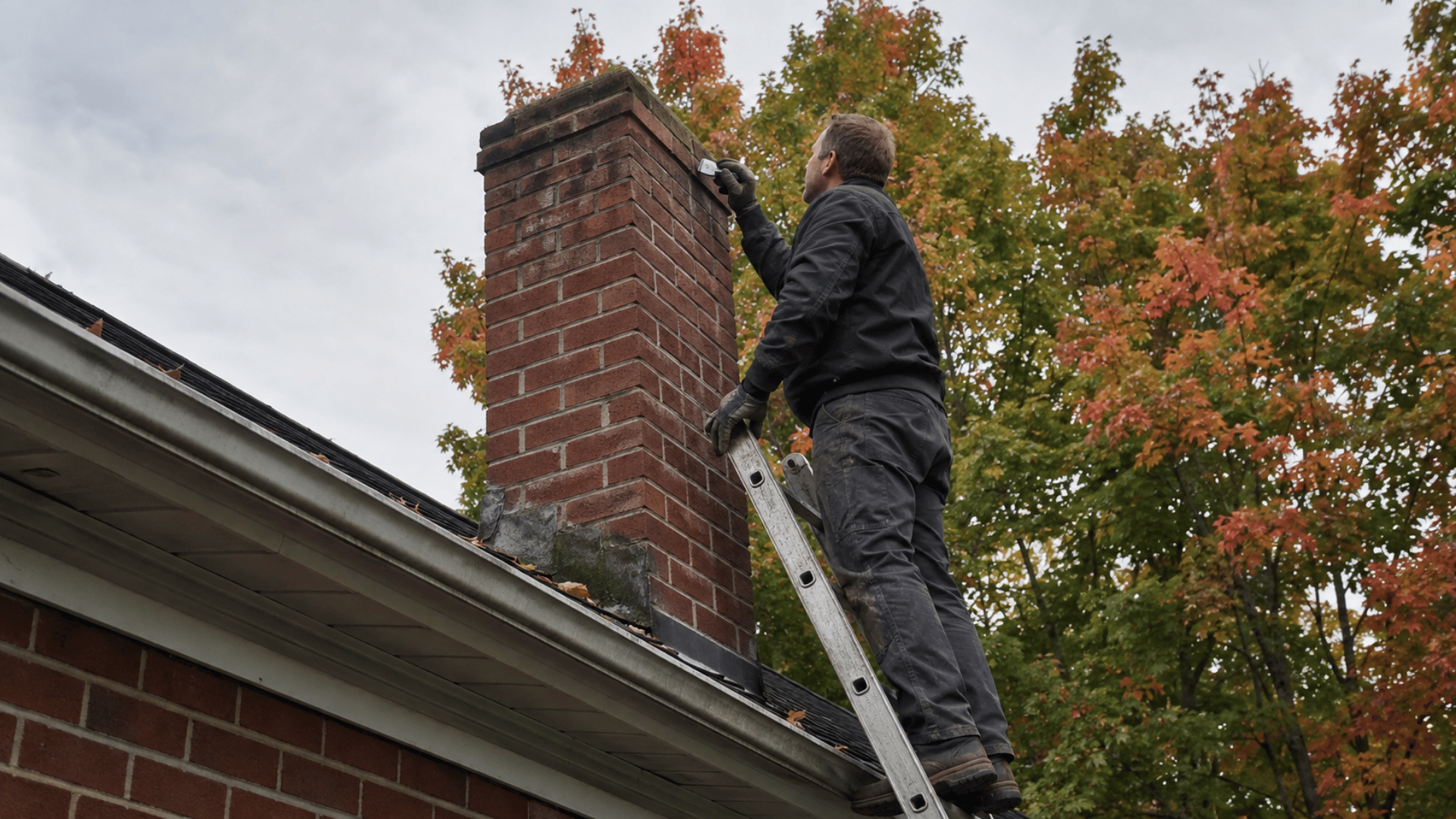
A Level 2 camera inspection can show the full length of the flue and reveal hidden cracks, heavy buildup, or blockages that can’t be seen from the hearth — especially worth it if the soot problem appeared suddenly or keeps coming back.
Call (470) 706-6431 or contact us to schedule chimney soot removal in Atlanta, GA.
FAQ
What is chimney soot?
Chimney soot is a dry black carbon residue created when wood doesn’t burn completely. It often looks powdery, dusty, or flaky.
Is chimney soot dangerous?
Light soot is common, but heavy soot can point to poor combustion, weak draft, or chimney blockage. It should be inspected if it builds up quickly, smells strong, or appears with smoke backup.
What is the difference between soot and creosote?
Soot is usually dry black dust. Creosote can be sticky, shiny, crusty, tar-like, or hardened. Creosote is more flammable and more difficult to remove.
Why is there black soot around my fireplace opening?
Black soot around the opening usually means smoke is escaping into the room instead of drafting cleanly up the chimney. This may be caused by poor draft, a cold flue, negative pressure, damper issues, or blockage.
Why do my fireplace glass doors turn black so fast?
Glass doors turn black quickly when the fire burns too cool or too smoky. Wet wood, poor airflow, and weak draft are common causes.
Can I clean fireplace soot myself?
You can clean light surface soot carefully, but heavy soot, falling flakes, smoke backup, or shiny buildup should be inspected professionally before more fires are used.
Can I vacuum chimney soot with a regular vacuum?
No. Regular vacuums aren’t designed for fine soot particles and can blow soot back into the room or damage the motor.
Does soot mean my chimney needs sweeping?
Not always, but heavy soot, strong odors, smoke issues, or falling black flakes are good reasons to schedule chimney sweeping and inspection.
Why does soot keep coming back after cleaning?
If soot returns quickly, the fireplace may have an unresolved issue such as wet wood, poor draft, damper problems, cold flue, negative pressure, or chimney design problems.
Who should I call for chimney soot removal?
Call a professional chimney company that can clean the fireplace and inspect the chimney system. In the Atlanta area, Clean Air Duct Cleaning & Chimney can inspect the flue, remove soot buildup, check draft, and explain the right fix.