Skip to content
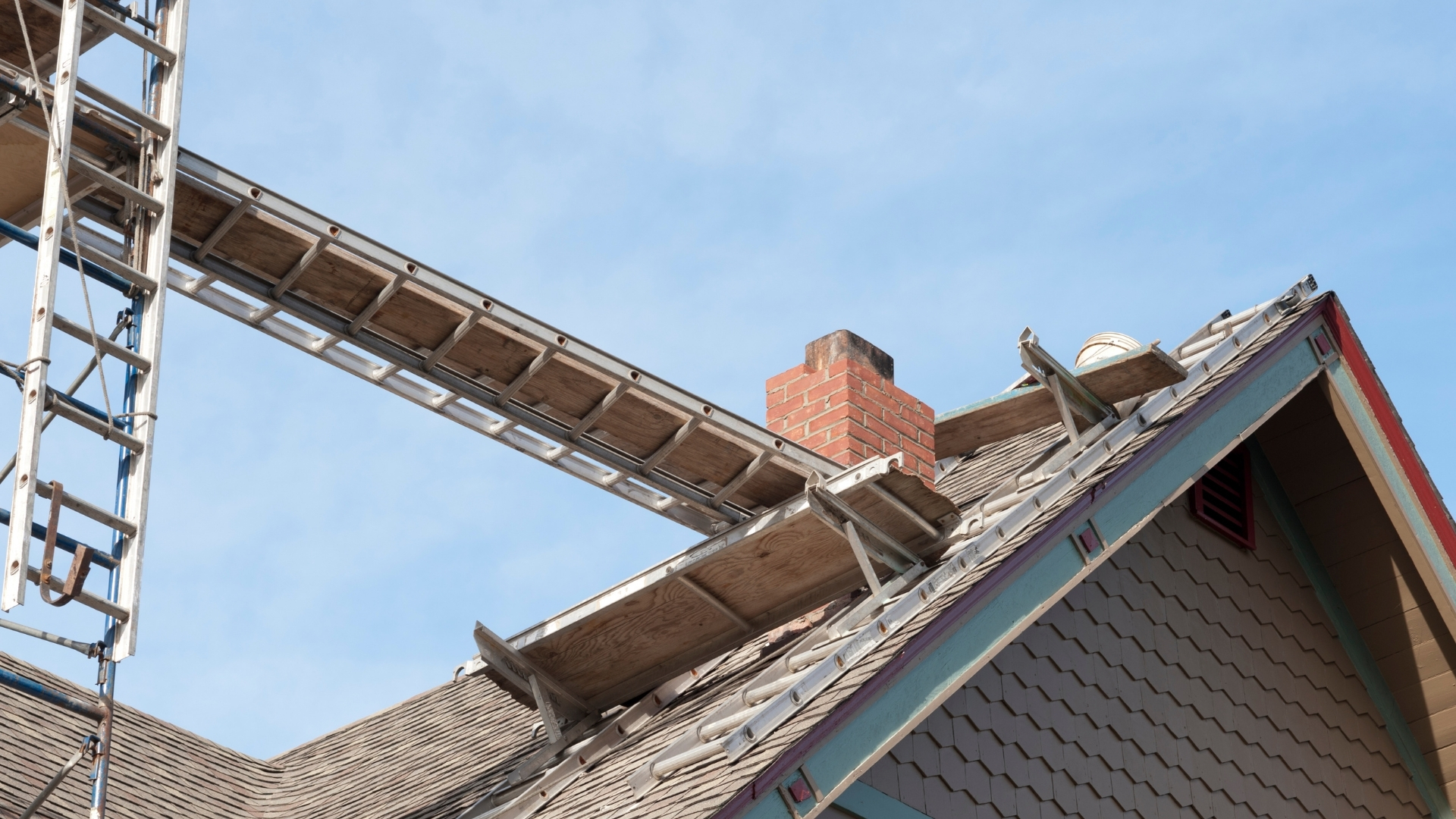
If you’re researching chimney restoration in Atlanta for an older home, you’re not imagining the problem. Chimneys built decades ago in neighborhoods like Midtown, Decatur, and other older parts of the metro have absorbed years of rain, humidity, tree shade, and aging masonry — and it usually catches up with them eventually.
We see this across Atlanta, Sandy Springs, Roswell, Marietta, Alpharetta, Dunwoody, Brookhaven, and Smyrna: from the ground, a chimney may not look that bad, but inside, the flue liner, mortar joints, crown, flashing, and brickwork can be in much worse shape than the homeowner realizes.
What Does Chimney Restoration in Atlanta Involve?
Chimney restoration in Atlanta covers the repair and rebuilding of damaged parts of an older chimney system — tuckpointing, crown repair, flashing repair, cap replacement, waterproofing, liner installation, brick replacement, or partial rebuilding, depending on what’s actually wrong.
For most older homes, the pattern is simple: the mortar starts to deteriorate, water gets deeper into the chimney, and the damage eventually spreads to the brick, crown, liner, or even the inside walls of the home.
Why Older Atlanta Chimneys Need Restoration
A chimney sits above the roofline, fully exposed to weather — rain, sun, wind, humidity, and falling tree debris hit it directly. In Atlanta, moisture is the biggest enemy. A missing cap, cracked crown, poor flashing, or deteriorated mortar can let water soak into the system, and once it’s in, the damage usually gets worse over time.
In many older homes, homeowners don’t notice the exterior damage right away, since it’s above the roofline and out of daily sight. They usually notice the problem only after it reaches the living space.
What Causes Chimney Damage in Older Atlanta Homes
Deteriorating Mortar Joints — The First Sign
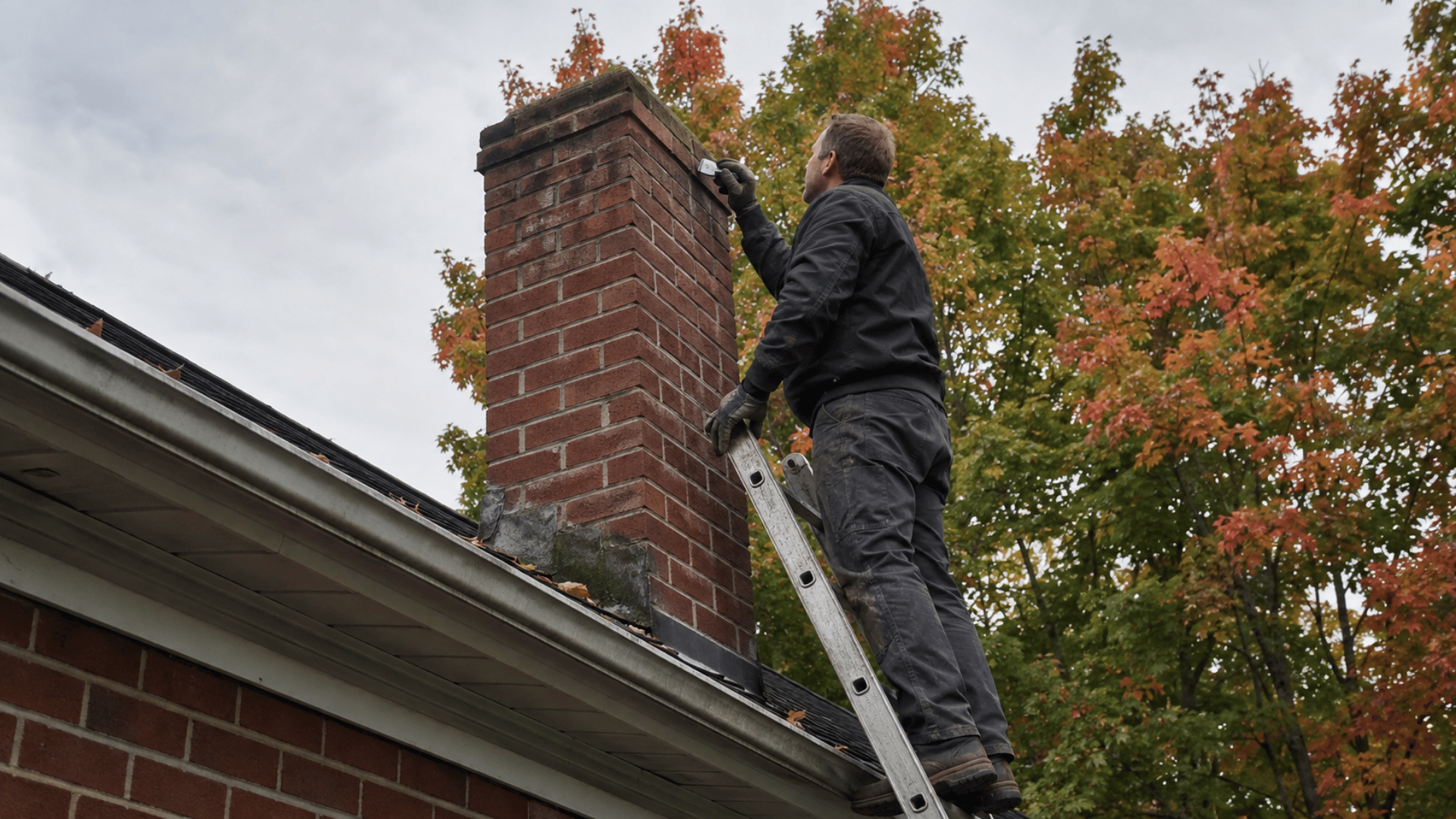
For homes built from the 1920s through the 1960s, the first visible chimney issue is often deteriorating mortar joints. Mortar is the material between the bricks, and over time, moisture and age cause it to soften, crack, wash out, or turn sandy.
Once the mortar weakens, water can enter deeper into the chimney structure, opening the door to spalling brick, a cracked crown, chimney leaks, interior water stains, musty odors, liner damage, and smoke or draft problems. Mortar isn’t just cosmetic — it holds the chimney together and keeps water out.
How Moisture Gets Into an Older Chimney
Beyond deteriorating mortar, water can enter through a missing or damaged chimney cap, a cracked crown, bad roof flashing, absorbent old brick, an open or damaged flue, or poor waterproofing. Tree shade that keeps a chimney damp can make all of this worse — older brick and mortar hold moisture, and a shaded roof with mature trees can keep a chimney damp long after the rain stops.
Why the Damage Gets Worse Over Time
Water damage rarely stays small. Once it’s inside the chimney, it moves through the masonry and affects different parts of the system. In colder snaps, trapped moisture can expand and worsen cracks; in humid weather, the chimney may simply stay damp longer. Over time, this leads to mortar erosion, brick spalling, crown cracks, flue liner cracks, rusted dampers, interior wall damage, and structural movement. A small leak at the top of the chimney can eventually become a much larger restoration project.
Warning Signs Your Chimney Needs Restoration
Homeowners usually notice chimney problems in one of two places: inside the home, or outside near the chimney itself.
Interior Warning Signs
- Water stains near the fireplace
- Bubbling or peeling paint
- Musty smell from the fireplace
- Smoky odor when the fireplace isn’t in use
- Smoke backing into the room
- Pieces of clay tile in the firebox
- Rusted damper or metal fireplace parts
- Carbon monoxide alarms going off
- Damp drywall near the chimney
If you’re seeing water stains inside the home, the problem has already moved beyond the exterior surface.
Exterior Warning Signs
- Cracked or missing mortar joints
- Loose bricks or spalling brick faces
- White powder on brick
- Cracked chimney crown
- Missing or rusted chimney cap
- Rust stains
- Chimney pulling away from the house
- Leaning chimney stack
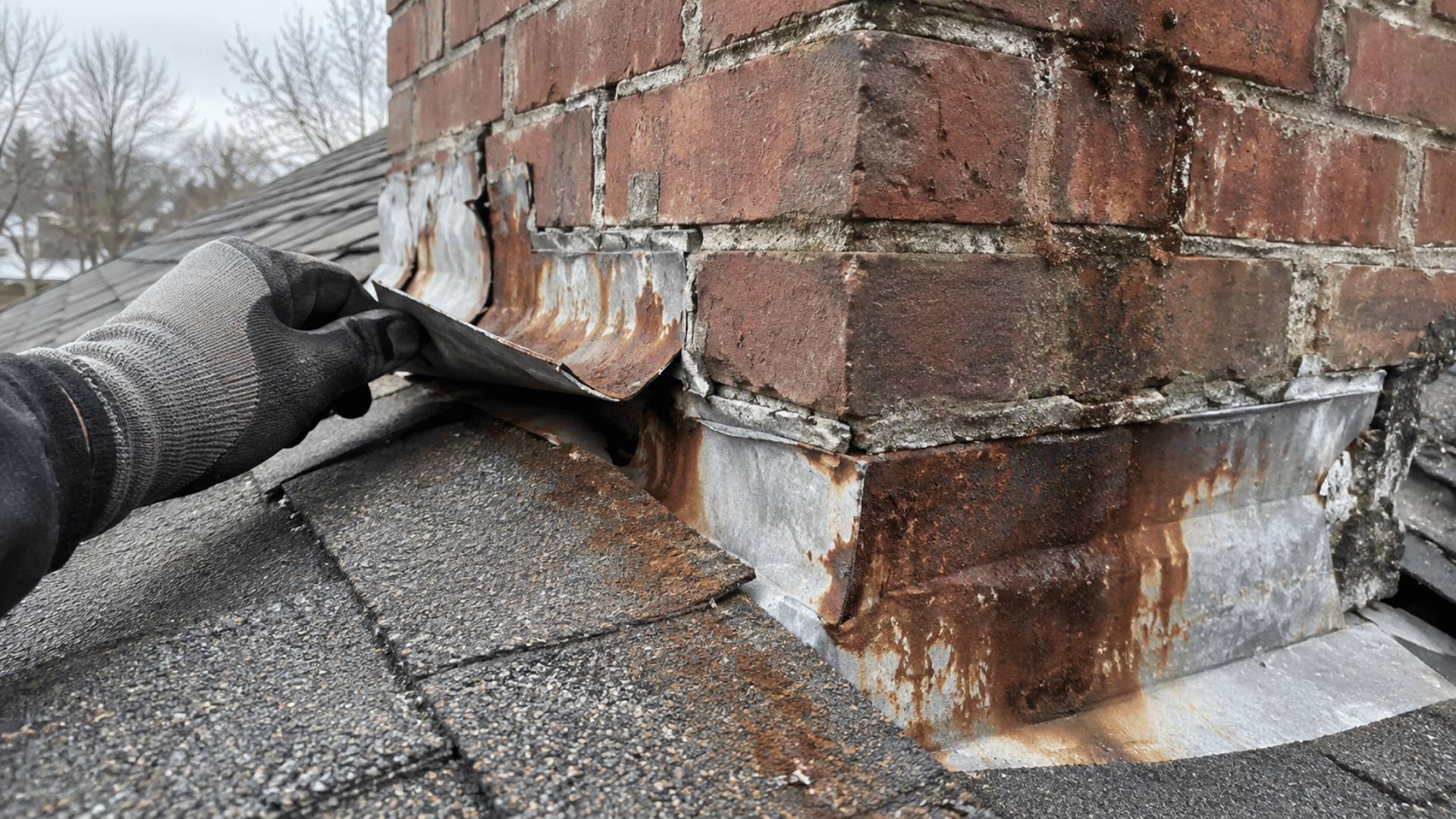
- Damaged flashing at the roofline
Many of these signs are hard to see from the ground, which is why older chimneys should be inspected before the damage becomes obvious inside the house.
A Real Example From a Midtown Bungalow
A common case we see in older Atlanta neighborhoods is a chimney that looks like it only needs minor exterior work. Picture a 1920s bungalow in Midtown: from the outside, the chimney shows only hairline cracks in the mortar, and the homeowner assumes it needs a simple tuckpointing patch.
But once a camera inspection is performed, the inside tells a different story. The clay flue liner is cracked, shifted, and partially collapsed — pieces have fallen into the smoke shelf and are blocking the exhaust path. The cause: decades of water entering through a cracked chimney crown, slowly damaging the internal masonry from behind the brick.
What looked like a small exterior repair became a larger restoration involving a stainless steel liner, a crown rebuild, masonry repair, and waterproofing. The lesson with older chimneys: the outside can look acceptable while the inside is failing.
Chimney Restoration Solutions for Older Atlanta Homes
The right repair depends on where the damage actually is. Some chimneys only need exterior masonry work. Others need liner repair, crown repair, cap replacement, flashing repair, waterproofing, or a more complete restoration.
Tuckpointing
Tuckpointing is one of the most common chimney restoration repairs for older Atlanta homes. It involves removing old, crumbling mortar from between the bricks and replacing it with fresh mortar — restoring strength, reducing water entry, and slowing further deterioration.
It may be enough on its own if the mortar is soft or missing, the bricks are still solid, the chimney is straight, and a camera inspection shows the liner is intact. It’s not enough if there are interior water stains, a cracked crown, damaged flashing, clay tile pieces in the firebox, or smoke backing into the room — in those cases, new mortar alone won’t solve the issue.
Stainless Steel Chimney Liners
Many older homes have clay tile liners that crack over time, and some very old chimneys have no modern liner at all. A stainless steel liner creates a new exhaust pathway inside the existing chimney, moving smoke, gases, and heat safely out of the structure.
A liner may be recommended when clay flue tiles are cracked or collapsed, the chimney is unlined, the flue is oversized for the appliance, there’s been a chimney fire, a new fireplace insert is being installed, or a gas appliance needs proper venting. Making the outside of the chimney look good doesn’t make the fireplace safe if the internal liner is damaged — the liner is part of the safety and venting system, not a cosmetic upgrade.
Chimney Crown Repair or Rebuild
The crown is the concrete surface at the top of the chimney, and its job is to shed water away from the flue and brickwork. When it cracks, water enters from above and runs down through the entire structure, damaging mortar, brick, liners, and interior walls. Minor cracks may be sealed or resurfaced; severe crown damage may need a full rebuild. A cracked crown shouldn’t be ignored, since water entering from the top can destroy fresh tuckpointing from behind.
Chimney Cap Replacement
A missing or damaged chimney cap is a major water problem for older Atlanta homes — it keeps rain, animals, leaves, and debris out of the flue. Stainless steel is usually the practical choice here, since it holds up better against rust and moisture than cheap galvanized caps.
Flashing Repair
Flashing is the metal that seals the area where the chimney meets the roof. If it fails, water enters at the roofline and shows up as stains on ceilings or walls near the fireplace. Tuckpointing will not fix a flashing leak — if water is entering at the roofline, the flashing itself needs to be repaired or replaced.
Breathable Masonry Waterproofing
Older brick can absorb water through the brick face, not just the mortar joints. After the correct repairs are done, breathable waterproofing can help reduce absorption while still letting moisture vapor escape. The key word is breathable — standard paint, tar coatings, or non-breathable sealers can trap moisture inside the brick and make it decay faster. For older masonry, the wrong product can be worse than no product at all.
Brick Replacement
If individual bricks are cracked, loose, or spalling — where the face flakes, breaks, or pops off as moisture expands inside — they may need to be replaced outright to restore the structure and prevent further deterioration.
Full or Partial Chimney Rebuild
Sometimes restoration isn’t enough. A chimney may need partial or full rebuilding if the stack is leaning, large sections of brick are loose, mortar loss is severe, the chimney is separating from the structure, or the crown, brickwork, and flue system have all failed. It’s more expensive, but it may be necessary when the structure can no longer be repaired safely.
What Chimney Restoration Won’t Fix
Restoration solves structural and moisture problems in the chimney itself — but a few things fall outside its scope:
- The fireplace insert, furnace, or gas appliance itself. If the connected appliance is failing, that’s a separate repair from the masonry and liner work.
- Ongoing creosote buildup. A restored chimney still needs regular chimney sweeping — restoration doesn’t replace routine maintenance.
- A leaning chimney’s root cause, on its own. If the stack is leaning due to a foundation or structural issue beyond the chimney itself, that may need an engineer’s evaluation before any chimney repair begins.
- Code requirements on major work. Some older chimneys built before current safety codes may need code-compliant updates during a major restoration — that’s a conversation to have upfront, not a surprise afterward.
When to Call a Professional Right Away
Some chimney issues shouldn’t wait for a routine inspection. Call right away if you notice:
- Carbon monoxide alarms going off. Leave the home and follow emergency safety guidance immediately — this can indicate a life-safety issue with venting or combustion gases. The NFPA’s home heating safety guidance covers what to do if this happens.
- Pieces of clay tile in the firebox. Red or tan ceramic pieces can mean the flue liner is cracking or collapsing — not normal, and it can leave the chimney unsafe to use.
- A leaning chimney stack. This can indicate structural movement and needs professional evaluation, not a cosmetic fix.
- Active water stains, bubbling paint, or damp drywall near the chimney — this usually means water has already moved past the exterior surface.
- Heavy smoke backing into the room. Stop using the fireplace until the cause is identified — we cover this in more depth in our guide on why fireplaces smoke into the house.
- A strong musty fireplace odor, which often means moisture is trapped somewhere inside the chimney system.
Simple Repair or Full Restoration? How to Tell the Difference
Whether you need a simple fix or a full chimney restoration in Atlanta depends on where the damage actually is.
A Simple Repair May Be Enough When:
- Damage is limited to exterior mortar
- Bricks are still solid
- The crown is intact and flashing isn’t leaking
- There are no interior water stains or smoke problems
- A camera inspection shows the flue liner is intact
- The chimney is straight and stable
A Larger Restoration May Be Needed When:
- Water has already entered the home
- The fireplace smells musty, or smoke backs into the room
- Pieces of clay tile are showing up in the firebox
- The liner is cracked or collapsed
- The chimney is leaning, or brick damage is widespread
- The crown and flashing have both failed
- Previous patch jobs are failing, or the chimney has been neglected for years
Once damage moves inside the home or inside the flue, the project usually becomes more than a small exterior patch.
Mistakes That Make Older Chimney Problems Worse
- Hiring a general handyman for specialized chimney work. Chimney systems involve masonry, fire safety, venting, liners, draft, and combustion gases — not just brick repair.
- Painting or sealing with the wrong product. Non-breathable sealers trap moisture inside the masonry, and in Atlanta’s humid climate, that can accelerate decay and cause brick faces to spall.
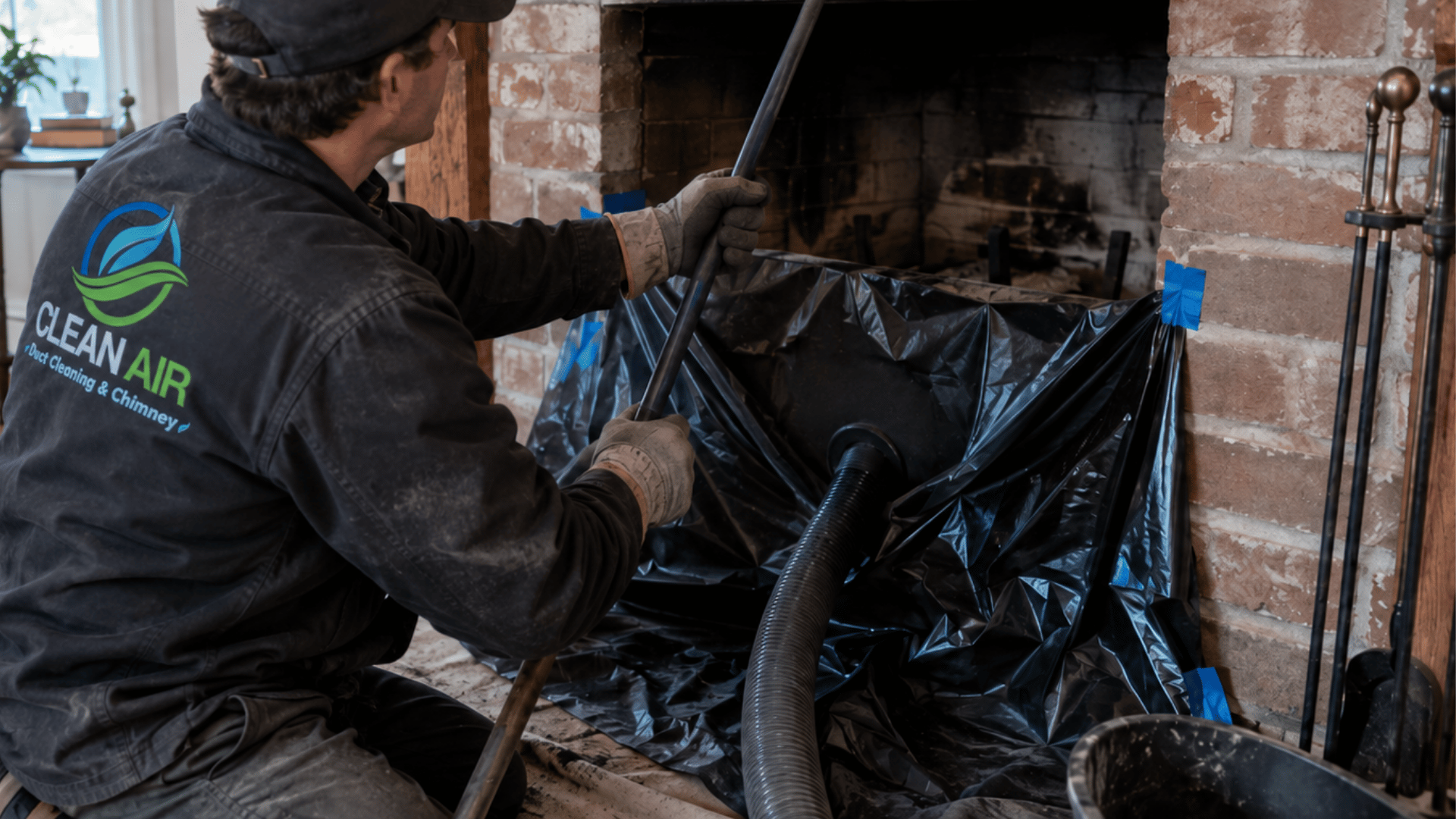
- Skipping the camera inspection. It saves money upfront but can miss the most important issue — a chimney can look decent outside and still have cracked tiles, collapsed liner pieces, or heat damage inside.
- Patching only the visible mortar. Smearing new mortar over damaged joints isn’t proper tuckpointing, and that kind of surface patch often pops off quickly.
- Ignoring the internal flue liner. A chimney that looks beautiful outside can still be unsafe inside if the liner is cracked, missing, or collapsed.
What a Proper Restoration Inspection Includes
A proper chimney inspection is the foundation of any chimney restoration in Atlanta. It should include:
- Exterior masonry evaluation
- Mortar joint inspection
- Crown inspection
- Chimney cap inspection
- Flashing check
- Firebox and damper inspection
- Smoke chamber evaluation
- Flue liner inspection, including a camera inspection when needed
- Moisture and leak assessment
- Photos or video documentation
- Clear repair recommendations
The goal is to identify whether the problem is exterior, interior, structural, or all three — not just patch what’s visible from the ground.
Whether you need a small repair or a full chimney restoration in Atlanta, a good chimney company should be able to show you the problem clearly, not just tell you about it.
A good chimney company should be able to show you the problem clearly, not just tell you about it. Before approving any work, ask:
- Is the damage exterior only, or is the flue liner affected too?
- Do I actually need tuckpointing, or is this just surface patching?
- Is the crown cracked, or is the flashing leaking?
- Did you inspect the inside of the flue with a camera?
- Can you show me photos or video of the problem?
- What happens if I delay this repair?
Beyond the right questions, look for the same baseline credentials that matter for any chimney work:
- CSIA certification — the Chimney Safety Institute of America sets the industry’s recognized training standard
- Proof of insurance — protects you if something goes wrong on your property
- BBB accreditation — a verifiable track record, not just a promise
Final Answer
Older Atlanta chimneys usually fail from moisture first — deteriorating mortar lets water in, and from there the damage can spread to the crown, liner, or brick. A simple repair like tuckpointing or cap replacement may be enough if the damage is caught early and stays on the exterior. Once water reaches the inside of the home or the flue liner, chimney restoration in Atlanta typically means a larger project — camera inspection, liner work, crown repair, or in serious cases, a partial or full rebuild.
Final Advice From Our Team
This depends on the home — but do not judge an older chimney only from the ground. The most expensive problems are usually hiding above the roofline or inside the flue, where you can’t see them. Inspect first, document the damage, then match the repair to the actual problem, not the other way around.
Call (470) 706-6431 or contact us to schedule a chimney restoration inspection in Atlanta, GA.
FAQ
What does chimney restoration in Atlanta actually involve?
Chimney restoration is the process of repairing and rebuilding damaged parts of the chimney system. It may include tuckpointing, crown repair, flashing repair, cap replacement, waterproofing, liner installation, brick replacement, or partial rebuilding.
What is the most common chimney problem in older Atlanta homes?
Deteriorating mortar joints are one of the most common first problems. Once the mortar weakens, water can enter the chimney and cause more serious damage.
Why do older chimneys leak?
Older chimneys often leak because of cracked crowns, missing caps, damaged flashing, porous brick, deteriorated mortar, or poor previous repairs.
Is tuckpointing enough to fix my chimney?
Tuckpointing may be enough if the damage is limited to exterior mortar and the flue liner is intact. It’s not enough if there are leaks, cracked crowns, damaged flashing, liner problems, or interior water stains.
What is a stainless steel chimney liner?
A stainless steel liner is a metal exhaust pathway installed inside the existing chimney. It helps carry smoke, gases, and heat safely out of the home when the original liner is damaged, missing, or no longer appropriate.
How do I know if my chimney liner is damaged?
Warning signs include pieces of clay tile in the firebox, smoke backing up, poor draft, strong odors, or inspection findings from a camera scan.
Should I waterproof an older chimney?
Waterproofing may help after proper repairs are completed, but it must be breathable and appropriate for masonry. Non-breathable paints or sealers can trap moisture and make damage worse.
What does white powder on chimney brick mean?
White powder is often efflorescence, a sign that moisture is moving through the masonry and leaving mineral deposits behind.
When does a chimney need to be rebuilt?
A chimney may need partial or full rebuilding if it’s leaning, separating, has widespread loose brick, severe mortar loss, or major water damage.
Who should I call for chimney restoration in Atlanta?
Call a chimney professional who can inspect the exterior masonry, crown, flashing, cap, firebox, and flue liner. For older homes, photo or video documentation is important so you can see what’s actually damaged.