Skip to content
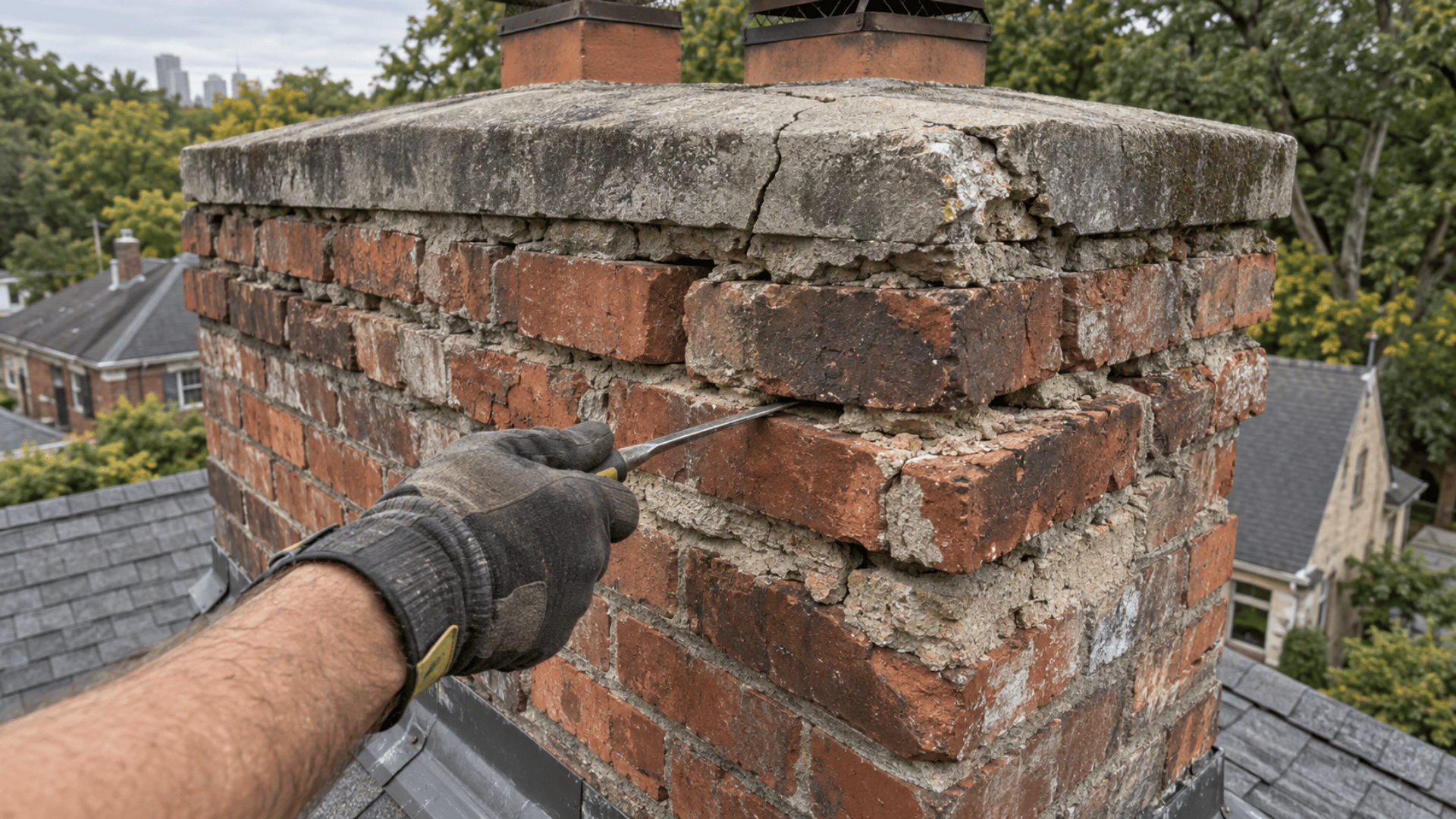
Cracked chimney bricks need fast attention because small cracks tend to grow, let water in, and slowly weaken the whole stack. What starts as a tiny line can turn into loose bricks, leaks, smoky drafts, and repairs that get harder over time. If you catch it early, the fix is often simpler. If you wait, the chimney can shift, crumble, or start leaking into your attic or walls.
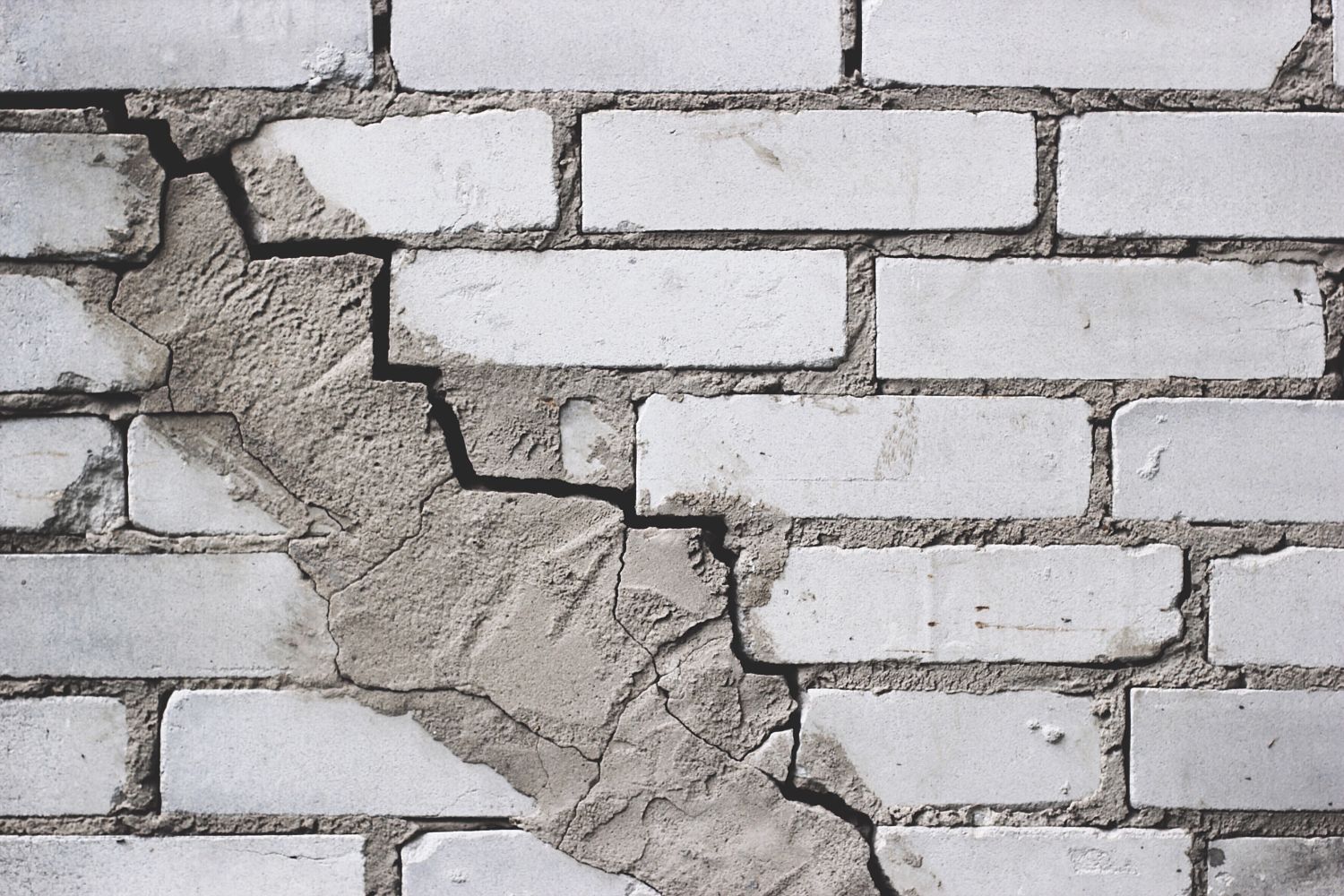
Why cracks spread, the simple “zipper” problem
A chimney is like a brick tower that sits on your house and takes a beating all year. When a crack forms, water and air use it like an open door. Then weather pushes that crack wider.
Think of a crack like the start of a zipper coming undone. It rarely stays in the same spot. It creeps.
Here is why cracks keep growing:
- Water gets in, then the brick and mortar get soft or gritty.
- Temperature swings make bricks expand and shrink, like a sponge that swells and dries.
- Wind and vibration add tiny movements that stress the same weak point.
- Gravity never takes a day off, so a weakened spot keeps carrying weight.
Even a “small” crack matters because chimneys are stacked parts. When one part weakens, the parts above it lose support.
What cracked chimney bricks can do to the structure
A chimney is not just a decoration. It is a working system that handles heat, smoke, and gases. It also has weight. When bricks crack, a few things can happen, step by step.
1) Mortar starts to fail
Mortar is the glue between bricks. When it breaks down, bricks can wiggle. Wiggle turns into gaps. Gaps turn into leaks.
2) Bricks start to loosen
Loose bricks are not “just cosmetic.” They change how weight loads travel down the stack. When loads shift, new cracks can form in new places.
3) The chimney can lean or separate
Sometimes you see a small gap where the chimney meets the house. That can be a sign of movement. It does not always mean danger right now, but it does mean the chimney needs a close look.
4) The flue area can suffer
Cracks in the outer brick do not always mean the flue is damaged, but water and movement can affect the inner parts over time. That can lead to draft problems, smoky smells, or stains.
Quick safety note: if you see bricks that look loose, do not touch or climb on the chimney. Keep kids and pets away from the area below it until it is checked.
Atlanta weather, the sneaky helper that makes cracks worse
Atlanta weather has a way of acting friendly, then pulling a prank.
- Heavy rain can soak masonry fast. Water follows cracks like it is on a mission.
- High humidity slows drying. Wet brick stays wet longer, so damage can keep going.
- Hot summers bake the chimney, then a summer storm cools it down fast. That repeated change stresses brick and mortar.
- Cold snaps are not constant here, but they do happen. Water in small gaps can freeze and expand. Even a few freeze nights can open cracks wider.
If your home is near big tree cover, like parts of Buckhead or older neighborhoods with mature trees, the chimney may stay damp longer after rain. Shade slows drying. Moss and dark stains can follow.
Common causes of cracked chimney bricks
Cracks do not pop up for no reason. Here are common triggers homeowners run into.
Age and normal wear
Mortar joints do not last forever. Years of sun, rain, and heat from fires can wear them down.
Water entry from the top
A damaged or missing cap can let water land right where you do not want it. Crowns can crack too. When water drops inside, brick and mortar take the hit.
Leaks from flashing
Flashing is the metal seal where chimney meets roof. If it is bent, rusted, or pulled loose, water can run down along the chimney and soak joints.
Past patch jobs that did not match
If a repair used mortar that was too hard or the wrong mix, bricks can crack around it. Brick needs a bit of “give.” If the mortar is too stiff, the brick pays the price.
Foundation or settling issues
Homes settle. Sometimes the chimney footing shifts a bit, or the soil changes after long wet seasons. That can show up as stair step cracks in the brick pattern.
Signs your chimney cracks are turning into bigger trouble
Some signs are obvious. Some are sneaky.
Look for these:
- Cracks that look like a stair step along mortar joints
- Missing chunks of mortar, or mortar that turns to sand when touched
- Bricks that look flaky on the surface
- White stains on brick, often called efflorescence, which can mean water is moving through masonry
- Rust stains near the fireplace or damper, which can point to moisture
- Water spots on ceilings or walls near the chimney
- A smoky smell in rooms when the fireplace is not in use
- A chimney that looks like it is tilting or pulling away
If you spot these, do not wait for the next “someday.” Someday turns into “why is the drywall wet?”
What we usually see around Atlanta, GA homes
In many Atlanta neighborhoods with older brick homes, we often run into patterns like these:
- Cracks and worn mortar on chimneys near older rooflines, often after many hot summers and heavy rain seasons
- Leaky flashing that shows up after a roof replacement, where the seal was not set just right
- Chimney crowns with small cracks that let water soak in, then spread damage down the stack
If you are near I-285 corridors or close to busy roads, vibration can add minor stress over time. It is not the main cause, but it can push a weak joint closer to failure.
A quick “if this, then that” checklist for homeowners
Use this to decide your next step without guessing.
- If the crack is hairline and only in mortar, then take clear photos now and recheck after the next heavy rain.
- If the crack is wider than a pencil line, then schedule an inspection soon, since water can move through faster.
- If bricks look loose or shifted, then stop using the fireplace and get it checked before any more heat cycles.
- If you see white staining plus crumbling mortar, then plan for masonry work, since moisture is already traveling through.
- If there are water stains indoors near the chimney, then treat it like an active leak and get it looked at quickly.
- If you notice a gap between chimney and house, then get a pro evaluation, movement can worsen over time.
- If you hear dripping or smell musty odors in the firebox, then check cap, crown, and flashing.
Small crack today, bigger repair tomorrow, why timing matters
Masonry problems often follow a simple path.
- Tiny crack forms.
- Water gets in.
- Mortar weakens, bricks start to spall or flake.
- More gaps form, more water gets in.
- Chimney loses strength and may need larger repair work.
Catching damage early often limits how far the problem spreads. It is like fixing a roof leak. A small leak is annoying. A long leak becomes a ceiling project.
Common myths and the facts
Myth: “If the chimney still stands straight, cracks are fine.”
Fact: A chimney can look fine and still let water in, which causes hidden damage.
Myth: “Brick cracks are only a looks problem.”
Fact: Cracks can affect stability, draft, and moisture control.
Myth: “A little caulk will seal it up.”
Fact: Caulk is not a long term fix for masonry movement and water paths.
Myth: “If I do not use the fireplace, I can ignore it.”
Fact: Rain and humidity can still damage the chimney year round.
What a chimney inspection should focus on
A solid inspection is not just a glance from the yard. You want a careful check of key spots that often fail first.
Main areas to check:
- Brick faces and mortar joints, looking for cracks and soft spots
- Chimney crown condition, looking for splits and poor slope
- Chimney cap and screen condition
- Flashing where chimney meets roof, looking for gaps and rust
- Firebox area for moisture signs and staining
- Flue area for draft or damage signs, when visible
Safety note: roof work is risky. If you are not trained and equipped, keep inspections to what you can see from the ground or from inside the firebox area.
How chimney brick repair often works, in plain language
The right fix depends on where the damage is and why it started. Here are common repair types you may hear about.
- Tuckpointing: Removing weak mortar and packing in new mortar. This helps lock bricks together again.
- Brick replacement: Swapping out damaged bricks that are cracked, loose, or flaking.
- Crown repair: Fixing cracks on the crown so water sheds away.
- Flashing repair: Resealing or replacing metal flashing at the roof line to stop leaks.
- Water protection coating: A breathable treatment sometimes used to reduce water soak, when the masonry is in good shape and can handle it.
A good plan also fixes the cause, not just the crack. If water got in from the top, you handle the top. If flashing is the issue, you handle flashing. If you only patch the crack, it often comes back like a weed.
Simple care schedule to slow down chimney damage
This is a realistic plan that most homeowners can follow.
Weekly plan during fireplace season
- Look for new soot smells or smoky drafts when the fireplace is off.
- Check the hearth area for damp smells after rain.
Monthly plan
- Walk outside and scan the chimney from the ground.
- Look for new white stains, missing mortar, or dark wet patches.
Yearly plan
- Schedule a chimney inspection and cleaning, especially if you burn wood.
- After storm season, check for cap damage and flashing issues.
- If you had roof work done, confirm flashing was put back right.
If you rent your place out, add chimney checks to your turnover list. Tenants are not always watching the bricks.
A short story you might recognize
A homeowner near a tree filled street said, “It is just one crack, it has been there a while.” After a few big Atlanta rainstorms, he noticed a stain on the ceiling near the chimney chase. He joked, “My house is crying.” Funny line, not a fun problem.
The stain was the clue. Water had been using that crack like an express lane. The earlier it gets spotted, the less chasing you do later.
FAQs
How fast can cracked chimney bricks get worse?
It depends on rain, humidity, and how wide the crack is. Some cracks change slowly. Others grow after a season of heavy storms. If water is getting in, things tend to speed up.
Can I still use my fireplace if I see cracks outside?
Small surface cracks might not change safety right away, but it is smart to get an inspection before regular use. If bricks look loose or you see gaps, stop using it until it is checked.
What does white powder on chimney bricks mean?
It often means water is moving through the masonry and leaving mineral deposits. It is a sign to look for a water source like crown cracks, cap issues, or flashing leaks. For more background on efflorescence, see https://en.wikipedia.org/wiki/Efflorescence.
Are stair step cracks serious?
They can be. Stair step cracks along mortar lines may point to movement or settling, or long term moisture damage. They should be inspected so the cause gets found.
Can Atlanta humidity really damage brick chimneys?
Yes. High humidity slows drying, so bricks and mortar stay wet longer after rain. Longer wet time can lead to softer mortar and more cracking.
Should I seal my chimney to stop cracks?
Some water repellents can help in the right case, but sealing is not a fix for failing mortar, loose bricks, or crown damage. A pro should check it first so moisture does not get trapped in the wrong places.
What should I look at after a big storm?
Check for new cracks, missing mortar, a loose cap, or wet stains on the chimney. Inside, sniff for musty odors near the fireplace and look for any new water marks. For storm safety basics, see https://www.ready.gov/.
Do I need cleaning if my main issue is cracked bricks?
Cleaning and inspection often go together. Soot and creosote can hide clues, and a full check can catch water damage early. If you burn wood, regular cleaning also helps performance.
If you have cracked chimney bricks and want a clear plan, reach out to Clean Air Duct Cleaning & Chimney for chimney cleaning and chimney inspections that can spot damage early and help keep your chimney steady and dry.
Call: (470) 706-6431