
Why Your Home Airflow Drops When Dust Builds Up in Ducts
Your home airflow drops when dust builds up in ducts because that dust acts like…
Chimney Brick Repair In Atlanta from Clean Air Duct Cleaning & Chimney. Expert masonry fixes for cracked brick and loose mortar. Call for an estimate today
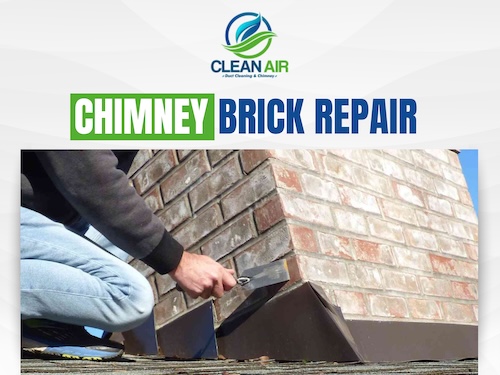
Chimney brick problems are fixable, and we repair them the right way in Atlanta, GA.
Clean Air Duct Cleaning & Chimney provides chimney brick repair in Atlanta to help stop leaks, loose bricks, and crumbling mortar before they spread into bigger damage. We handle brick repair with careful inspection, matching materials, and clean jobsite habits. If your chimney looks worn or is letting water in, we can help.
Need Help? Call Clean Air Duct Cleaning & Chimney Near You
Chimney brick repair restores strength, keeps water out, and helps your fireplace vent safely. Brick chimneys take a beating from rain, heat, and time. Repair work focuses on the brick faces, mortar joints, crown, and nearby flashing where water likes to sneak in. If you use your fireplace, repairs also support safer venting by keeping the structure stable and properly sealed.
A brick chimney is a stack system. If one area fails, nearby areas often follow. A few cracked joints can turn into loose bricks, interior water stains, and rusty metal parts. The earlier you address it, the less disruptive the repair tends to be.
Are you seeing changes in the way the chimney looks after storms? Do you notice new stains around your fireplace or ceiling line?

You may need chimney brick repair if you see cracks, missing mortar, or moisture marks indoors. Small exterior defects often show up before you notice anything inside. Many Atlanta homes have chimneys exposed to heavy rain and humidity, so moisture clues matter.
If you notice a musty smell near the fireplace, that can point to moisture in the structure. If you see bricks spalling where the face flakes off, that is a strong sign water is getting in and freezing or heating cycles are pushing damage forward.
Atlanta weather and chimney heat cycles are common reasons brick and mortar fail. Chimneys sit fully exposed. They heat up fast, cool down fast, and take water from every angle. That mix stresses mortar joints, brick faces, and the top surfaces.
For broader background on brick construction, see brickwork.
If your chimney sits on a shaded side of the home, it may stay damp longer after rain. That extended damp time can speed up mortar breakdown.
We start with a close inspection, then repair the brickwork that is actually failing. A good repair starts with finding the source, not just the symptom. We look at the chimney from the ground and up close where safe access allows. We also check the fireplace opening area for moisture clues and debris, and we may recommend a chimney inspection if the chimney has multiple symptoms.
We keep you informed as we go. If we find more than one problem, we will explain which issue is letting water in and which issues are damage from the leak. If needed, we can support findings with a camera inspection.
Our chimney brick repair options range from mortar joint work to brick replacement, based on what your chimney needs. Every chimney is a little different. Some need targeted joint repair. Others need sections rebuilt where brick has lost its face or has loosened.
Repointing fixes failing mortar joints so bricks lock together again. Repointing replaces worn mortar between bricks. We remove loose mortar to a proper depth, then pack new mortar that fits the chimney’s needs. Clean joints matter for both strength and water control.
Need Help? Call Us For Air Duct Services!
Brick replacement removes damaged units and restores the chimney’s shape. Brick replacement targets bricks that have cracked through, spalled badly, or have loosened. We carefully remove damaged bricks and set replacements with matching mortar. This helps keep the chimney square and stable, and it may be paired with chimney repair when multiple areas are involved.
Crown repair reduces top side water entry that leads to brick damage. The crown is the slab at the top that sheds water away from the flue and brick edges. If it is cracked or worn, water can soak into the masonry stack below.
Flashing repairs address leaks where the chimney meets the roof. Many chimney leaks are really flashing issues. If water is getting in at the roof line, it can show up as staining inside the house and damage around the chimney chase.
Water repellent treatments help chimneys shed rain without trapping moisture. Breathable water repellent can reduce water absorption on masonry that is in good condition after repairs. The goal is to help the chimney dry, not to seal it like plastic.
We only suggest this after correcting active defects. Coating over failing mortar is like putting a bandage on a broken pipe.
This quick table helps connect what you see to what may be needed next. Use this as a starting point, not a final diagnosis. Chimneys can show the same symptom for different reasons.
| What you notice | What it often points to | Typical next step |
|---|---|---|
| Mortar falling out in chunks | Worn joints, moisture cycling | Repointing and top water checks |
| Brick face flaking off | Water soaking into brick | Replace bricks, address crown or cap |
| Interior stains near chimney | Flashing leak or chase leak | Inspect flashing, crown, and chase cover |
| White chalky staining | Moisture movement through masonry | Fix water entry, then consider chimney waterproofing |
| Loose bricks near top | Long term joint failure | Rebuild small sections, repoint nearby |
Do you see more than one of these at the same time? That usually means water has been active for a while.
Most chimney brick repairs take a day or two, but access and drying time can add steps. Smaller joint repairs can sometimes be completed in one visit. Larger repairs, brick replacement, or rebuild sections may take longer. Weather also matters because mortar needs proper conditions to cure.
We will explain the expected timeline based on what we see. If a repair requires staged work, we will tell you why and what to expect. If creosote buildup is also present, we may suggest creosote removal after the masonry is stable.
Chimney brick issues can become safety issues, so some warning signs mean stop using the fireplace. Some chimney defects are mainly about water damage, but others can affect safe venting and structural stability. If you see certain signs, it is smart to pause fireplace use until the chimney is checked with a fireplace safety inspection.
Also, do not climb on the roof to get a closer look. A roof edge plus loose brick is not a great combo. Atlanta roofs can be slick after rain, and chimneys are not handrails.
You can prep in a few simple ways that help the repair go smoother. A little prep saves time and helps keep your home clean. Most of this takes just a few minutes, and it helps us pair the masonry work with the right level of chimney inspection.
If you have photos of the chimney after a heavy rain, those can be useful. Water stains often look different once things dry.
After repairs, simple habits help you spot problems early and protect your chimney. Masonry lasts longer when it can shed water and dry out. After repairs are complete, keep an eye on the usual trouble spots, and consider chimney waterproofing when the masonry is sound.
If you notice a small crack returning at the crown or a joint line, call sooner rather than later. Early fixes are usually simpler than rebuilding sections after years of water exposure.
Atlanta area chimneys face heavy rain, humid summers, and quick temperature swings. Atlanta, GA sees plenty of moisture, and that moisture finds its way into small gaps. Summer humidity can slow drying, which keeps masonry damp longer. Winter cold snaps are not constant, but they can still stress wet brick and mortar when temperatures dip.
Homes across the metro area also vary widely in chimney style. You might have older brick chimneys with softer mortar that needs careful matching, modern builds with tall stacks that take more wind driven rain, or chimneys tied into rooflines where flashing details matter a lot and may need flashing repair and replacement.
If your home is in a tree heavy area, you may also get more debris on the crown and around the cap. That can hold moisture against masonry surfaces. It is like leaving a wet towel on brick and wondering why it stains.
Homeowners call Clean Air Duct Cleaning & Chimney because we focus on the cause, not just the crack. We work in homes every day, and we know people want straight answers. Chimney repairs can feel uncertain because much of the structure sits above the roofline. We take the time to explain what failed, what it affects, and what the repair will change, and we can coordinate with chimney repair when multiple fixes are needed.
Our company name says air ducts and chimneys, and that is accurate. Many homeowners think about indoor air only when something smells off or smoke backs up. Chimney structure and venting condition can play a role, so we treat the chimney as part of the home system. If you also want to improve airflow and reduce dust, consider air duct cleaning as a separate service.
Chimney brick repair in Atlanta is the smart next step if you want to stop water damage before it spreads. A chimney can look fine from the street and still be letting water in through worn joints or a cracked crown. If you are seeing loose mortar, spalling brick, or interior staining, it is time to take a closer look. Chimney brick repair is about restoring the masonry so it can handle weather and daily use, and it often pairs well with a routine chimney sweep for active fireplaces.
If you need chimney brick repair in Atlanta, call Clean Air Duct Cleaning & Chimney at (470) 706-6431 or visit our Contact Us page to schedule service.

Your home airflow drops when dust builds up in ducts because that dust acts like…

A clean chimney lets smoke move out of your home, not back into your face.…

Your air ducts may need cleaning before a seasonal change if you notice more dust,…

Creosote forms when wood smoke cools inside your chimney and turns into a sticky, dark…

Lint buildup in a dryer vent raises fire risk because it blocks airflow. When hot…

An annual chimney inspection helps you catch hidden trouble before it grows. A pro can…