
Why Your Home Airflow Drops When Dust Builds Up in Ducts
Your home airflow drops when dust builds up in ducts because that dust acts like…
Chimney Crown Repair In Atlanta from Clean Air Duct Cleaning & Chimney. Fix cracks stop leaks protect masonry. Book an inspection and estimate today
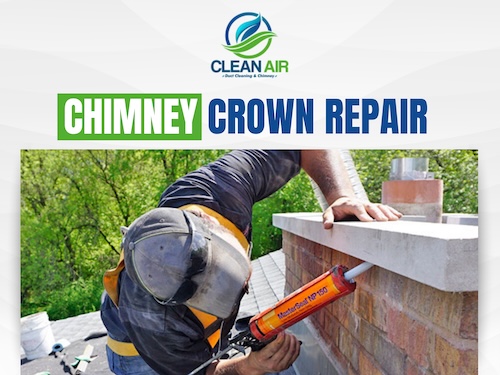
Chimney crowns stop water damage at the top of your chimney, and we repair them to keep your home dry and safe.
Chimney crowns take the first hit from rain, sun, and temperature swings, so cracks can turn into leaks fast. For Chimney Crown Repair In Atlanta, Clean Air Duct Cleaning & Chimney inspects the crown, seals and rebuilds weak areas, and helps protect brick, flue tiles, and mortar from ongoing water damage in Atlanta, GA and across Georgia.
Need Help? Call Clean Air Duct Cleaning & Chimney Near You
Chimney crown repair fixes the concrete cap that protects your chimney from rain and decay.
A chimney crown is the sloped top layer that sits above the brickwork and around the flue. Its job is simple. It sheds water away from the chimney and keeps moisture from soaking into masonry.
When the crown cracks, water finds a path inside. That water can freeze, expand, and open cracks wider. It can also run down into the smoke chamber area and stain walls or ceilings near the fireplace.
Chimney repair at the crown focuses on stopping that water intrusion at the source. Our team works to restore the crown’s slope, seal gaps, and correct problem areas that let water sit where it should never sit.
Do you ever see puddling on top of the chimney after a storm? That is a sign the crown may not be shedding water the way it should.

Chimney crown problems often show up as leaks, stains, and crumbling mortar. Many homeowners do not notice crown damage until the chimney starts showing symptoms indoors or at the firebox. Atlanta weather can speed things up, especially with heavy rains and hot summers.
Outside, the crown may show visible cracking, chipping, or missing edges. If you can see gaps around the flue tile where it meets the crown, water can run straight in. If you are not sure what you are looking at, that is normal. For a closer look, a chimney inspection can confirm what is happening at the top.
Crown cracking usually comes from water, heat, and movement in the chimney structure. Chimneys live a hard life. The crown sits at the highest point and gets constant exposure. Most crown failures trace back to a few causes.
A crown should push water away from the flue and away from the brick edges. If it is flat or settled over time, water pools and works into small openings. Standing water is trouble. It soaks into tiny cracks, then expands during colder snaps and makes the cracks wider.
If you suspect this issue, a top down check during a chimney inspection can show whether the crown is draining correctly.
A drip edge is a small overhang that helps water fall away from the chimney. Without it, water can cling to the underside and run down the masonry. That steady wetting can break down mortar joints near the top, which can lead to more repairs later, including chimney repointing.
Gaps around the flue tile let water run straight into the chimney. The flue tile expands and contracts at a different rate than the crown. Over time, the seam can open up. That seam needs the right flexible sealant, not a random patch that dries hard and cracks again. If the flue area shows damage, you may also need chimney flue repair.
Past patch jobs can fail if the materials were not a good match. Some quick patches look fine for a short time, then separate from the crown or trap moisture. A repair should work with the chimney, not fight it. When moisture has already affected the stack, masonry repair may be needed alongside crown work.
Atlanta, Georgia gets long hot stretches. UV exposure and heat cycling can dry and weaken cement based materials, especially at thin edges. If the chimney top is already leaking, this often shows up alongside other entry points, so a chimney leaks evaluation helps connect the dots.
Our visit starts with a close look at the crown, flue area, and nearby masonry. We focus on what is causing the damage, not just what is easy to see from the ground. A crown crack is often part of a bigger water pathway.
We also look for clues that point to repeat moisture. Rust marks, white residue, and crumbling mortar all tell a story. If you have had leaks during certain wind directions or only during heavy storms, tell us. That detail can help narrow down where water is getting in, and it may point to a need for chimney flashing repair and replacement.
We use the right repair approach based on crack size, crown condition, and water exposure. Not every crown needs the same fix. Some need sealing and reinforcement. Others need partial rebuild or full replacement of the crown surface. We explain what we see and what options make sense for your chimney.
Need Help? Call Us For Air Duct Services!
Crack sealing works for small, stable cracks that are not shifting. Sealing can help when cracks are hairline or minor and the crown is still structurally sound. The goal is to keep water out and prevent freeze and thaw expansion from widening the crack.
A good seal focuses on clean prep and full coverage. If the surface is dirty or crumbling, sealing alone will not hold. If moisture is affecting the rest of the chimney, we may suggest chimney waterproofing after crown work.
Crown resurfacing helps when the top layer is worn or pitted. Resurfacing adds a new protective layer and restores the slope. This can improve water shedding and protect the underlying crown material. This is often a good option when there is general surface breakdown but no major structural failure, and it may pair well with chimney repair details at the top courses.
Partial crown rebuild addresses broken edges, missing sections, and weak corners. Edges take a beating. Once they break away, water can reach the brickwork faster. Rebuilding those sections helps restore the crown’s protective job and supports proper drainage away from masonry.
Corners and edges also matter for caps and attachments. If the top is uneven, caps may not sit correctly, which can lead to follow up work like chimney cap replacement.
Full crown rebuild is used when the crown is beyond repair. Some crowns crack in multiple directions, have large missing pieces, or are too thin to perform well. In those cases, rebuilding can be the smartest way to stop ongoing water damage. If the chimney has broader structural issues, chimney rebuilding may be discussed.
A properly shaped crown should be thick enough to last, sloped to shed water, and finished cleanly around the flue area.
Flue tile joint sealing stops a common leak path at the most sensitive seam. That gap between the crown and flue tile is one of the most common entry points for water. It needs a flexible seal that can handle movement and temperature swings.
If you have ever wondered why a patch keeps reopening at the flue, movement is often the reason. When needed, we also evaluate the flue for cleaning and condition using services like chimney flue cleaning.
Chimney crown repair often pairs well with caps and masonry touch ups when needed. The crown is only one part of the chimney top system. Water usually uses more than one path. We look for the simplest way to stop the leak without chasing the problem for years.
We keep the focus on practical fixes. If the crown is the main issue, we address that first.
Most chimney crown repairs can be completed in a single visit, but conditions can extend the timeline. Many repairs are straightforward, especially when the crown is accessible and weather stays dry. Cure times and prep work matter, so we plan around what the materials need.
We will explain what we can finish that day and what may need a return trip for final steps. If deeper problems show up, we may recommend related repairs such as chimney brick repair.
Safety comes first, and chimney tops are not a good DIY project for most homes. Working at roof height is risky. Working with crumbling masonry at roof height is riskier. Many people only think about the crack itself and forget the fall hazard.
If you want to do a quick homeowner check, do it from the ground with binoculars. You can spot missing chunks, broken corners, and obvious gaps without climbing. If your ladder plan includes the words I think it will be fine, it usually will not be. If you want a safer confirmation, schedule a camera inspection when appropriate.
You can prep for our arrival by clearing access and sharing past leak details. A little prep helps the visit go smoothly. You do not need to do anything complicated.
If you have pictures from a previous roofer or inspector, those help too. Even older photos can show how cracks have changed. If odors have been a concern, we can also discuss options like sanitization and disinfection when moisture issues are resolved.
After repair, you can watch for a few simple signs that the crown is doing its job. A repaired crown should shed water cleanly and protect the brick below it. You do not need to inspect it weekly. A few practical checks after storms can help you feel confident.
Also keep gutters and roof drainage working near the chimney. Overflowing gutters can dump extra water into the chimney area and make small issues look worse. If you use your fireplace often, schedule regular chimney maintenance like a chimney sweep so soot and creosote are handled too.
Atlanta, GA gets strong storms, wind driven rain, and long humid seasons. Those conditions push water into tiny openings and keep masonry damp longer. Heat also plays a role. Hot days followed by cooler nights cause repeated expansion and contraction. That movement stresses rigid patches and weak edges.
Homes across Metro Atlanta also see lots of tree cover. Shade can keep parts of the chimney damp. Leaves and debris can trap moisture around caps and crowns. If your chimney is under trees, it is worth checking the top after storm season with a chimney inspection.
In GA, you might not get long freezes like northern states, but freeze and thaw still happens. Even a short cold snap can expand trapped water and widen cracks.
Chimney crowns protect more than the chimney, and ignoring damage can lead to bigger repairs later. Water inside masonry does not stay politely in one place. It travels. It can soak bricks, soften mortar, rust metal parts, and reach interior framing in some cases.
Fixing the crown early is usually simpler than fixing widespread moisture damage later. If you have been watching the same crack get worse each year, that is your sign.
This quick comparison helps explain common crown conditions and typical repair direction. Below is a simple guide we use when talking with homeowners. Your chimney may not fit perfectly into a box, but it helps set expectations, along with a professional chimney inspection.
| What we see on the crown | What it can cause | Common repair direction |
|---|---|---|
| Hairline surface cracks | Water entry over time | Seal cracks and protect surface |
| Wide cracks or multiple crack lines | Active leaks, freeze damage | Resurface or rebuild sections |
| Broken edges, missing corners | Water running into brick | Partial rebuild of damaged areas |
| Poor slope or flat top | Puddling and saturation | Rebuild to restore proper slope |
| Open gap at flue tile | Direct water path into chimney | Flexible joint sealing at flue |
If you are seeing more than one condition, that is common. Chimney tops often fail in layers. In some cases, other top end work like chimney cap installation can help reduce future water exposure.
Homeowners choose Clean Air Duct Cleaning & Chimney because we focus on the cause, not just the symptom. Chimney leaks can be frustrating. You fix one spot, then water shows up somewhere else. We take a top down view so we can address the real entry points with services like chimney leaks troubleshooting.
We are known for indoor air and vent related services, and chimney moisture issues connect to that same goal. Water in the chimney can lead to odors and indoor comfort problems. Keeping the chimney dry helps the whole home feel better, along with maintenance services like air duct maintenance when indoor air quality is a concern.
Want to know the fastest way to shorten the life of a chimney? Let water keep getting in and hope it gets bored. It does not.
If you need Chimney Crown Repair In Atlanta, the next step is a simple inspection and plan. A cracked crown is not something to ignore, especially during storm season. Clean Air Duct Cleaning & Chimney can assess the chimney top, explain what is letting water in, and complete the right repair for your crown and flue area.
For Chimney Crown Repair In Atlanta, call (470) 706-6431 to schedule a visit. If you have photos of the chimney top or leak stains, have them ready. They can help us get to the point faster. You can also use our Contact Us page to request an appointment.

Your home airflow drops when dust builds up in ducts because that dust acts like…

A clean chimney lets smoke move out of your home, not back into your face.…

Your air ducts may need cleaning before a seasonal change if you notice more dust,…

Creosote forms when wood smoke cools inside your chimney and turns into a sticky, dark…

Lint buildup in a dryer vent raises fire risk because it blocks airflow. When hot…

An annual chimney inspection helps you catch hidden trouble before it grows. A pro can…