Why Your Home Airflow Drops When Dust Builds Up in Ducts
Your home airflow drops when dust builds up in ducts because that dust acts like…
Stop Chimney Leaks In Atlanta fast with Clean Air Duct Cleaning & Chimney. Expert inspections, flashing fixes, caps, crowns, masonry sealing. Call now

Chimney leak repair and waterproofing stops water damage before it spreads through your home. Chimney leaks can soak ceilings, stain brick, and turn small gaps into big repairs. Clean Air Duct Cleaning & Chimney tracks down chimney leaks in Atlanta with careful inspection, practical repairs, and targeted waterproofing work. If your fireplace smells musty after rain, it is time to act.
Need Help? Call Clean Air Duct Cleaning & Chimney Near You
Chimney leak service covers the roofline, masonry, and the firebox where water sneaks in. A chimney is a system, not just a stack of brick. Water can enter at the top, the sides, or where the chimney meets the roof. It can also travel inside the structure and show up far from the real entry point. That is why leak work starts with a full check, not a guess.
Are you seeing water near your fireplace but the roof looks fine? That is a common setup. Water can run along framing or inside masonry before it finally drips where you notice it.

The most common signs of a chimney leak show up after rain or during humid weeks. Leaks rarely announce themselves politely. They show up as stains, smells, and damage that gets worse over time. If you catch them early, you avoid rot, mold growth, and interior repairs.
If you answered yes to any of these, chimney leaks often get worse with each storm. Water is patient. It keeps coming back.
Chimney leaks in Atlanta are often caused by flashing gaps, crown cracks, and water soaked masonry. Atlanta weather brings heavy rain, wind driven storms, and humid swings that punish roof details. Small gaps open and close with temperature changes. Mortar and sealants age under sun and moisture. The chimney sits right in the line of fire.
Flashing problems usually happen where roofing meets brick. Flashing is the metal and seal system that bridges the roof to the chimney. If it is bent wrong, rusted, loose, or patched poorly, water can slide right behind it.
If you have ever seen tar fixes around a chimney, you already know the punchline. Tar cracks. Water wins. When the intersection is the issue, chimney flashing repair and replacement is often the real fix.
A cracked crown can funnel water straight into the chimney. The crown is the sloped top surface that sheds water away from the flue. When it cracks, water soaks in and can move down into the brick and liner area.
If crown damage is suspected, a chimney inspection helps confirm the entry point and the right repair approach.
Missing caps and damaged covers let rain enter from above. A cap keeps rain and debris out. It also helps keep animals out, which is a problem you do not want to meet face to face.
Top protection often starts with chimney cap installation or replacement when parts are missing or damaged.
Brick and mortar can absorb water if they are worn or unsealed. Brick is tough, but it is not waterproof. Mortar joints can erode. Brick faces can flake, called spalling. Once masonry holds water, it can push damage outward.
When water is moving through the sides, chimney repointing and chimney brick repair may be part of the solution.
Condensation can look like a leak, so we rule it out. Not every wet firebox is from rain. Humid Georgia air can condense inside a cool flue, especially if the chimney cap is missing or the damper does not seal well. We look for patterns, staining paths, and entry points to separate leak water from moisture buildup.
If moisture and odor are part of the problem, chimney sanitation can be a supportive step after the leak source is corrected.
Need Help? Call Us For Air Duct Services!
Our chimney leak inspection focuses on tracing the entry point, not just the water stain. Fixing a chimney leak starts with finding where water gets in. The stain you see is often the last stop, not the first.
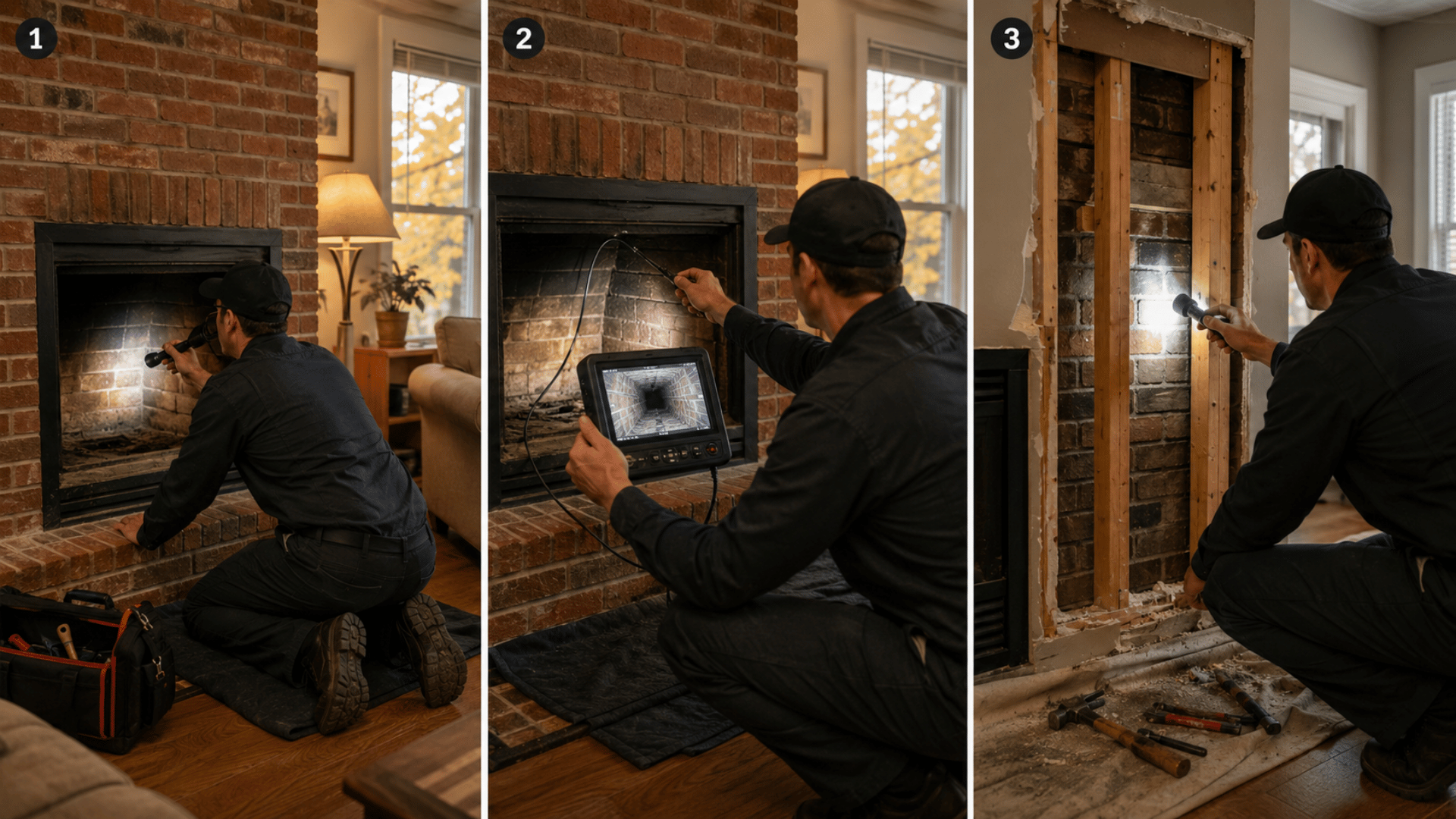
Do you notice leaks only during wind driven rain? That detail matters. Wind can force water into spots that look fine on a calm day. When access is limited or the path is unclear, a camera inspection can help document conditions.
Chimney leak repairs usually combine several small fixes for one solid result. Most leaks are not solved with a single patch. A chimney may need one main repair and a couple of support repairs to stop water fully. We focus on durable, practical work that matches the chimney type and the real entry path.
Flashing repair stops roofline leaks at the source. Flashing work is often the most important fix. When flashing is corrected, water sheds away instead of slipping behind brick.
We also look for roof issues that mimic chimney leaks. A shingle problem uphill from the chimney can send water down and make the chimney look guilty. If the chimney structure needs broader work, chimney repair may be recommended.
Crown repair or crown coating blocks top side water entry. A crown should slope and shed water. If it is cracked, the fix depends on severity. Small cracks may be sealed and coated. Larger damage may call for rebuilding.
If crown and top damage is extensive, chimney rebuilding can be the long term path instead of repeated patching.
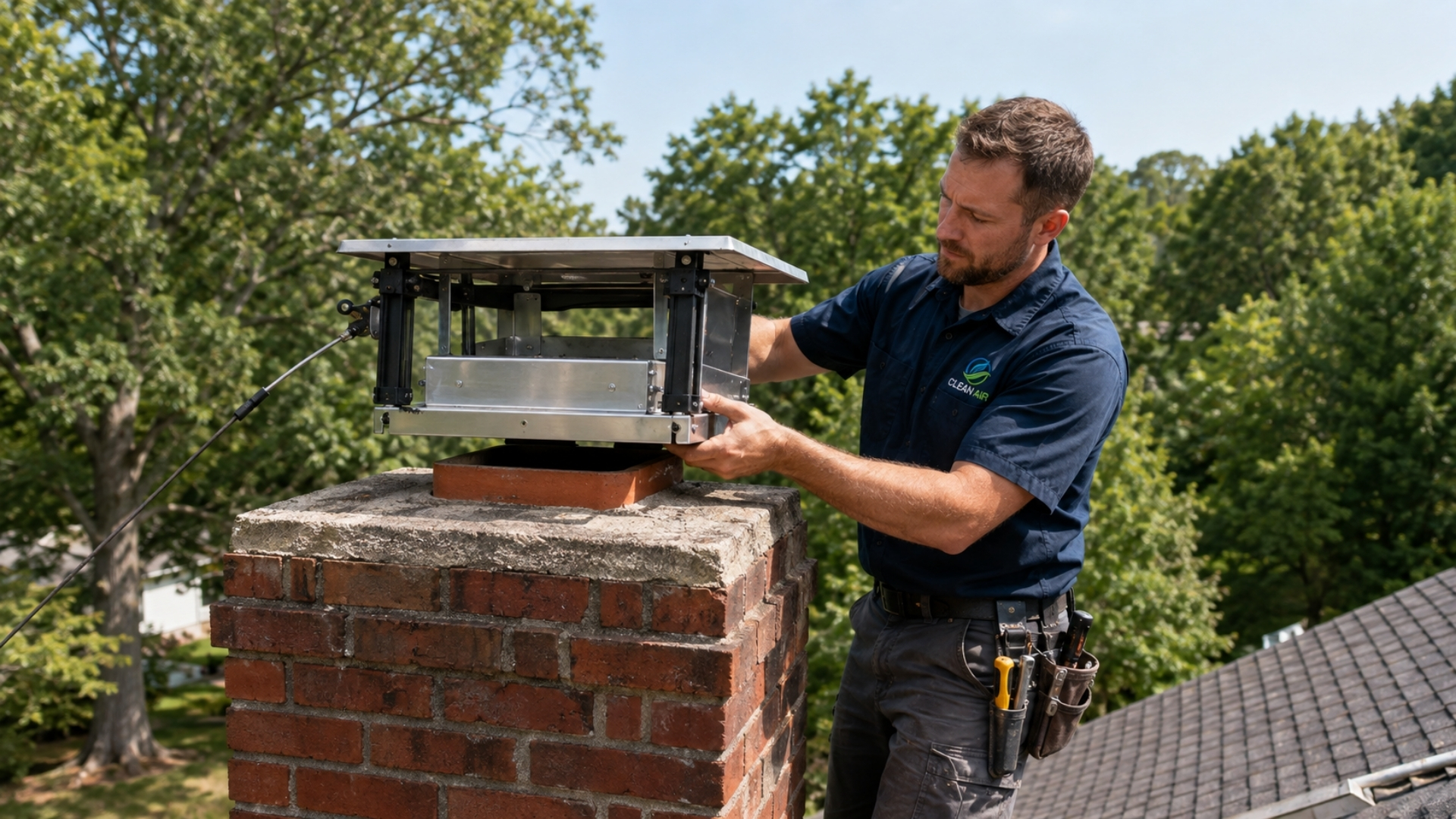
Chimney caps and top covers prevent rain entry and animal visits. A proper cap keeps rain out and reduces downdrafts and debris. For chase style systems, a chase cover needs to be sound and properly fitted.
If you have ever heard scratching in the chimney, you already know why caps matter. Squirrels and birds do not pay rent. If animals are already involved, animal removal may be needed before sealing entry points.
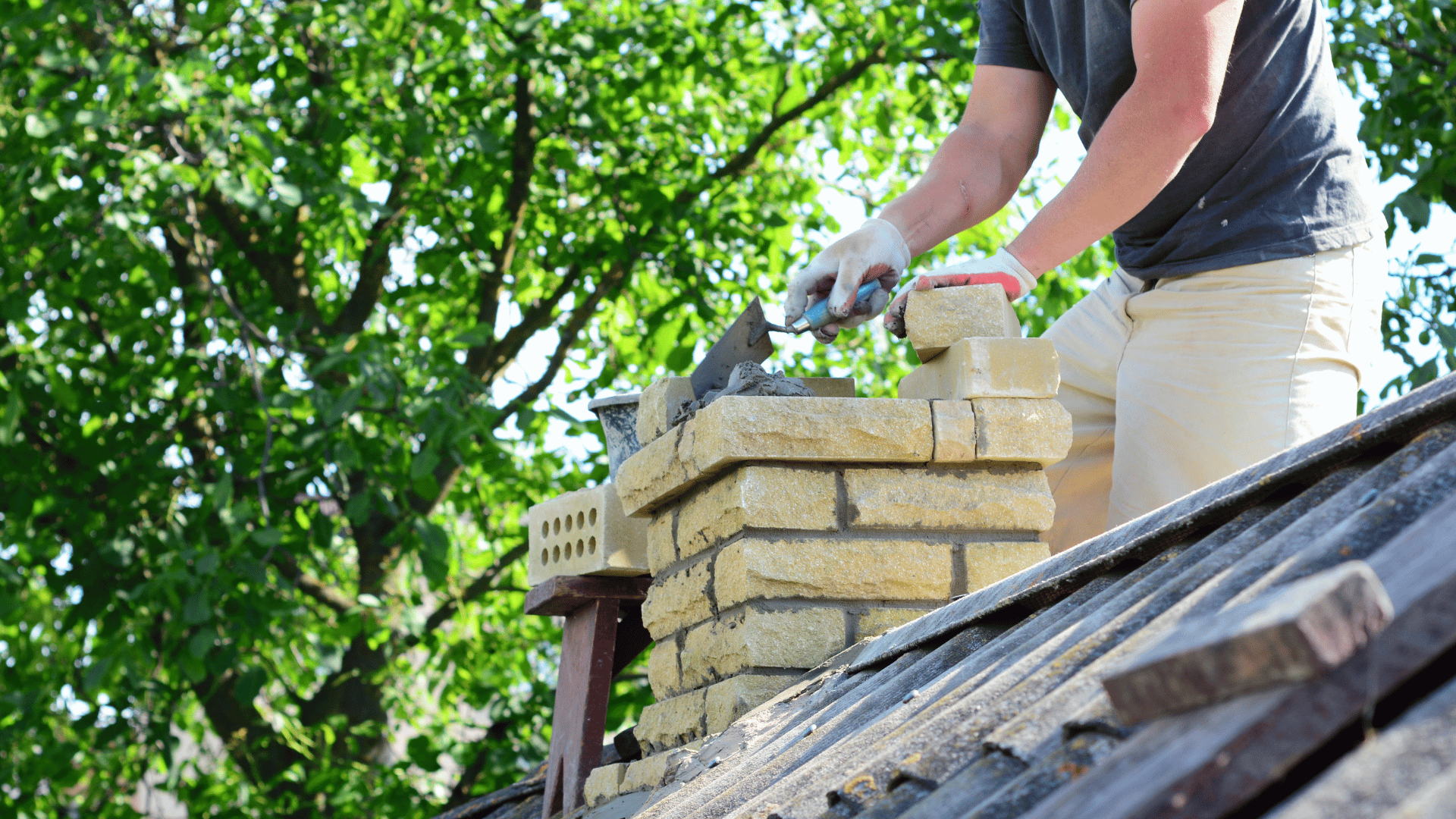
Tuckpointing and masonry repair address water absorption through the sides. When mortar joints fail, water enters and spreads. Tuckpointing removes damaged mortar and replaces it to restore the joint. Brick repair may also be needed if faces are breaking down.
In some cases, masonry repair supports chimney specific work to help stop ongoing saturation.
Waterproofing treatment helps shed rain while letting masonry breathe. Waterproofing is not paint. A good masonry water repellent reduces absorption but still allows moisture vapor to escape. That matters in humid GA conditions.
If waterproofing is used as a shortcut before repairs, water can still enter through openings. We avoid that trap by tying treatment to the right repairs and finishing with chimney waterproofing when it makes sense.
This table helps match symptoms to likely leak sources so you know what to look for. The exact cause still needs inspection, but patterns help narrow it down.
| What you notice | What it often points to | Where we check first |
|---|---|---|
| Drips inside firebox during rain | Missing cap or crown cracks | Cap, crown, flue top |
| Stains on ceiling near chimney | Flashing or roof intersection | Flashing, shingles uphill |
| Rusty damper or firebox odor | Long term moisture entry | Cap, crown, masonry absorption |
| Efflorescence on brick exterior | Water passing through masonry | Mortar joints, brick faces |
| Wet wall beside chimney chase | Chase cover or siding details | Chase cover, corners, flashing |
If the pattern points to top side entry, pairing an inspection with cap work or chimney crown repair is often part of a solid plan.
Chimney leak timelines depend on access, weather, and how many areas need repair. Some fixes are quick. Others take longer because prep and curing matter. We also plan around rain because wet masonry and sealants are a bad mix.
If you need the leak stopped fast, the best move is to schedule an inspection as soon as you spot the issue. Waiting often turns a small opening into larger interior damage. When buildup is found during evaluation, chimney sweep service may be suggested to support overall fireplace performance after leak repairs.
You should pause DIY chimney leak fixes when safety or roof access becomes a factor. Some homeowners try to seal gaps with roof cement or caulk from a ladder. That can be risky and it often fails. Chimney leaks are also easy to misdiagnose.
If you have to lean to reach the chimney, the ladder has already voted no. It just has not told you out loud. If moisture has spread into nearby materials, mold treatment may be needed after the leak is stopped.
Preparing your home before we arrive helps the inspection go faster and cleaner. A little prep gives us clear access and helps us confirm the right leak path. It also helps protect your floors and belongings.
If you have attic access near the chimney, tell us. Interior roofline clues can help confirm a flashing leak. If insulation has been affected by moisture, we can also discuss attic insulation needs after the leak source is addressed.
After repairs, you can reduce repeat problems with simple watch points and routine care. Chimneys live outdoors, so ongoing checks matter. You do not need to stare at it daily. Just build a simple habit after big storms.
Routine maintenance helps catch issues before they become leak paths. Many homeowners pair seasonal checks with inspection and needed repairs, especially after major storms in GA.
Atlanta homes often face leak patterns tied to storms, tree cover, and older masonry. Many neighborhoods around Atlanta have mature trees and shaded rooflines. Shade can slow drying and keep masonry damp longer. Heavy rain can also expose small flashing gaps quickly.
If your chimney is on the side of the house that takes the most wind and rain, it may leak sooner than the rest of the roof system. Orientation matters. For ongoing prevention, waterproofing can help after repairs are complete.
Homeowners call us because we focus on clear answers and practical repairs that fit the real cause. Clean Air Duct Cleaning & Chimney is known for air quality work, and we bring that same mindset to moisture problems. Water in a chimney can affect odors, indoor comfort, and the condition of the fireplace area. We aim to stop the leak and help you understand why it happened.
Have you had the leak fixed before but it came back? That usually means the first fix treated a symptom, not the source. If the chimney also needs performance and safety review, fireplace safety inspection may be a helpful next step after water entry is corrected.
If you need help with chimney leaks in Atlanta, we are ready to schedule an inspection and next steps. Leaks do not stay small, and water damage loves to spread into drywall, framing, and insulation. If you suspect chimney leaks, let us track down the entry point and handle the right repairs. Clean Air Duct Cleaning & Chimney helps homeowners deal with chimney leaks in Atlanta with inspection, flashing work, crown repair, caps, masonry repair, and waterproofing.
Call (470) 706-6431 or use our Contact Us page to book service in Atlanta, GA and nearby areas.
Your home airflow drops when dust builds up in ducts because that dust acts like…
A clean chimney lets smoke move out of your home, not back into your face.…
Your air ducts may need cleaning before a seasonal change if you notice more dust,…
Creosote forms when wood smoke cools inside your chimney and turns into a sticky, dark…
Lint buildup in a dryer vent raises fire risk because it blocks airflow. When hot…
An annual chimney inspection helps you catch hidden trouble before it grows. A pro can…