1. Home
  2. »
  3. Chimney Pipe Replacement

Chimney Pipe Replacement in Atlanta, GA

Need Chimney Pipe Replacement In Atlanta? Clean Air Duct Cleaning & Chimney provides safe expert installs, honest pricing, fast scheduling. Call today for a quote

Table of Contents
Chimney Pipe Replacement In Atlanta by Clean Air
Need Chimney Pipe Replacement In Atlanta? Clean Air Duct Cleaning & Chimney provides safe expert installs, honest pricing, fast scheduling. Call today for a quote

Chimney Pipe Replacement

Chimney Pipe Replacement that keeps your fireplace venting the right way in Atlanta, GA

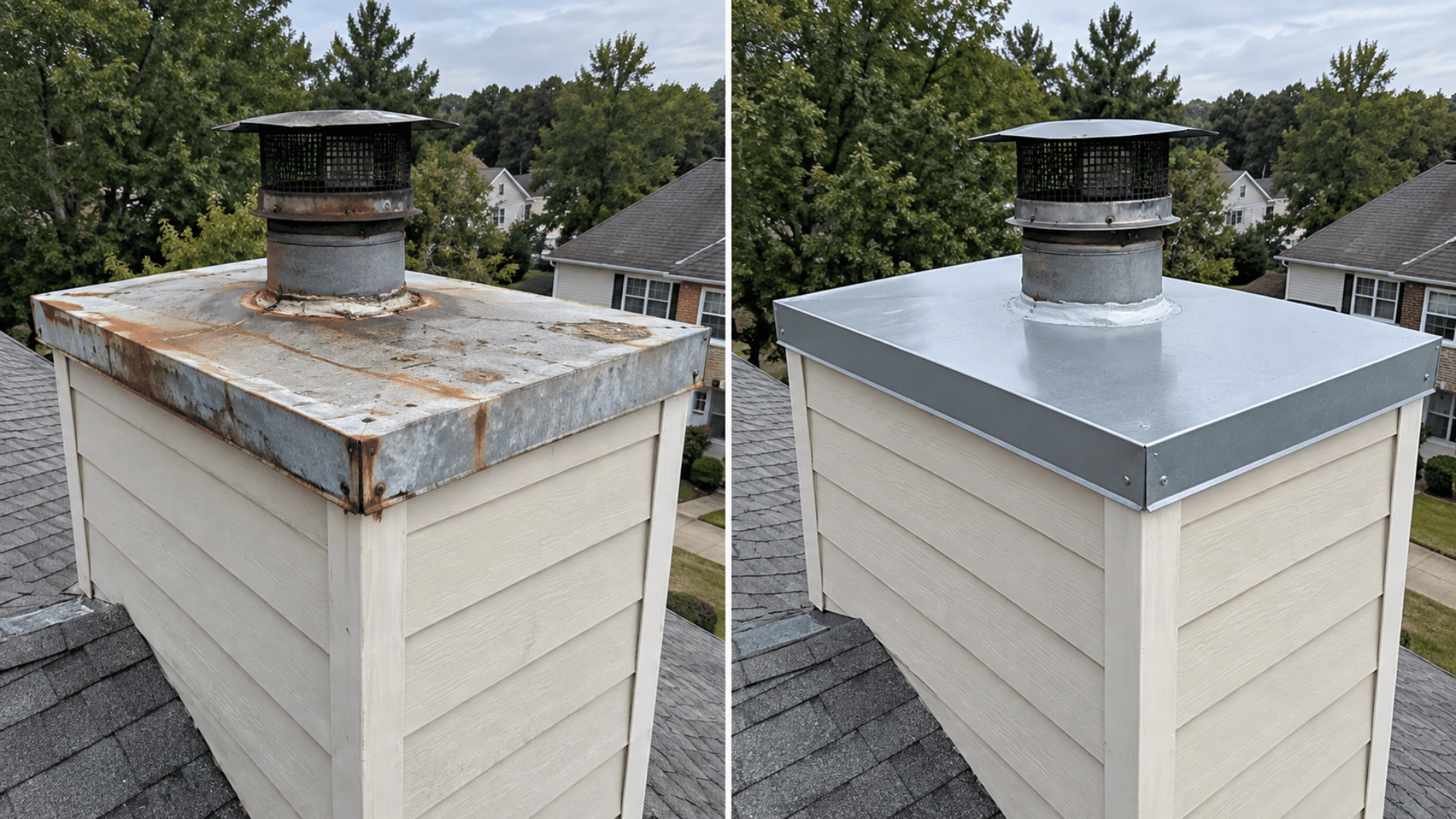
Chimney Pipe Replacement in Atlanta helps restore safe draft and proper venting when a metal flue pipe is rusted, leaking, separated, or the wrong size. Clean Air Duct Cleaning & Chimney inspects the full vent path, removes damaged pipe, and installs the right replacement for your setup. Chimney Pipe Replacement in Atlanta also helps reduce smoke issues and moisture damage.

Chimney pipe replacement fixes venting problems by restoring a solid, correctly sized path for smoke and exhaust.

Air Duct Cleaning Air ducts move heated and cooled air through your home, and they can also move dust, lint, and debris if they are dirty. For Air Duct Cleaning In Atlanta, Clean Air Duct Cleaning & Chimney removes buildup from vents, returns, and main trunk lines to support cleaner airflow. Call (470) 706-6431 or visit https://cleanairductcleaningandchimney.com/.

Need Help? Call Clean Air Duct Cleaning & Chimney Near You

What chimney pipe replacement solves

A chimney pipe is the passage that carries smoke, heat, and combustion gases out of your home. If that passage is broken, corroded, or poorly connected, the fireplace or appliance may not vent safely. You might notice smoke smell, poor draft, or stains around the chase or ceiling. A chimney inspection can help confirm what is happening along the vent path.

Clean Air Duct Cleaning & Chimney replaces damaged sections and corrects problem connections, clearances, and terminations when needed. We focus on what makes the system work day to day, not just what looks good for a photo. If your current pipe is failing, Chimney Pipe Replacement is often the smartest way to stop recurring issues.

Wood, gas, and other metal venting setups

If you use a wood fireplace, a gas fireplace, or a furnace that vents through a metal flue, the basics are the same. The vent must be continuous, sealed correctly, and supported properly. It must also match the appliance requirements. A pipe that is close enough can still cause headaches. For gas systems, a gas chimney inspection can help verify compatibility and routing.

A quick self check

Have you noticed the fire struggling to start, or smoke rolling into the room when you open the damper. Those are real clues that venting is not behaving.

Signs you may need chimney pipe replacement

You may need replacement when the pipe shows rust, leaks, separation, or chronic drafting trouble. A lot of people first call us because something feels off, not because they can see the pipe. That is normal. Much of the flue path is hidden in a chase, attic, or wall. When symptoms show up, a camera inspection can help confirm what is going on inside hidden areas.

Common signs that point to a failing chimney pipe

  1. Smoke smell in the home even when the fireplace is not in use
  2. Backdrafting where smoke or exhaust comes inside instead of going up and out
  3. Rust streaks on the pipe, fireplace components, or in the firebox area
  4. Water stains near the chimney chase, ceiling, or around vent connections
  5. Loose or rattling sections that shift when the wind blows
  6. White powdery residue or corrosion around joints
  7. A loud metal popping sound as the system heats and cools, paired with visible gaps
  8. Soot deposits around the appliance connection that keep coming back after cleaning

A single small issue can lead to bigger damage. Rust spreads. Small leaks turn into bigger moisture problems. Gaps can pull air the wrong way and fight your draft. If creosote is part of the issue in wood burning systems, creosote removal may be recommended after the venting problem is corrected.

If your setup uses a metal liner inside a masonry chimney, problems can look different. You might not see the pipe at all, but draft and odor issues can still show up. In those cases, chimney relining may be part of the long term fix depending on the condition and sizing.

Why chimney pipes fail

Rust, moisture, wrong sizing, and poor installation are common reasons chimney pipes fail. Most chimney pipe problems are not random. They usually come from the same few causes, especially in a humid climate with strong rain events like Atlanta, Georgia. If you are dealing with repeated leaks, start with chimney leak troubleshooting so the replacement does not get damaged again.

Moisture intrusion

Moisture intrusion is a major driver of corrosion. Water is the enemy of metal venting. If rain enters at the top, or condensation forms inside the flue, rust can move fast. Moisture can come from a damaged cap, missing storm collar, poor flashing, or an incorrect termination. Addressing the top end with chimney cap installation or flashing repair and replacement can help stop repeat corrosion.

Improper sizing and compatibility

Improper sizing can create chronic draft problems. A pipe that is too small may restrict flow. A pipe that is too large may cool the exhaust too quickly. Either way, you can get sluggish draft, smoke spillage, or excess creosote in wood burning systems. When draft issues persist, a chimney flue repair assessment can help confirm the best path forward.

Sizing also depends on what is venting. A gas appliance vent is not the same as a wood fireplace flue. Mixing parts or using the wrong type of pipe can cause performance and safety issues.

Loose joints, poor support, and heat cycling

Loose joints and poor support can cause separation. Metal flue sections must lock together the right way and be supported at the correct intervals. If the run is long, it needs stable bracing. If it passes through an attic or chase, it needs proper clearances to combustibles. If it is allowed to sag, joints can open up. If animals are involved, animal removal and bird guard installation can help keep the termination clear.

Age and heat cycling wear down components. Even a properly installed system takes a beating. Heat expands metal. Cooling contracts it. Over time, joints, seams, and fasteners can weaken, especially if the system has also been dealing with moisture.

What to expect during your appointment

Our visit starts with inspection and clear communication, so you know what needs to be replaced and why. We keep the process straightforward. Our goal is to identify the real source of the problem and replace only what is needed for safe, reliable venting. Many homeowners schedule a chimney inspection first so the full vent path is understood before any work begins.

Clear answers before any work begins

We explain what we see, what it means, and what sections need attention so you can make a confident decision.

Need Help? Call Us For Air Duct Services!

What you can expect during a typical appointment

  1. Talk through symptoms and history We ask what you have noticed, when it happens, and what fuels you use. A few details can save a lot of guesswork.
  2. Inspect the accessible vent path We check the appliance connection, visible pipe sections, supports, and nearby building materials. We look for rust, gaps, and staining.
  3. Check the termination area when accessible The top area matters. Caps, collars, flashing, and storm collars often tell the story.
  4. Confirm the vent type and compatibility We verify the pipe type fits the appliance. Mixing wrong parts is more common than you would think.
  5. Explain findings in plain language We show you what we see and what it means. If replacement is needed, we explain what sections, what material, and what the install will involve.

Do you want the simplest question to ask yourself. If smoke or exhaust took the easiest path, would it clearly be out of my home. The vent should make that answer yes. If it is not, chimney pipe replacement may be the right next step.

Replacement options and pipe types

Chimney pipe replacement can involve full runs or targeted sections, depending on damage and access. Not every job requires a full tear out. Some systems have one failed section near the top or near the appliance. Others have widespread corrosion and should be replaced as a unit. When other areas of the chimney are also worn, chimney repair can be coordinated so the full system performs better.

Common replacement approaches

  • Replacing a damaged section where rust or separation is limited to one area
  • Replacing the run from appliance to termination when multiple joints or long stretches are compromised
  • Correcting improper transitions where the wrong connector or adapter was used
  • Upgrading supports and clearances so the replacement pipe stays stable and safely separated from combustibles
  • Replacing top components like caps or collars when they contribute to water entry, often paired with chimney cap replacement

A quick guide to common pipe types

Below is a simple reference. Your home may use one or a combination, depending on the appliance and the vent route. For background on how chimneys and flues work, you can also read chimney basics.

Pipe type you may hear aboutWhere it’s commonly usedWhy it matters
Single wall connector pipeShort runs from appliance to chimney connectionNeeds proper clearance and correct joints
Double wall connector pipeConnector runs where clearances are tighterStays hotter for better draft, different clearances
Factory built chimney pipeThrough attics, chases, and out the roofMust be installed as a listed system with matching parts
Metal liner inside masonry chimneyWhen venting through an existing masonry chimneyMust be sized and connected properly

If you are not sure what you have, that is fine. We identify it during the visit, often alongside a camera inspection when access is limited.

How the replacement process works

The replacement process follows careful steps so the vent stays sealed, supported, and correctly routed. A proper replacement is more than swapping metal pieces. The pipe has to work with the appliance and the home layout. It also has to handle heat safely. When needed, we may recommend follow up chimney flue cleaning after the new venting is in place.

A typical chimney pipe replacement process

  1. Protect the work area We keep dust and debris controlled and protect surfaces near the fireplace or appliance.
  2. Disconnect and remove damaged sections We take out compromised pipe and hardware without stressing the remaining system.
  3. Inspect surrounding materials and supports We check for moisture damage, improper framing clearances, or signs of overheating.
  4. Install replacement pipe with correct orientation and joints Each section is connected the right way to direct condensate and maintain draft.
  5. Secure supports, straps, and braces Stable pipe stays sealed. A wobbly run is a future callback for anyone.
  6. Address termination details The top end is finished so rain and animals are less likely to enter. When water entry is a concern, chimney waterproofing can also help protect surrounding materials.
  7. Final check of alignment and connections We verify the full path is continuous, properly supported, and ready for use.

If something unexpected shows up, we talk with you before changing the plan. Hidden damage happens, especially around old chase covers and roof penetrations. In some cases, chimney rebuilding may be discussed if surrounding structure is compromised.

Timing and access factors

Timing depends on access, roof conditions, and how much pipe is being replaced. Many replacement jobs can be completed in a single visit, but the real factor is access. A straight run is faster than a run that disappears into tight attic corners. When attic conditions affect routing, attic insulation and clearance planning may also come up during the evaluation.

Things that can slow the work down

  1. Limited attic clearance around the chimney chase
  2. Steep rooflines or weather conditions that limit safe roof access
  3. Multiple offsets and elbows in the vent route
  4. Hidden water damage that needs to be addressed before the pipe is reinstalled
  5. Non matching legacy parts that require careful transitions

If you are trying to schedule around a busy week, tell us. We will help set expectations so you are not waiting around all day. If you also need a regular chimney sweep, we can discuss the best order for services.

Safety guidance

Safety comes first, and some situations mean you should stop using the fireplace or appliance right away. If you suspect venting failure, it is smart to pause and get it checked. Combustion gases belong outside, not drifting through your living room. You can review general carbon monoxide guidance from the CDC.

Stop using the system and call a professional if you notice

  1. Smoke entering the home repeatedly
  2. Strong exhaust odor near a gas appliance vent
  3. Visible gaps, disconnected pipe, or fallen sections
  4. New stains or scorching on nearby framing, drywall, or insulation
  5. Bird nests or debris blocking the termination
  6. Carbon monoxide alarm activation or anyone feeling dizzy or sick during use
If your system shares venting with other appliances, problems can affect more than the fireplace. That is why a full vent path check matters, and why a fireplace safety inspection can be a good next step in GA homes with mixed setups.
One thing not to do

Using duct tape on a chimney pipe is a bad idea. Duct tape belongs on ducts, and even then, not always.

Clean Air Duct Cleaning & Chimney

How to prepare for our visit

Preparing for our visit is simple, and a few steps help us work faster. You do not need to do much, but a little prep keeps the appointment smooth. If you also want airflow concerns addressed elsewhere in the home, ask about air duct cleaning during the same planning call.

A quick checklist

  1. Clear a path to the fireplace or appliance Move furniture, decor, and breakables a few feet away.
  2. Do not run the fireplace right before we arrive Let everything cool down. Hot metal is not fun for anyone.
  3. Share any recent changes New roof work, a new appliance, or a remodel can affect venting.
  4. Point out any known leaks or stains Photos from heavy rain events can also help.
  5. Secure pets We like animals. Tools and open doors are another story.

If the attic access is in a closet, clear the area so we can safely get in and out. If you suspect moisture is affecting air quality, we can also discuss mold treatment options after the venting issue is fixed.

After replacement care

After replacement, good habits help your chimney pipe last longer and vent better. Once the pipe is replaced, the goal is to keep it dry, stable, and clear. A few routine checks go a long way. Ongoing upkeep may also include periodic chimney flue cleaning depending on your fuel type and usage.

What to watch for over time

  1. New water staining after rain
  2. Changes in draft
  3. Loose sounds on windy days
  4. Odors during first use of the season
  5. Debris at the fireplace opening

If you burn wood, use dry, seasoned firewood. Wet wood can create more creosote and extra moisture in the flue. If you use gas logs or a gas insert, keep the area around the burner clean and avoid blocking airflow. If indoor air still feels off after the chimney work, consider UV air purifier options for added support.

Atlanta, Georgia considerations

Atlanta homes face moisture, storms, and mixed venting setups that can stress chimney pipes. Atlanta, GA gets humid summers and heavy rain events that test chimney terminations. Water can work its way into small gaps and start corrosion in places you do not see. Older homes may also have older vent routes that were modified over the years. If the exterior chimney structure is also worn, chimney repointing or chimney brick repair may be part of the broader plan.

Local patterns we see around metro Atlanta

  1. Chase covers and caps that let in water
  2. Attic routed vents with tight clearances
  3. Mixed use systems
  4. Wind effects near rooflines and trees

If your chimney is near tall trees, it is worth checking for leaf debris and animal activity. Squirrels treat chimney tops like prime real estate. If the top needs better protection, custom chimney cap solutions can help fit unusual terminations.

Why homeowners choose our team

Homeowners choose Clean Air Duct Cleaning & Chimney because we focus on safe venting, clean work, and clear answers. You should feel confident about what is being replaced and what is staying. We explain what we see, why it matters, and what the next steps are. When the fireplace itself needs attention beyond the vent, we can also discuss fireplace repair so the system works together.

What you can expect from our team

  • Straight talk and clear options based on your actual system
  • Careful removal and installation so parts fit and stay supported
  • Attention to moisture sources that often cause repeat problems
  • Respect for your home with clean work habits and good communication
  • Scheduling that fits real life because nobody wants a week of fireplace drama

We are an air duct cleaning service, and we also work on chimney and venting concerns that affect indoor air and comfort. If your venting is leaking smoke or pulling air the wrong way, it can impact how the whole home feels. If you want to know more about our team, visit our about us page.

If you are comparing contractors, ask them a simple question. Will you check the full vent path and the termination, not just the part I can see. You deserve a complete answer, backed by a thorough inspection.

Book Chimney Pipe Replacement in Atlanta

Book your chimney pipe replacement visit in Atlanta, GA by calling our team today. Chimney Pipe Replacement in Atlanta is worth doing right because venting problems rarely stay small. If you have rusted pipe, loose joints, water leaks, or draft issues, let Clean Air Duct Cleaning & Chimney take a look and explain your options for Georgia homes.

Call (470) 706-6431 to get started, and consider pairing the visit with a fireplace safety inspection if you have ongoing draft concerns.

Related Services

To schedule, call (470) 706-6431 or use our Contact Us page.

Frequently Asked Questions (FAQs)

It’s the process of removing a damaged or outdated chimney pipe/liner component and installing a new one to help the chimney vent properly and meet current safety expectations.
Common reasons include visible corrosion, cracks, loose joints, recurring venting issues, water intrusion signs, or concerns noted during routine chimney maintenance.
Rust or staining, unusual odors, smoke drafting problems, moisture around the fireplace or stove, and debris or flaking material inside the flue are frequently reported indicators.
Not always. Repairs may address localized issues, while replacement typically involves swapping out a section or the full pipe/liner when it’s no longer in suitable condition.
Timing varies based on chimney type, access, and the scope of work, but many projects can be completed within a scheduled service visit after an on-site evaluation.
It can. A properly fitted, compatible chimney pipe helps support consistent draft and safer venting, which may improve how the appliance operates.
If you notice smoke backing up, strong odors, or visible damage, it’s generally best to pause use and arrange for a professional assessment to reduce safety risks.
Replacement can apply to various setups, including wood-burning fireplaces, wood stoves, and some gas appliances, depending on the venting system and condition.
A technician typically reviews the existing venting components, confirms compatibility requirements, removes the affected parts, installs the replacement, and checks for proper fit and venting alignment.
Clean Air Duct Cleaning & Chimney provides chimney pipe replacement services and can help you understand options appropriate for your specific chimney system.
Why Your Home Airflow Drops When Dust Builds Up in Ducts

Why Your Home Airflow Drops When Dust Builds Up in Ducts

Your home airflow drops when dust builds up in ducts because that dust acts like…

Why Regular Chimney Sweeping Helps Keep Your Fireplace Safe

Why Regular Chimney Sweeping Helps Keep Your Fireplace Safe

A clean chimney lets smoke move out of your home, not back into your face.…

Signs Your Air Ducts Need Cleaning Before the Seasons Change in Atlanta, GA

Signs Your Air Ducts Need Cleaning Before the Seasons Change in Atlanta, GA

Your air ducts may need cleaning before a seasonal change if you notice more dust,…

How Creosote Forms and Why It Needs Removal

How Creosote Forms and Why It Needs Removal

Creosote forms when wood smoke cools inside your chimney and turns into a sticky, dark…

Dryer Vent Lint Buildup and Fire Risk, What Every Atlanta Homeowner Should Know

Dryer Vent Lint Buildup and Fire Risk, What Every Atlanta Homeowner Should Know

Lint buildup in a dryer vent raises fire risk because it blocks airflow. When hot…

Why Annual Chimney Inspections Protect Your Fireplace and Home

Why Annual Chimney Inspections Protect Your Fireplace and Home

An annual chimney inspection helps you catch hidden trouble before it grows. A pro can…