1. Home
  2. »
  3. Chimney Waterproofing

Chimney Waterproofing in Atlanta, GA

Chimney Waterproofing In Atlanta stops leaks before they spread. Clean Air Duct Cleaning & Chimney seals brick and masonry for lasting protection. Call now

Table of Contents
Chimney Waterproofing In Atlanta by Clean Air Pros
Chimney Waterproofing In Atlanta stops leaks before they spread. Clean Air Duct Cleaning & Chimney seals brick and masonry for lasting protection. Call now

Chimney Waterproofing

Chimney Waterproofing in Atlanta keeps water out of your chimney system so small leaks do not turn into big repairs. Clean Air Duct Cleaning & Chimney inspects the masonry, finds the entry points, and applies the right sealers and repairs for Atlanta, GA weather. Chimney Waterproofing in Atlanta also helps protect your fireplace, flue area, and surrounding walls.

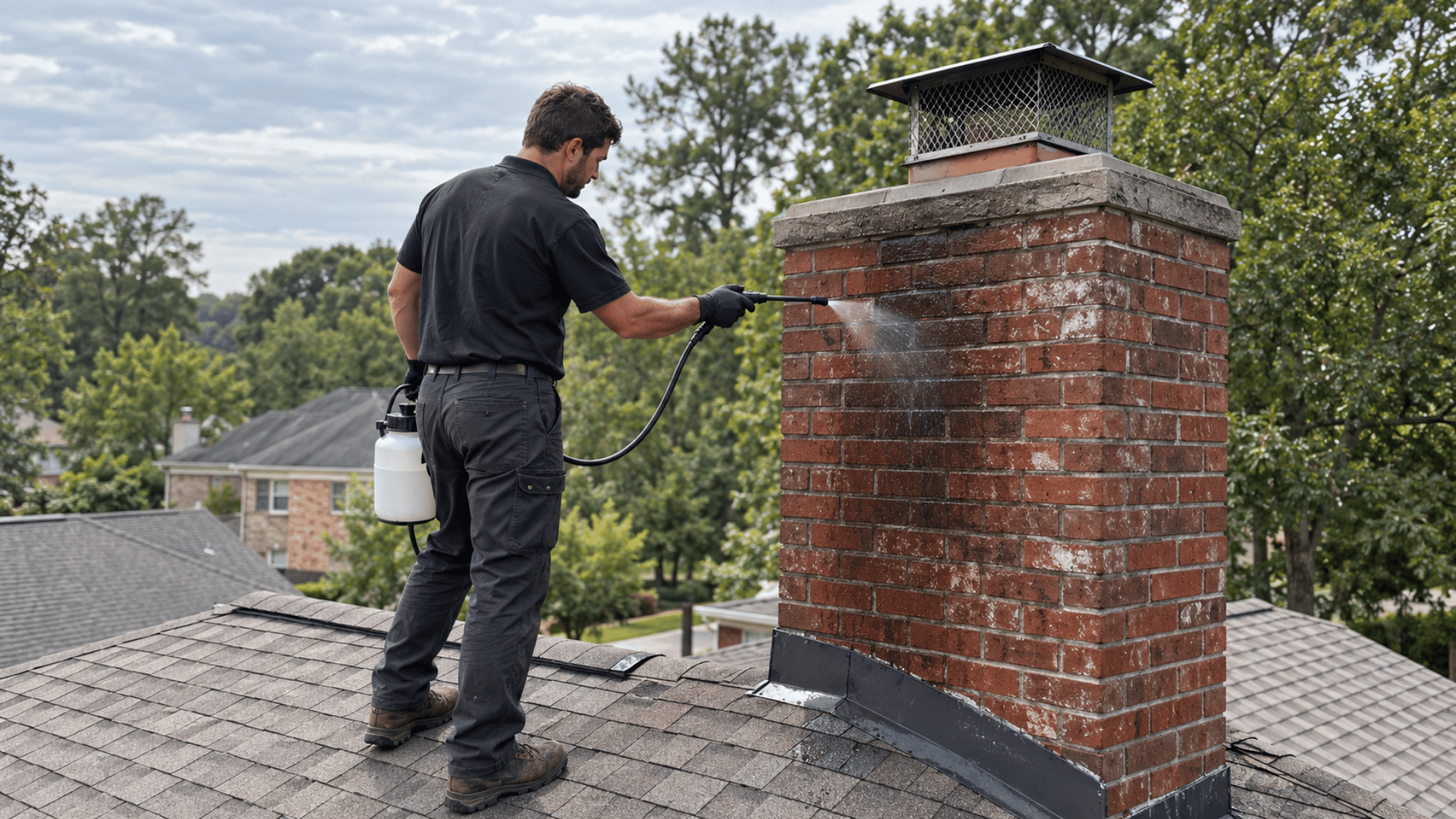
Chimney waterproofing stops water at the surface before it can soak into masonry. Water is one of the biggest threats to brick and mortar. Once moisture gets inside, it can spread into the chimney chase, attic, walls, or ceiling nearby. Chimney Waterproofing uses breathable water repellents and targeted repairs so the chimney can shed rain while still letting trapped moisture escape.

Atlanta gets heavy rain, sudden storms, and humid stretches that keep masonry damp longer. That is why set it and forget it is not a great plan for chimneys here. The goal is to block repeat water entry points, not just cover up stains after the fact.

If you use a fireplace, water problems can also affect how it functions. Damp components can rust, masonry can crumble, and odors can move into the living space. Have you noticed a musty smell near the fireplace after a storm. That is often your chimney asking for help.

Need Help? Call Clean Air Duct Cleaning & Chimney Near You

Signs you may need chimney waterproofing

You may need waterproofing if you see stains, odors, or masonry damage. Chimney leaks rarely announce themselves with a neat drip right where you can see it. More often, the first signs show up inside the home or on the exterior bricks. If you spot changes after rain, take them seriously.

Common signs we see around Atlanta homes include

  1. White, powdery residue on brick or fireplace masonry efflorescence
  2. Water stains on ceilings or walls near the chimney
  3. Musty odors in the firebox or living room after rain
  4. Rust on the damper, firebox panels, or fireplace doors
  5. Cracked mortar joints or spalling bricks brick faces flaking off
  6. Dampness in the ash area, even when you have not used the fireplace
  7. Peeling paint or bubbling drywall near the chimney chase

If you are seeing any two of these, it is time to get it checked. Waiting tends to turn a seal and repair visit into a rebuild and replace situation. Nobody wants that surprise. If you also suspect a top down leak, a chimney inspection can help confirm what is happening.

Where chimney leaks usually start

Water gets in through crowns, flashing, mortar joints, and porous brick. Most chimneys leak from predictable places. The trick is finding the real entry point, not the spot where water finally shows up inside. If you have active leaking, start with a focused evaluation for chimney leaks.

Here are the most common causes

  1. Porous brick and mortar Masonry naturally absorbs water over time, especially once it weathers. Brick deterioration may also call for chimney brick repair.
  2. Cracked or damaged chimney crown The crown is the sloped top surface that sheds water. Cracks act like little gutters into the structure. This often points to chimney crown repair.
  3. Worn flashing Flashing is the metal seal where chimney meets roof. If it lifts, rusts, or separates, water follows gravity right inside. See chimney flashing repair and replacement.
  4. Missing or failing chimney cap Without a cap, rain can go straight down the flue. Critters may also move in and make a mess. Consider chimney cap installation or a replacement.
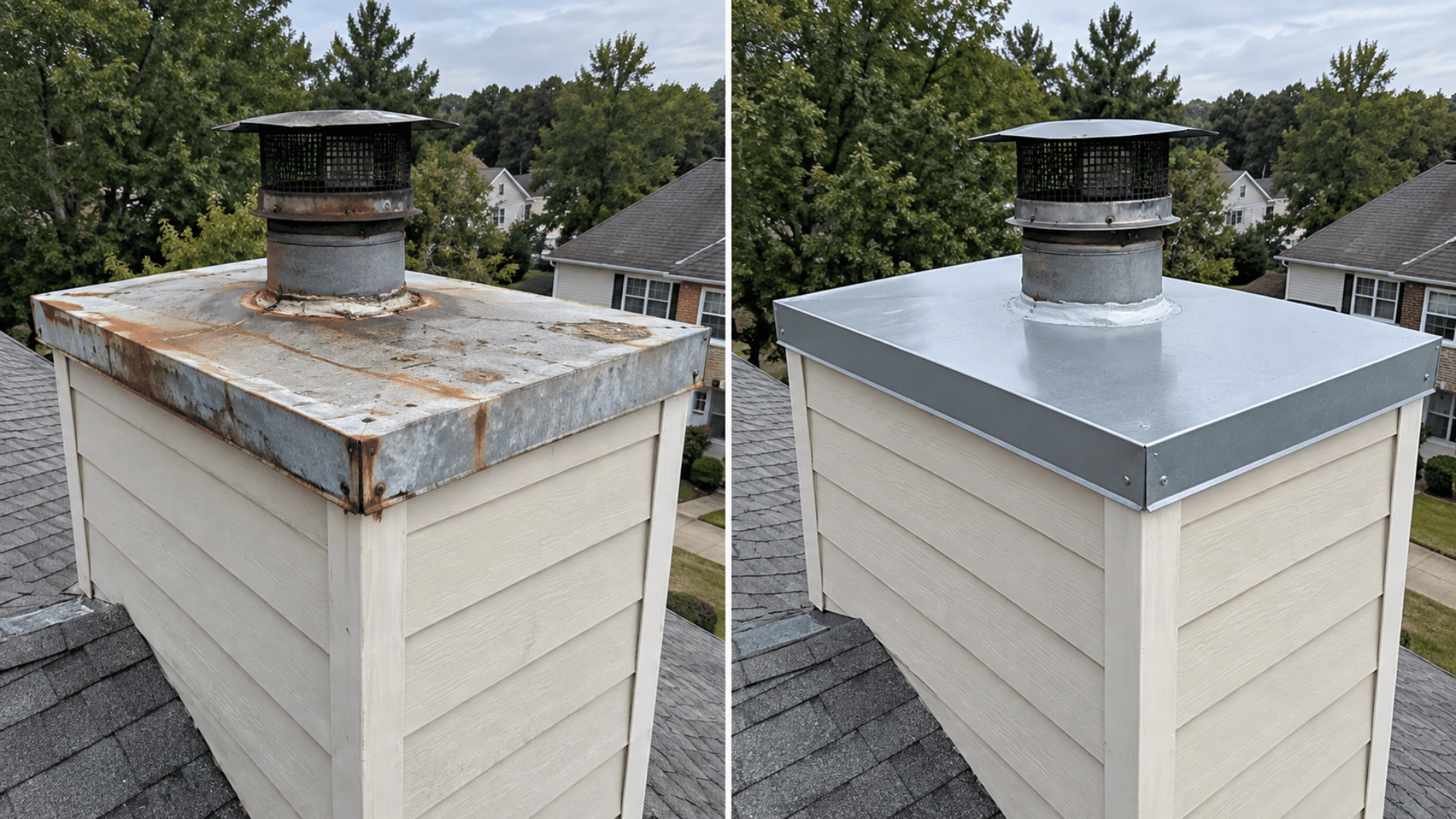
  5. Chase cover issues for prefab chimneys Metal covers can rust, warp, or leak at seams and corners. If pests are involved, animal removal may be needed first.
  6. Freeze and thaw damage Atlanta is not Minnesota, but cold snaps still happen. Water inside brick expands when it freezes and breaks the surface. If joints are failing, chimney repointing can restore the barrier.
Quick note that saves time

Caulk alone is rarely the full fix. It can help in specific places, but chimneys need the right materials in the right spots, plus a water repellent that does not trap moisture.

Our chimney waterproofing inspection process

Our inspection focuses on the path water takes, not just the damage it leaves behind. A good chimney waterproofing visit starts with careful observation. We look at how rain hits your home, where water collects, and where it can sneak in. We also check the areas that tend to fail first. When needed, we can add a camera inspection to confirm conditions in hard to see areas.

During our visit, Clean Air Duct Cleaning & Chimney typically

  1. Checks exterior brick, mortar joints, and overall chimney structure
  2. Examines the chimney crown or chase cover for cracks, gaps, and rust
  3. Inspects flashing lines and roof intersection points
  4. Looks for signs of internal moisture like staining, odor, or rust
  5. Notes any missing caps or damaged cap components
  6. Identifies prior patch work that may be failing

We will explain what we see in plain language. If the problem is more than waterproofing alone, we will tell you why and what the smart next step is. If the structure needs restoration work, we may recommend chimney repair before sealing.

Repairs that support waterproofing

Chimney waterproofing works best when repairs are handled before sealing. Water repellents help most when the chimney is in repairable shape. If mortar joints are missing or the crown is broken, sealing over that will not solve the problem. It is like putting a raincoat on while your roof has a hole. In more advanced cases, you may need chimney rebuilding instead of only surface treatment.

Need Help? Call Us For Air Duct Services!

What chimney waterproofing may include
  1. Masonry water repellent application A breathable treatment that reduces absorption. You can pair this with ongoing chimney inspection visits to catch new entry points early.
  2. Crown repair or rebuild Restoring the sloped top surface so water runs off correctly.
  3. Flashing repair Sealing or correcting gaps where chimney meets roof.
  4. Cap installation or replacement Keeping rain and pests out of the flue opening. Options include chimney cap replacement when parts are worn.
  5. Mortar joint repair Repointing damaged joints so water has fewer paths inward.
  6. Chase cover service Addressing rusted covers and seams on factory built chimneys. If draft and flue performance is also affected, chimney flue repair may be part of the plan.

Not sure which one applies to you. A simple question can guide it. Are you seeing water inside, or mainly deterioration outside. Inside signs often point to flashing, crown, cap, or direct flue entry. Outside deterioration often points to porous brick and mortar exposure over time.

Breathable products and proper application

Waterproofing products must be breathable so the chimney can dry out. A chimney needs to release moisture, not trap it. Some coatings act like paint and seal everything shut. That can cause moisture to stay inside the brick and break it down faster. If the chimney has soot and buildup issues too, pairing waterproofing with chimney sweep service can help keep the system cleaner and easier to evaluate.

We use water repellents intended for masonry that

  1. Reduce water absorption from rain
  2. Allow water vapor to escape
  3. Do not leave a shiny painted look
  4. Help slow down efflorescence and spalling

If someone suggests rolling on a thick coating like you are painting a fence, ask questions. A chimney is not a fence, and Atlanta humidity is not forgiving. For general background on masonry behavior, see masonry.

Timeline and what can affect it

The timeline depends on chimney condition, access, and drying time. Most waterproofing work is completed in a single visit once the chimney is ready for treatment. Repairs can add time, especially if mortar work is needed or if the crown requires rebuilding. If we discover deeper structural issues, we may discuss masonry repair before scheduling the sealing step.

Factors that can slow things down include

  1. Wet surfaces Sealers need appropriate conditions to bond correctly.
  2. Heavy moss or staining Cleaning may be needed before treatment.
  3. Roof access Steep pitch or limited access can affect setup and pace.
  4. Extent of mortar damage Repointing takes time because it is detailed work.
  5. Multiple leak points Some chimneys have more than one front door for water.

We will walk you through what we expect before we start. If the weather is not cooperating, we will be honest about what should wait.

Safety and when to call a pro

Safety matters because chimneys and roofs do not forgive mistakes. Chimney work often requires roof access and working near edges. That is not a good spot for guesswork or I saw a video once. If your leak is visible inside, it is tempting to climb up with a tube of sealant. That is how weekend plans turn into urgent care visits. If you need an evaluation before doing anything, schedule a chimney inspection first.

Stop and call a pro if

  1. You see loose bricks, leaning sections, or missing mortar chunks
  2. The chimney crown has wide cracks or pieces breaking off
  3. Flashing looks lifted or you can see gaps at the roofline
  4. You have a prefabricated chase cover that is rusted through
  5. There is active leaking into the attic or ceiling area

Also, avoid using the fireplace if you suspect water is entering the flue and you notice strong odors or visible rust. Water and soot can create a smell that lingers, and moisture can damage parts you cannot see. If buildup is present, creosote removal may be the right next step.

How to prepare for service day

You can prepare in a few simple ways that save time on service day. A little prep helps the visit go smoother. You do not need to do anything major. If you also want a full system check, consider combining the visit with a fireplace safety inspection.

Here is a practical checklist

  1. Clear a path to the fireplace and nearby walls
  2. Remove fragile decor from the mantel and hearth area
  3. Keep pets in a separate room during the inspection
  4. Share any recent leak history, even if it seems minor
  5. Point out where stains appear and when you notice them
  6. Let us know if you have had roof work done recently

If you have photos from right after a storm, those help too. Water can disappear quickly, then leave only a faint stain. The chimney does not forget, but it does try to hide the evidence.

Clean Air Duct Cleaning & Chimney

After waterproofing what to watch

After waterproofing, you should watch for repeat staining and keep gutters working. Waterproofing is not the end of chimney care. It is a strong step in protecting the structure, but your home still needs good drainage and routine checks. Many homeowners schedule periodic chimney inspection visits to stay ahead of new leaks.

After service, keep an eye on

  1. New stains after storms
  2. Musty odors returning near the fireplace
  3. Rust reappearing on the damper or metal components
  4. Drips in the firebox or cleanout area
  5. Exterior brick changes like fresh white residue

Also check your gutters and downspouts. Overflowing gutters can dump sheets of water near the chimney and roofline. That extra water can stress flashing and masonry. This is not exciting homeowner fun, but neither is replacing bricks because a gutter was clogged with leaves.

Atlanta moisture and Georgia weather impacts

Atlanta conditions can be tough on chimneys because moisture sticks around. Atlanta, Georgia brings a mix of heavy rain, humidity, tree coverage, and algae growth. Chimneys often stay shaded and damp longer, especially on the north side of the home. That extra time holding moisture can speed up brick wear and mortar erosion. If exterior deterioration is advancing, chimney repointing can help restore joints before sealing.

A few local scenarios we see often

  1. Shaded chimneys with moss or algae Moisture sits on the surface and soaks in.
  2. Storm driven rain Wind can push water under caps and into flashing weak points.
  3. Older brickwork Many homes have masonry that has weathered and become more absorbent.
  4. Roof replacements Flashing is sometimes disturbed during roof work and leaks show up later.

If your home is in a wooded area or you see green growth on the chimney, waterproofing and proper water shedding details matter even more.

Common leak clues and likely sources

This quick table shows common leak clues and likely sources. Small clues can point to the right fix. Here is a simple guide we use during troubleshooting. If the table points to top entry, start with chimney cap installation or cap replacement as needed.

What you noticeCommon sourceWhy it happens
Drips or dampness inside firebox after rainMissing or faulty cap, top opening issuesRain enters straight down the flue
Stains on ceiling near chimneyFlashing issues or roof intersection leaksWater follows framing and shows up inside
White powder on exterior brickPorous masonry and recurring saturationMinerals rise to the surface as brick dries
Rusty damper or fireplace doorsOngoing moisture exposureMetal reacts quickly to damp conditions
Brick faces flaking offSpalling from moisture in masonryWater gets in, then breaks brick during temp swings

This is not a perfect diagnostic tool, but it helps you know what to look at first.

Why homeowners choose our team

Homeowners choose our team because we solve the water problem, not just the symptom. Chimney leaks are frustrating because the damage shows up far from the actual entry point. Our approach is to inspect, explain, and fix what lets water in. Then we apply the right protective treatment so your chimney can handle the next storm. When needed, we can coordinate waterproofing with chimney repair so the fix matches the cause.

You can expect us to

  1. Listen to what you have noticed and when it happens
  2. Check the chimney top, sides, and roofline intersection points
  3. Recommend repairs that match the cause
  4. Use materials meant for masonry and chimney conditions
  5. Keep the work area clean and communicate clearly

We also know many customers find us through our air duct cleaning work. If you have indoor odor concerns tied to moisture, we can talk through how chimney moisture, air movement, and smells may connect in your home.

Chimney Waterproofing in Atlanta with a clear plan

Chimney Waterproofing in Atlanta starts with a clear plan and the right fix at the right spot. Water will always pick the easiest path, and chimneys give it plenty of options if they are not protected. Chimney Waterproofing in Atlanta is about sealing porous masonry, correcting top and roofline weak points, and keeping your fireplace area dry and cleaner. If your chimney also needs ongoing care, consider pairing this with a routine chimney sweep plan.

Related Services

If you are ready to stop chasing stains and odors after every storm, call Clean Air Duct Cleaning & Chimney at (470) 706-6431 or schedule a visit through our Contact Us page. Chimney Waterproofing in Atlanta is easier to handle before the next big rain rolls through Georgia.

Frequently Asked Questions (FAQs)

Chimney waterproofing is the application of a breathable, water-repellent treatment to the exterior masonry to help reduce moisture absorption while still allowing trapped vapor to escape.
Masonry can absorb rain and melting snow, which may contribute to staining, deterioration of mortar, and moisture-related issues over time; waterproofing is commonly used as a preventative measure.
Waterproofing is generally applied to exterior brick, stone, or mortar surfaces; it’s often considered alongside related components like crowns, flashing, and caps, depending on the chimney’s condition.
Common signs can include white staining on masonry (efflorescence), spalling bricks, crumbling mortar, damp odors near the fireplace, or water marks on nearby walls or ceilings.
Waterproofing can help reduce water penetration through porous masonry, but leaks can also come from other sources such as damaged flashing, an aging crown, or an uncovered flue.
Many chimney waterproofing products are designed to be breathable and masonry-compatible; the key is using an appropriate product and applying it to a properly prepared surface.
It’s often done during mild, dry weather so the surface can be cleaned and dried appropriately before application; timing can vary based on local conditions.
Longevity depends on factors like weather exposure, masonry condition, and product type; periodic evaluation is typically recommended to determine if reapplication may be needed.
Yes, in many cases it’s best to address issues like cracked mortar joints, damaged bricks, or crown problems first, since waterproofing won’t correct structural defects.
Clean Air Duct Cleaning & Chimney provides chimney waterproofing services and can discuss general options based on the chimney’s materials and overall condition.
Why Your Home Airflow Drops When Dust Builds Up in Ducts

Why Your Home Airflow Drops When Dust Builds Up in Ducts

Your home airflow drops when dust builds up in ducts because that dust acts like…

Why Regular Chimney Sweeping Helps Keep Your Fireplace Safe

Why Regular Chimney Sweeping Helps Keep Your Fireplace Safe

A clean chimney lets smoke move out of your home, not back into your face.…

Signs Your Air Ducts Need Cleaning Before the Seasons Change in Atlanta, GA

Signs Your Air Ducts Need Cleaning Before the Seasons Change in Atlanta, GA

Your air ducts may need cleaning before a seasonal change if you notice more dust,…

How Creosote Forms and Why It Needs Removal

How Creosote Forms and Why It Needs Removal

Creosote forms when wood smoke cools inside your chimney and turns into a sticky, dark…

Dryer Vent Lint Buildup and Fire Risk, What Every Atlanta Homeowner Should Know

Dryer Vent Lint Buildup and Fire Risk, What Every Atlanta Homeowner Should Know

Lint buildup in a dryer vent raises fire risk because it blocks airflow. When hot…

Why Annual Chimney Inspections Protect Your Fireplace and Home

Why Annual Chimney Inspections Protect Your Fireplace and Home

An annual chimney inspection helps you catch hidden trouble before it grows. A pro can…