
Why Your Home Airflow Drops When Dust Builds Up in Ducts
Your home airflow drops when dust builds up in ducts because that dust acts like…
Creosote Removal In Atlanta for safer fires and better draft. Clean Air Duct Cleaning and Chimney provides careful sweeping, inspections, and fast booking
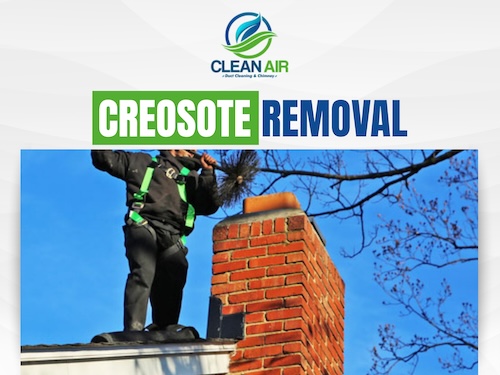
Creosote is the black buildup that sticks inside your chimney after burning wood, and it can lead to smoky fires and higher fire risk. For Creosote Removal In Atlanta, Clean Air Duct Cleaning & Chimney clears the flue and smoke path with careful sweeping and a practical inspection. Creosote Removal In Atlanta helps Atlanta, GA homeowners get safer fires and steadier draft.
Need Help? Call Clean Air Duct Cleaning & Chimney Near You
Creosote Removal clears the flammable buildup that can choke your chimney draft.
Creosote Removal is the process of removing soot and creosote deposits from the chimney flue, smoke chamber, damper area, and firebox. These deposits form when smoke cools and leaves residue behind. That residue can narrow the passage where smoke needs to travel.
A clean smoke path helps your fireplace work the way it should. Smoke goes up and out, not into the room. Your fires light easier, burn cleaner, and smell less stubborn afterward.
If you use your fireplace only a few times each year, buildup can still happen. If you burn often, it can happen faster. Either way, removing the deposits is a basic step for safer operation.
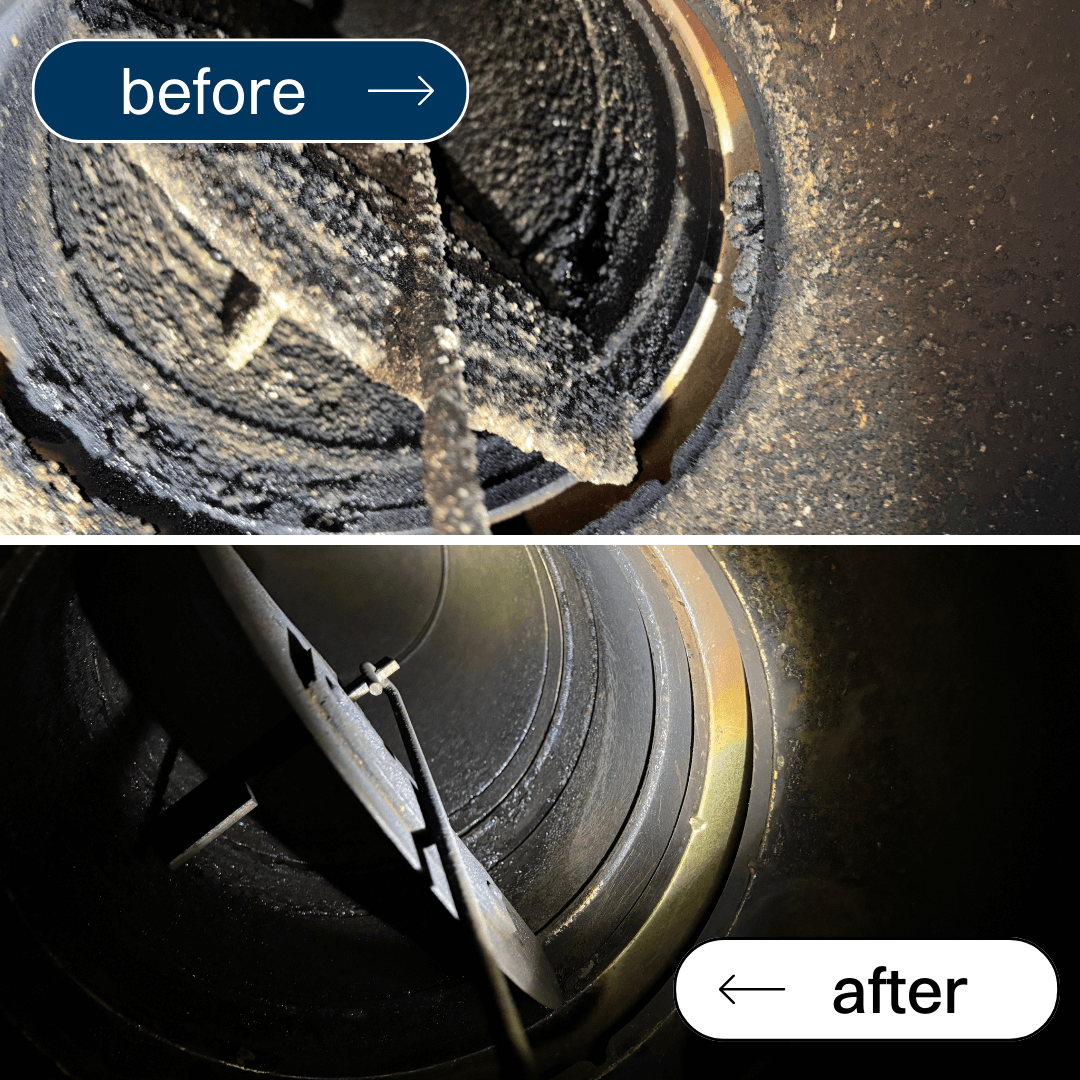
Creosote buildup usually shows clear warning signs before it becomes a bigger problem. You do not need special tools to notice when something is off. Most homeowners call after they see smoke roll into the room, or they start noticing a sour smoky odor that hangs around.
Did your fireplace behave fine last season, but not this season? That change is a clue. Chimneys usually do not get moody for no reason. If you are unsure, pairing removal with a chimney inspection helps confirm what is going on inside the full smoke path.
Creosote builds faster when fires burn cooler and the chimney stays cold. Creosote is mostly a byproduct of smoke that did not burn cleanly. When a fire smolders, it makes more smoke. When that smoke hits cooler chimney walls, more of it sticks.
Low fires feel cozy, but they can be messy inside the flue. Think of it like cooking on too low of a setting. You get more smoke, less clean heat, and more residue left behind. If the draft has been inconsistent, a chimney sweep visit can help reset the system before the next burn.
Atlanta weather can make draft and odor problems show up at the worst times. Atlanta, Georgia gets plenty of humid days, quick temperature swings, and mild winter afternoons. Those conditions can mess with chimney draft, especially during startup.
Do you ever light a fire, then run a bathroom fan or a big range hood? That can pull air out of the house fast. If the chimney cannot get enough replacement air, smoke may look for another exit. If water entry is part of the pattern, reviewing chimney leaks can help connect the dots.
Creosote comes in different forms, and the removal approach depends on what is inside your flue. Creosote can be light and dusty, thick and sticky, or hard and glazed. The form matters because it changes how it is removed safely and completely.
| Buildup type | What it looks like | Common effect | Removal focus |
|---|---|---|---|
| Light soot | Dry, powdery, flaky | Draft slows and odors linger | Standard sweeping and contained cleanup |
| Sticky creosote | Dark, tacky, shiny areas | Faster buildup and heavier restriction | More intensive brushing and controlled removal |
| Glazed creosote | Hard, smooth, tar-like | Higher risk during high-heat fires | Step-by-step removal based on access and condition |
Most homeowners only see what is near the damper and firebox. The heavier deposits often sit higher up. That is why a full-path sweep matters. If the flue itself may need attention beyond cleaning, chimney flue repair is sometimes the next conversation.
Need Help? Call Us For Air Duct Services!
Our visit follows a controlled process that keeps soot contained and focuses on the whole smoke path. We start by listening to what you have noticed. Then we set up the work area to keep debris where it belongs. After that, we remove creosote and soot from the areas that affect draft and safety.
We keep it practical. You will know what we did, what we saw, and what it means for your next burn. When visibility is limited, a camera inspection can help confirm conditions deeper in the flue.
We focus on the spots that commonly hold creosote and cause draft trouble. A quick look into the firebox does not tell the full story. The draft path includes several areas where deposits like to hide and stack up.
If your setup includes an insert or a stove connection, the smoke path changes. The goal stays the same. Clear the route smoke must travel. For certain setups, chimney inserts can change how draft and deposits behave over a season.
Chimney draft issues often go hand in hand with creosote, and we look for the why, not just the mess. Draft is what pulls smoke up and out. If draft is weak, smoke can spill into the room. Weak draft also tends to create more creosote because the fire runs cooler and smokier.
Do you get smoke only at the start of a fire? That often points to a cold flue and slow draft. Do you get smoke during the whole burn? That can point to a restriction or competing airflow. If damage is suspected, chimney repair may be needed after the buildup is cleared.
Creosote Removal is different from ash cleanup, and mixing them up can leave hazards behind. Ash removal is what you do in the firebox after a burn. Creosote Removal is what happens inside the chimney system where smoke travels. You can have a clean-looking firebox and still have heavy creosote in the flue.
If you have been cleaning only the visible area, you are not alone. It is a common assumption. The trouble is that the risk area is usually above what you can see. For broader safety checks, a fireplace safety inspection can help confirm the full system is ready to use.
Timing depends on buildup level, chimney height, and access, and we plan around real site conditions. Many homes fit into a normal service window, but no two chimneys behave exactly the same. A taller flue, offsets, roof access, and deposit type can add time.
If you are trying to get ready for the first cold weekend, scheduling before everyone else remembers their fireplace is helpful. Atlanta can go from windows open to where are the matches pretty fast. If animals may be involved, animal removal can be part of solving the restriction.
You can prep your home in a few quick steps that keep the visit smooth and cleaner. A little prep saves time and helps keep soot controlled. You do not need to overhaul your living room, just give us space to work safely.
Got a stack of throw blankets in front of the fireplace? We get it. Cozy is the goal. Let’s just keep the blankets from smelling like last winter. If you also rely on venting appliances, keeping up with dryer vent cleaning supports safer airflow across the home.
After service, better burning habits help slow new creosote buildup. Cleaning removes what is there now. Your burn habits control what happens next. Small changes can make a big difference in how quickly deposits return.
If you use an insert, follow the maker’s instructions for operating temps and airflow. Low and slow is great for pulled pork. It is not great for chimneys. If your system uses gas components, gas appliances service can support safe operation.
Fireplace odors often come from creosote and moisture, and cleaning is only part of the fix. That old smoke smell can linger even when the fireplace is cold. Creosote holds odor, and moisture makes it louder. Atlanta humidity can turn a small residue problem into a living room smell problem.
Do you notice the smell more after storms? That often points to moisture getting into the system or a draft reversal. Both deserve a closer look. Keeping masonry protected with chimney waterproofing can help reduce moisture related odor patterns.
Many Atlanta homes have fireplaces that sit unused for long stretches, which can still lead to buildup and blockages. Even if you only burn a handful of fires each winter, chimneys can collect soot, animal nesting, and debris. A chimney is basically a warm, sheltered tube. Wildlife notices that too.
If you recently upgraded exhaust fans or replaced windows, your house may hold air differently now. That can change how your chimney drafts, even if nothing else changed. If the top of the chimney needs protection from wildlife and debris, chimney cap installation can support cleaner airflow.
Homeowners choose Clean Air Duct Cleaning & Chimney because we keep the work contained and explain what we see. You should not be left guessing about what was removed or what condition your chimney is in. We keep communication simple, and we respect your space while we work.
We are an air duct cleaning service by category, and we take airflow seriously. Chimneys are airflow systems too, just with higher stakes than a stuffy bedroom. If indoor airflow is part of the bigger comfort picture, air duct cleaning can help support steadier circulation across the home in GA.
If your fireplace smokes or smells, Creosote Removal In Atlanta is a smart next step before your next burn. If you are getting smoke rollout, strong odor, or falling flakes, do not wait for the next cold snap to find out the hard way. Creosote Removal In Atlanta helps clear flammable deposits and supports better draft, so your fireplace can run cleaner.
For Creosote Removal In Atlanta, call Clean Air Duct Cleaning & Chimney at (470) 706-6431 or use the Contact Us page to schedule.
Frequency depends on how often you use your fireplace or wood stove, what you burn, and how you operate it; many homeowners schedule periodic maintenance based on usage.

Your home airflow drops when dust builds up in ducts because that dust acts like…

A clean chimney lets smoke move out of your home, not back into your face.…

Your air ducts may need cleaning before a seasonal change if you notice more dust,…

Creosote forms when wood smoke cools inside your chimney and turns into a sticky, dark…

Lint buildup in a dryer vent raises fire risk because it blocks airflow. When hot…

An annual chimney inspection helps you catch hidden trouble before it grows. A pro can…