1. Home
  2. »
  3. Fireplace Inserts

Fireplace Inserts in Atlanta, GA

Upgrade with Fireplace Inserts In Atlanta from Clean Air Duct Cleaning and Chimney. Get efficient warmth, expert guidance, and professional installation today

Table of Contents
Fireplace Inserts In Atlanta by Clean Air Duct Cleaning
Upgrade with Fireplace Inserts In Atlanta from Clean Air Duct Cleaning and Chimney. Get efficient warmth, expert guidance, and professional installation today

Fireplace Inserts

Fireplace Inserts in Atlanta help turn an older, drafty fireplace into a cleaner, easier to use heat source. Clean Air Duct Cleaning & Chimney helps Atlanta, GA homeowners choose the right insert, prep the firebox and chimney, and handle safe installation details, including venting and clearances. Want better heat without the mess?

Fireplace inserts are sealed heating units that fit inside your existing fireplace opening. A fireplace insert sits inside a masonry fireplace and uses controlled combustion to produce steady heat. Unlike an open fireplace that sends much of its warmth up the flue, an insert is built to hold heat and move it into the room.

If your fireplace looks great but performs poorly, inserts can be a smart upgrade. Many homeowners also like that the fire stays behind a closed door, which helps with comfort and day to day cleanliness.

Need Help? Call Clean Air Duct Cleaning & Chimney Near You

How inserts work with your fireplace and chimney

Clean Air Duct Cleaning & Chimney focuses on the parts that make the system work as a whole. That includes the fireplace opening, the venting path, and the condition of the chimney. If any of those pieces are off, an insert will not run the way it should.

System thinking matters in GA homes

In Georgia and GA neighborhoods around Atlanta, chimney performance can change with weather and home pressure. Treating the insert, firebox, and chimney as one system helps avoid repeat issues and keeps the setup predictable.

Common comfort problems inserts can help solve

Fireplace Inserts solve common comfort problems like smoke smell, weak heat, and cold drafts. A lot of fireplaces in Atlanta were built for looks, not heat. You might love the style, but still feel chilly on the couch. Inserts can help address the most common complaints.

Problems many homeowners mention before switching to an insert

  • The room feels colder when the fire goes out
  • Smoke odor lingers long after the flames stop
  • The fire is hard to keep going
  • You notice cold air moving through the fireplace opening
  • Soot builds up fast and cleanup is a chore
  • You avoid using the fireplace because it feels like work

Do you find yourself skipping the fireplace even on cold nights? That is usually a sign the fireplace is not working with your home, it is working against it.

What causes smoke odor, poor draft, and frustration

A failing damper, dirty flue, or poor draft often causes fireplace frustration. Fireplaces depend on proper draft and a clear path for exhaust. When that path is restricted, smoke spills, odors hang around, and the fire struggles.

Common causes we see in the Atlanta area

An insert does not hide these issues. It works with them. If the chimney and venting path are not in good shape, the insert setup needs careful planning.

Insert types and how to choose

Fireplace Inserts come in several types, and the best choice depends on your home and how you want to use it. Choosing an insert is not just picking a style. You are picking a fuel type, venting approach, and daily routine.

Gas fireplace inserts

Gas fireplace installation planning matters because gas fireplace inserts are great for quick heat and simple operation. A gas insert turns on fast and gives steady warmth. Many models use a sealed glass front and a direct vent system that sends exhaust outside and brings in combustion air through a dedicated pathway.

Why homeowners choose gas
  • They want heat on demand
  • They do not want to store wood
  • They want less ash and soot inside the home

You still need proper venting and clearances. Gas is convenient, but it is not a shortcut around safe setup.

Wood fireplace inserts

Wood fireplace inserts are ideal for people who want a classic fire with better control. A wood insert burns real logs behind a closed door. It can produce strong heat while using wood more efficiently than an open fireplace.

Wood inserts can be a good fit if you
  • Enjoy the sound and feel of a real wood fire
  • Do not mind storing and carrying wood
  • Want strong radiant heat in the living area

Wood also asks more from the chimney system. The venting path must be right, and the chimney needs the right liner setup for the insert.

Electric fireplace inserts

Fireplace conversion projects sometimes use electric inserts as a clean option when venting is limited. An electric insert can provide flame visuals and supplemental heat without combustion. It is often used when the homeowner wants the fireplace look without chimney work.

Electric can make sense if
  • You want a fast, low maintenance option
  • The fireplace is mainly decorative
  • You prefer not to run gas or handle wood

Even though electric inserts do not vent exhaust, the fireplace opening and surrounding materials still matter for fit and safe use.

Inspection and measurement before installation

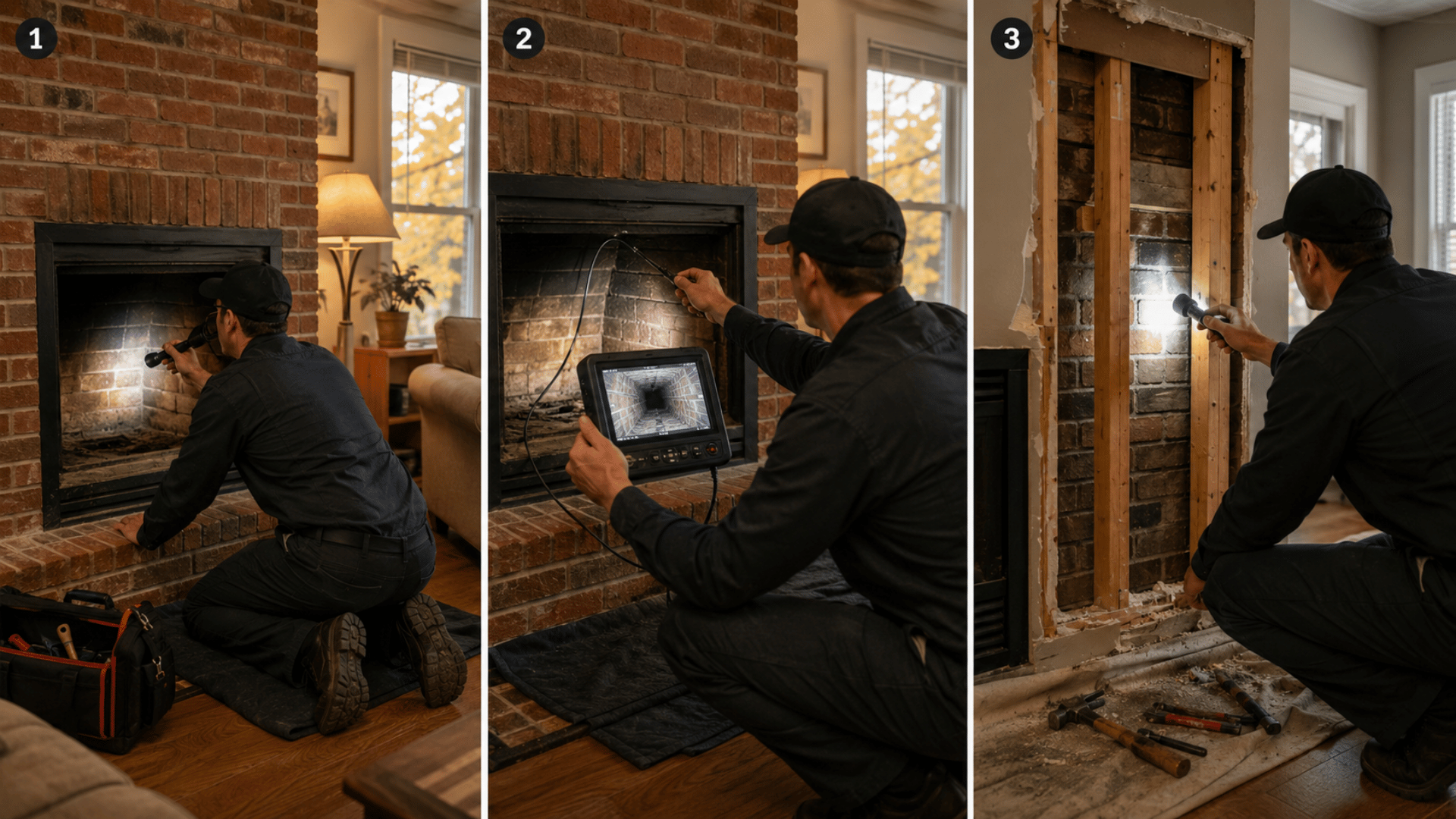
The insert process starts with checking your fireplace and chimney, not just the opening size. A tape measure helps, but it is not the full story. We look at how the full system is performing and what needs attention so the insert can run safely. Many homeowners start with a chimney inspection to get clarity on condition and access.

During a typical visit, we focus on

  1. Firebox condition and dimensions
  2. Smoke chamber and damper area access
  3. Chimney flue condition and cleanliness
  4. Draft issues and signs of past smoke spillage
  5. Mantel, trim, and hearth clearances
  6. Venting options based on insert type
  7. Any signs of water entry or masonry wear

If you have ever opened the damper and still smelled smoke, that is a clue the system needs attention beyond the firebox.

Need Help? Call Us For Air Duct Services!

Installation planning and safety details

Installation planning is about clearances, venting, and airflow, not guesswork. A fireplace insert needs a safe pathway for exhaust, plus proper spacing from combustibles. That spacing includes nearby framing, trim, mantel shelves, and flooring materials. If the surround or structure is worn, fireplace repair may be part of the plan.

Practical details we walk through with you

  • Where the insert will sit and how it will be leveled
  • How the liner or vent system will route through the chimney
  • What needs to be cleaned or cleared before installation
  • How the surround panel will cover the opening cleanly
  • How the system will be serviced later

If something feels almost right, we slow down. Fire systems are not the place for close enough. Nobody wants a cozy night to turn into a smoke alarm concert.

Chimney liner details that affect performance

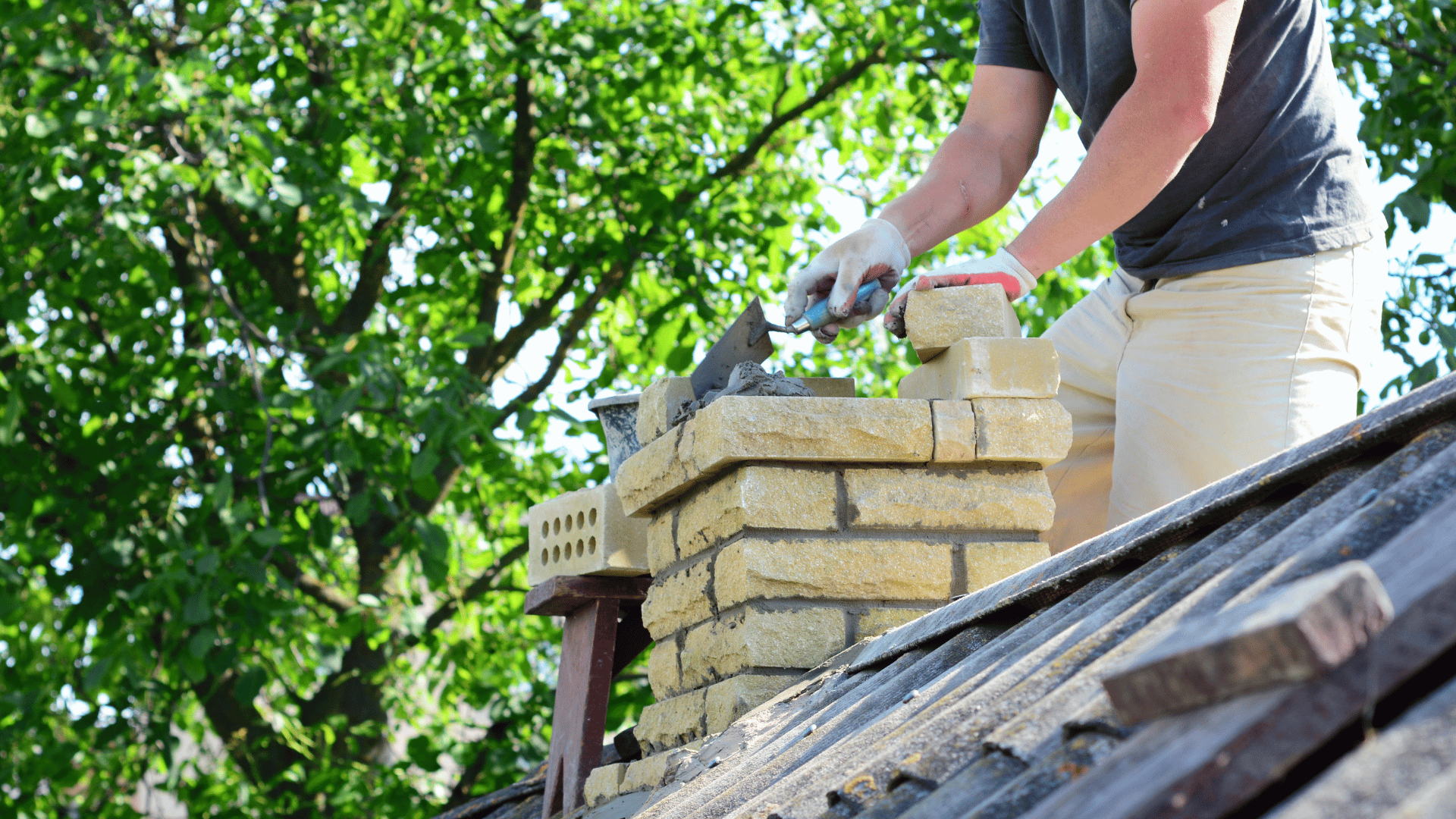
A chimney liner is often the make or break detail for insert performance. Many inserts require a liner system that matches the appliance and venting plan. The liner helps move exhaust out of the home and supports steady draft. When needed, chimney relining helps align the insert with the flue path.

A liner plan may involve

  • Sizing the liner correctly for the insert
  • Running the liner from the insert up through the chimney
  • Sealing connection points to reduce leakage
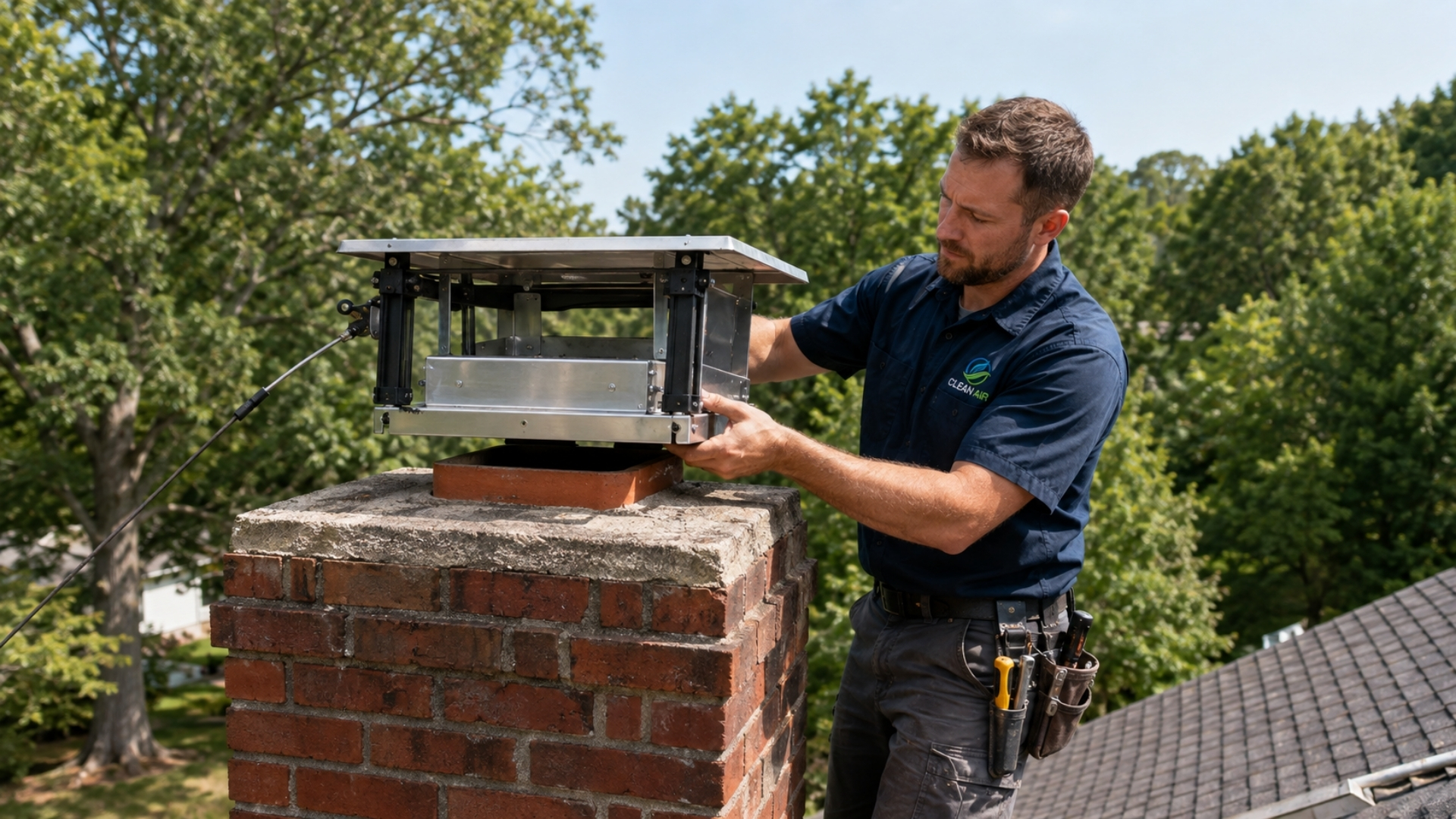
  • Confirming the top termination and cap setup

A liner also affects maintenance. A good setup makes future cleaning and inspection simpler.

Cleaning and prep work before the insert goes in

Cleaning and prep work help the insert run cleaner and reduce smoke odor issues. If the chimney is dirty or the smoke chamber has buildup, an insert will not fix the smell. Odor issues usually need cleaning, and sometimes repairs, before the new unit goes in. Many projects begin with a chimney sweep to remove soot and improve draft reliability.

We may recommend

If the fireplace has not been used in years, that is even more reason to check and clean. Old soot has a way of making itself known once you start heating again.

Quick comparison of insert types

Here is a quick comparison of insert types to help you think through your options. Use this table as a starting point. The right choice still depends on your fireplace structure and how you plan to use it. For many homes, a fireplace safety inspection is the best next step before choosing.

Insert TypeWhat homeowners likeWhat to plan for
GasFast start, steady heat, less messProper venting path, utility access, safe clearances
WoodReal fire feel, strong heatWood storage, ash handling, liner and chimney upkeep
ElectricSimple use, no combustionElectrical supply, realistic heat expectations

If you tell us how you want to use the fireplace on a normal weeknight, we can help narrow the options quickly.

What affects the project timeline

Most insert projects take longer than people expect because the chimney condition sets the pace. Some installs move along smoothly. Others slow down because the chimney needs cleaning, access is tight, or the damper area needs modification for the venting route. If buildup is heavy, creosote removal may be needed before installation can move forward.

What can affect the timeline

  • Heavy creosote buildup that needs removal first
  • Hard to access rooflines or chimney tops
  • A damper area that blocks liner routing
  • Past fireplace modifications that changed dimensions
  • Moisture damage that needs repairs before install

If you are planning around guests or a holiday, it helps to start early. Fireplace work tends to get popular right when the first cold snaps show up.

When to stop using the fireplace and get it checked

You should stop using the fireplace if you notice smoke in the room, strong odors, or falling debris. Fireplaces and inserts should vent smoke outdoors. If smoke comes into the home, something is wrong and should be checked. Scheduling a camera inspection can help confirm what is happening inside the flue and smoke chamber.

Pause and call a pro if you notice

  • Smoke rolling out when the fire is burning
  • A sharp, persistent smoke smell even when not in use
  • Black staining around the opening
  • Pieces of tile, brick, or mortar in the firebox
  • A damper that will not open or close properly
  • A chimney cap that looks damaged or missing

If you are thinking it is probably fine, that is usually your sign to stop and get it checked.

How to prepare your space before the visit

Preparing your space before we arrive makes the visit smoother and protects your home. Most of the work happens at the fireplace and sometimes at the roofline. A little prep helps keep the process clean and efficient. If the visit includes a fireplace tune up or cleaning, the same prep steps still apply.

Simple homeowner checklist

  1. Remove decor from the mantel and hearth area
  2. Clear a walking path from the door to the fireplace
  3. Keep pets in a separate room during the visit
  4. Point out any past issues like smoke smell or poor draft
  5. Share photos or notes if you have them from past repairs

Have you noticed the fireplace area feels colder than the rest of the room? Tell us. That detail matters for planning.

Clean Air Duct Cleaning & Chimney

After installation habits that help performance

After installation, daily habits help keep the insert working well and your air cleaner. A fireplace insert is still a combustion appliance if it burns gas or wood. Clean operation depends on good fuel habits and basic upkeep. Many homeowners pair insert use with better indoor airflow through air duct maintenance to keep the whole home system working smoothly.

Helpful habits include

  • Keep the area around the unit clear of stored items
  • Use the correct fuel for the unit type
  • Do not block airflow openings or louvers
  • Watch for changes in flame behavior or smoke movement
  • Schedule regular chimney and vent checks based on use

If the insert is wood burning, remember that your chimney is part of the appliance. Burning the wrong wood or running low, smoldering fires can leave more residue behind.

Atlanta climate and what it means for fireplaces

Atlanta, Georgia homes often deal with moisture and temperature swings that affect fireplaces. Atlanta weather can change fast. Warm days, cool nights, and humid stretches can all affect how a chimney drafts and how a fireplace smells when it is not in use. If water is part of the issue, chimney waterproofing can help reduce repeat moisture problems that show up as odors and staining.

Local issues we often account for

  • Rain and humidity that worsen stale soot odors
  • Water entry that stains masonry and damages caps
  • Seasonal first burn smell after months of no use
  • Older masonry fireplaces common in established neighborhoods

If your fireplace smells worse after a rain, that points to moisture and airflow. It is a practical clue, not a mystery.

A whole home approach to fireplace inserts

Fireplace Inserts in Atlanta work best when the chimney system is treated as part of your home, not a stand alone box. An insert is not just a product you slide into place. It is part of your venting system, your indoor air, and your comfort.

That is why our approach includes

  • Looking at the condition of the chimney before install
  • Planning venting that matches the appliance needs
  • Supporting cleaner operation with proper prep
  • Explaining what you should watch for after install

We are an air duct cleaning service by category, and we think about air movement in the home every day. That mindset carries over to fireplaces, too, including air duct cleaning when dust and airflow issues show up alongside comfort complaints.

Clear guidance without pressure

Clean Air Duct Cleaning & Chimney helps you choose the right insert without pressure or confusion. You should feel confident about what is being installed and why. We keep the conversation simple and focus on what matters for your home and your routine. If your fireplace needs updates beyond the insert, we can also discuss fireplace restoration options that keep the system functional.

You can expect clear guidance on

  • Insert type pros and cons for your space
  • What the chimney needs before installation
  • Venting approach and access requirements
  • How to use and maintain the system

If you just want the fireplace to work without drama, we get it. Your living room is for relaxing, not troubleshooting.

Start planning your fireplace insert in Atlanta

Fireplace Inserts in Atlanta are easy to start planning with a quick call and a few details about your fireplace. A short conversation helps us understand your goals, your current setup, and what you want the fireplace to do for you this season. Clean Air Duct Cleaning & Chimney works across Atlanta, GA and nearby areas, and we help homeowners move from nice to look at to nice to use. If you want to evaluate airflow and comfort across the home, we can also discuss air duct testing as part of a broader plan.

Related Services

For Fireplace Inserts in Atlanta, call (470) 706-6431 or schedule through our Contact Us page.

Frequently Asked Questions (FAQs)

A fireplace insert is a self-contained heating unit designed to fit inside an existing fireplace opening to improve efficiency and heat output. Clean Air Duct Cleaning & Chimney provides fireplace insert services.
Common options include wood-burning, gas, and electric inserts. The best fit depends on your home, existing fireplace, and heating preferences; Clean Air Duct Cleaning & Chimney can help with general guidance and service.
Many insert installations use a liner to help vent properly and support safe operation, but requirements vary by setup and local codes. Clean Air Duct Cleaning & Chimney can review your situation as part of the service process.
Not always—fireplace size, condition, clearances, and venting configuration can affect compatibility. Clean Air Duct Cleaning & Chimney provides services that consider these general factors.
Venting depends on the insert type; some use the existing chimney with a liner, while others may use a dedicated venting path. Clean Air Duct Cleaning & Chimney can explain common venting approaches for your setup.
Maintenance varies by fuel type, but generally includes periodic cleaning, checking venting components, and ensuring safe operation. Clean Air Duct Cleaning & Chimney provides fireplace insert-related services and can advise on typical upkeep.
Suitability usually depends on the fireplace’s structure, clearances, and venting condition. Clean Air Duct Cleaning & Chimney offers services that can help you understand general compatibility considerations.
Inserts can change the appearance by adding a framed surround or decorative front, depending on the model. Clean Air Duct Cleaning & Chimney can discuss general style and fit considerations during service.
Inserts are often designed with features intended to improve controlled combustion and reduce heat loss, but safe use still depends on proper installation, venting, and maintenance. Clean Air Duct Cleaning & Chimney provides services that support safe operation practices.
Consider fuel type, heating goals, venting needs, space constraints, and maintenance preferences. Clean Air Duct Cleaning & Chimney provides fireplace insert services and can help you think through these factors in general terms.
Why Your Home Airflow Drops When Dust Builds Up in Ducts

Why Your Home Airflow Drops When Dust Builds Up in Ducts

Your home airflow drops when dust builds up in ducts because that dust acts like…

Why Regular Chimney Sweeping Helps Keep Your Fireplace Safe

Why Regular Chimney Sweeping Helps Keep Your Fireplace Safe

A clean chimney lets smoke move out of your home, not back into your face.…

Signs Your Air Ducts Need Cleaning Before the Seasons Change in Atlanta, GA

Signs Your Air Ducts Need Cleaning Before the Seasons Change in Atlanta, GA

Your air ducts may need cleaning before a seasonal change if you notice more dust,…

How Creosote Forms and Why It Needs Removal

How Creosote Forms and Why It Needs Removal

Creosote forms when wood smoke cools inside your chimney and turns into a sticky, dark…

Dryer Vent Lint Buildup and Fire Risk, What Every Atlanta Homeowner Should Know

Dryer Vent Lint Buildup and Fire Risk, What Every Atlanta Homeowner Should Know

Lint buildup in a dryer vent raises fire risk because it blocks airflow. When hot…

Why Annual Chimney Inspections Protect Your Fireplace and Home

Why Annual Chimney Inspections Protect Your Fireplace and Home

An annual chimney inspection helps you catch hidden trouble before it grows. A pro can…