Skip to content
A chimney sweep removes soot, creosote, loose debris, and blockages from the chimney. The service can also include checking accessible parts of the fireplace, flue, and venting system for issues that need attention.
For Atlanta homeowners, chimney care matters even if you use the fireplace only a few times each year. Creosote can remain in a wood-burning chimney between seasons. Rain, leaves, animal activity, and debris can affect the chimney year-round.
Key Takeaways
- Chimney sweeping removes soot, creosote, nesting material, leaves, and other accessible debris.
- Sweeping and chimney inspection work together, but they are different services.
- NFPA 211 recommends an annual inspection of chimneys, fireplaces, and vents. Clean or repair the system when the inspection shows that it is needed.
- Gas fireplaces do not create wood creosote, but they still need their venting systems checked and maintained.
- Chimney service costs vary based on the chimney’s condition, access, number of flues, and the type of inspection needed.
What Does a Chimney Sweep Do?
A chimney sweep cleans the inside of the chimney and checks the accessible parts of the system. The job involves more than brushing soot out of the visible fireplace opening.
Depending on the chimney and the service booked, the technician may work on or inspect the firebox, damper, smoke chamber, flue, liner, cap, crown, and exterior masonry. The exact work depends on the fireplace type, chimney construction, amount of buildup, and whether the system also needs an inspection.
Removing soot and creosote
Wood smoke leaves soot and creosote inside the flue. Creosote forms when smoke cools and condenses on the chimney walls. It may look flaky, sticky, tar-like, or hard and glazed.
All forms of creosote deserve attention because they can burn. Light buildup may come off with routine mechanical sweeping. Thick or glazed deposits can take more time and may need specialized treatment.
Creosote often builds up faster when the fireplace burns wet wood, smolders for long periods, has poor airflow, or vents through a cold flue.
Clears debris and blockages
A chimney can become blocked by more than creosote. Leaves, bird nests, animal activity, loose material, and damaged components can restrict the flue and affect draft.
A chimney cap helps keep out some debris and animals, but it cannot prevent every problem. The system still needs regular inspection.
Identifies visible damage
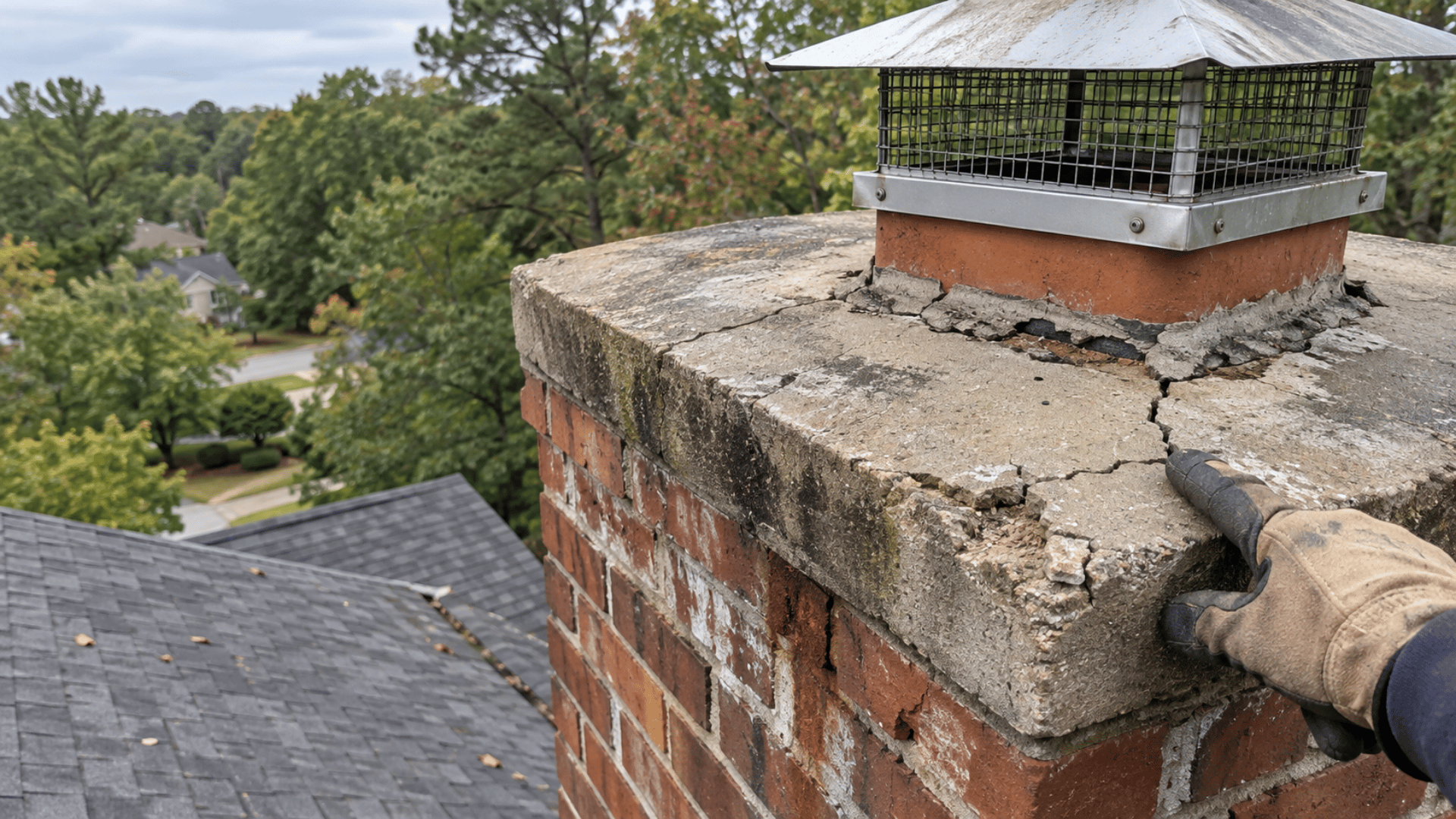
During a visit, a chimney sweep may find cracked masonry, deteriorating mortar, rust, water staining, a damaged cap, or another visible issue. These findings do not always mean a major repair is needed. They do mean the homeowner should understand the condition before using the fireplace.
Water deserves special attention. Moisture can damage mortar, masonry, liners, caps, crowns, flashing, and other chimney parts over time.
What Happens During a Chimney Sweep Visit?
The exact process varies by chimney, but a routine visit generally follows several stages.
1. The Technician Checks the System
The visit starts with the fireplace and accessible chimney components. The technician may ask how often you use the fireplace, what fuel you burn, and whether you have noticed smoke, odors, leaks, animals, or draft problems.
2. The Work Area Is Protected
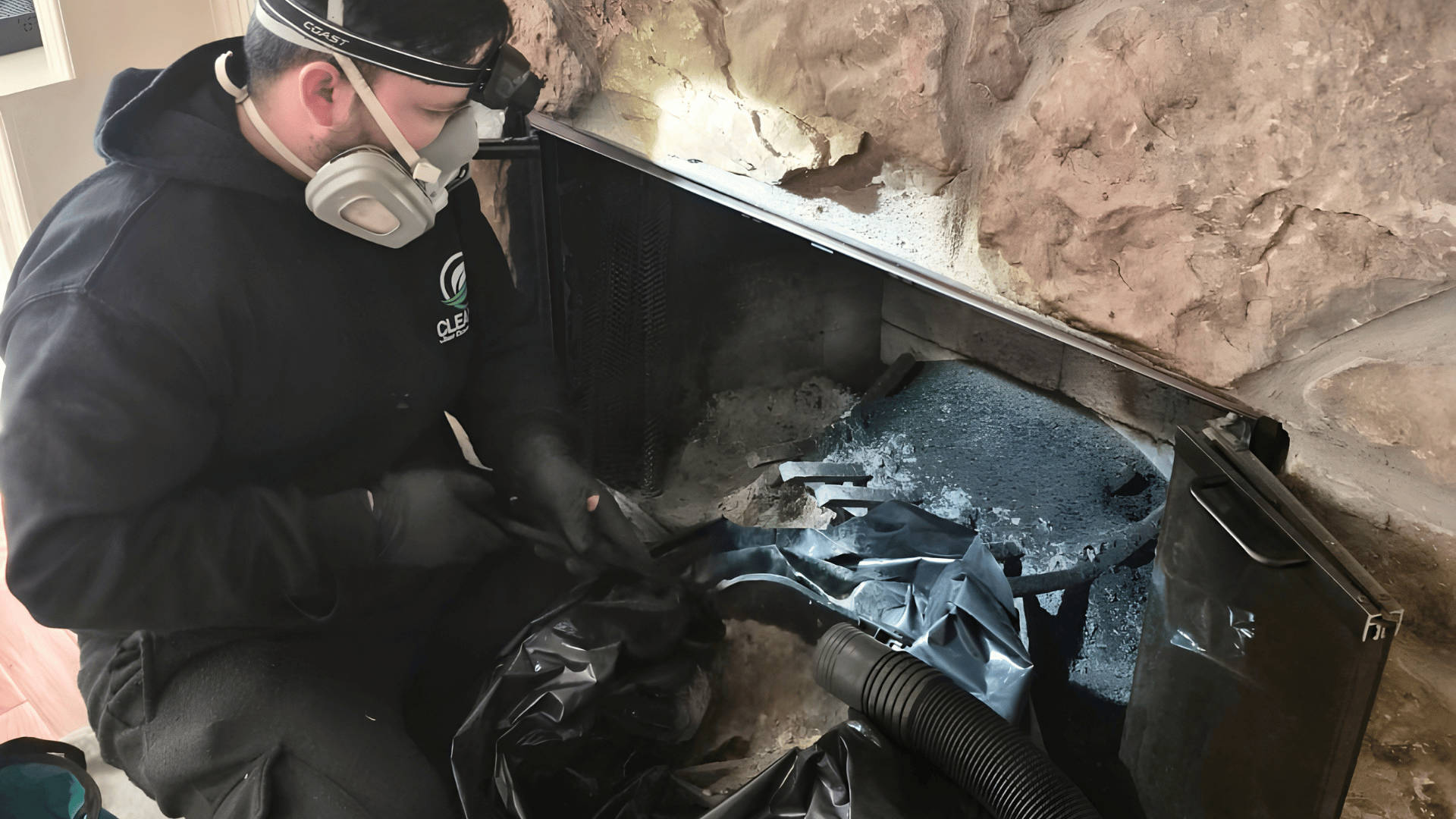
The technician should protect the fireplace area before starting. Drop cloths, fireplace coverings, and controlled vacuum equipment help contain soot and dust.
3. The Flue Is Swept
The technician uses brushes, rods, rotary tools, or other equipment to loosen buildup inside the flue. The right method depends on the liner, access, and type of creosote present.
4. Soot and Debris Are Removed
The sweep removes loosened soot, creosote, and debris from the system. If the technician finds heavy glazed creosote, a blockage, or liner damage, they should explain the condition rather than treat it as a routine cleaning.
5. Accessible Parts Are Checked
The technician may check the firebox, damper, smoke chamber, flue, cap, crown, masonry, and other accessible parts of the system. Signs of restricted venting or damage may lead to a recommendation for a more detailed inspection.
6. The Findings Are Explained
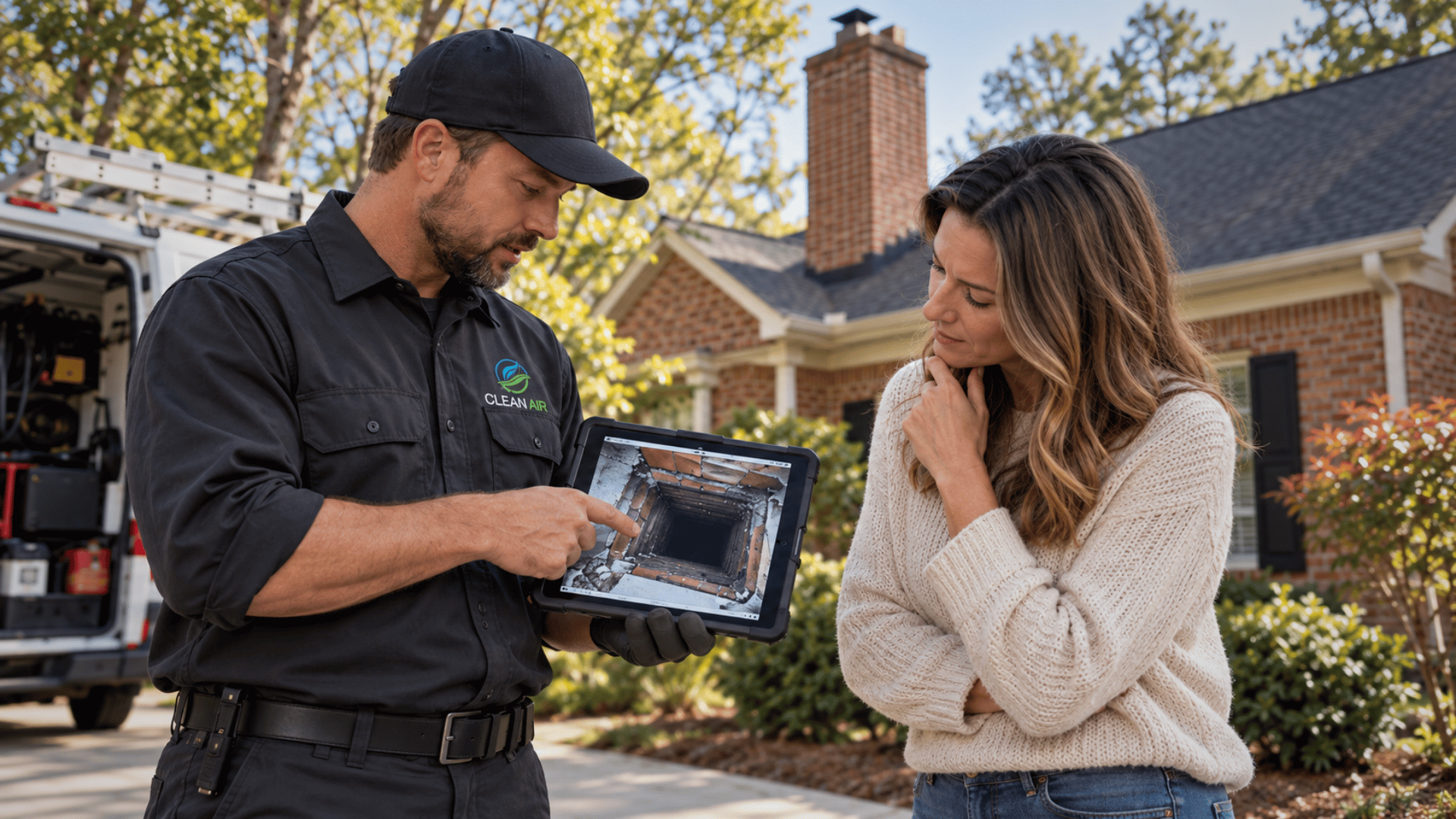
At the end of the visit, the company should explain what it found and what work, if any, it recommends. Photos or video can help when the issue is inside the flue or on the roof.
A straightforward chimney sweep and basic inspection often takes 45 to 90 minutes. Heavy buildup, multiple flues, difficult access, camera work, or repairs can make the appointment longer.

What Are the 3 Levels of Chimney Inspection?
NFPA 211 establishes three levels of chimney inspection. The appropriate level depends on how the system is being used and whether there is reason to suspect hidden damage.
| Inspection Level | When It Is Generally Used | What It Involves |
| Level 1 | Routine annual evaluation when the system and its use have not changed | Examination of readily accessible portions of the chimney and venting system |
| Level 2 | Property sale or transfer, appliance or fuel changes, relining, suspected damage, chimney fire, or certain operating problems | Level 1 inspection plus additional accessible areas and internal flue evaluation, commonly with video scanning |
| Level 3 | When a Level 1 or Level 2 inspection indicates a possible problem hidden behind walls or other concealed areas | More extensive investigation that may require removing components or opening concealed areas |
A Level 2 inspection is not the same as a quick visual check of the fireplace. If you are buying or selling a home, changing an appliance, or responding to a chimney fire, ask whether a Level 2 inspection is appropriate.
Chimney Sweep vs. Chimney Cleaning vs. Chimney Inspection
These terms are often used interchangeably, but they describe different parts of chimney maintenance.
| Service | Main Purpose |
| Chimney sweep | Mechanical removal of soot, creosote, and loose debris |
| Chimney cleaning | Often used as another term for sweeping, although the exact scope varies by company |
| Chimney inspection | Evaluation of the chimney, fireplace, venting system, and accessible components for deposits, damage, clearance issues, blockages, or other conditions |
A chimney can need an inspection without needing cleaning. A fireplace that has barely been used may have little creosote, but it could still have a nest, damaged cap, moisture problem, or deteriorating masonry.
Cleaning also doesn’t prove every part of the system is sound. A sweep removes buildup. An inspection evaluates the chimney’s condition.
Why Chimney Sweeping Matters in Atlanta
Atlanta fireplaces may sit unused for months, but the chimney stays exposed to the weather. Rain and moisture can affect masonry, caps, crowns, flashing, mortar joints, and metal components. Leaves and animals can also block a flue while the fireplace is not in use.
Firewood also affects chimney buildup. Burn dry, seasoned wood. Wet or unseasoned wood creates more smoke and can speed up creosote accumulation. The moisture level and how you burn the fire matter more than whether the wood is hardwood or softwood.
How Often Should You Have Your Chimney Swept?
Have the chimney inspected at least once a year. NFPA 211 recommends annual inspections of chimneys, fireplaces, and vents, with cleaning, maintenance, and repairs completed when needed.
That does not mean every chimney needs sweeping every year. Use, fuel type, flue condition, and buildup levels should determine whether cleaning is needed.
| Fireplace or Appliance Use | Recommended Approach |
| Frequent wood-burning fireplace use | Annual inspection, with sweeping whenever buildup warrants it |
| Occasional wood fireplace use | Annual inspection, even if cleaning is not required every year |
| Wood stove | Annual inspection and cleaning based on deposits, use, and manufacturer guidance |
| Pellet appliance | Regular appliance and vent maintenance according to the manufacturer, plus venting evaluation as appropriate |
| Gas fireplace or gas appliance venting | Annual inspection of applicable chimney or venting components, even though wood creosote is not produced |
Heavy fireplace use may require more frequent cleaning than occasional use. The system’s condition should determine service, not a calendar alone.
Signs You May Need a Chimney Sweep
Schedule an evaluation if you notice:
- Smoke entering the room
- Heavy soot around the fireplace or damper
- A strong smoky or creosote odor
- Dark buildup inside the flue
- Falling flakes or debris
- Animal sounds, leaves, or nesting material in the chimney
- Weak or inconsistent draft
- Water staining, rust, cracks, or damaged masonry
- No record of an inspection in the past year
Smoke inside the home is not normal fireplace behavior. Wet fuel can cause it, but a blockage, draft issue, or chimney problem may also be involved.
Do Chimney Sweeps Work on Gas Fireplaces?
Yes, but gas fireplace service differs from sweeping a wood-burning chimney. Gas does not produce wood creosote, but its chimney or venting system can still have bird nests, debris, corrosion, liner damage, or venting problems.
Some gas fireplaces use direct vent systems instead of a traditional masonry chimney. Follow the manufacturer’s maintenance instructions and have the venting system checked as recommended.
What About Pellet Stoves?
Pellet appliances also need regular maintenance. They produce ash and deposits, and the exhaust vent needs cleaning based on the appliance design and how often it is used.
Follow the appliance manual. If you are unsure about the venting system or notice signs of a draft problem, have a technician familiar with pellet equipment evaluate it.
Can You Sweep Your Own Chimney?
Homeowners can handle basic fireplace care, such as removing fully cooled ashes and watching for visible changes. A complete chimney sweep is different.
Professional equipment reaches the full flue, helps contain soot, and handles deposits that are difficult to remove. Roof access can also be dangerous. DIY cleaning does not tell you whether the liner is cracked, the cap is damaged, or another issue is hidden inside the system.
Chemical sweeping logs are not a replacement for a professional inspection or mechanical cleaning when the chimney needs it. They cannot identify blockages or structural damage.
What Tools Does a Professional Chimney Sweep Use?
A chimney sweep may use:
- Chimney brushes and flexible rods
- Rotary sweeping equipment
- Cleaning heads and whips for specific types of buildup
- High-efficiency vacuum equipment
- Drop cloths and fireplace protection
- Inspection lights and hand tools
- Video cameras for internal flue inspection
- Measuring and diagnostic equipment
A camera is especially useful during a Level 2 inspection because it shows flue surfaces that cannot be adequately seen from the fireplace opening.
How Much Does a Chimney Sweep Cost in Atlanta?
The cost depends on the chimney’s condition, height, access, number of flues, creosote level, and inspection level. A standard chimney sweep with a basic inspection in Atlanta often costs between $150 and $350. Many routine visits fall near the middle of that range.
The price may be higher if the chimney has heavy buildup, difficult roof access, multiple flues, animal debris, or needs a camera inspection or repairs.
Before you book, ask what the quote includes. Find out whether the price covers cleaning only, a Level 1 inspection, cleaning plus inspection, or a Level 2 camera inspection.

How Do You Choose a Chimney Sweep?
Look beyond the lowest advertised price. Choose a company with chimney-specific training or certification, valid insurance, clear pricing, a defined inspection process, and strong local reviews.
Ask how the technician will document costly repair recommendations. A reliable company should explain what it found, show you the issue through photos or video when possible, and give you a clear estimate before work begins.
Clean Air Duct Cleaning & Chimney’s team includes a CSIA Certified Chimney Sweep®. We inspect the system, explain the findings, and recommend work based on the chimney’s actual condition.
What Happens If You Skip Chimney Maintenance?
Creosote can continue building up in a wood-burning chimney. Leaves, nests, and debris can restrict the flue. Water can damage masonry and metal parts. Problems can develop without being visible from inside the home.
An annual inspection helps identify these issues before you begin using the fireplace regularly.
Frequently Asked Questions
Is it worth getting your chimney swept?
Yes, when deposits or obstructions are present. Sweeping removes combustible creosote, soot, and debris that can interfere with chimney operation. You should still have the chimney inspected annually, even in years when sweeping isn’t necessary.
How long does a chimney sweep take?
A typical sweeping and inspection appointment often takes around 45 to 90 minutes. Heavy creosote, multiple flues, difficult access, camera inspection, or other complications can make the visit longer.
Do chimney sweeps make a mess?
A professional service should take steps to contain soot and debris with fireplace coverings, drop cloths, vacuum equipment, and careful cleanup.
What is the difference between a chimney sweep and a chimney inspection?
Sweeping removes deposits and debris. Inspection evaluates the condition of the chimney, fireplace, venting system, and accessible components. Many appointments include elements of both, but the services are not identical.
Do I need chimney service if I have a gas fireplace?
Gas fireplaces and appliances do not create wood creosote, but their chimneys or venting systems can still become obstructed or damaged. CSIA recommends annual inspection of vented systems, including gas appliance chimneys.
What is the best time of year to schedule a chimney sweep?
Many homeowners schedule chimney service in late summer or early fall before they begin using the fireplace regularly. You can have a chimney inspected or swept at any time of year, particularly if you notice smoke, odors, water, animal activity, or another problem.
Schedule Chimney Service in Atlanta
A chimney sweep does more than remove visible soot. The service can clear creosote and debris, identify conditions that need attention, and help you understand the state of your chimney before you use it.
Clean Air Duct Cleaning & Chimney provides chimney sweeping, inspections, camera inspections, creosote removal, chimney repair, cap and crown services, flashing repair, masonry work, waterproofing, and flue services across Atlanta and nearby Metro Atlanta communities.
If your chimney has not been inspected in the past year, you recently moved into the home, or you have noticed smoke, odors, water, debris, or drafting problems, schedule an evaluation before your next fire. Call Clean Air Duct Cleaning & Chimney at (470) 706-6431 to schedule chimney service in Atlanta.