Why Your Home Airflow Drops When Dust Builds Up in Ducts
Your home airflow drops when dust builds up in ducts because that dust acts like…
Chimney Cap Installation In Atlanta from Clean Air Duct Cleaning & Chimney. Keep rain and wildlife out with quality caps. Call for fast service today

Chimney caps stop rain, animals, and sparks from turning your fireplace into a problem.
Clean Air Duct Cleaning & Chimney provides Chimney Cap Installation in Atlanta to help protect your flue opening from water damage, nesting critters, and downdrafts for Atlanta, GA homes. Call (470) 706-6431.
Need Help? Call Clean Air Duct Cleaning & Chimney Near You
Chimney cap installation covers the cap, the fit, and the way it connects to your chimney. A chimney cap sits at the very top of the chimney and covers the flue tile or chase opening. It usually includes a lid, mesh sides, and a base that clamps or fastens in place. The goal is simple. Keep water and wildlife out while still letting smoke and gases vent the right way.
Chimney cap installation can be straightforward, but the details matter. A cap that is too small can rattle loose. A cap that is too tight can crack tile. A cap with the wrong mesh size can clog faster than you would expect.
If you are using your fireplace in Atlanta’s cooler months, a cap is one of those parts you do not think about until something goes wrong. Do you hear dripping sounds in the firebox after a storm? Have you noticed a musty smell that lingers?

You may need a chimney cap if you see water signs, animal activity, or draft problems. A missing or failing cap leaves the top of the chimney wide open. In Atlanta, rain and humidity can show you the problem quickly. Wildlife can move even faster than the weather.
If any of these show up, it is smart to stop using the fireplace until the top is checked. A cap problem can turn into a flue liner problem, and nobody wants that surprise. Pairing a cap check with a chimney inspection can help confirm what is happening at the top.
Most chimney cap problems start with weather exposure, poor fit, or age-related wear. The top of the chimney takes the worst beating on the whole house. Sun, wind, rain, and temperature swings do their work every season. Even a good cap can loosen over time if it was not mounted correctly.
Atlanta storms can be rough, and gusts love to test anything that is not secured. If you have tall roof lines or trees near the chimney, you can also see more debris and more animal activity. When wildlife is part of the problem, animal removal and bird guard installation can be helpful alongside cap work.
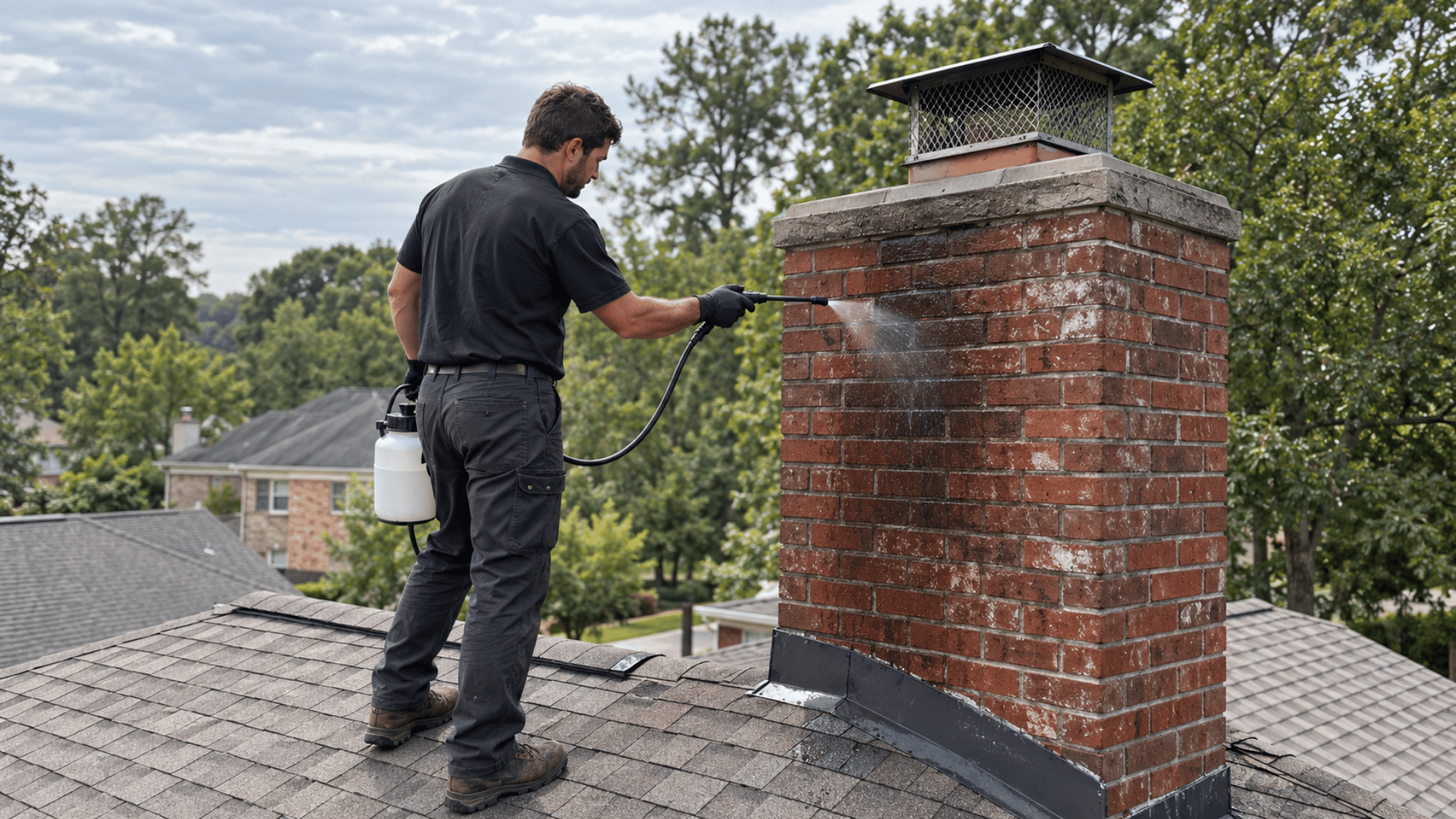
A properly installed cap protects against water damage, animal entry, and spark risk. Water is the main enemy of chimneys. It soaks into masonry, speeds up cracking, and can create staining indoors. It also mixes with soot and creates strong odors that drift into living spaces.
Do you have a gas fireplace insert or gas logs? You still benefit from keeping water out and wildlife out. The venting system still needs to stay open and clear. If you want the full system checked, a fireplace safety inspection can help confirm safe venting and condition.
The right cap depends on your chimney type, flue size, and how exposed the roofline is. Not all chimneys are built the same, and caps are not one size fits all. Some homes have a single clay flue tile. Others have multiple flues. Many newer homes have a factory-built chase that needs a chase cover and a cap style opening.
A flue tile cap is used when the flue tile sticks up above the crown. A tile cap mounts directly to the clay tile and covers just that flue opening. This is common on masonry chimneys with a visible flue tile.
This style needs accurate measuring. If the clamp is too tight, tile can crack. If it is too loose, wind can lift it. We check the condition of the tile and crown before fastening anything, and we may recommend chimney crown repair if the top surface is not in good shape.
Need Help? Call Us For Air Duct Services!
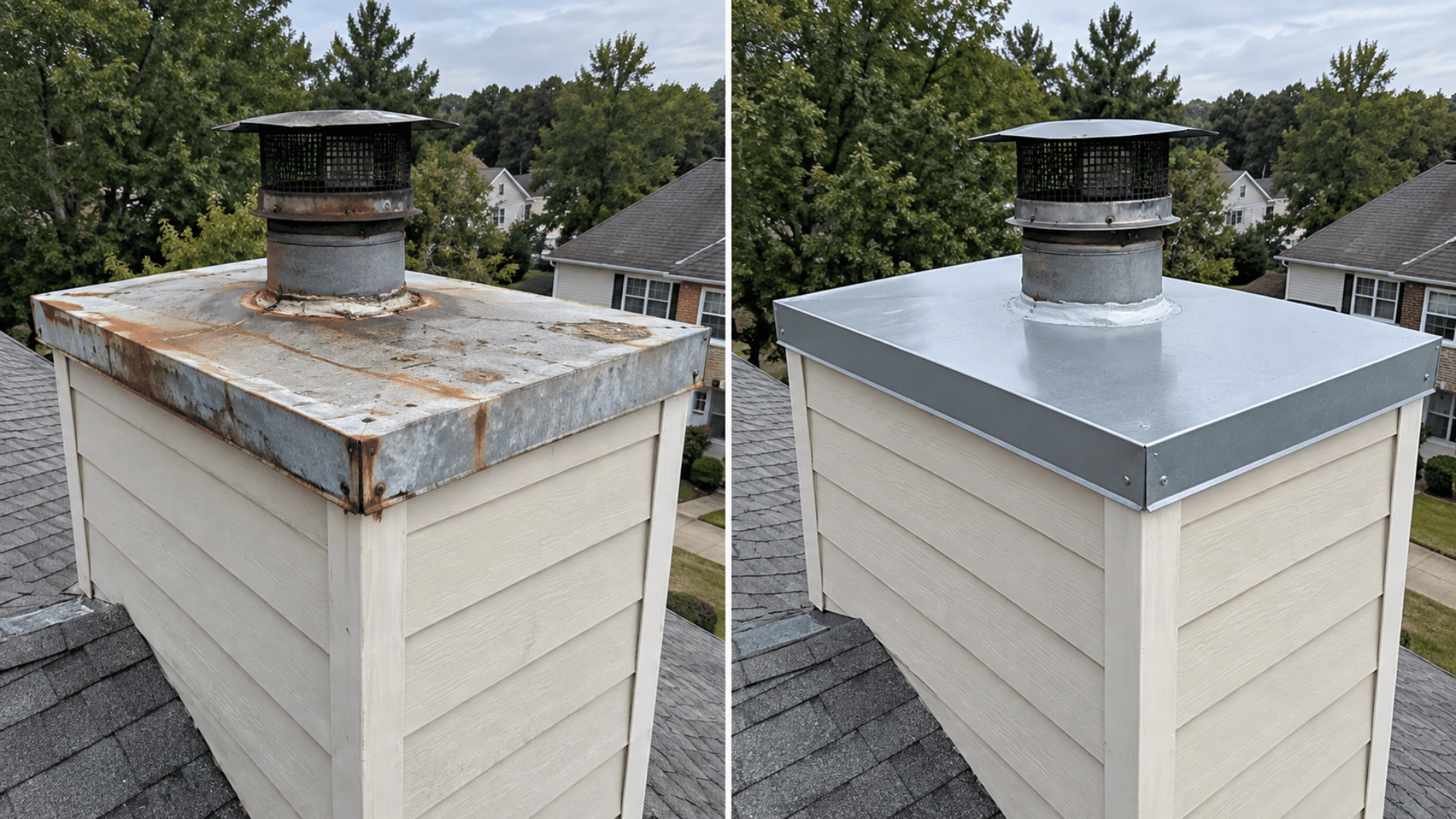
A chase cover cap setup is used when the chimney has a wood-framed chase. A chase cover is a metal lid that covers the top of the entire chase. It usually includes a collar where the flue pipe exits. The cap may connect at the pipe termination.
These covers matter in rainy climates. Water can find gaps fast, then rot can start inside the chase. If you have seen staining on a bedroom ceiling near the chimney wall, the top cover is worth a close look. If water entry is suspected, chimney leaks and chimney flashing repair and replacement can also be part of the solution.
A multi-flue cap helps when you have more than one flue on a masonry chimney. Some Atlanta homes have separate flues for a fireplace and a furnace or water heater. A multi-flue cap can cover the whole top area, while allowing each flue to vent.
This can reduce water entry across the entire chimney crown area. It can also simplify upkeep since debris is kept off the top masonry surface. If the masonry at the top is worn, chimney repointing or chimney brick repair may be recommended before or alongside cap mounting.
Our installation visit focuses on safe access, correct sizing, and secure mounting. Chimney tops are not the place for guesswork. The job starts with getting eyes on the chimney and understanding what you have. Then we match the cap style to the structure and venting needs.
We also look for common issues near the top that homeowners cannot see from the ground. If we spot cracks in the crown, missing mortar, or loose brick at the top courses, we will point it out so you can plan next steps. If buildup is present, chimney sweep and creosote removal may be advised to keep draft and airflow consistent.
We install caps that match real-world Atlanta conditions like heavy rain, debris, and animals. Atlanta, Georgia gets steady rainfall, thick tree cover in many neighborhoods, and plenty of curious wildlife. A cap has to deal with all three.
And yes, squirrels are impressive. They can climb things you would not expect. If your cap is loose, they will test it like a door handle. If you want an added layer of verification for airflow and blockages, camera inspection can help document what is happening inside the flue.
A small cap comparison helps you see what you are paying for in performance, not hype. Different cap styles solve different problems. Here is a simple view of how they compare.
| Cap type | Best for | Key benefit | Watch-outs |
|---|---|---|---|
| Single-flue tile cap | Masonry chimney with clay tile flue | Direct rain and animal block at flue | Must be sized and clamped correctly |
| Multi-flue cap | Multiple flues on one chimney | Covers a larger top area | Needs solid mounting points and correct clearances |
| Chase cover plus cap | Prefab chimney chase | Blocks water entry into chase | Poorly fitted covers can leak at seams |
If you are not sure what you have, that is normal. Most homeowners only see the fireplace opening, not the termination. If a cap is missing or damaged, chimney cap replacement may be the right next step.
Chimney cap installation time depends on roof access, chimney height, and the condition of the top. Many installs can be completed in a single visit. The variables are usually about access and what we find at the top.
We will walk you through what we see. If the top structure is not stable enough to mount a cap, the safest choice is to address that first with services like chimney repair or masonry repair.
Safety comes first because roof work and chimney tops can turn risky fast. Chimney cap work happens at the highest point of the home, often on sloped surfaces. That alone is reason enough to be cautious.
If an animal is in the chimney, please do not light a fire to smoke it out. That can go wrong in a hurry. It is also a good way to make your house smell like regret for a week. For general fireplace safety background, see Chimney.
You can prepare for the appointment by clearing access and sharing a few details. A little prep helps the visit go smoother, and it helps us move faster once we arrive.
If you have photos of the chimney top from the ground, feel free to share them. They can help us plan what to bring, even if the photo is a bit grainy. If the home has duct or indoor air concerns tied to moisture, air duct testing can be a useful next step after the chimney top is secured.
After installation, basic care is mostly about watching for storms and keeping the flue clear. A cap does not need daily attention, which is the point. Still, it is smart to keep an eye out after major weather events.
If you burn wood, remember that caps can collect soot over time. Keeping the chimney system clean helps keep airflow steady. If you use the fireplace often, regular maintenance is a good habit, including chimney flue cleaning.
Chimney caps also support cleaner indoor air by reducing odors and moisture entry. As an air duct cleaning service, we pay attention to how moisture and odors move through a home. A wet, sooty chimney can push smells into living spaces, especially during humid months in Atlanta.
If you have ever walked into a room and thought, Why does it smell like an old campfire in here, the chimney top is a smart place to check. For broader home air quality upkeep, air duct cleaning can also support fresher indoor air once moisture sources are controlled.
Atlanta homes see specific chimney challenges from trees, storms, and mixed fuel appliances. Many neighborhoods around Atlanta have mature trees, and that creates a steady supply of leaves, twigs, and seed pods. Those end up on roofs and around chimney tops. A cap helps keep that stuff out of the flue where it can block draft.
Storm patterns in GA also matter. Sudden heavy rain can dump a lot of water quickly. If the flue is open at the top, that water runs straight down into the smoke shelf and firebox area. If water has already started affecting the structure, chimney waterproofing may help reduce ongoing moisture absorption.
Another local scenario is shared venting in older setups. Some homes have multiple flues for fireplaces and other appliances. Keeping each opening protected helps reduce unwanted entry points for water and animals. If you have gas appliances tied into the system, a gas chimney inspection can help confirm safe venting.
Have you had a sudden downdraft when the weather shifts? That can happen when wind hits the roofline just right. A properly selected cap can help reduce that annoying cold air waterfall feeling near the fireplace. For more on airflow and draft behavior, see Stack effect.
Homeowners choose us because we communicate clearly and focus on the details that prevent repeat problems. You should know what we are doing on your home and why it matters. We keep the process simple, explain what we find, and install caps that fit correctly and stay put.
If we see related issues at the top, we will point them out. That way you can plan repairs before small problems turn into big ones, such as chimney rebuilding in severe cases.
Chimney Cap Installation in Atlanta is easy to schedule when you reach out with a few quick details. Chimney Cap Installation in Atlanta starts with a look at your chimney type, the flue opening, and the condition of the top. Clean Air Duct Cleaning & Chimney handles chimney cap installation and installs caps that help block rain, animals, and debris for Atlanta, Georgia homes.
Ready to stop the drips, smells, and surprise squirrel visits? Call (470) 706-6431 or use our contact page to schedule chimney cap installation in Atlanta.
A chimney cap is a cover placed at the top of a chimney to help reduce rain entry, limit debris, and discourage animals from getting inside while allowing smoke and gases to vent.
Your home airflow drops when dust builds up in ducts because that dust acts like…
A clean chimney lets smoke move out of your home, not back into your face.…
Your air ducts may need cleaning before a seasonal change if you notice more dust,…
Creosote forms when wood smoke cools inside your chimney and turns into a sticky, dark…
Lint buildup in a dryer vent raises fire risk because it blocks airflow. When hot…
An annual chimney inspection helps you catch hidden trouble before it grows. A pro can…