Why Your Home Airflow Drops When Dust Builds Up in Ducts
Your home airflow drops when dust builds up in ducts because that dust acts like…
Need a Chimney Sweep In Atlanta? Clean Air Duct Cleaning & Chimney provides chimney cleaning, inspections, and repairs. Book fast, friendly service today

Chimney sweeping clears soot, creosote, and blockages from your fireplace and chimney so your system vents smoke the right way. For Chimney Sweep in Atlanta, Clean Air Duct Cleaning & Chimney handles cleaning, visual checks, and practical next step advice for safe fires and cleaner air. Call (470) 706-6431.
A chimney sweep visit is about safety, airflow, and less mess in your home. A working fireplace should be cozy, not smoky. Chimney sweeping removes the buildup that can restrict draft and feed chimney fires. It also clears out debris that can fall into the firebox and leave you with odors, stains, and frustrating smoke roll back.
At Clean Air Duct Cleaning & Chimney, we treat chimney work like indoor air work. We look at where air should go, where it is getting stuck, and what is causing the system to act up. If something looks off, we tell you in plain language and talk through your options.
Need Help? Call Clean Air Duct Cleaning & Chimney Near You
Do you want your fireplace for atmosphere, real heat, or both? Your answer changes how often you should use it and how closely you should watch it. If you are seeing repeat smoke behavior, pairing a sweep with a chimney inspection can help clarify what is going on.

You may need service if smoke, odor, or poor draft keeps showing up. Smoke problems rarely fix themselves. If you are getting smoke in the room, something is blocking or weakening the draft. If you smell a sharp, campfire like odor when the fireplace is not running, creosote may be lingering in the flue.
If any of these are happening, a chimney sweep can restore proper venting and cut down on residue that keeps feeding the problem. If the odor and staining keep returning after storms, we may also recommend reviewing chimney leaks during the visit.
Creosote buildup is the most common reason chimneys need sweeping. Creosote forms when smoke cools and sticks to the flue walls. Wood that is not fully seasoned makes the problem worse because it smolders and creates more sticky residue. Low, slow fires can also raise creosote levels because the flue stays cooler.
Atlanta weather can add its own twist. Humid days can make old soot smell stronger, and sudden cold snaps can make fireplaces run before the flue is warmed up.
Our visit follows a clean, step by step process to limit dust and surprises. A proper service call should feel organized, not chaotic. We focus on protecting your home, clearing the flue, and spotting safety issues you should not ignore. When heavy buildup is present, we may discuss creosote removal as part of the plan.
We also try to keep the soot souvenir count at zero. Nobody wants black dust as a living room upgrade.
We keep the work area controlled so soot stays where it belongs. A chimney is basically a vertical soot container, so containment matters. We use practical barriers and careful tool choices to keep dust from drifting through your home.
We check the parts that often cause smoke and odor problems. Draft issues often come from a few repeat offenders. We pay attention to the damper, smoke chamber area you can see from below, and the general condition of the flue surfaces that are visible. If a cap looks blocked or damaged from what we can observe, we will tell you what that could mean for performance and whether chimney cap replacement may be worth considering.
Our chimney work covers cleaning, inspections, and repair guidance. A single appointment can solve a simple soot problem, or it can reveal a bigger issue that needs repair planning. We focus on the work that supports safe venting and cleaner air inside the home, including chimney flue cleaning when needed.
Need Help? Call Us For Air Duct Services!
Chimney cleaning removes soot and creosote that can restrict draft. Cleaning targets the flue, smoke shelf, and firebox debris. Removing buildup helps your fireplace draft better and reduces lingering odors. It also reduces the fuel source that can feed a chimney fire.
If you burn wood often, regular cleaning matters. If you burn rarely, birds and debris can still create blockages, so it is not only about wood use. If scratching or nesting is part of the issue, we can discuss animal removal and prevention steps.
Chimney inspections catch obvious safety concerns before they grow. An inspection is your early warning system. We look for visible signs of damage, heavy creosote, and conditions that suggest airflow problems. We also pay attention to moisture clues because water and masonry do not get along. For a closer look at hidden areas, we may recommend a camera inspection.
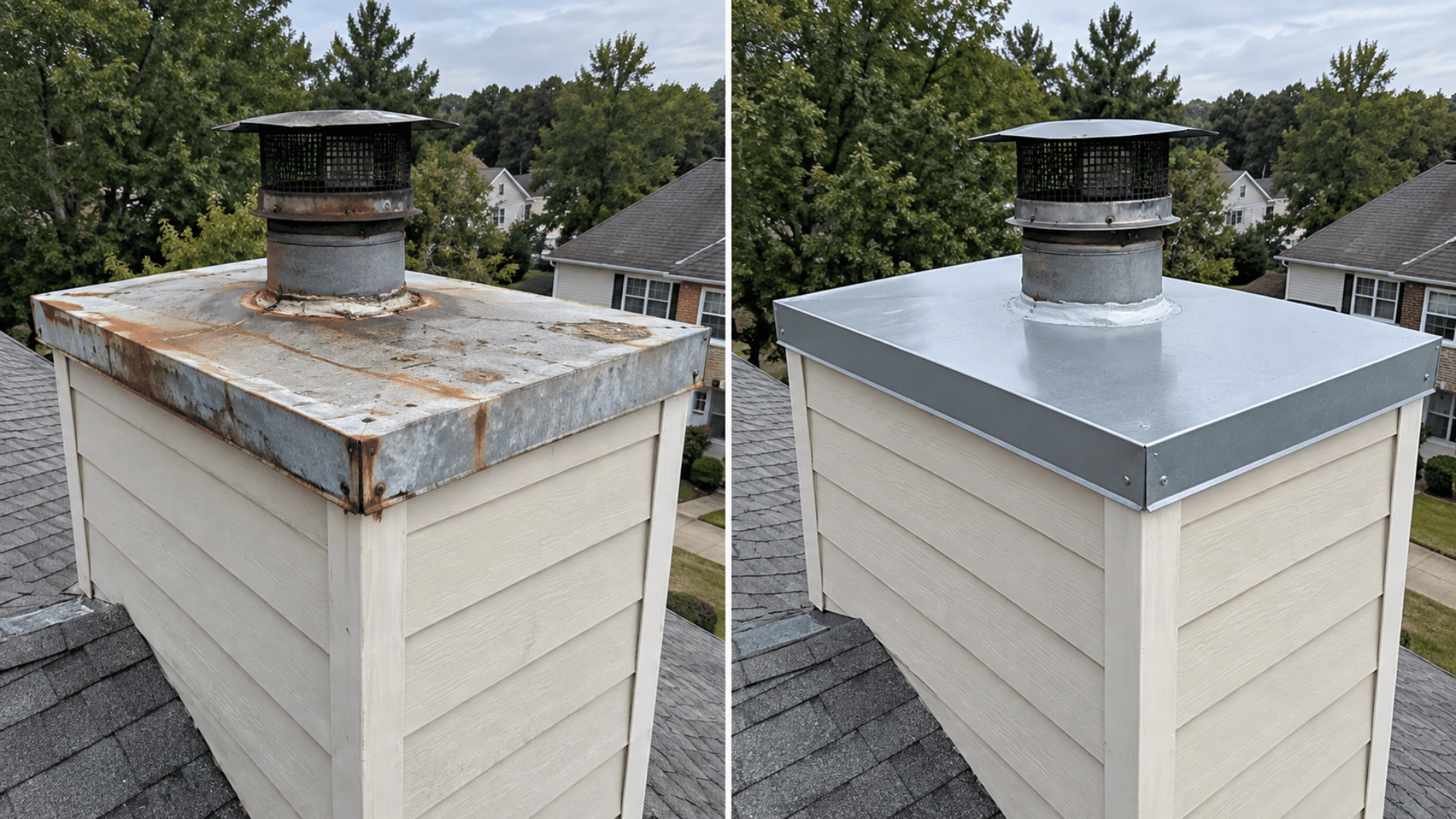
Chimney repair needs show up when parts are worn, cracked, or leaking. Some issues cannot be solved with sweeping alone. A damaged crown, missing cap, broken damper parts, or failing flue surfaces can keep causing smoke and odor. If we see repair needs, we explain what the issue is, why it matters, and what a reasonable plan looks like, whether that is chimney crown repair or another targeted fix.
We keep it practical. If something is cosmetic and not affecting function, we will say that too.
Different fireplaces and vents need different handling. Not every chimney is attached to the same setup. A wood burning fireplace behaves differently than a gas unit, and each has its own maintenance needs. If you are unsure which venting path you have, a fireplace safety inspection can help set a clear baseline.
If you are not sure what you have, you are not alone. Many homeowners inherit a fireplace and only meet it when temperatures drop.
Timing is usually straightforward, but a few things can slow it down. Most chimney sweep appointments fit into a normal home service window. The exact time depends on buildup level, access, and what we find once we start working. If multiple systems are involved, we can also coordinate with dryer vent inspection work in a separate visit if that is part of your home safety plan.
If you need to get back to work or school pickup, tell us upfront. We will keep the flow efficient and communicate if conditions change.
Fireplace safety starts with draft, clear venting, and smart burning habits. A fireplace should not be used if it is acting unpredictable. If smoke is pouring into the room, stop and let the system cool. Repeated smoke events can leave residue in the home and create breathing irritation. For general fire safety guidance, you can review information from Ready.gov.
If you notice strong odor, visible soot falling, or a rumbling sound in the flue, stop using the fireplace and call for help. Chimney issues do not improve from hoping harder. If the problem repeats, scheduling a chimney inspection can help pinpoint the cause.
Carbon monoxide risk increases when venting is restricted. Poor draft can push combustion gases back into the home. If you ever feel dizzy, nauseated, or unusually tired during fireplace use, stop and get fresh air. Then have the system checked before you use it again. More background on carbon monoxide is available on Wikipedia.
Preparing for our arrival helps us work faster and keeps your home cleaner. A little prep goes a long way. You do not need to remodel the living room, but clearing the immediate area helps us protect your space and do the job without delays. If you are also working on overall indoor air quality, you may want to ask about air duct cleaning as a separate service.
If your fireplace has an insert, find any manuals you have. If you cannot find them, that is fine, but any info helps.
After service, small habits help your chimney stay cleaner longer. A clean chimney stays cleaner with better burning practices and regular checks. You will also notice problems earlier if you know what normal looks like for your fireplace.
If you use your fireplace a lot, store firewood off the ground and covered on top, with airflow on the sides. Wet wood smokes more, and that smoke becomes more creosote.
A simple burn checklist helps reduce soot buildup.
Yes, your fireplace likes good airflow. It is picky like that.
Atlanta homes face a mix of humidity, trees, and seasonal fireplace use. Atlanta, GA homes often sit near mature trees, and those trees can drop leaves and twigs that end up on the roof. Chimney caps help, but caps can clog or get bumped out of place. Animals also like warm, sheltered spaces, and chimneys can look like prime real estate. If caps are part of the problem, we can discuss custom chimney cap options and practical prevention.
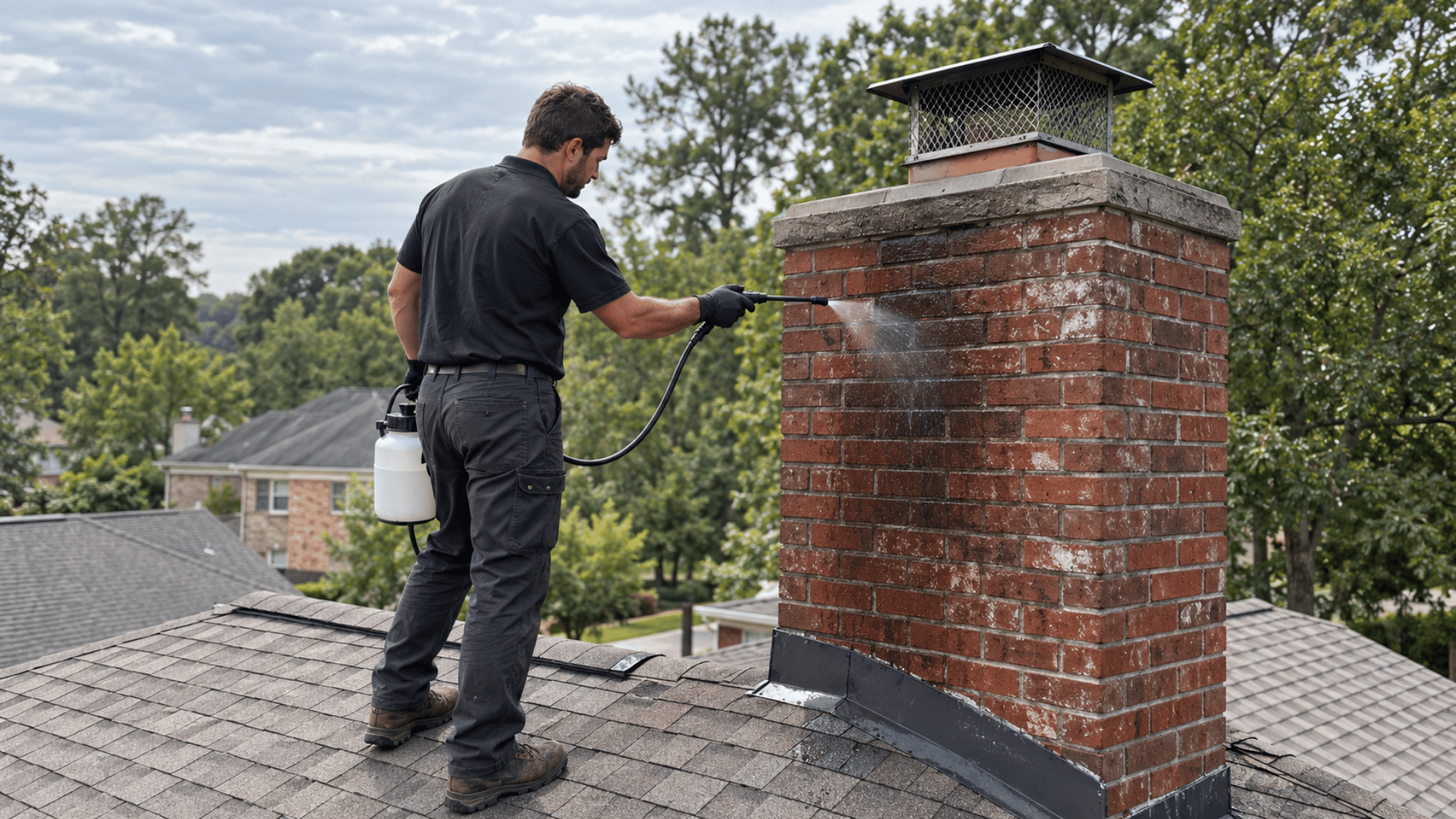
Humidity in Georgia can make old soot smell stronger, even when you are not using the fireplace. If you notice odor spikes after rain, it can point to moisture entry or lingering residue that needs attention, and that can connect with chimney waterproofing planning.
Seasonal use matters too. Many homeowners light the first fire on a cold night and then discover drafting issues right when guests are over. Scheduling service before the busy season helps you avoid that living room smoky moment.
Older masonry and shifting can affect draft and liner condition. Atlanta has plenty of older homes with masonry fireplaces. Over time, mortar joints can wear and surfaces can crack. Even small changes can affect how smoke moves. If you have had roof work, storm damage, or settling, it is smart to have the chimney looked at before you rely on it again, and we can outline whether masonry repair should be on the shortlist.
Homeowners choose Clean Air Duct Cleaning & Chimney because we focus on air movement and real world fixes. Chimneys and ducts share a common theme. Air needs a clear path. Blockages, buildup, and leaks make systems act strange. Our approach is to identify what is limiting airflow, remove what should not be there, and explain what should happen next. If your home also has airflow concerns beyond the fireplace, we can point you toward air duct testing as a separate diagnostic step.
Do you want a quick seasonal sweep, or are you trying to fix an ongoing smoke issue? Tell us what you are dealing with, and we will focus the visit around that goal. If a fix goes beyond sweeping, we can explain options like chimney relining when liner condition is part of the story.
This table helps connect symptoms to likely causes so you know what to mention when you call. For deeper investigation, the next step may include a chimney inspection.
| What you notice | What it often points to | What we often do next |
|---|---|---|
| Smoke entering the room | Restricted flue, cold flue, negative pressure, damper issue | Sweep, check damper area, discuss draft improvements |
| Smoky odor on warm days | Creosote residue, moisture interacting with soot | Clean, check for moisture entry clues |
| Soot falling into firebox | Heavy buildup or debris above smoke shelf | Sweep and remove loose debris |
| Animal sounds or nesting | Blocked cap or flue | Remove debris during cleaning and discuss prevention options |
If you need Chimney Sweep in Atlanta service that is straightforward and focused on safer fireplace use, Clean Air Duct Cleaning & Chimney is ready to help. We handle chimney sweep work for wood and gas venting systems, along with inspections and repair guidance based on what we see.
Call (470) 706-6431 to book your appointment, or use our contact page to schedule your chimney sweep service in Atlanta, GA.
Your home airflow drops when dust builds up in ducts because that dust acts like…
A clean chimney lets smoke move out of your home, not back into your face.…
Your air ducts may need cleaning before a seasonal change if you notice more dust,…
Creosote forms when wood smoke cools inside your chimney and turns into a sticky, dark…
Lint buildup in a dryer vent raises fire risk because it blocks airflow. When hot…
An annual chimney inspection helps you catch hidden trouble before it grows. A pro can…