1. Home
  2. »
  3. Fireplace Repair

Fireplace Repair in Atlanta, GA

Fireplace Repair In Atlanta from Clean Air Duct Cleaning and Chimney. Trusted inspections and repairs for safer fires. Book your service today in Atlanta

Table of Contents
Fireplace Repair In Atlanta by Clean Air Duct Cleaning
Fireplace Repair In Atlanta from Clean Air Duct Cleaning and Chimney. Trusted inspections and repairs for safer fires. Book your service today in Atlanta

Fireplace Repair

Fireplace repair keeps your fires safer, cleaner, and easier to enjoy in Atlanta homes. Fireplace Repair In Atlanta covers fixing damaged fireboxes, smoke chamber problems, draft issues, leaking chimneys, and worn parts that make a fireplace unreliable.

Clean Air Duct Cleaning & Chimney checks the full system, explains what is failing, and completes practical repairs that help your fireplace vent correctly and burn more cleanly.

Fireplace repair fixes the parts that control smoke, heat, and safe venting. Fireplaces are simple to use, but they are not simple systems. A working fireplace needs a sound firebox, a clear flue, a tight damper, and a chimney structure that is not letting water or smoke escape into the home.

Clean Air Duct Cleaning & Chimney focuses on repairs that help your fireplace perform the way it should. That includes solving smoke smell issues, poor draft, and visible damage that can get worse each season.

Need Help? Call Clean Air Duct Cleaning & Chimney Near You

Fireplace repair may include work in areas like

Do you use your fireplace often, or only during cold snaps? Either way, small problems can turn into big messes if you wait.

Signs You May Need Fireplace Repair

Needing repair often shows up as smoke problems, odors, or visible cracks. Most homeowners call for repair after something feels off. That instinct is worth listening to. A fireplace should draw smoke up and out, not back into the room. If you are unsure, start with a fireplace safety inspection so you know what is going on before the next burn.

Look for these common signs

  1. Smoke rolls into the room when the fire starts or dies down.
  2. A strong smoky odor shows up even when the fireplace is off.
  3. You see cracks, gaps, or missing mortar in the firebox.
  4. Rust appears on the damper, doors, or metal components.
  5. Water stains show up on the wall or ceiling near the chimney.
  6. White staining on exterior masonry efflorescence keeps coming back.
  7. The damper will not open, will not close, or feels loose.
  8. The fire burns weak, struggles to stay lit, or produces extra smoke.

If you have to crack a window every time you burn a fire, your fireplace is telling you something. It should not need extra breathing room to work right. When draft and airflow are the issue, a chimney inspection can help pinpoint the cause.

Common Causes of Fireplace Damage

Damage often starts with moisture, heat cycling, and normal wear. Fireplaces take a beating. They deal with high heat, cooling, and outdoor weather in the same structure. Over time, materials expand and contract, and water finds paths through tiny openings. Moisture problems often connect with chimney leaks, so stopping water early helps prevent larger repairs.

Common causes we see in Atlanta, Georgia include

  • Water intrusion Rain and humidity can work into masonry, crowns, flashing joints, and chases.
  • Aging mortar Mortar joints weaken and crumble from weather and repeated heating.
  • Creosote buildup Heavy deposits can affect draft and create strong odors.
  • Improper burning habits Wet wood, smoldering fires, or trash burning can increase soot and residue.
  • Chimney cap problems Missing or damaged caps let rain and animals inside.
  • Damper wear Dampers corrode, warp, or loosen and stop sealing like they should.

If your fireplace looks fine but acts weird, you might be dealing with a hidden draft issue or a flue problem. Those do not always show up as obvious cracks. In many cases, a camera inspection helps confirm what is happening inside areas you cannot see from the room.

Moisture and airflow problems can overlap

Water entry can lead to rust and odor issues, and airflow changes in the home can make smoke behave differently. Looking at the full system matters.

What to Expect During a Fireplace Repair Visit

Our visit starts by checking draft, structure, and the areas most likely to fail. A good repair starts with good information. We take time to understand what you are seeing and smelling, then inspect the fireplace and chimney system to pinpoint the cause. Many visits start alongside a chimney sweep when buildup is part of the issue.

Here is what a typical service visit looks like

  1. Talk through the problem We ask what you notice and when it happens.
  2. Inspect the firebox and damper area We look for cracks, gaps, and warping.
  3. Check the smoke chamber and flue path We look for blockage, heavy buildup, or damaged surfaces.
  4. Look for water entry points We check the crown, flashing, cap, and exterior signs.
  5. Explain what matters first We separate needs attention from can wait.
  6. Plan the repair steps We tell you what we can do now and what may need a follow up visit.

If we see a condition that makes using the fireplace unsafe, we will tell you clearly. Nobody wants a cozy evening that turns into an indoor campfire story you did not ask for.

Clear priorities help you decide what to do first

We explain what is failing, what it affects, and how repairs tie back to safer venting and cleaner burning. If you want background on our approach, you can also review About Us.

Draft testing

Draft testing focuses on why smoke goes the wrong direction. Draft problems can come from blockage, damper issues, flue sizing concerns, or pressure changes in the home. We look for practical causes first, including obvious restrictions and damper function. When draft and flue concerns show up, chimney flue repair may be part of the solution.

Draft can also be affected by

  • Bathroom fans, range hoods, and dryers pulling air out
  • Tight homes with limited makeup air
  • Cold flues that need proper warm up technique
  • Wind patterns around the roofline

We will share simple operating tips that fit your setup, along with repair recommendations if the issue is structural.

Moisture checks

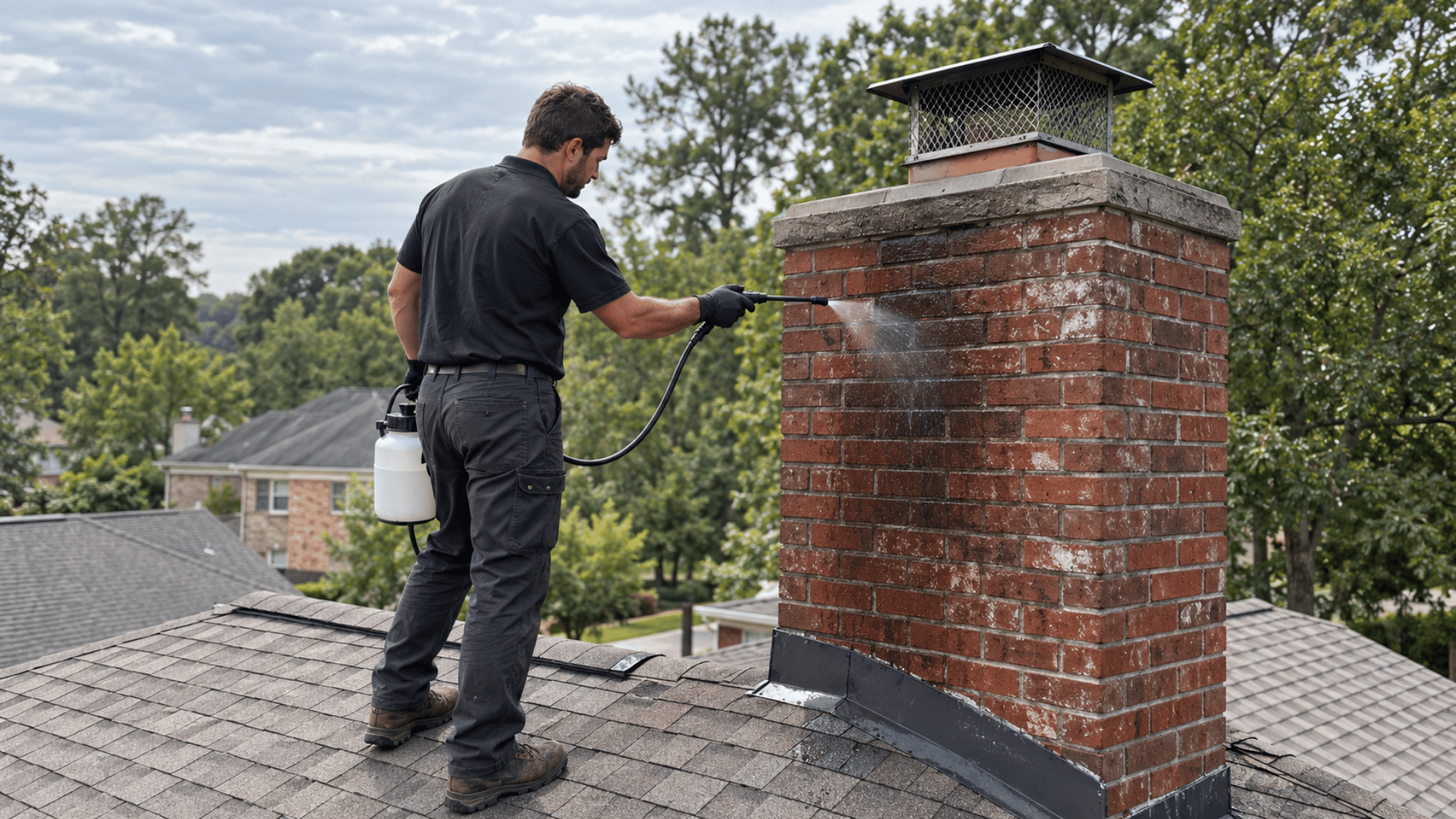
Moisture checks focus on stopping stains, rust, and long term masonry damage. Water is one of the biggest reasons fireplaces fail early. A leak may start small, then expand cracks, rust metal parts, and stain interior finishes. If water entry is confirmed, chimney waterproofing can help limit future damage after repairs are completed.

We commonly inspect

  • Chimney crown condition and slope
  • Flashing joints and seal points
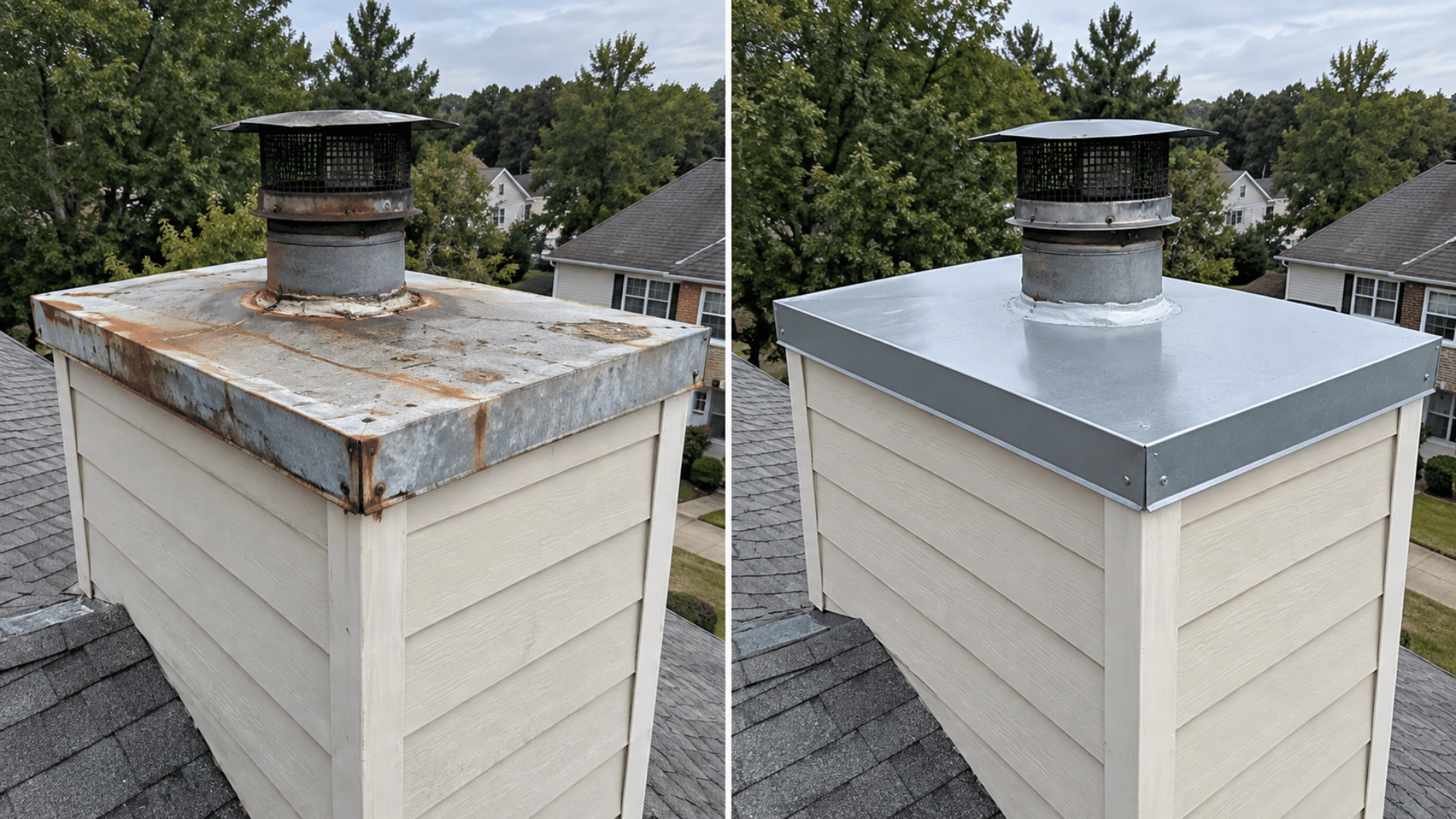
  • Caps, chase covers, and storm collars
  • Brick faces and mortar joints for soft spots

If you have a musty smell near the fireplace after rain, that is worth a closer look.

Need Help? Call Us For Air Duct Services!

Fireplace Repair Options

Fireplace repair options depend on what is damaged and where it sits. There is no single fix that works for every fireplace. Some repairs are small and focused. Others involve multiple points where smoke or water is escaping. In some cases, coordinated work with chimney repair is the most practical way to resolve the root issue.

Common repair work we perform includes

  • Firebox repair Patching cracks, resetting loose panels, and restoring damaged mortar lines.
  • Refractory panel replacement Replacing broken or warped panels when patching is not enough.
  • Smoke chamber repair Smoothing and sealing rough or damaged surfaces that collect residue and disrupt draft.
  • Damper repair or replacement Restoring proper opening, closing, and sealing.
  • Crown repair Fixing cracks and worn edges that let water in.
  • Flashing repair Correcting leaks where the chimney meets the roof.
  • Chimney cap or chase cover replacement Keeping rain and animals out.
  • Gas fireplace and gas log troubleshooting Addressing ignition issues, burner problems, and ventilation concerns when applicable.

Not sure if your fireplace is wood burning or gas, or a mix of both? Many homeowners are surprised when they learn what is actually installed. We can help you identify the setup and what it needs, including when gas fireplace repair is appropriate.

Masonry repairs

Masonry repairs focus on restoring the surfaces that take direct heat. Fireboxes and smoke chambers must handle high temperatures. They need the right materials and solid joints. Small cracks can expand over time, especially if water is also getting in. When exterior masonry needs attention, masonry repair may be recommended along with fireplace work.

We focus on

  • Repairing failed mortar joints
  • Fixing separated bricks or firebrick movement
  • Restoring smooth transitions where smoke rises into the flue
  • Addressing gaps that can leak smoke into wall cavities

If you see crumbling mortar inside the firebox, stop using the fireplace until it is checked. Loose material can shift, and gaps can grow fast.

Component repairs

Component repairs focus on the parts you touch every time you burn a fire. Dampers, doors, and gas components get daily wear during the season. A damper that sticks or will not seal can cause odors and heat loss. For ignition and flame stability issues, pilot system repair may be part of the fix.

Common component complaints include

  • Damper handle feels loose
  • Metal parts show rust flakes
  • Glass doors do not close evenly
  • Gas ignition clicks but does not light
  • Pilot lights will not stay on

A quick adjustment might solve it, or it may be time to replace a worn part. Either way, you get a clear explanation.

Symptom to problem area reference

This simple table helps match symptoms to likely problem areas. Use this as a quick reference, not a final diagnosis. Many fireplaces have more than one issue at the same time. When smoke and odor issues involve buildup, creosote removal can be part of the plan.

What you noticeLikely problem areas to inspect
Smoke enters the roomDamper, flue path, blockage, smoke chamber condition, house pressure
Smoky odor with no fireDamper not sealing, creosote residue, moisture mixing with soot
Water stains near chimneyCrown cracks, flashing leaks, cap missing, chase cover issues
Rust on damper or doorsOngoing moisture, cap problems, high humidity in the flue
Cracks in firebox panelsHeat damage, aging refractory, moisture and freeze thaw cycles

If your symptom fits more than one row, that is normal. Fireplaces like teamwork, and problems do too.

Timing, Safety, and Preparation

Most repairs fit into one visit, but hidden damage can add steps. Time depends on access, the repair type, and what we find once we get a closer look. Some issues show up only after a thorough inspection. If inspection shows bigger structural issues, chimney rebuilding may be discussed as a longer term fix.

What can slow a project down

  1. Weather and roof access Rain can affect exterior work scheduling.
  2. Drying time for materials Certain masonry repairs need time to set before use.
  3. Multiple failure points A leak may involve the crown, flashing, and cap.
  4. Previous patchwork Old repairs can hide damage underneath.
  5. Restricted access Tight attics, high rooflines, or built ins around the fireplace.

We will keep the plan realistic and explain what needs to happen first. Would you rather fix the cause now, or keep chasing the same stain every time it rains?

When to stop using the fireplace

Stop using the fireplace if you notice active smoke leakage or falling debris. Some warning signs mean you should pause and call a professional before lighting another fire. A fireplace is supposed to contain heat and move smoke safely outdoors. If you suspect unsafe conditions, schedule a fireplace safety inspection before using it again.

Stop and schedule service if

  1. Smoke smells strong in nearby rooms or closets.
  2. Soot shows up around the fireplace opening or vents.
  3. You see chunks of tile, brick, or mortar in the firebox.
  4. The damper is stuck closed or partially blocked.
  5. You hear animals in the chimney or see nesting material.
  6. Water is dripping into the firebox after rain.

If you suspect a chimney fire happened at any point, do not use the fireplace again until it is inspected. Loud roaring, intense heat, and heavy sparks are not extra cozy. For general safety guidance, you can also reference the U.S. Consumer Product Safety Commission page on fire safety.

How to prepare for the visit

You can prepare in a few simple steps to help the visit go smoothly. A little prep makes inspections and repairs faster and safer for everyone. It also helps protect your flooring and furniture. If you also notice stale air or lingering odor in other rooms, it may be worth pairing your appointment with air duct cleaning.

Before we arrive, please

  1. Let the fireplace cool fully if it was used recently.
  2. Remove decor from the mantel and hearth area.
  3. Clear a walking path from the door to the fireplace.
  4. Keep pets in a separate room during the inspection.
  5. Share any past issues, leaks, or repairs you know about.
  6. Point out where you notice odors, staining, or smoke trouble.

If you have photos of stains after rain or smoke marks from a prior event, those can help. Your phone album can finally be useful for something besides food pics.

Clean Air Duct Cleaning & Chimney

After repair tips

After repairs, good habits help your fireplace stay cleaner and easier to use. Once the system is repaired, your daily use matters. Better burning habits reduce soot and help draft. For ongoing care, consider a seasonal plan that includes fireplace tune up support.

Practical tips that help most fireplaces

  1. Burn dry, seasoned firewood and avoid smoldering fires.
  2. Open the damper fully before lighting and keep it open until ashes are cold.
  3. Warm the flue briefly on cold days with a small kindling start.
  4. Keep ash at a safe, manageable level and remove it into a metal container.
  5. Watch for new stains, new odors, or changes in draft.
  6. Schedule periodic inspections, especially if you burn often.

If your fireplace is gas, do not tinker until it works. Gas components need careful handling and correct venting. If you have a gas unit, routine gas fireplace cleaning can also help performance.

Atlanta Focus and Why It Matters

Atlanta homes face specific chimney and fireplace stress from humidity, storms, and mixed construction styles. Atlanta, GA sees plenty of moisture through the year. Humid air can amplify soot smells, and heavy rain can expose small flashing or crown issues fast. Many neighborhoods also have a wide mix of fireplace types, from older masonry units to newer factory built systems with chases. If your exterior shows staining or soft joints, chimney repointing can be part of protecting the structure.

Local situations we often run into include

  • Chase covers that rust through Thin metal can fail and drip water into the structure.
  • Crown cracks after seasons of sun and rain Small openings grow and allow more water entry.
  • Draft complaints in tight homes Renovations and newer windows can change indoor air pressure.
  • Animal activity Birds and small animals can find chimneys appealing, especially without caps.

Georgia weather can switch from chilly nights to warmer afternoons. That swing can affect draft, especially at start up. If your fireplace smokes only on certain days, tell us what the weather was like. That clue can matter.

If you are comparing information about fireplace systems, this overview of chimneys can help you understand basic parts and airflow concepts.

Clean Air Duct Cleaning & Chimney Approach

Clean Air Duct Cleaning & Chimney focuses on safer airflow and cleaner indoor conditions. Fireplace issues often connect to airflow, odors, and residue that can drift through the home. Since our business is rooted in air quality work, we pay close attention to how the fireplace and chimney affect indoor air. If you are already addressing indoor air concerns, adding a UV air purifier may be a helpful next step for certain homes.

Homeowners call us because they want straight answers and practical repairs. We explain what is happening in plain language, show you what we see when possible, and keep the work area controlled and respectful of your home. If you want more background on our team, visit About Us.

You will also get help deciding what to do next if we find related concerns

  • Evidence of ongoing moisture entry
  • Venting problems that affect comfort indoors
  • Heavy residue that points to poor burning conditions
  • Components that no longer operate correctly

If you have been putting off the fireplace because it smells, smokes, or stains the wall, that is a fixable problem in many cases. You do not have to keep using scented candles to win the smell battle. If smoke and odor move through the home, sanitization and disinfection may be discussed after the source is corrected.

Fireplace Repair In Atlanta

Fireplace Repair In Atlanta starts with a clear plan and a careful inspection. If your fireplace is smoking, leaking, drafting poorly, or showing cracks, it is time to get it checked before the next burn. Fireplace Repair In Atlanta should address both the symptom you notice and the cause behind it, so the same problem does not keep coming back. If you need to confirm your system condition before repairs, schedule a chimney inspection.

Call (470) 706-6431 or visit the company homepage to schedule your service with Clean Air Duct Cleaning & Chimney.

Fireplace Repair In Atlanta Helps You Enjoy Your Fireplace Without the Stress

A fireplace should be a comfort, not a question mark. Fireplace Repair In Atlanta can restore safe venting, reduce smoke and odor issues, and stop water damage that keeps spreading. If something seems off, trust that instinct and get it looked at before you light the next fire. If you are also working to reduce lingering household odors, pairing fireplace work with air duct maintenance can support cleaner airflow.

Related Services

Call (470) 706-6431 to talk through what you are noticing and schedule service. You can also request an appointment through our Contact Us page.

Frequently Asked Questions (FAQs)

Fireplace repair can involve addressing damaged firebox components, worn seals, draft issues, minor masonry problems, and other conditions affecting safe operation. Clean Air Duct Cleaning & Chimney provides fireplace repair services.
Common signs include smoke backing into the room, unusual odors, visible cracks, loose bricks, damaged dampers, or difficulty starting and maintaining a fire. A qualified technician can help determine what repairs may be needed.
Visible deterioration can indicate underlying issues that may affect safety and performance. It’s generally best to stop using the fireplace and arrange a professional evaluation and repair through Clean Air Duct Cleaning & Chimney.
Some repairs can help improve airflow, such as fixing damper problems, sealing gaps, or addressing structural issues that affect venting. Results depend on the cause of the draft problem.
Fireplace repair focuses on the firebox and immediate fireplace structure, while chimney repair addresses the flue, liner, crown, cap, and exterior masonry. Some issues involve both areas and may be handled together.
Yes. Gas fireplaces can need service for ignition components, pilot assemblies, burners, controls, and venting-related parts. Clean Air Duct Cleaning & Chimney can help identify whether a repair is appropriate.
Dampers can stick or fail due to rust, soot buildup, mechanical wear, or misalignment. A technician can inspect the damper area and recommend repair or adjustment.
Inspection frequency depends on how often you use the fireplace and its condition. Many homeowners schedule periodic checkups to catch wear, damage, or venting concerns early.

Yes. Moisture can contribute to rust, staining, masonry deterioration, and odors. Repairs may involve correcting damaged components and addressing likely sources of water entry.

Stop using the fireplace if you suspect a problem, note any symptoms (smoke, odors, visible damage), and keep the area accessible for the technician. Clean Air Duct Cleaning & Chimney can guide you on next steps when you contact them.

Why Your Home Airflow Drops When Dust Builds Up in Ducts

Why Your Home Airflow Drops When Dust Builds Up in Ducts

Your home airflow drops when dust builds up in ducts because that dust acts like…

Why Regular Chimney Sweeping Helps Keep Your Fireplace Safe

Why Regular Chimney Sweeping Helps Keep Your Fireplace Safe

A clean chimney lets smoke move out of your home, not back into your face.…

Signs Your Air Ducts Need Cleaning Before the Seasons Change in Atlanta, GA

Signs Your Air Ducts Need Cleaning Before the Seasons Change in Atlanta, GA

Your air ducts may need cleaning before a seasonal change if you notice more dust,…

How Creosote Forms and Why It Needs Removal

How Creosote Forms and Why It Needs Removal

Creosote forms when wood smoke cools inside your chimney and turns into a sticky, dark…

Dryer Vent Lint Buildup and Fire Risk, What Every Atlanta Homeowner Should Know

Dryer Vent Lint Buildup and Fire Risk, What Every Atlanta Homeowner Should Know

Lint buildup in a dryer vent raises fire risk because it blocks airflow. When hot…

Why Annual Chimney Inspections Protect Your Fireplace and Home

Why Annual Chimney Inspections Protect Your Fireplace and Home

An annual chimney inspection helps you catch hidden trouble before it grows. A pro can…