 Skip to content


Have your chimney inspected at least once a year and swept when soot, creosote or debris makes cleaning necessary. For masonry fireplaces, around 1/8 inch of sooty deposits is a common cleaning threshold, and glazed creosote warrants earlier attention. If you burn wood regularly, you may need more than one cleaning during the season. The actual buildup matters more than a fixed schedule.
The right number depends on how often you burn, what wood you use, how well your chimney drafts, and whether you’re seeing buildup, odor, smoke or blockages. A sweep isn’t just about cleaning soot. It’s safety maintenance for a part of your home you usually can’t see.
Your Sweep Schedule at a Glance
| Use | Cleaning | Inspection |
|---|---|---|
| Occasional wood fires | Clean when deposits require it | At least annually |
| Frequent wood fires | Check deposits during the season | At least annually |
| Daily wood stove or insert | May need multiple cleanings | At least annually |
| Gas logs or gas fireplace | As needed for the system | Annual appropriate servicing |
| Unused fireplace | Evaluate before returning to use | Annual inspection recommended |
| After fire or damage | As needed after evaluation | Arrange an appropriate inspection before use |
Why Before Fall Is the Best Time
Most people start using the fireplace on the first cold weekend. Wait until then, and you may already be burning in a chimney with creosote, a nest, a cracked tile or a draft problem. A sweep before fall gives you time to clean, inspect and handle any repairs before you need the fireplace. It also keeps you out of the fall rush, when everyone calls the same week.
Heavy Use Means More Sweeps
If you burn wood daily or heat with your fireplace, once a year isn’t enough. Heavy use may require multiple cleanings during a season, depending on the deposits found during inspections. Someone who lights a few fires a winter is in a very different spot from someone burning every evening from October to March. The more wood you burn, the more residue sticks to the flue walls and hardens into creosote.
Why Creosote Is the Main Concern
Burning wood produces smoke, gases and combustible deposits. Over time that residue coats the inside of the chimney as creosote, and creosote burns. Let enough build up, and a hot fire can ignite it. That’s why sweeping is safety work, not cosmetic cleaning. A clean, suitable flue helps smoke vent as intended. A dirty or blocked one can push smoke, odor and gases back into the room. To see what each stage of buildup looks like, read what creosote buildup looks like.
Signs Your Chimney Needs Sweeping Now
Don’t wait for your yearly appointment if you notice any of these:
- Smoke backing up into the room
- A strong or unusual smell from the fireplace
- Black buildup in the firebox or flue
- Fires that are hard to light or keep burning
- Animal nests, sticks or debris falling into the firebox
- A fireplace that smells worse when it rains or gets humid
- No idea when the chimney was last cleaned
Smoke rolling into the room is the biggest red flag. Stop using the fireplace and book a chimney inspection.
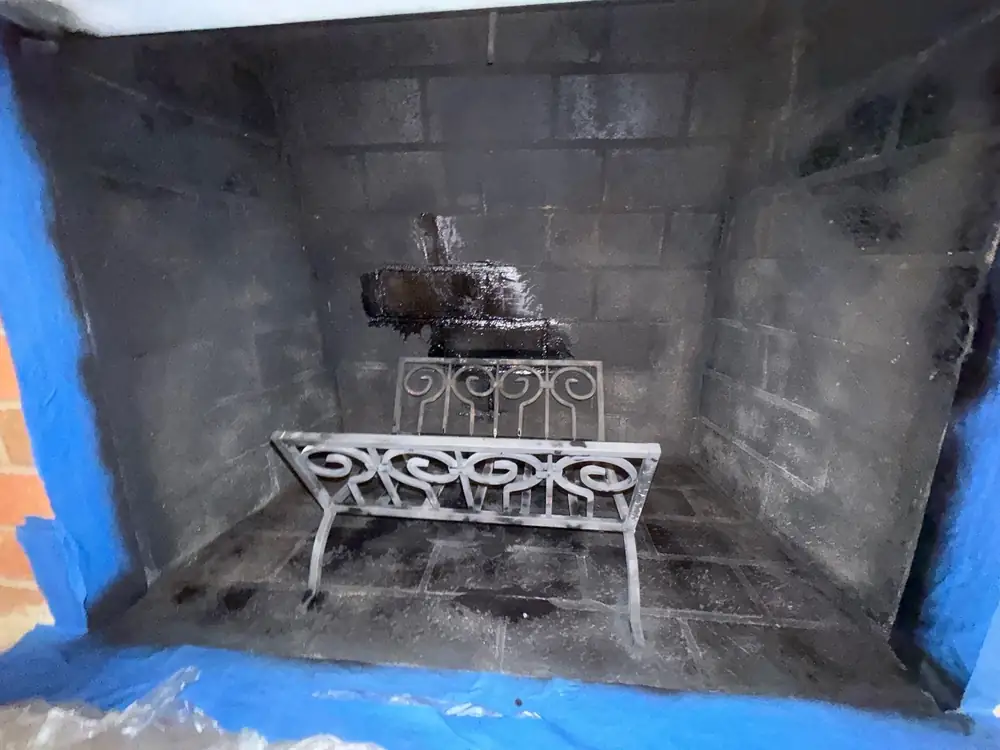
Why a Long-Unused Chimney Still Needs Attention
One job we see often: a homeowner who hasn’t had the chimney cleaned in years. A neglected flue can develop heavy deposits without the homeowner realizing it. The dangerous part was all inside, out of sight. That’s the problem with chimneys. You paint the walls and clean the floors, but you can’t see the inside of the flue. You don’t know when there’s creosote, a cracked tile, a damaged smoke chamber or a blockage until someone looks.
What Makes One Chimney Get Dirty Faster
- How often you burnDaily fires leave far more residue than occasional ones.
- Wet or unseasoned woodIt burns cooler and smokier, and builds creosote fast. Use wood that has dried for at least six months.
- The applianceWood stoves and inserts burn slower and cooler than open fireplaces, so their liners often clog faster.
- Poor draftWhen smoke moves slowly up the flue, more of it condenses on the walls.
- Age and conditionOlder chimneys with cracks, worn mortar or a missing cap trap more buildup and moisture.
What a Sweep Covers, and What It Won’t Fix
A sweep removes accessible soot and creosote from the relevant chimney components. The exact scope of any inspection, photography or additional cleaning depends on the service scheduled. For the full visit, step by step, see what a chimney sweep does.
Sweeping removes buildup. It won’t repair cracked flue tiles, damaged masonry, leaks, a missing cap, a broken damper or glazed creosote that needs special treatment. That’s why every sweep should come with an inspection. If something changes, like a new insert, a chimney fire or a home purchase, you’ll want a deeper camera inspection. See chimney inspection levels.
What You Should Notice After a Sweep
- Fires light faster and burn cleaner
- Less smoke smell when the fireplace is in use
- Better draft
- A cleaner firebox
- A clearer understanding of whether further inspection is needed
Put It on the Calendar
If you’re not sure whether your chimney needs sweeping, ask yourself: When was it last inspected?
How often do I burn? Is my wood dry? Do I smell anything, or see black buildup? Has the chimney sat unused for years? If you can’t answer, book an inspection before the next fire. Most Atlanta sweeps cost $199 to $399. See what a chimney sweep costs in Atlanta.
Frequently Asked Questions
You may not need a full sweep every year if there’s little buildup, but you should still have it inspected. Animals, moisture, cracks and blockages can happen even when the fireplace sits unused.
Creosote, soot, nests and debris build up inside. That restricts airflow, causes smoke and odor problems, and raises the risk of a chimney fire.
Spring or summer, or at least before fall. You’ll get the date you want, and the fireplace will be ready before cold weather.
Yes. Wet or unseasoned wood makes more smoke and residue, which speeds up creosote buildup.
You can clear ashes and keep the firebox clean. The flue, smoke chamber, damper and the roof top are a different job. They need the right brushes and a safe way onto the roof, and a trained eye to spot cracks and damage. That’s why most homeowners book a professional.
They rarely build up enough soot to need sweeping, but they still need a yearly check of the vent, logs and burner. Nests and debris can block a gas vent just as easily.
If you see smoke backing up, smell strong odors, notice poor draft or black buildup, find animal nests, or don’t know when it was last cleaned, book an inspection.


