Why Your Home Airflow Drops When Dust Builds Up in Ducts
Your home airflow drops when dust builds up in ducts because that dust acts like…
Masonry Repair In Atlanta for chimneys brick and mortar. Clean Air Duct Cleaning and Chimney delivers durable repairs plus clear estimates. Call today

Masonry Repair keeps brick and mortar strong, safe, and weather-ready on chimneys, fireplaces, and exterior walls. Clean Air Duct Cleaning & Chimney handles Masonry Repair in Atlanta with clear findings, smart repair options, and solid workmanship that fits Atlanta, GA conditions. If you see cracks, loose brick, or crumbling joints, we can help you plan the next step.
Need Help? Call Clean Air Duct Cleaning & Chimney Near You
Masonry repair fixes failing brick, mortar, and stone before damage spreads.
Masonry Repair is the process of restoring brickwork and mortar joints so the structure stays stable and sealed against water. On chimneys, that can mean repairing mortar joints, replacing damaged bricks, rebuilding small sections, or resetting loose components. On exterior walls, it can include tuckpointing, brick replacement, and correcting areas where moisture gets behind the surface.
Many problems start small and grow quietly. A hairline crack can become a leak path. A few soft mortar joints can lead to loose brick. If water keeps getting in, freeze and thaw cycles can push materials apart and create bigger gaps.
Do you have bricks that look wavy, shifted, or out of line. That is often a sign the masonry is moving and needs attention sooner rather than later.

Chimney repair and masonry work focus on keeping heat, smoke, and water where they belong.
Chimneys get hit from all sides. They face rain, sun, wind, and temperature swings, plus heat from fires and exhaust. That combination can wear down mortar joints and break brick faces. Masonry repairs on chimneys often solve water entry, prevent loose material from falling, and help the chimney vent safely.
If your chimney is used for a fireplace, furnace, or water heater venting, stable masonry matters even more. A chimney that is pulling apart, leaning, or shedding brick can create hazards outside and inside. If you are also scheduling a chimney inspection, masonry concerns can be evaluated along with venting safety.
A simple way to think about it is this. The chimney is a roof feature made from stacked masonry. If the stack is not tight and stable, water and movement will find the weak spots.
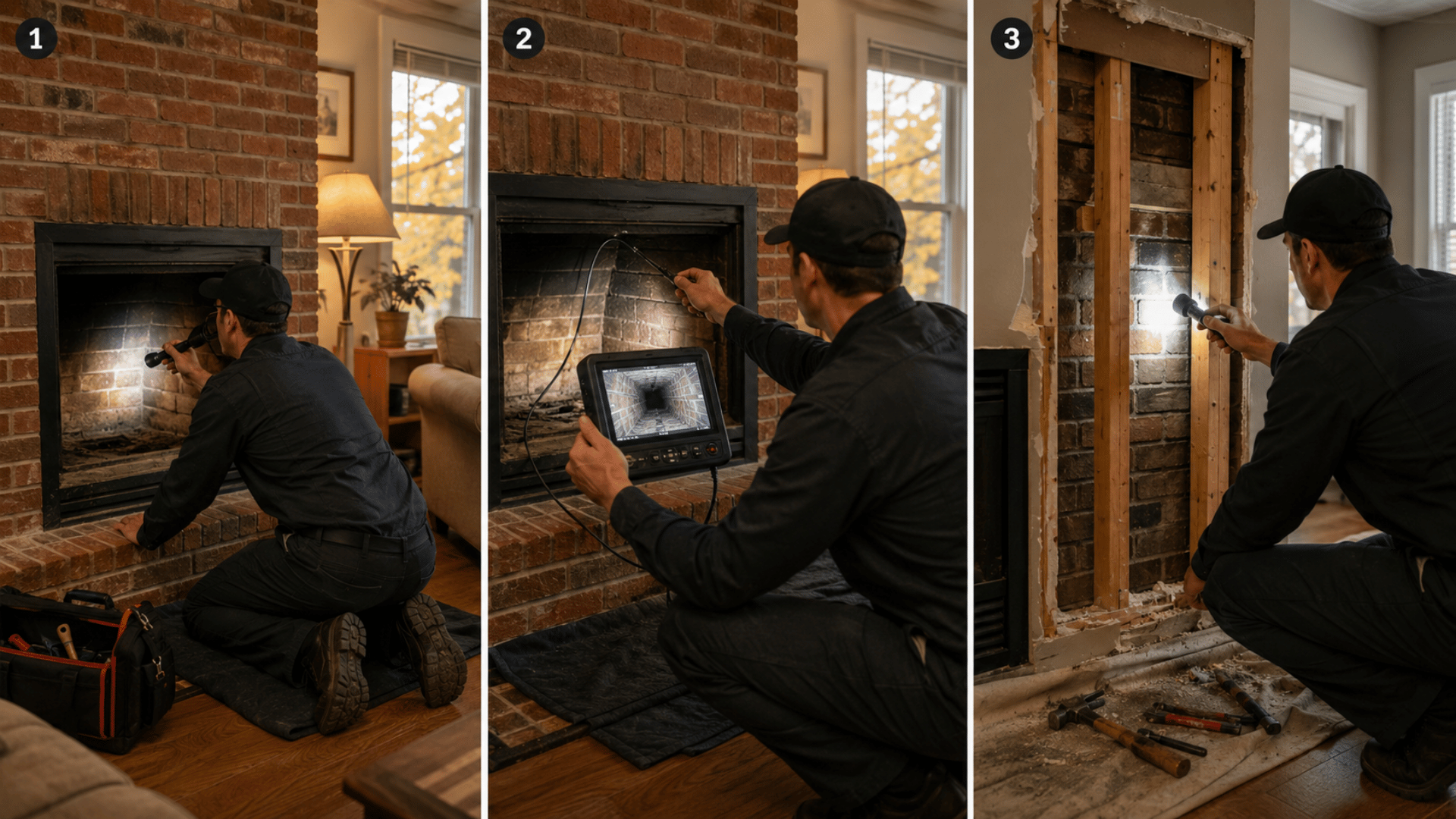
Signs you may need masonry repair include cracks, gaps, stains, and loose material. You do not need to be a mason to notice trouble. Most homeowners spot symptoms first, then ask what they mean. If you see any of the items below, it is smart to have the area checked. A camera inspection can also help document hard to see areas when access is limited.
If you are seeing water marks inside, do not ignore them. Water tends to travel and show up far from the real entry point. If staining is near the firebox area, consider pairing this with fireplace safety inspection planning.
Cracked mortar and spalling brick often point to moisture getting where it should not. Most masonry failures in Atlanta start with water. Once water enters gaps, it can soften mortar, rust metal supports, and weaken brick over time. Spalling, where the brick face pops off, is a common outcome after repeated wetting and drying, and in some cases freeze and thaw stress.
Mortar can also fail from age and movement. Homes settle. Rooflines shift a little. Vibrations and temperature changes keep the structure in motion. Good mortar joints absorb small movement. Worn joints crumble instead.
And sometimes the original mortar mix was not a good match. Mortar that is too hard or too soft for the brick can lead to faster wear. We look for those mismatch clues during inspection, alongside related leak clues like chimney leaks.
Atlanta, Georgia sees plenty of rain, humidity, and shade from heavy tree cover in many neighborhoods. Shade can keep masonry damp longer after storms. Damp masonry supports moss and algae growth, which can hold moisture at the surface.
Storms can also drive rain sideways at chimneys. If the chimney crown or flashing is failing, water gets a direct path into the brickwork. Over time, that can loosen mortar joints and create gaps that keep widening. If water entry is a repeat issue, chimney waterproofing may be part of a longer term plan after repairs.
If your home is surrounded by trees, check your chimney after heavy storms. Leaves and debris can clog areas where water should drain. A chimney is not a planter, even if it sometimes tries to become one.
A site visit starts with a close visual check and ends with a clear plan. Clean Air Duct Cleaning & Chimney begins by looking at the masonry from ground level, then move closer where safe access allows. We check mortar joints, brick condition, chimney crown, and the area where the chimney meets the roof. We also look for signs of past patching that may be failing. If it makes sense for the condition, we may recommend a chimney inspection to confirm scope.
You will get straightforward feedback on what we see and what it can lead to if left alone. If repairs are needed, we explain options that fit the condition and the location. Some areas need spot repair. Others need deeper work to stop the root cause.
Those answers help us connect the dots and avoid repeating the same failure. If smoke performance is part of the concern, chimney flue cleaning planning may also be discussed.
Need Help? Call Us For Air Duct Services!
We focus on repairs that stop water entry, restore strength, and match the existing look. Masonry repair should solve a real problem, not just cover it up. Our goal is to restore the masonry so it performs like it should in Atlanta, GA weather. That includes stable brickwork, tight mortar joints, and proper shedding of water at the top surfaces.
We aim for a clean finish that blends with your existing brick and mortar. Exact matching can be tricky across older brickwork, but careful mortar selection and joint tooling help it look consistent.
We also keep the job site controlled. Masonry dust and debris should not take over your yard, roof, or driveway. We keep work areas tidy and safe.
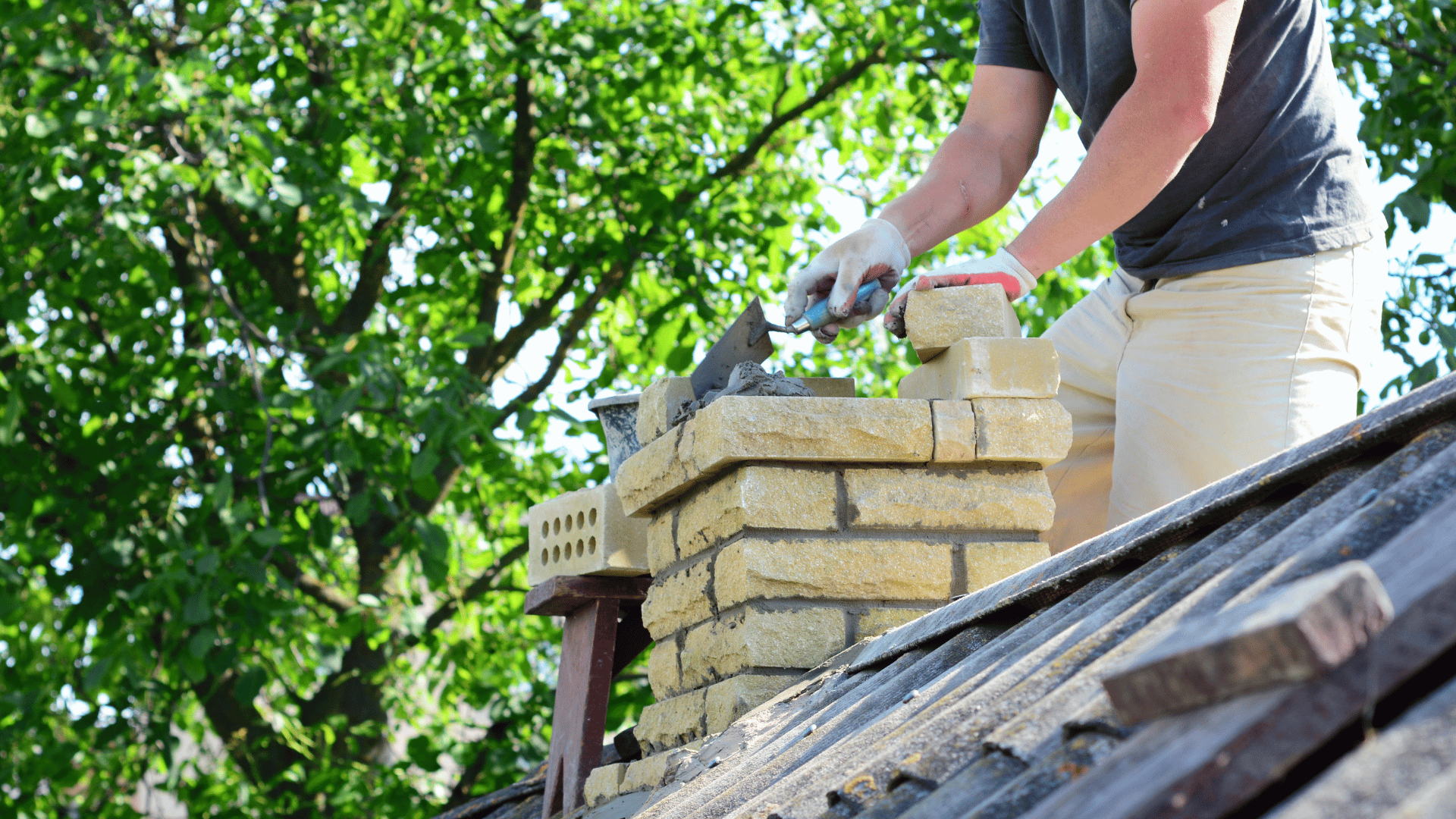
Tuckpointing restores mortar joints by removing weak mortar and packing in new mortar. Tuckpointing is a common fix when the bricks are in decent shape but the mortar joints are failing. We remove the damaged mortar to the right depth, clean the joints, and install new mortar that bonds properly.
Done right, tuckpointing improves strength and reduces water entry. It also improves how the brickwork looks, since joints become uniform again. This work is often coordinated with chimney repointing needs on older chimneys.
If someone offers to just smear mortar over the surface, be cautious. That is usually a short-term patch that cracks and falls out.
Brick replacement fixes localized damage without rebuilding the whole structure. Sometimes the mortar is fine, but a brick has cracked, spalled, or loosened. We can remove and replace individual bricks or small groups. The key is doing it without disturbing stable surrounding brickwork.
We select replacement bricks that fit the size and style as closely as practical. Then we set them correctly and tool the joints to match nearby work. If the damage is concentrated on chimney brick faces, chimney brick repair may be the best match for the scope.
Chimney crown repair helps protect the masonry below from direct soak-through. The chimney crown is the top surface that sheds water away from the flue area. When the crown cracks, water can enter from the very top and work its way down into the brick and mortar.
Crown repair can include sealing small cracks or rebuilding sections that are too far gone. The right fix depends on the size of the cracks, how the crown is shaped, and whether water has already been getting into the masonry below. For crown specific work, chimney crown repair can be part of the plan.
A good crown is like a good hat. It should keep water off your head, not hold it against you.
Rebuilding small sections is sometimes the safest way to fix unstable masonry. If brickwork is loose, bulging, or separating, spot repairs may not be enough. In those cases, rebuilding a portion of the chimney or wall can restore stability. We remove the failed section and rebuild it with proper bond, alignment, and mortar joints.
We will explain why a rebuild is recommended if we see those signs. Our goal is to fix the underlying issue, not keep redoing the same patch. For larger scope structural work, chimney rebuilding may be the right direction.
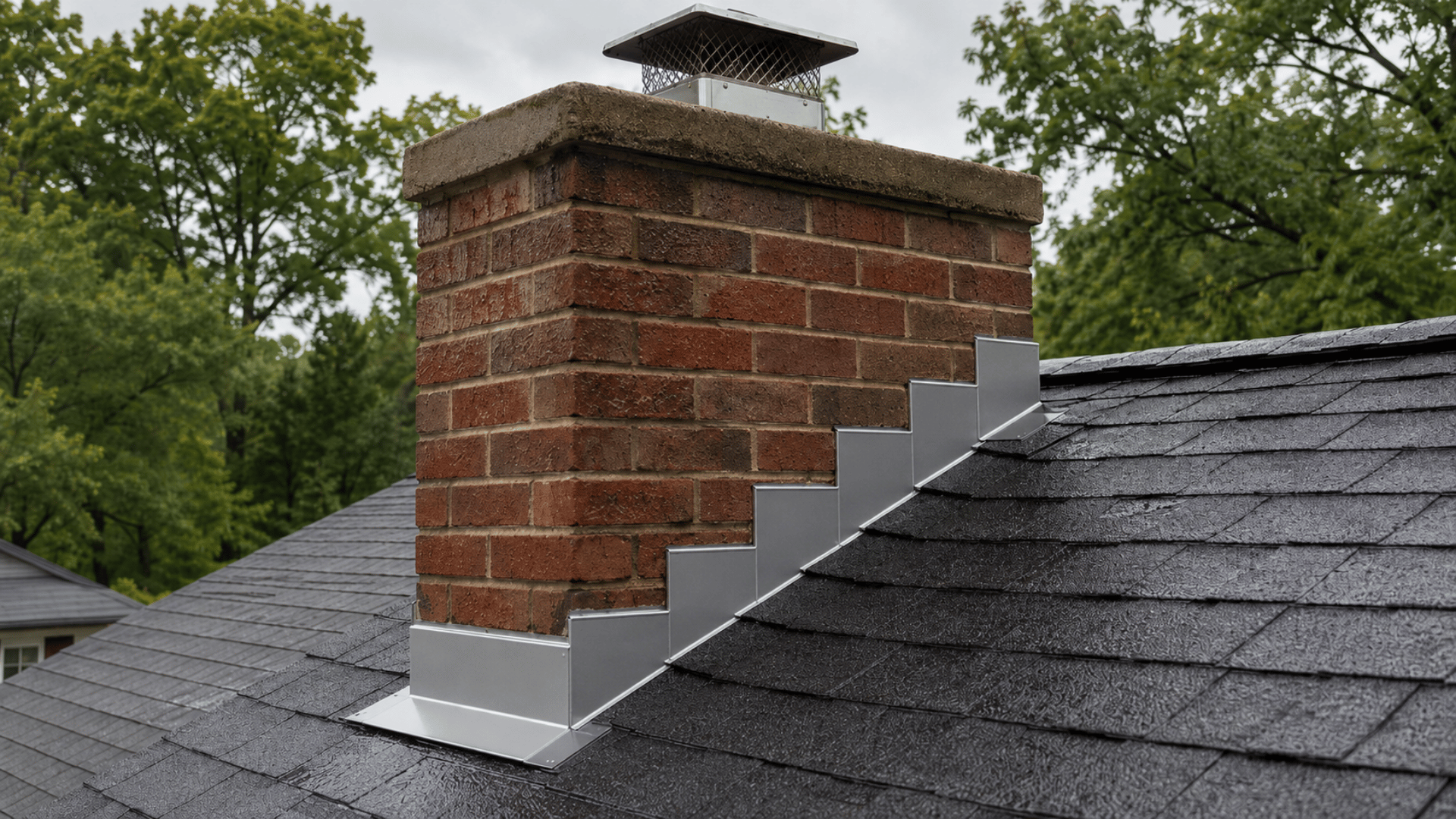
Flashing and nearby transitions matter because masonry issues often start at the roofline. Many masonry leaks are really roofline transition problems. The chimney meets shingles, underlayment, step flashing, and counter flashing. If that system fails, water can get behind the brick and cause staining, interior leaks, and mortar deterioration.
We check the chimney perimeter for gaps, lifted edges, rust, or failing seal points. If flashing problems are part of the issue, we will tell you. A chimney can have great brickwork and still leak if the transition area is failing. When roofline transition repair is needed, chimney flashing repair and replacement can stop water from getting behind the masonry.
If you have water stains near the fireplace or on the ceiling by the chimney, ask yourself this question. Did the stain appear after a storm with wind. Wind-driven rain often exposes flashing trouble.
Here is a quick guide to common masonry problems and typical repair approaches. This table is a simple starting point. The real fix depends on what we find during inspection, and may be coordinated with chimney repair where needed.
| What you see | What it may mean | Common repair direction |
|---|---|---|
| Mortar missing or powdery | Joint failure from age and moisture | Tuckpointing or joint repair |
| Brick face flaking | Brick damage from moisture | Brick replacement and moisture control |
| Stair-step cracking in joints | Movement or settlement | Targeted joint repair and evaluation |
| White staining on brick | Moisture passing through masonry | Repair joints and limit water entry |
| Loose bricks near top | Water intrusion from crown area | Crown repair and localized rebuild |
If you want, take a few photos before we arrive. It helps track changes over time.
Project time depends on access, the repair type, and how much material needs to cure. Many repairs can be completed in a day or two once access is set up. More involved tuckpointing or rebuild work can take longer, especially if multiple sides of a chimney need attention. If scheduling is tight, we can also discuss any related work you are planning such as chimney sweep timing.
We plan work around safe conditions. Rushing masonry usually leads to messy joints and weaker results.
Safety comes first because loose brick and failing chimneys can be dangerous. If you see bricks that look like they could fall, treat that area seriously. Keep kids and pets away from the drop zone. Avoid placing ladders against unstable masonry. And do not try to chip out mortar with tools if you are not trained, since bricks can shift suddenly. If you suspect additional venting issues, a fireplace safety inspection can add another layer of review.
If you smell strong smoke odors inside or notice poor draft, do not keep using the fireplace until the venting system is checked. Masonry condition can be part of a bigger safety picture. For general background on masonry construction, see masonry.
You can prepare for our visit by clearing access and sharing what you have noticed. A little prep helps the visit go smoother and faster. You do not need to do anything fancy. If you have already booked a chimney inspection, these steps still help.
If you are not sure where the leak started, that is fine. Many masonry issues are detective work, and we are used to that.
After repairs, simple habits help your masonry last longer. Masonry holds up best when water is kept out and problems are caught early. After work is complete, keep an eye on the repaired area after heavy rain. Look for new staining, fresh cracks, or debris. If you are also maintaining the venting system, regular chimney flue cleaning supports cleaner operation.
If you use your fireplace often, a clean and well-maintained chimney system supports safer operation. Brickwork and venting parts work together more than most people think. For more about moisture movement, see water damage.
Atlanta neighborhoods see repeat patterns like shaded chimneys, heavy rain exposure, and older brick aging. Homes across Atlanta often have chimneys that stay damp longer because of shade. We also see plenty of older brick where mortar has reached the end of its service life. Add heavy storms and humid summers, and it is easy for small joint gaps to grow into bigger problems in Georgia and the broader GA region.
Some properties also have additions or roof changes that affect how water flows around the chimney. A small change in roof runoff can soak one side of the chimney more than the others. That side is usually where mortar wears first. If water patterns suggest recurring entry, chimney waterproofing may be discussed after repairs are complete.
If your chimney has one side that always looks darker after rain, that is a clue. The darker side often stays wet longer and needs closer inspection.
Homeowners choose Clean Air Duct Cleaning & Chimney because we keep the process clear and the work practical. We focus on solving the actual issue in front of you and explaining it in plain language. You should know what we found, why it matters, and what the repair path looks like. We also respect your home and your time, and we aim to keep disruption low.
We work on chimneys and home airflow systems, so we often see how moisture, venting, and exterior wear connect. That helps us spot problems that get missed when someone only looks at one piece of the puzzle. If your home also needs indoor system upkeep, air duct maintenance can support a more complete approach.
You should never feel talked into a repair you do not understand. Ask us direct questions. We can take it.
Masonry Repair in Atlanta starts with a simple call and a clear next step. If your chimney or brickwork is cracking, crumbling, or leaking, it is time to get it looked at before the damage spreads. Clean Air Duct Cleaning & Chimney provides Masonry Repair in Atlanta that fits real Atlanta, Georgia conditions and focuses on lasting function, not quick cover-ups.
Call (470) 706-6431 to talk through what you are seeing and set a time for service. For scheduling and request details, use the Contact Us page.
Your home airflow drops when dust builds up in ducts because that dust acts like…
A clean chimney lets smoke move out of your home, not back into your face.…
Your air ducts may need cleaning before a seasonal change if you notice more dust,…
Creosote forms when wood smoke cools inside your chimney and turns into a sticky, dark…
Lint buildup in a dryer vent raises fire risk because it blocks airflow. When hot…
An annual chimney inspection helps you catch hidden trouble before it grows. A pro can…