1. Home
  2. »
  3. Custom Chimney Cap

Custom Chimney Cap in Atlanta, GA

Custom Chimney Cap In Atlanta made to fit your flue. Stop rain, animals, and downdrafts with expert measuring, fabrication, and install. Call today!

Table of Contents
Custom Chimney Cap In Atlanta By Clean Air Pros
Custom Chimney Cap In Atlanta made to fit your flue. Stop rain, animals, and downdrafts with expert measuring, fabrication, and install. Call today!

Custom Chimney Cap

Custom chimney caps stop rain, animals, and downdrafts by covering the top of your flue with a properly sized, properly fastened cap. Clean Air Duct Cleaning & Chimney measures your chimney in Atlanta, then builds and installs a cap that fits the way it should. If you want a Custom Chimney Cap In Atlanta, we can help. A Custom Chimney Cap In Atlanta keeps problems out before they start.

This service covers a made to fit cap that matches your chimney and how it vents. A Custom Chimney Cap is a protective cover installed at the top of the chimney. It is built to match your flue size, chimney crown shape, and how your fireplace or appliance vents.

Need Help? Call Clean Air Duct Cleaning & Chimney Near You

What a good chimney cap does

A good cap does a few simple jobs that matter a lot.

Key benefits

  • Blocks rain from dropping straight into the flue
  • Keeps birds, squirrels, and other animals from moving in
  • Helps reduce downdrafts and cold air drop
  • Limits sparks and popping embers from exiting the flue
  • Helps keep leaves and debris out

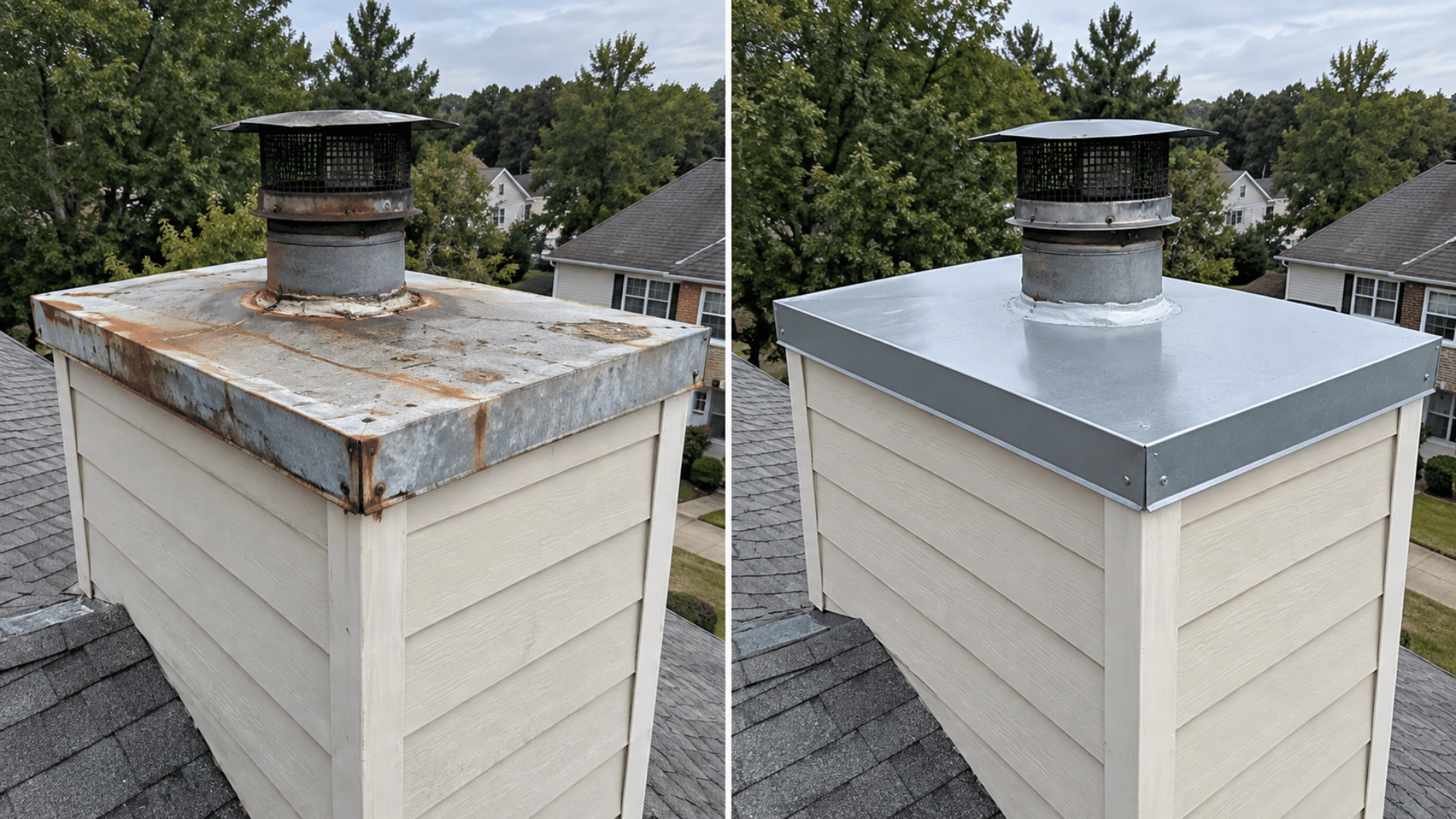
Is your current cap missing, dented, or held on with good enough screws that never seem to stay tight. That is a common call we get. If you are also seeing moisture related issues, it can help to pair cap work with chimney leak troubleshooting.

Signs you may need a new chimney cap

You may need a new cap if water, critters, or draft issues keep showing up. Chimneys usually make it obvious when they are not protected. Some signs are subtle, and others are very loud, like a squirrel letting you know it is home now.

Watch for these common signs

  1. Water in the firebox after rain, or a damp smell near the fireplace
  2. Rust on the damper, fireplace doors, or metal firebox parts
  3. White staining on the outside brick or chimney crown
  4. Bird sounds or scratching in the flue
  5. Downdrafts, cold air, or smoke that seems to push back into the room
  6. Loose masonry at the top of the chimney, or cracked crown areas
  7. A cap that is missing, tilted, broken, or not covering the flue properly

If you are dealing with repeat fireplace odor, ask yourself one direct question. Does my chimney actually have a cap that fits and is attached the right way. A thorough chimney inspection can help confirm what is going on at the top, especially when the issue is not visible from the ground.

Why chimney caps fail

Most chimney cap problems start with poor fit, storm damage, or an exposed flue. A lot of caps fail for basic reasons. The top of a chimney takes sun, rain, wind, and animals all year long. Atlanta weather can shift fast, and strong storms can loosen cheap or poorly installed parts.

Common causes we see

  • Wrong size cap that never truly seats on the flue tile
  • Generic, one size cap installed on a chimney that needs a special shape
  • Loose fasteners that back out from vibration and wind
  • Corrosion from constant moisture and flue gases
  • Bent screens after a branch hits the cap
  • Improper coverage that lets rain in from the sides
  • Multiple flues sharing one crown with no correct full coverage top

If the cap does not fit the flue and crown area, it will shift, leak, or leave openings. Animals are very good at finding openings. They treat small gaps like an invitation. When animals are already getting in, it may be time to combine cap work with animal removal or a dedicated bird guard installation.

What we do during a visit

Our visit focuses on accurate measuring, smart cap selection, and a secure install. We keep the process clear and practical. The goal is a cap that matches your chimney and stays put.

Here is what we usually do during a visit

  1. Confirm the venting setup fireplace, gas logs, furnace vent, water heater vent, or a mix
  2. Inspect the top area for crown condition, flue tile height, and any gaps
  3. Measure the flue and mounting area so the cap fits correctly
  4. Check for signs of animals or nesting and note any blockage concerns
  5. Review cap options based on your chimney style and what problems you want to stop
  6. Install the cap with the right mounting method for the chimney type
  7. Final check for stability, screen fit, and clear venting path
Fit and venting come first

Do you want the cap to match the look of the home, or are you mainly focused on function. We can talk through both without overcomplicating it. If buildup is a concern, we may recommend pairing the visit with chimney flue cleaning or targeted creosote removal.

Custom options for different chimney shapes

Custom options let us match single flues, multi flue chimneys, and odd shapes. Not every chimney is a simple square with one clay tile sticking up. Many homes in Atlanta have older brickwork, remodeled fireplaces, or multiple flues that exit through one crown area.

We commonly handle

  • Single flue caps sized to a specific flue tile
  • Multi flue caps that cover the full top area with proper openings and screening
  • Caps for round metal flues that need specific attachment points
  • Caps for short flue tiles that sit close to the crown
  • Caps that prioritize animal control with strong screening and good coverage

A Custom Chimney Cap is often the best path when a store bought cap keeps slipping, rattling, or leaking. It also helps when the chimney top is uneven or the flue layout is not standard. If the existing cap is beyond repair, chimney cap replacement may be the right next step, or for a simpler setup chimney cap installation may fit the need.

Need Help? Call Us For Air Duct Services!

Multi flue chimney caps

Multi flue chimney caps cover the whole top and help stop water entry at the crown line. Multi flue tops can let water in between tiles even if each flue has a small cap. A single full coverage cap can reduce those entry points.

A full coverage style is often chosen when

  • There are two or more flues close together
  • The crown has cracks or gaps that need less exposure to water
  • The homeowner wants a cleaner look at the top of the chimney
  • Birds keep trying to nest in open spaces between flues

It is a lot easier to keep water out than to repair water damage later. If you already have crown damage, chimney crown repair can be important before or alongside cap work.

Animal guards and chimney screens

Animal guards and screens matter because critters do not read No Vacancy signs. If birds or squirrels keep getting in, the cap is either missing, damaged, or not screened correctly. We look at screen size and strength, plus how it is attached.

Common problems we see

  • Screens that are too weak and get pushed in
  • Screens that have rusted out and left holes
  • Caps that leave gaps at corners where animals squeeze through
  • Loose caps that shift and create a new opening

A cap should not rattle in the wind or wiggle when touched. If it does, something is off. When wildlife has been active, a follow up camera inspection can help confirm the flue is clear.

Materials and build details

Materials and build details matter because the top of the chimney takes constant abuse. The right cap needs the right metal, the right fasteners, and a build that sheds water.

Practical features we look for

  • A top that covers beyond the flue opening to reduce direct rain entry
  • A shape that sheds water instead of holding it
  • Screening that stays firm and does not warp
  • Attachment that fits the chimney type so it stays tight through storms
  • Edges and corners that do not leave easy entry gaps

If your current cap has sharp bends, dents, or heavy rust, it is usually past its useful life. If moisture has already affected brick and mortar, chimney repointing or chimney brick repair may be needed to stabilize the top area.

Cap styles by chimney setup

This quick table helps you see what cap style fits common chimney setups.

Chimney setupCommon cap approachMain problem it helps prevent
One clay tile flueSized single flue cap with screenRain entry and animals
Two or more fluesFull coverage multi flue capWater between flues and nesting
Round metal ventRound cap made for that diameterLoose fit and blow off risk
Short flue tileCap with proper clearance and mountDowndraft and water entry
Every chimney is still measured

We still measure every job because chimneys can vary even within the same neighborhood. For homes with recurring moisture issues at the top, chimney waterproofing can also reduce water absorption in masonry.

Installation timing and access

The install is usually straightforward, but roof access and chimney condition can slow it down. Many installs can be completed the same day once the right cap is ready. The biggest time factors are access and what we find at the top.

Things that can affect timing

  1. Steep roof pitch or limited safe access points
  2. Very tall chimneys that need extra setup for safe work
  3. Cracked crown or loose top brick that needs attention before a cap can be secured
  4. Odd shapes that require careful fitting
  5. Heavy debris or nesting that must be cleared to allow safe venting

If we see an unsafe condition at the top, we will stop and explain what needs to be corrected first. No cap should be attached to loose or failing masonry. In those cases, chimney repair may be the right first step.

Safety notes for homeowners

Safety comes first because chimneys vent heat and gases that should never back up into the home. A chimney cap should protect the flue without restricting it. That balance matters even more if the flue vents a gas appliance.

A few safety notes that every homeowner should know

  • Do not block or reduce the flue opening with makeshift covers
  • Do not use window screen or light mesh as a chimney screen. It can clog and fail
  • If you smell strong fumes, feel dizzy, or notice soot blowing into the room, stop using the system and call a pro
  • If your damper is stuck or the fireplace smokes every time, do not assume a cap is the only issue

Do you use your fireplace often, or is it more of a holiday only setup. Either way, the chimney still takes rain and still attracts animals. If you suspect a broader fireplace issue, a fireplace safety inspection can help verify safe operation.

Clean Air Duct Cleaning & Chimney

How to prep for the visit

You can prep in a few simple steps to help the visit go smoothly. You do not need to do much, but a little prep helps us work faster and keep your space cleaner.

Before we arrive

  1. Clear a small area near the fireplace so we can look inside if needed
  2. Keep pets inside or in a separate room if they are curious about visitors
  3. Let us know if you have had past issues with animals, leaks, or smoke
  4. Point out any rooms where you notice odor, staining, or drafts

If you have photos of the chimney top from the ground, feel free to share them. We still measure in person, but photos can help explain what you have been dealing with. If odor has been persistent, chimney sanitation may also be worth discussing.

After installation checks

After installation, simple checks help you spot problems early. Once a new cap is installed, most homeowners just enjoy fewer problems. Still, it helps to keep an eye out after major weather.

What to watch for

  • New water stains on the ceiling near the chimney chase or fireplace wall
  • Rattling sounds during wind, which can point to a loose fastener
  • A return of animal noise, especially in spring
  • Rust starting on metal parts inside the firebox

A chimney cap is one part of the system. If odor or smoke issues continue, it may point to drafting, buildup, damper problems, or a crown and flashing concern. In that case, chimney flashing repair and replacement can address common water entry points around the roof line.

Atlanta specific conditions

Atlanta specific conditions make chimney caps more than a nice to have. Atlanta, GA gets heavy rain events, humid stretches, and plenty of wildlife. Those conditions can punish an open flue.

Local situations we hear about often

  • Sudden storms that push water down an uncapped flue
  • Squirrels and birds nesting fast once they find an opening
  • Musty fireplace smells after wet weeks
  • Wind patterns around taller homes that can trigger downdrafts
  • Leaves and debris dropping into open chimney tops during fall

If you have pine trees nearby, debris control matters even more. Nobody wants their chimney to turn into a leaf storage tube. If you are comparing options for an existing system in Georgia, chimney cap installation and chimney cap replacement can help you understand the next step.

Why homeowners choose our team

Homeowners choose our team because we keep the work practical and focused on real causes. We work with homeowners who want clear answers and a cap that actually fits. We do not push complicated explanations. We look at the chimney top, measure what matters, and install a cap that matches the setup.

You can expect

  • Clear communication about what we see and what it means
  • Careful measuring and a fit that makes sense for your chimney
  • A secure install that does not rely on hope as a fastener
  • Respect for your home and your time
A practical next step if the chimney needs more than a cap

If your chimney has needed attention for a while, you are not alone. A lot of people only look up there after the first leak or the first animal moves in and starts paying zero rent. If the structure needs deeper work, services like chimney rebuilding or chimney relining may be part of the long term fix.

Related information

For general background on how chimneys vent and why the top termination matters, you can read about chimneys and flues.

Related Services

Schedule your chimney cap service

Schedule your chimney cap service by calling or visiting our site. If you want a Custom Chimney Cap In Atlanta that is measured and installed by a local team, reach out to Clean Air Duct Cleaning & Chimney today. Call (470) 706-6431 or use our Contact Us page.

A correctly fitted cap is a simple upgrade that can prevent a long list of headaches. If you are ready to stop rain, animals, and downdrafts, we are ready to help with your Custom Chimney Cap In Atlanta.

Frequently Asked Questions (FAQs)

A custom chimney cap is a made-to-fit cover designed to match your chimney’s size and shape to help protect the flue opening from common outdoor elements.

Custom caps are often selected when a chimney has unique dimensions or features, or when a tailored fit and appearance are preferred.

Many chimney caps include screening that can help reduce the chance of birds, squirrels, and other animals entering the chimney.
A properly fitted cap can help limit rain entry and reduce leaves or debris from getting into the flue area.
A chimney cap may influence airflow depending on design and installation; a professional can recommend an appropriate style for your setup.
Common options include stainless steel, copper, and galvanized metal, with the best choice depending on preferences and local conditions.
If your current cap doesn’t fit well, is missing, or your chimney has an uncommon crown or flue configuration, a custom solution may be considered.
Yes, custom caps can often be designed with different finishes and styles to better coordinate with the home and chimney appearance.
Clean Air Duct Cleaning & Chimney provides custom chimney cap service and can help determine a suitable cap style for your chimney.
It’s commonly checked during routine chimney maintenance or after major storms to confirm it remains secure and in good condition.
Why Your Home Airflow Drops When Dust Builds Up in Ducts

Why Your Home Airflow Drops When Dust Builds Up in Ducts

Your home airflow drops when dust builds up in ducts because that dust acts like…

Why Regular Chimney Sweeping Helps Keep Your Fireplace Safe

Why Regular Chimney Sweeping Helps Keep Your Fireplace Safe

A clean chimney lets smoke move out of your home, not back into your face.…

Signs Your Air Ducts Need Cleaning Before the Seasons Change in Atlanta, GA

Signs Your Air Ducts Need Cleaning Before the Seasons Change in Atlanta, GA

Your air ducts may need cleaning before a seasonal change if you notice more dust,…

How Creosote Forms and Why It Needs Removal

How Creosote Forms and Why It Needs Removal

Creosote forms when wood smoke cools inside your chimney and turns into a sticky, dark…

Dryer Vent Lint Buildup and Fire Risk, What Every Atlanta Homeowner Should Know

Dryer Vent Lint Buildup and Fire Risk, What Every Atlanta Homeowner Should Know

Lint buildup in a dryer vent raises fire risk because it blocks airflow. When hot…

Why Annual Chimney Inspections Protect Your Fireplace and Home

Why Annual Chimney Inspections Protect Your Fireplace and Home

An annual chimney inspection helps you catch hidden trouble before it grows. A pro can…