Skip to content

A chimney damper is one of the most important parts of your fireplace system — it opens to let smoke and gases escape, and closes to keep cold drafts, pests, and moisture out when the fireplace isn’t in use. When it’s working, most homeowners never think about it. When it isn’t, the problems show up fast: smoke backing into the living room, cold air near the fireplace, rust, water damage, and sometimes a fireplace that isn’t safe to use.
For homeowners across Atlanta, Sandy Springs, Roswell, Marietta, Alpharetta, Dunwoody, Brookhaven, Decatur, and Smyrna, chimney damper repair in Atlanta is one of the more common calls we get — humidity, heavy rain, creosote buildup, and animal debris all wear a damper down faster here than in drier climates.
What Does a Chimney Damper Do?
A chimney damper is a metal gate inside the fireplace or chimney system. Most sit above the firebox at the throat of the chimney, though newer or upgraded dampers sit at the very top and seal from above.
Its job is simple: open when the fireplace is in use so smoke, heat, and gases can rise through the flue, and close when it’s not in use to block drafts, heat loss, and outside air. In short, your damper controls fireplace airflow. If it doesn’t open properly, smoke can come into the house. If it doesn’t close properly, your home loses conditioned air through the chimney.
How Much Does Chimney Damper Repair Cost in Atlanta?
The honest answer depends on whether the damper needs a simple repair or a full replacement.
| Service | Typical Cost | Best For |
|---|---|---|
| Simple repair | $100 – $225 | Dirty, lightly rusted, or unhooked dampers with solid metal parts |
| Throat damper replacement | $350 – $700 | Cracked, warped, or badly rusted plates where the chimney top is already protected |
| Top-sealing damper upgrade | $500 – $1,000+ | Destroyed or missing dampers, or recurring drafts, rain, and pest problems |
Final pricing depends on the fireplace, chimney height, roof access, and whether the underlying cause — usually water or creosote — needs to be fixed too.
Warning Signs Your Damper Needs Attention
Most homeowners notice a damper problem because something feels wrong when they try to use the fireplace:
- A stuck or stiff handle. If the lever, chain, or handle is hard to move or jammed, the mechanism may be rusted, bent, or blocked by soot and creosote.
- Smoke backing into the room. A closed, blocked, or warped damper doesn’t give smoke a clear path out — see our guide on why fireplaces smoke into the house for more on this.
- Cold drafts near the fireplace. Traditional throat dampers often leak air as they age, letting cold outdoor air drop in during winter and conditioned air escape in summer.
- Visible rust on the plate, hinges, or chain. This almost always means moisture is entering the chimney somewhere above the damper.
- A poor seal even when closed. Gaps let in cold drafts, humidity, bugs, small animals, and fireplace odors.
- A missing damper. Some older fireplaces have a damper that’s rusted away entirely or was never replaced after a previous repair.
If the handle or chain feels stuck, don’t force it — a hard yank can snap the hardware and turn a simple repair into a full replacement.
Why Atlanta Chimney Dampers Fail
Rust From Water Entry
Moisture is the single biggest cause of damper failure in Atlanta. Humid summers, heavy storms, and rain entering through the chimney top can rust cast iron or steel dampers until they stick, seize, or stop sealing.
The root cause is almost always above the damper — a missing or damaged chimney cap, a cracked crown, or bad flashing. Replacing the damper without fixing the water entry point is a common mistake: the new hardware can rust again for the same reason the old one failed.
Creosote and Soot Buildup
Sticky creosote and soot can coat the damper plate, tracks, and hinges until the mechanism sticks or won’t close tightly. If a damper is glued shut by buildup, the fix usually starts with chimney sweeping and creosote removal — the damper repair itself may be minor once the buildup is cleared.
Animal Debris
Open or unprotected chimneys attract birds, squirrels, and raccoons, and nesting debris can fall onto the damper plate and block it. Never try to burn out a nest — have the chimney inspected and cleared safely, then have a cap or mesh screen installed to keep it from happening again.
Warped Metal and Old Age
A fireplace that’s been over-fired can warp the damper plate until it no longer fits its frame — smoke control suffers when it’s open, and draft suffers when it’s closed. Age alone causes similar wear: hinges, pins, and handles loosen and corrode over decades, and many older Atlanta homes still have original throat dampers that no longer seal well.
A Broken Handle, Chain, or Linkage
Sometimes the damper plate itself is fine, but the handle has detached, the chain has snapped, or the linkage has slipped off track. This is often a repair rather than a replacement, since the metal parts underneath are usually still solid.
A Real Example From a Dunwoody Home
A homeowner in Dunwoody first noticed only a cold draft near the fireplace — nothing dramatic, just a chill on windy days. What they didn’t know was that rain had been entering through the chimney top for months and landing directly on the damper.
The early signs were easy to miss: a faint damp smell, light rust on the damper plate, a little water pooling in the firebox after storms. But the water kept coming. Eventually it reached the firebrick, the mortar joints, and the wall behind the fireplace — turning what started as a damper and cap problem into a masonry and drywall repair as well.
A bad damper rarely fails in isolation. It’s usually pointing to a bigger chimney system problem above it.
Repair, Replace, or Upgrade — What’s Right for Your Damper?
This depends on the condition of the metal, the control mechanism, and what actually caused the failure.
Simple Repair ($100–$225)
Makes sense when the metal parts are still sturdy — a loose chain, a dirty or lightly rusted mechanism, or debris blocking movement. Repairs typically include reattaching a handle or chain, cleaning tracks, clearing minor creosote, and testing the open-and-close motion.
Throat Damper Replacement ($350–$700)
Makes more sense when the plate is cracked, badly rusted, warped, or the mechanism is broken beyond repair. It’s a good fit if you want to keep the original fireplace setup and the chimney top already has a good cap protecting it — draft leakage isn’t the main concern.
Top-Sealing Damper Upgrade ($500–$1,000+)
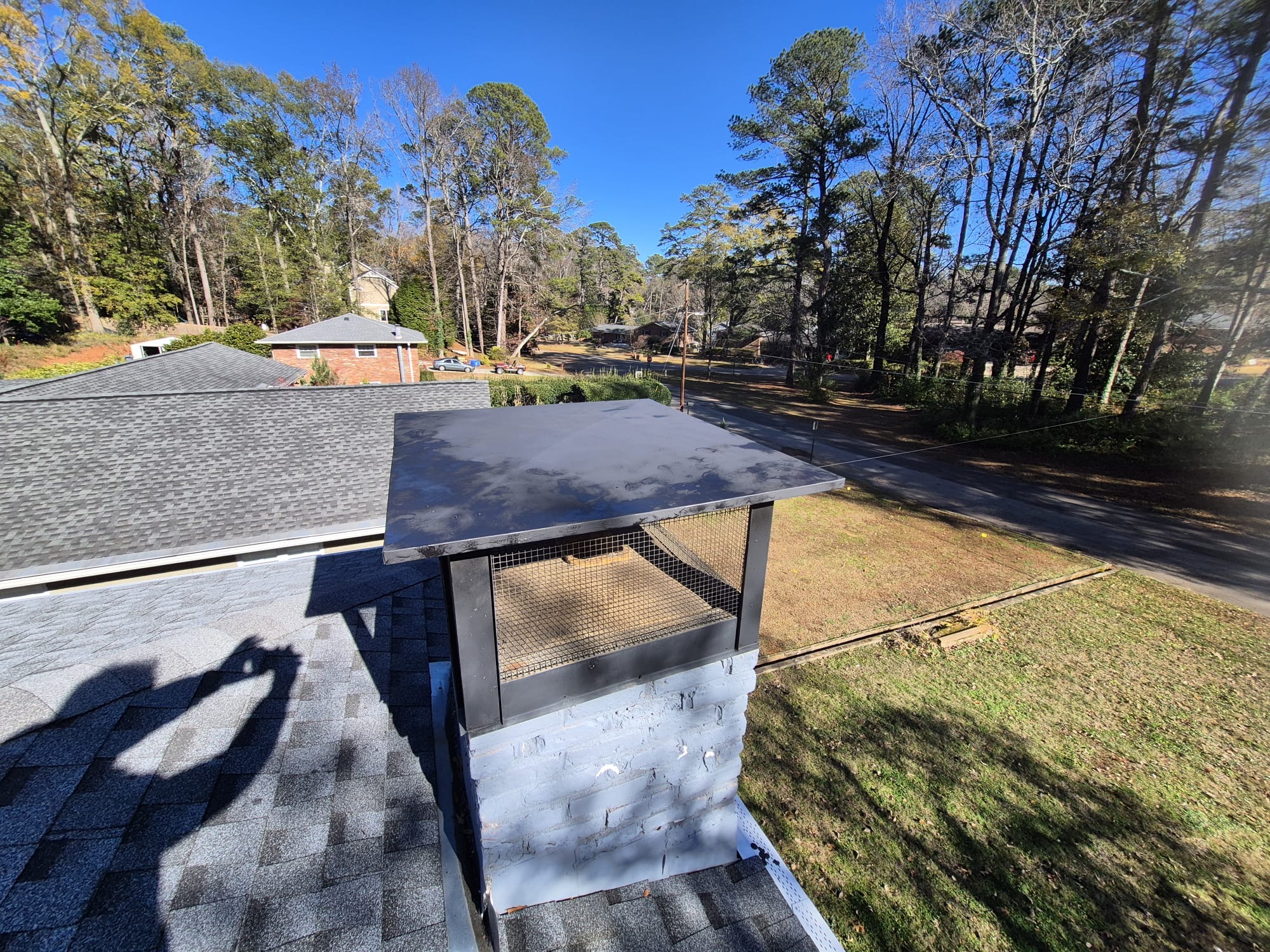
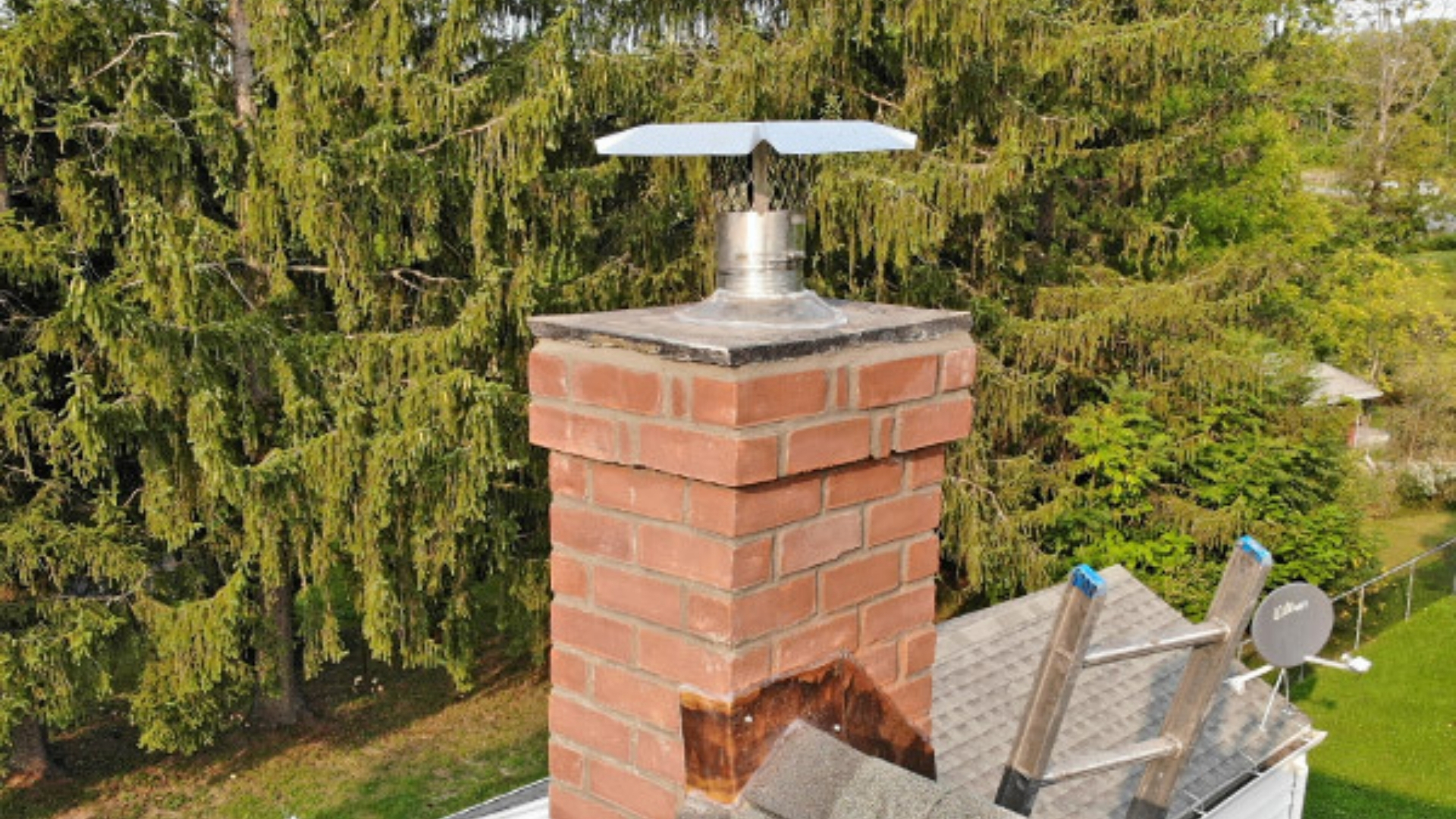
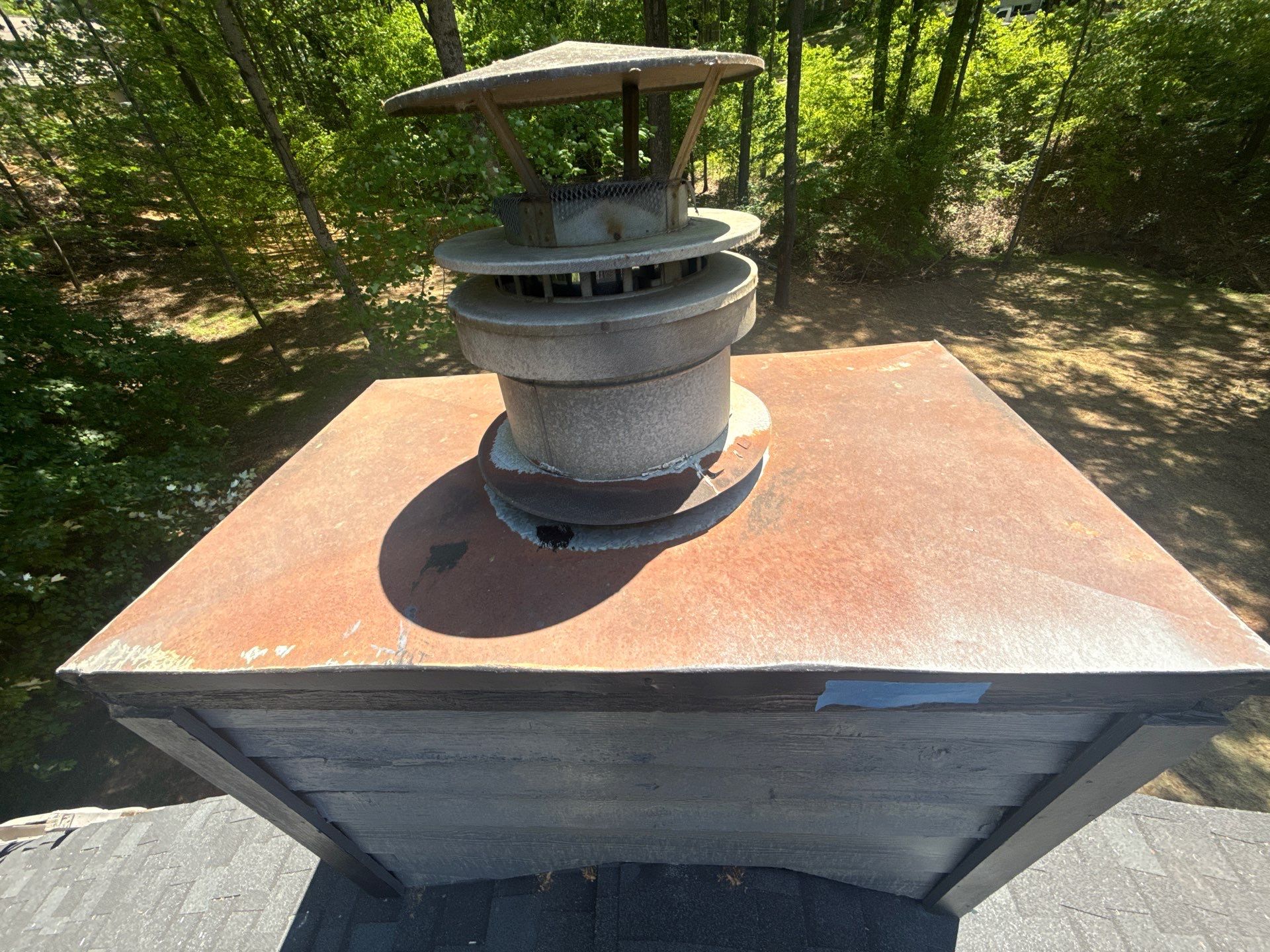
A top-sealing damper seals at the chimney opening instead of near the firebox, usually with a gasket-style closure controlled by a cable. It’s the better long-term choice when the old throat damper is destroyed or missing, when cold drafts and rain are recurring problems, or when you want meaningfully better pest protection and a tighter seal than a standard throat damper can offer.
What a Professional Damper Service Includes
A proper damper repair or replacement treats the fireplace as a full ventilation system, not a quick part swap. Expect:
- A full mechanism test — checking movement, alignment, seal quality, and whether the damper opens completely
- A check for creosote, soot, and debris blocking the mechanism, with cleaning before repair if needed
- A look for the source of any rust or water damage — missing cap, cracked crown, bad flashing, or a damaged chase cover
- Proper installation with correct alignment, secure mounting, and the right chain, lever, or cable setup
- A draft test after the work is done, confirming the fireplace vents properly when open and seals well when closed
- Before-and-after photos and a written report of what was found and fixed
Because damper failure is so often caused by water, the chimney cap and crown should be checked as part of the service — a new damper shouldn’t be left exposed to the same problem that damaged the old one.
What Damper Repair Won’t Fix
A damper repair or replacement solves problems with that one component — it doesn’t automatically fix everything around it:
- A missing or damaged chimney cap. If rain caused the rust in the first place, a new damper needs a working cap to avoid the same fate — the two are usually a package deal.
- A cracked chimney crown or bad flashing. These are separate water-entry points that a damper repair doesn’t touch.
- Heavy creosote buildup elsewhere in the flue. Clearing the damper area doesn’t substitute for a full chimney sweep.
- Existing water damage. If moisture has already reached the firebrick, mortar, or drywall, that’s a separate repair from the damper itself.
- A structural or liner problem. A damper sits below the flue — it has nothing to do with cracked liner tiles or a leaning chimney stack.
If you’re not sure whether your issue is the damper or something above it, a full chimney inspection is worth it before you pay for a part swap that doesn’t solve the real problem.
Mistakes That Cost More Later
- Forcing a stuck handle. A hard yank can snap the hardware or bend the frame, turning a small repair into a full replacement.
- Using the fireplace with a damper stuck closed. If it’s not fully open, smoke and gases can’t vent properly — don’t light a fire until it’s fixed.
- Choosing the cheapest part without checking the cause. A budget damper may not seal well or last if the underlying moisture problem isn’t addressed first.
- Skipping the chimney cap when rust caused the failure. The water will keep coming in and damage the new damper the same way it damaged the old one.
- Hiring someone who only swaps the part. A technician who doesn’t check for creosote, water leaks, or a cracked crown may miss the actual cause of the failure.
- Stuffing towels or pillows into the fireplace to block drafts. This is a real fire hazard if anyone forgets to remove it before the next fire — use a proper damper or fireplace seal instead.
When to Call a Professional Right Away
Some damper problems shouldn’t wait:
- The damper is stuck closed or only partially open — don’t use the fireplace until it’s fixed
- You smell a strong musty or damp odor near the fireplace, which often means water is already getting in
- You see active rust, water stains, or moisture in the firebox after rain
- Smoke keeps backing into the room even after the damper is fully open
Do not climb onto the roof for a DIY top-sealing damper or cap repair — steep or high roofs are genuinely dangerous, and this kind of work should be done with proper safety equipment. The NFPA’s home heating safety guidance is a good resource if you’re ever unsure whether a fireplace issue is safe to wait on.
How to Choose the Right Chimney Company
- CSIA certification — the Chimney Safety Institute of America sets the industry’s recognized training standard
- Proof of insurance — protects you if something goes wrong on your property
- BBB accreditation — a verifiable track record, not just a promise
A good company should also treat the damper as part of the whole chimney system — checking the cap, crown, and flue for the real cause of failure, not just swapping the part and moving on.
Final Answer
Chimney damper repair in Atlanta almost always comes down to one question: is the metal still solid, or does it need to be replaced? A simple repair works when the metal is still solid. A throat damper replacement makes sense when the plate has failed but the chimney top is protected. A top-sealing upgrade is the better long-term call when drafts, rain, or pests keep coming back. Either way, the damper is rarely the whole story — check the chimney cap and crown at the same time, since water is the most common reason dampers fail here in the first place.
Final Advice From Our Team
This depends on the home — but do not guess when it comes to chimney damper repair. If you’re not sure whether you need a $150 repair or a $700 replacement, get it inspected before approving any work. A damper controls smoke safety, airflow, and water protection all at once, and the cheapest fix isn’t always the one that actually solves the problem.
Call (470) 706-6431 or contact us to schedule chimney damper repair in Atlanta, GA.
FAQ
What is a chimney damper?
A chimney damper is a metal gate that opens to let smoke and gases escape during a fire and closes when the fireplace is not in use to reduce drafts and air loss.
How do I know if my chimney damper is broken?
Common signs include a stuck handle, smoke backing into the room, cold drafts, visible rust, trouble opening or closing, a poor seal, or a missing damper plate.
Can I use my fireplace if the damper is stuck?
No. If the damper is stuck closed or only partially open, do not use the fireplace. Smoke and gases may enter the home.
Why is my chimney damper rusted?
Rust usually means moisture is entering the chimney. Common causes include a missing chimney cap, cracked chimney crown, bad flashing, or an open flue.
Can a chimney damper be repaired?
Yes, if the issue is minor. A damper may be repairable if it’s dirty, lightly rusted, unhooked, misaligned, or blocked by debris.
When does a chimney damper need replacement?
Replacement is usually needed when the metal is cracked, warped, missing, badly rusted, or no longer seals or opens correctly.
How much does chimney damper repair cost?
Chimney damper repair can start at $100–$225, depending on the issue, access, cleaning needs, and inspection requirements.
How much does chimney damper replacement cost?
Throat damper replacement can start at $350–$700. Top-sealing damper upgrades can start at $500–$1,000+. Final pricing depends on the fireplace, chimney height, roof access, parts, and any related repairs.
Is a top-sealing damper better than a throat damper?
A top-sealing damper usually provides a tighter seal and better protection against drafts, rain, and pests. A throat damper may cost less upfront and preserve the original fireplace setup.
Who should I call for chimney damper repair in Atlanta?
Call a chimney professional who can inspect the damper, flue, cap, crown, and creosote buildup. In Atlanta, Clean Air Duct Cleaning & Chimney can inspect the system, explain the cause, and recommend the right repair or replacement option.