1. Home
  2. »
  3. Outdoor Chimney Services

Outdoor Chimney Services in Atlanta, GA

Outdoor Chimney Services In Atlanta for safer fires with cleaning, inspections, repairs, caps and waterproofing. Book with Clean Air Duct Cleaning & Chimney today

Table of Contents
Outdoor Chimney Services In Atlanta by Clean Air Duct
Outdoor Chimney Services In Atlanta for safer fires with cleaning, inspections, repairs, caps and waterproofing. Book with Clean Air Duct Cleaning & Chimney today

Outdoor Chimney Services

Outdoor chimneys need regular care for safe, clean fires and better draft in Atlanta homes. Clean Air Duct Cleaning & Chimney provides Outdoor Chimney Services in Atlanta with inspections, cleaning, repairs, caps, and waterproofing, so smoke exits like it should and water stays out. If your fireplace smells, smokes, or stains, we can help.

Need Help? Call Clean Air Duct Cleaning & Chimney Near You

What outdoor chimney service means

Outdoor chimney service means keeping the full chimney system clean, sound, and weather-ready. Outdoor chimney work covers more than sweeping soot. It includes the firebox, smoke chamber, flue, chimney crown, flashing area, and the exterior masonry that takes sun, rain, and freeze cycles. For seasonal upkeep, many homeowners pair chimney work with Air Duct Maintenance to keep airflow systems in good shape.

Outdoor Chimney Services help you

  1. Reduce smoke and odor issues inside the home.
  2. Lower the risk of chimney fire from creosote buildup with Creosote Removal.
  3. Stop water from breaking down masonry and metal parts with Chimney Waterproofing.
  4. Protect the flue liner so it can vent properly with Chimney Flue Repair.
  5. Keep animals and debris out of the chimney with Chimney Cap Installation.

In Atlanta, GA, moisture and heavy storms can be rough on brick, mortar, and crowns. A chimney can look fine from the driveway and still have gaps, soft mortar, or a damaged cap up close, which is why a routine Chimney Inspection matters.

Signs you may need chimney service

You may need chimney service when your fireplace changes how it smells, looks, or drafts. Chimneys usually give warnings before they become a bigger problem. The key is noticing small changes and acting before smoke, water, or debris gets the upper hand. If you are already planning a Chimney Sweep, bring up any of these signs during scheduling.

Watch for these signs

  1. Smoke rolls into the room when you open the damper.
  2. A strong smoky odor shows up even when you are not using the fireplace.
  3. Black staining around the fireplace opening or on exterior brick.
  4. White, chalky stains on exterior masonry often from moisture.
  5. Rust on the damper, firebox, or fireplace doors.
  6. Drips, damp spots, or water marks around the fireplace or chimney chase.
  7. Pieces of tile, brick, or mortar in the firebox.
  8. Birds on the chimney top a little too often.
Small changes are worth checking

Do you notice the smell more after rain. Do you crack a window just to keep a fire going. Those are clues worth checking with a Chimney Leaks evaluation.

Common causes of outdoor chimney problems in Atlanta

Most chimney problems start with creosote buildup, water entry, or simple wear over time. A fireplace is a controlled fire, but the chimney is the exhaust system. Anything that blocks, narrows, or damages that exhaust path can cause draft problems and smoke issues. When draft concerns overlap with whole home airflow, some homeowners also schedule Air Duct Testing to rule out other contributors.

Common causes we see in the Atlanta area include

  1. Creosote from burning wood Wet wood, cooler fires, and long smoldering burns create heavier buildup.
  2. Moisture intrusion Rainwater can enter through cracks in the crown, missing caps, failed mortar joints, or worn flashing. Targeted Chimney Flashing Repair & Replacement can address roof line gaps.
  3. Animal activity Birds and squirrels like chimneys because they are high, warm, and quiet. If needed, we may suggest Animal Removal.
  4. Debris Leaves, twigs, and nesting materials can partially block the flue. A Camera Inspection can help confirm what is inside when the view is limited.
  5. Masonry aging Mortar joints and crowns break down slowly, then fail faster once water gets in. Many cases need Chimney Repointing.
  6. Flue liner issues Clay tiles can crack, shift, or separate, especially after repeated heating cycles. Some chimneys require Chimney Relining.

If your chimney is outside on an exterior wall, it can stay cooler than an interior chimney. Cooler flues can draft less strongly, which makes maintenance and correct burning habits even more important. A fresh Chimney Flue Cleaning can also help when buildup is affecting airflow.

What to expect during our visit

Our visit focuses on safe access, clear findings, and practical next steps. We aim to keep the process simple for you. We check what we can see, document concerns, and explain what matters now versus what can be planned. If the chimney condition suggests larger work, we may discuss options such as Chimney Repair.

A typical visit may include

  1. Talk through your concerns Smoke, odors, staining, leaks, or draft issues.
  2. Visual inspection of accessible areas Firebox, damper, smoke chamber area, and flue view where possible.
  3. Exterior evaluation Brick and mortar condition, crown condition, cap and screen, chase cover, and top area.
  4. Identify blockage risks Nesting, debris, creosote buildup, and airflow restrictions.
  5. Recommend a service plan Cleaning, minor repair, water protection steps, or further evaluation if needed.
How we communicate findings

We keep the explanation practical. If something is a safety concern, we will say so plainly. If it is a maintenance item, we will label it as that. For ongoing upkeep, some homeowners schedule periodic Chimney Inspection visits to stay ahead of wear.

Chimney cleaning

Chimney cleaning removes buildup that can restrict draft and raise fire risk. Chimney cleaning targets soot and creosote that collect inside the flue and smoke shelf areas. Creosote is the sticky, shiny, or flaky residue that forms when wood smoke cools. If you have not cleaned in a while, plan for a Chimney Sweep along with any needed Creosote Removal.

Cleaning is especially helpful if

  1. Fires smell harsher than usual.
  2. You see black flakes or tar-like residue.
  3. Your fireplace seems to draft weaker than before.
  4. You have not used the fireplace in a long time and want to start again.
  5. You recently moved in and do not know the chimney history.

We use professional tools meant for chimney flues, and we focus on controlling dust in the work area. Nobody wants their living room to look like a campfire happened without permission.

Chimney inspections

Chimney inspections look for venting problems, damage, and moisture paths. An inspection is about knowing what condition the system is in today. It helps you decide what to handle now and what to monitor. If draft issues are suspected, a Chimney Inspection can help pinpoint restrictions and moisture clues.

Need Help? Call Us For Air Duct Services!

During inspection, we commonly look for

  1. Flue condition Cracks, gaps, missing sections, and heavy buildup.
  2. Smoke chamber condition Rough, damaged, or restricted areas that affect draft.
  3. Damper operation Rust, binding, or poor sealing.
  4. Exterior masonry Spalling brick, crumbling mortar, and cracks.
  5. Crown and top seal areas Chips, breaks, or open joints where water enters. Repairs may involve Chimney Crown Repair.
  6. Cap and screen Missing, loose, clogged, or damaged parts.
  7. Water clues Rust, white stains, or damp smells.

If you use gas logs, you still need inspections. Gas can create moisture and byproducts that affect the flue and metal parts. Some homes benefit from a dedicated Gas Chimney Inspection.

Chimney repairs

Chimney repairs restore the structure so smoke exits and water stays out. Repairs are often about fixing the path that smoke and heat travel through, and sealing out the water that speeds up damage. Small repairs done at the right time can prevent much larger repairs later. When exterior masonry is involved, related work may include Masonry Repair.

Common repair needs include

  1. Mortar joint repair Replacing weak mortar that has started to crumble with Chimney Repointing.
  2. Crown repair Sealing cracks or rebuilding sections that have failed using Chimney Crown Repair.
  3. Brick replacement Swapped where bricks are spalling or breaking apart with Chimney Brick Repair.
  4. Flashing attention Addressing gaps where the chimney meets the roof line using Chimney Flashing Repair & Replacement.
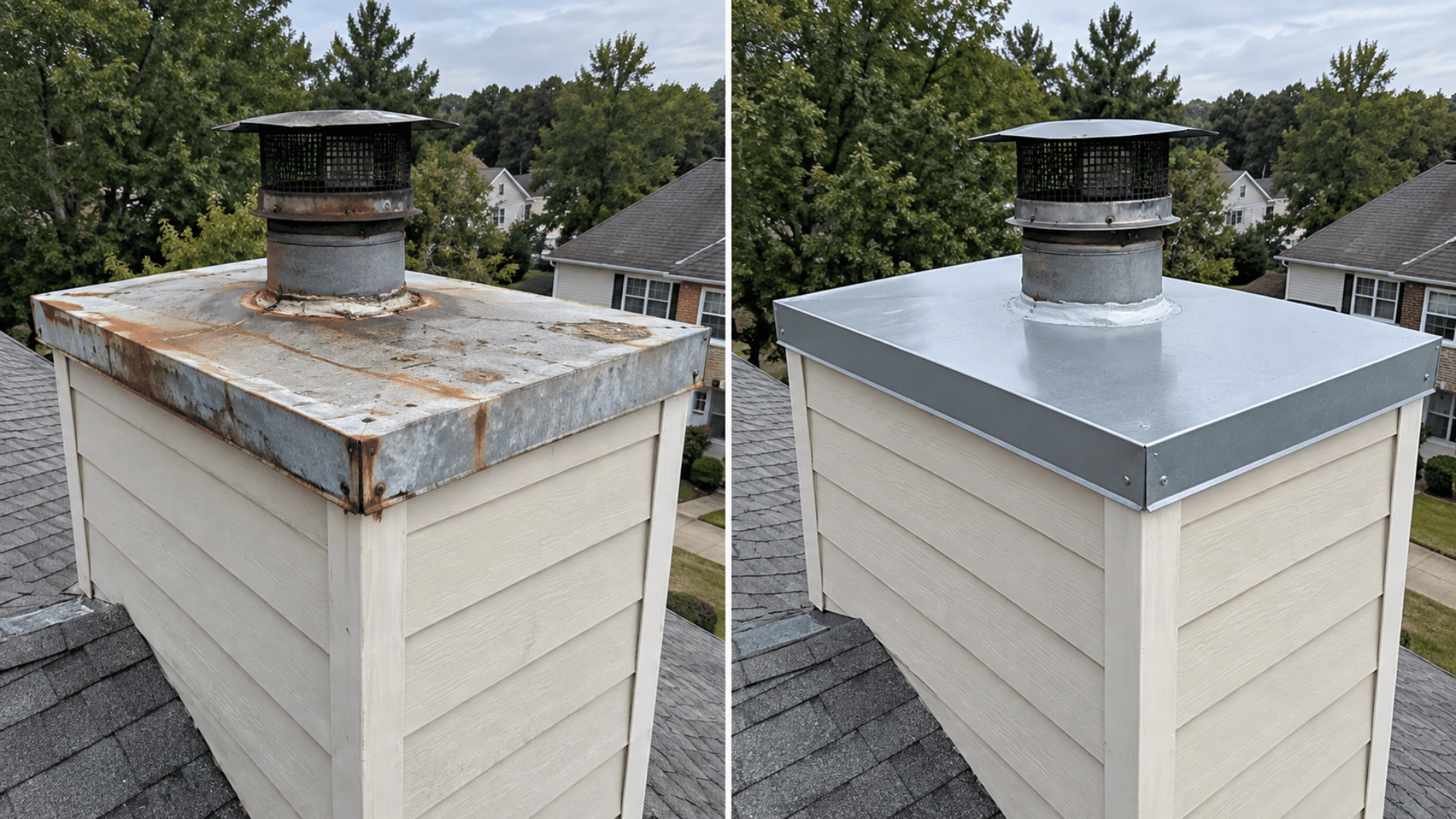
  5. Cap or chase cover replacement Correcting loose, rusted, or missing top protection with Chimney Cap Replacement.
Take falling masonry seriously

If you have seen pieces of masonry in the firebox, take it seriously. A chimney is not the place for maybe it will be fine. In some cases, the next step is a broader Chimney Rebuilding plan.

Caps, screens, and chase covers

Caps, screens, and chase covers block rain, pests, and debris at the top. A chimney top is an open invitation to water and animals if it is not protected. A proper cap and screen reduce nesting and help keep leaves and debris from falling into the flue. Many homes start with Chimney Cap Installation to add basic protection.

A chimney cap system can help

  1. Reduce rain entry and moisture damage.
  2. Keep birds and squirrels from moving in. Some setups benefit from Bird Guard Installation.
  3. Cut down on downdrafts in certain conditions.
  4. Limit sparks leaving the chimney in wood-burning setups.

For factory-built systems or chases, the chase cover matters too. A rusted or warped chase cover can drip water straight into the structure. If your top protection is outdated, a Chimney Cap Replacement may be the right fix.

Waterproofing and moisture control

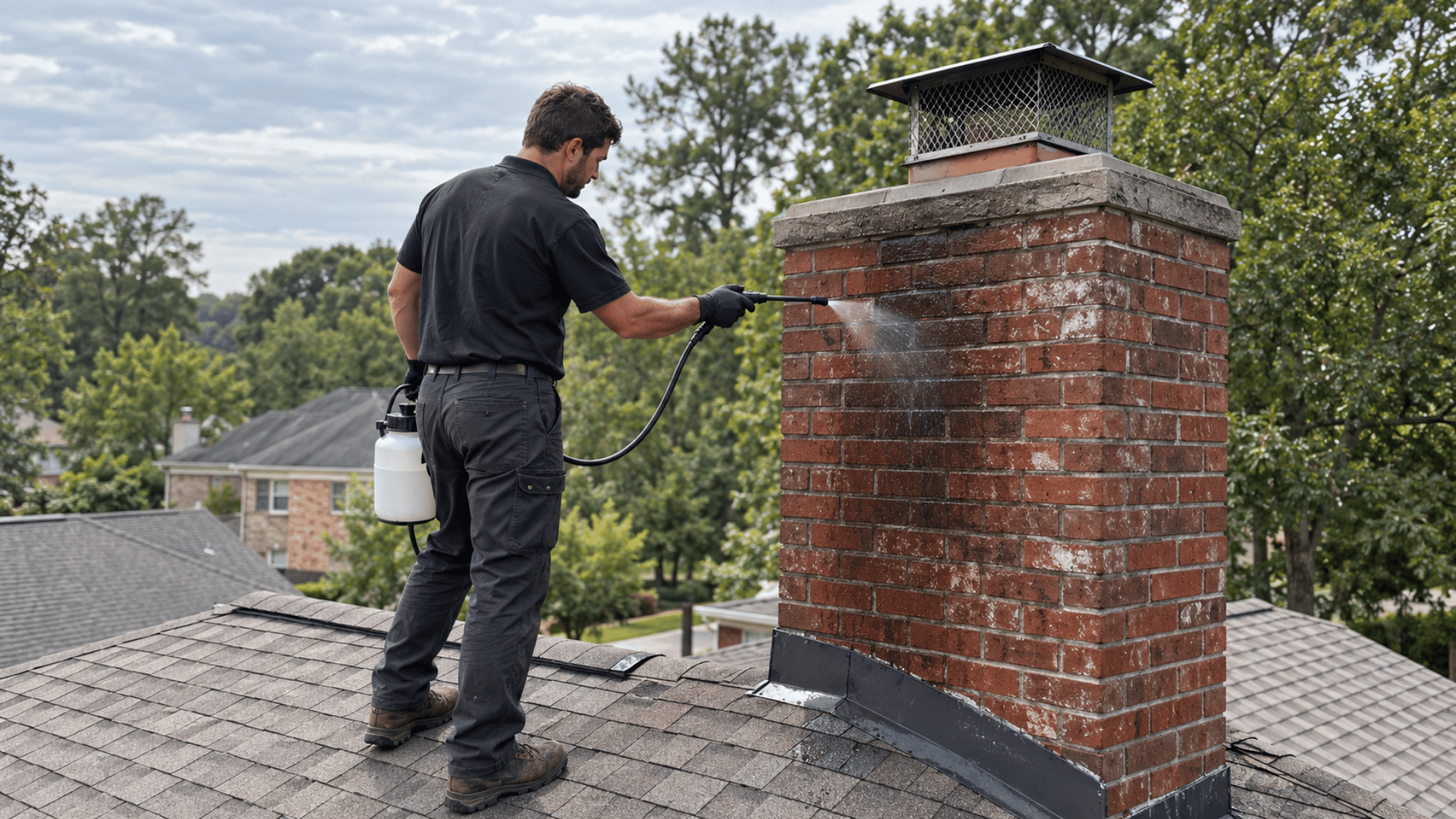
Waterproofing slows down moisture damage without trapping water inside the masonry. Waterproofing is about reducing absorption, not sealing the chimney like a plastic container. Brick and mortar still need to breathe. The right approach helps shed water while letting trapped moisture escape. When leaks are a concern, start with Chimney Leaks troubleshooting and then plan Chimney Waterproofing where appropriate.

Water control steps may include

  1. Checking the crown and sealing cracks where needed with Chimney Crown Repair.
  2. Addressing mortar joints that are open or soft.
  3. Making sure caps and covers are correctly fitted.
  4. Applying a breathable water repellent where appropriate.
White staining is an early warning

If you have white staining on the brick, that is often a sign moisture has been moving through the masonry and leaving salts behind. It is a common early warning on outdoor chimneys around Atlanta. A focused Chimney Inspection helps confirm where water is entering.

Timeline factors

A clear timeline depends on access, buildup level, weather, and repair type. Most appointments move faster when the system is easy to reach and the chimney has no heavy blockage. Repairs and weatherproofing can take longer when materials need cure time or rain is in the forecast. If you are unsure what is needed, begin with a Chimney Inspection and build a plan from there.

Things that can slow work down

  1. Steep roofs or limited ladder access.
  2. Heavy creosote buildup or a blocked flue.
  3. Wet conditions that affect exterior work.
  4. Hidden damage found after cleaning or closer inspection.
  5. Waiting on specific parts for caps or covers.

If we need you to stop using the fireplace until an issue is addressed, we will explain why in plain terms. If needed, we may recommend Fireplace Safety Inspection support for next steps.

Fireplace and chimney safety notes

Fireplace and chimney safety starts with draft, clear airflow, and the right burning habits. Safe use is not only about having a screen in front of the fire. It is also about what happens above the flames. Understanding basics like creosote can help you recognize why cleaning and burning habits matter.

Basic safety notes

  1. Burn seasoned firewood. Wet wood makes more smoke and creosote.
  2. Open the damper fully before lighting a fire.
  3. Warm the flue on cold days with a small kindling fire to help draft.
  4. Never burn trash, cardboard piles, or glossy paper. It can create heavy soot and floating embers.
  5. Watch for smoke spillage. If it happens, stop and investigate.

Stop using the fireplace and call a pro if

  1. You smell strong smoke odors that linger for days.
  2. Your carbon monoxide alarm activates.
  3. You see new cracks, falling debris, or sudden draft changes.
  4. Water is actively dripping into the firebox.
A working venting system matters

A chimney is the only place where people say lets light a fire inside the house and everyone nods calmly. That calm depends on a working venting system. If your venting path needs attention, consider Chimney Flue Repair after inspection.

Clean Air Duct Cleaning & Chimney

How to prepare for our visit

You can prepare for our visit by clearing space and sharing what you have noticed. A little prep helps us work safely and keeps your home cleaner during service. If you have photos or questions, a Camera Inspection may also be useful when access is limited.

Before we arrive

  1. Clear a path to the fireplace and the nearest power outlet if needed.
  2. Move small décor, rugs, and breakables from the immediate area.
  3. Keep pets in another room during the active work.
  4. Share photos of any exterior staining or interior leaks you have seen.
  5. Tell us what you burn and how often you use the fireplace.

If you have had roof work done, mention it. Changes around flashing areas can affect water entry paths and may require Chimney Flashing Repair & Replacement.

After service maintenance

After service, smart maintenance is mostly about watching for changes and using the fireplace correctly. Once your chimney is cleaned or repaired, you can help it stay in good shape with simple habits and quick checkups. Many homeowners schedule periodic Chimney Sweep visits as part of routine care.

What to watch for

  1. New smoky odors after rain.
  2. Rust showing up on the damper or doors.
  3. White staining returning on exterior masonry.
  4. A cap or screen that looks bent or loose after storms.
  5. Draft changes during colder nights.

Helpful habits

  1. Store firewood off the ground and covered on top.
  2. Keep fires hotter and cleaner, not long and smoldering.
  3. Remove ashes once they cool, leaving a thin layer if you use wood often.
Trust your nose

If you are unsure whether a smell is normal fireplace smell or a problem, trust your nose. It usually knows. When in doubt, schedule a Chimney Inspection to confirm what is going on.

Atlanta patterns we see often

Atlanta weather and home styles create a few common chimney patterns we see often. Outdoor chimneys around Atlanta, Georgia take on heavy rain, humidity, and temperature swings. That combination can speed up mortar wear and crown cracking, especially when water gets into small openings. If water is a repeat issue, Chimney Waterproofing can be part of the long term plan.

Local scenarios we often run into

  1. Storm-driven rain Water pushes past small gaps at the top and shows up later as stains or damp smells.
  2. Shaded chimneys Moss and moisture can linger longer on the north side of the house.
  3. Exterior fireplaces on cooler walls Draft can be weaker, leading to more smoke spillage if the flue is dirty.
  4. Animals in cooler months Chimneys look like safe shelter to critters that do not pay rent.
  5. Older masonry Mortar can soften over time, then break faster once moisture cycles repeat.

Whether you are in a bungalow near town or a newer build outside the perimeter, the chimney still faces the same basics of heat, smoke, and weather. If structure concerns show up, we may recommend Chimney Repair to restore safe function.

Symptom guide

This quick table helps match common symptoms to likely causes. Use this as a simple guide, not a final diagnosis. Chimneys can have more than one issue at the same time. For a definitive answer, start with a Chimney Inspection.

What you noticeCommon likely causeWhat we often do
Smoke enters the roomDraft restriction, buildup, blockage, cold flueInspect draft path, remove buildup, check cap and damper
Musty smell after rainWater entry at crown, cap, chase cover, or masonryLocate entry point, seal and repair, suggest water protection steps
Rust on damper or doorsOngoing moisture in flue or fireboxIdentify moisture source, correct top protection and sealing issues
White staining on brickMoisture moving through masonryCheck mortar and crown, address cracks, consider breathable water repellent
Debris in fireplaceAnimal nesting or falling masonryClear blockage, inspect flue and structure, plan repairs if needed

Which one sounds most like what you are dealing with right now. If draft and airflow concerns extend beyond the fireplace, some homeowners also schedule Air Duct Cleaning to improve overall airflow at home.

Why homeowners choose us

Homeowners choose Clean Air Duct Cleaning & Chimney because we keep the process straightforward. You want clear answers, clean work habits, and service that respects your home. That is how we approach every chimney visit. If you want to know more about our team, visit About Us.

What you can expect from us

  1. Clear communication about what we see and what it means.
  2. A focus on safety and practical fixes.
  3. Respect for your time with scheduling and follow-through.
  4. A team that works on airflow systems, including chimneys and venting.

Many people call us for indoor air concerns and then realize the chimney is part of the same story. Smoke, soot, and moisture can affect comfort in ways you notice every day. For additional indoor support, some homeowners add a UV Air Purifier to their broader plan.

Related Services

Book Outdoor Chimney Services by contacting us today. If your fireplace is smoking, smelling odd, leaking water, or just overdue for care, it is time to schedule. Clean Air Duct Cleaning & Chimney provides Outdoor Chimney Services in Atlanta for inspections, cleaning, repairs, caps, and waterproofing that fit your home and how you use it.

Call (470) 706-6431 or use our Contact Us page to book Outdoor Chimney Services in Atlanta.

Frequently Asked Questions (FAQs)

Outdoor chimney services generally include routine inspection, cleaning, and maintenance of exterior chimneys, fireplaces, and venting components to help support safe operation and proper airflow.
Yes. Clean Air Duct Cleaning & Chimney provides outdoor chimney services, including general cleaning and maintenance support for outdoor chimney systems.
Many homeowners schedule service periodically based on how often they use the chimney, local weather exposure, and the type of fuel used; a qualified technician can recommend a reasonable interval.
Common signs include visible soot buildup, smoky odors, poor draft, staining on masonry, debris in the firebox, or signs of moisture-related wear.
Cleaning typically focuses on removing soot, creosote, and debris from accessible areas to help reduce buildup and support consistent ventilation.
Yes. Outdoor chimneys can be exposed to rain, freeze-thaw cycles, and wind, which may contribute to deterioration over time and make regular upkeep important.
Services commonly include a general review of components like the cap and crown, since these areas can influence water entry and debris intrusion.
Yes. Different fuel types can produce different residues and venting requirements, so the service approach may vary depending on the appliance and setup.
They can. Leaves, nests, and other obstructions may restrict airflow, so technicians often look for signs of blockage during service.
Ensure safe access to the area, keep pets and children away from the work zone, and share any concerns or recent changes in performance with the technician; Clean Air Duct Cleaning & Chimney can guide you on basic preparation steps.
Why Your Home Airflow Drops When Dust Builds Up in Ducts

Why Your Home Airflow Drops When Dust Builds Up in Ducts

Your home airflow drops when dust builds up in ducts because that dust acts like…

Why Regular Chimney Sweeping Helps Keep Your Fireplace Safe

Why Regular Chimney Sweeping Helps Keep Your Fireplace Safe

A clean chimney lets smoke move out of your home, not back into your face.…

Signs Your Air Ducts Need Cleaning Before the Seasons Change in Atlanta, GA

Signs Your Air Ducts Need Cleaning Before the Seasons Change in Atlanta, GA

Your air ducts may need cleaning before a seasonal change if you notice more dust,…

How Creosote Forms and Why It Needs Removal

How Creosote Forms and Why It Needs Removal

Creosote forms when wood smoke cools inside your chimney and turns into a sticky, dark…

Dryer Vent Lint Buildup and Fire Risk, What Every Atlanta Homeowner Should Know

Dryer Vent Lint Buildup and Fire Risk, What Every Atlanta Homeowner Should Know

Lint buildup in a dryer vent raises fire risk because it blocks airflow. When hot…

Why Annual Chimney Inspections Protect Your Fireplace and Home

Why Annual Chimney Inspections Protect Your Fireplace and Home

An annual chimney inspection helps you catch hidden trouble before it grows. A pro can…