Skip to content
How often should I have my chimney swept? This is one of the most common questions Atlanta homeowners ask before the cozy “fireplace” season.
If you use a wood-burning fireplace, the simple answer is: have your chimney inspected once a year and swept as needed, ideally before fall.
For many homeowners, that means scheduling a chimney sweep once a year before fireplace season starts.
But the real answer depends on how often you burn, what type of wood you use, how your chimney drafts, and whether there is visible buildup, odor, smoke, or blockage.
A chimney sweep is not just about “cleaning soot.” It is preventative safety maintenance for one of the parts of your home you usually cannot see.
How Often Should I Have My Chimney Swept? The Simple Answer
For standard fireplace use, we recommend having your chimney checked and swept once a year, preferably before fall.
That timing matters.
Most homeowners start using their fireplace when the weather gets cold. If you wait until winter, you may already be using a chimney that has creosote buildup, blockages, animal nests, draft issues, cracks, or other hidden problems.
Pre-season chimney sweeping helps make sure your fireplace is ready before you start burning wood regularly.
Heavy Fireplace Use May Require More Frequent Sweeping
If you burn wood daily or use your fireplace as a primary heat source, once a year may not be enough.
For heavy use, a good rule is to have the chimney cleaned after every cord of wood burned. For some homeowners, that can mean 2 to 3 cleanings in one season.
A homeowner who only uses the fireplace a few times during the winter is not the same as a homeowner burning fires every day from fall through winter.
The more wood you burn, the more residue is created. That residue can stick to the inside walls of the chimney and form creosote.
Why Creosote Buildup Is the Main Concern
When wood burns, it creates smoke, gases, soot, and residue. Over time, that residue can stick to the inside of the chimney. This buildup is called creosote.
Creosote is dangerous because it is combustible. If enough of it builds up and the chimney gets hot, it can increase the risk of a chimney fire.
That is why chimney sweeping is not just cosmetic cleaning. It directly affects safety, airflow, and fireplace performance.
A clean chimney helps smoke move out of the home the way it should. A dirty or blocked chimney can cause smoke, odor, poor draft, and dangerous conditions.
For more fireplace safety guidance, visit the Chimney Safety Institute of America homeowner resources.
Warning Signs Your Chimney Needs Sweeping Immediately
Do not wait for your annual appointment if you notice warning signs.
Call for a chimney inspection or sweep if you notice:
- Smoke backing up into the room
- Strong or unusual odors from the fireplace
- Black buildup inside the fireplace or flue area
- Poor draft
- Fires that are difficult to light or keep burning
- Animal nests or debris
- Soot falling into the firebox
- A fireplace that smells worse when it rains or gets humid
- Any concern that the chimney has not been cleaned in years
Smoke rolling back into the room is a major red flag. So are strong odors and visible buildup. These can point to creosote accumulation, poor airflow, moisture problems, or blockages.
A Real Example: The Chimney That Hadn’t Been Cleaned in Years
One situation we see is a homeowner who has not had the chimney cleaned in years.
In one case, the chimney had heavy creosote buildup. The homeowner did not realize how much was inside because the dangerous part was hidden inside the chimney.
That is the problem with chimneys.
Homeowners maintain what they can see. They paint the walls, clean the floors, replace furniture, and take care of visible parts of the home. But the inside of the chimney is out of sight.
You do not always know when there is creosote buildup. You do not always know when there are cracks, damaged parts, smoke chamber issues, or blockages.
That is why inspection and sweeping matter. You are not just cleaning what looks dirty. You are checking a hidden system that affects fire safety and ventilation.
What Homeowners Usually Misunderstand About Chimney Sweeping
Many homeowners think chimney sweeping is only necessary if the fireplace looks dirty or if they use it every day.
That is not the right way to look at it.
Chimney sweeping is preventative maintenance.
It is not just about removing ash. It is about checking for creosote, airflow problems, blockages, cracked areas, damaged components, and anything that could make the fireplace unsafe to use.
A fireplace can look fine from the living room and still have problems inside the chimney.
What Makes One Chimney Get Dirty Faster Than Another?
Not all chimneys build creosote at the same speed.
The biggest factors are:
1. How Often You Burn
The more often you use your fireplace, the faster buildup can happen.
Daily burning creates more residue than occasional use.
2. Wet or Unseasoned Wood
Burning wet wood is one of the biggest causes of faster creosote buildup.
Wet wood does not burn as cleanly. It creates more smoke, more residue, and more buildup inside the chimney.
Use dry, seasoned firewood whenever possible.
3. Appliance Type
A standard fireplace, wood stove, insert, or other wood-burning appliance may produce different amounts of buildup depending on how it burns and vents.
Wood stoves and inserts can be efficient, but they still require maintenance.
4. Poor Draft
If the chimney does not draft properly, smoke and gases may not exit efficiently. Poor draft can contribute to smoke issues, odor, and buildup.
5. Chimney Age and Condition
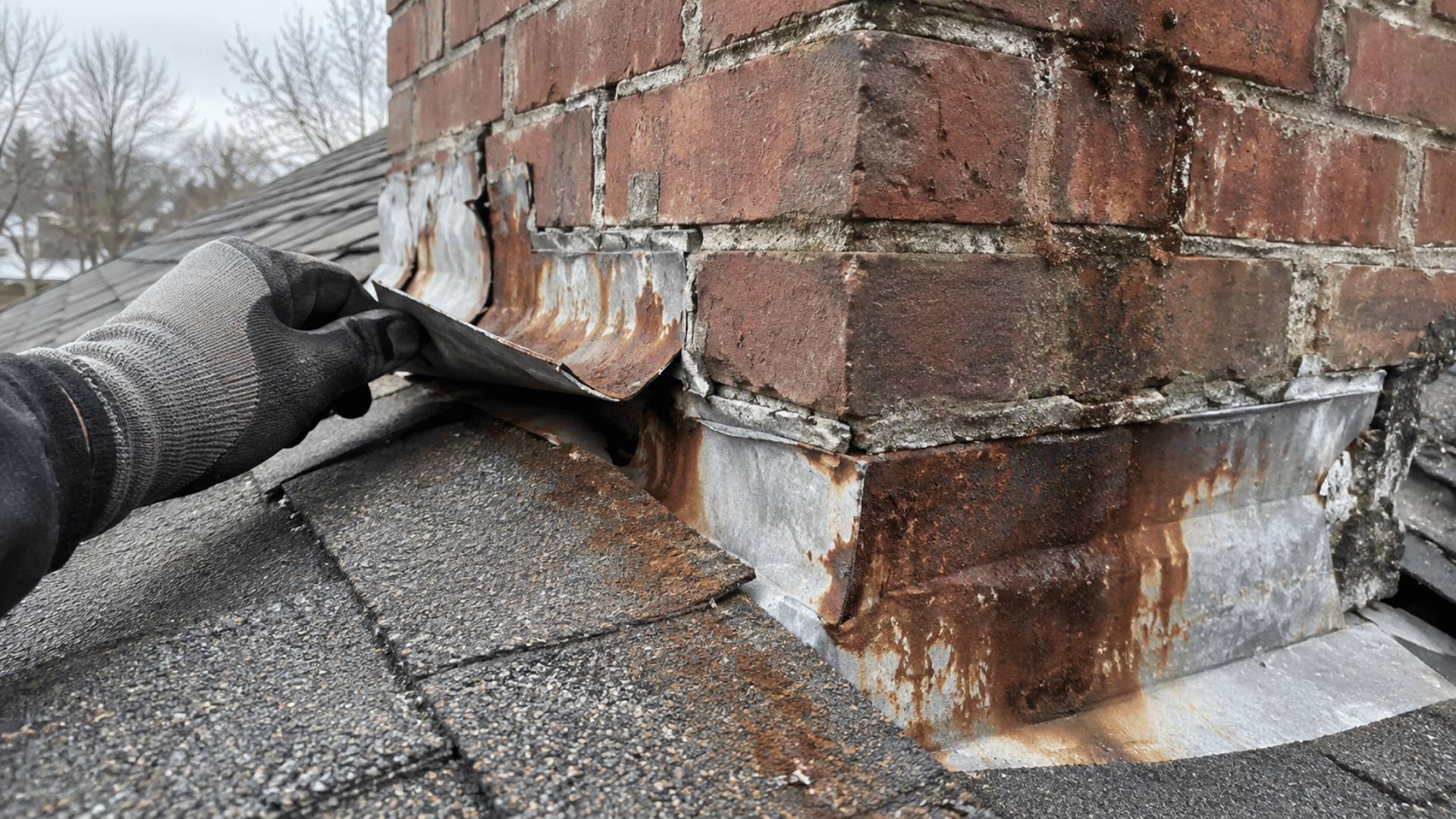
Older chimneys may have cracks, damaged mortar, missing caps, water issues, or other structural concerns. These problems may not be obvious without an inspection.
What Should a Proper Chimney Sweep Include?
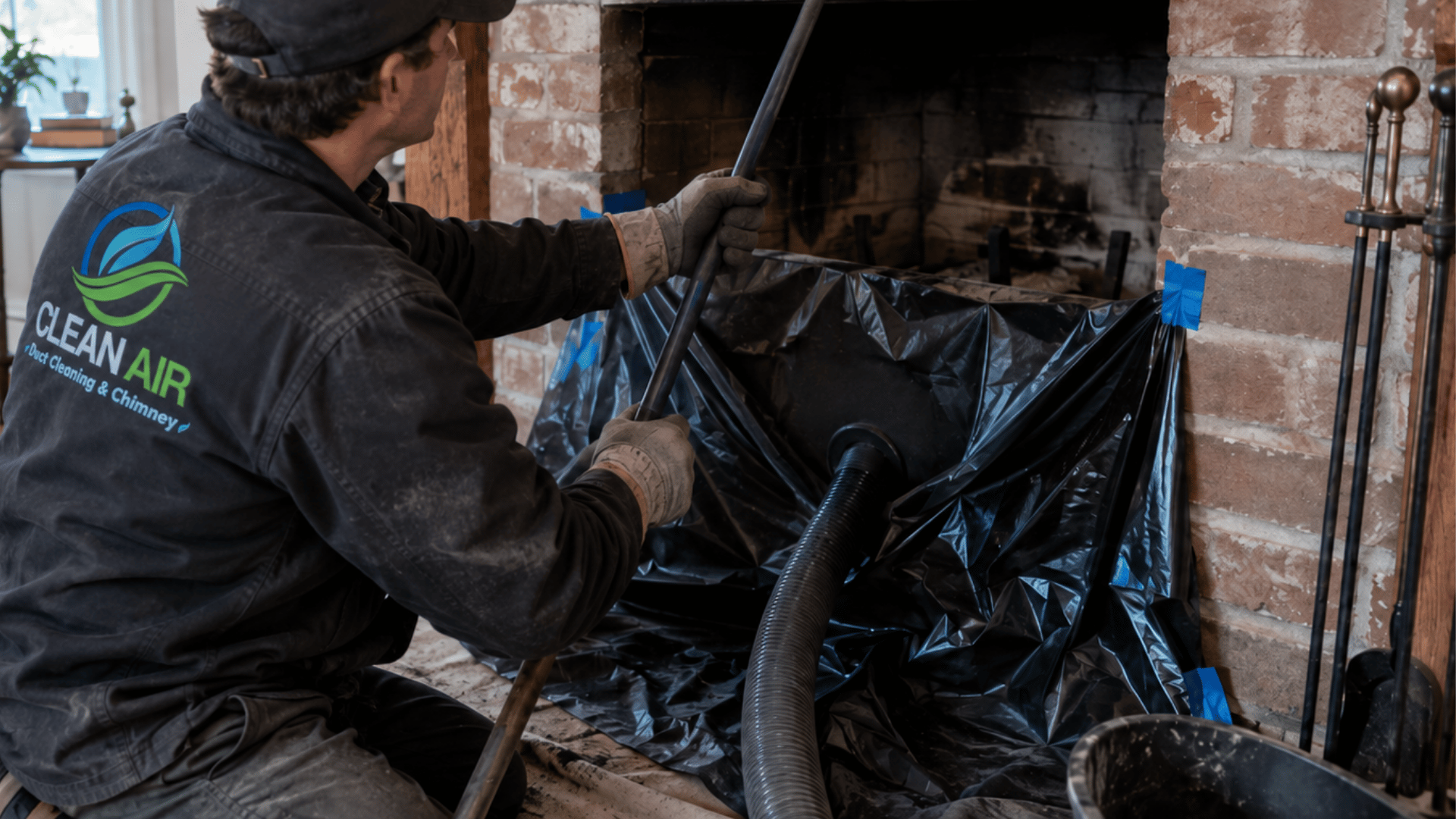
A proper chimney sweep should be more than quickly brushing the flue.
A professional service may include:
- Level 1 or Level 2 visual inspection, depending on the situation
- Checking creosote level
- Brushing and sweeping the flue
- Smoke chamber cleaning
- Firebox inspection and cleaning
- Damper evaluation
- Checking for animal nests or blockages
- Checking the chimney cap
- Looking for cracks or damaged areas
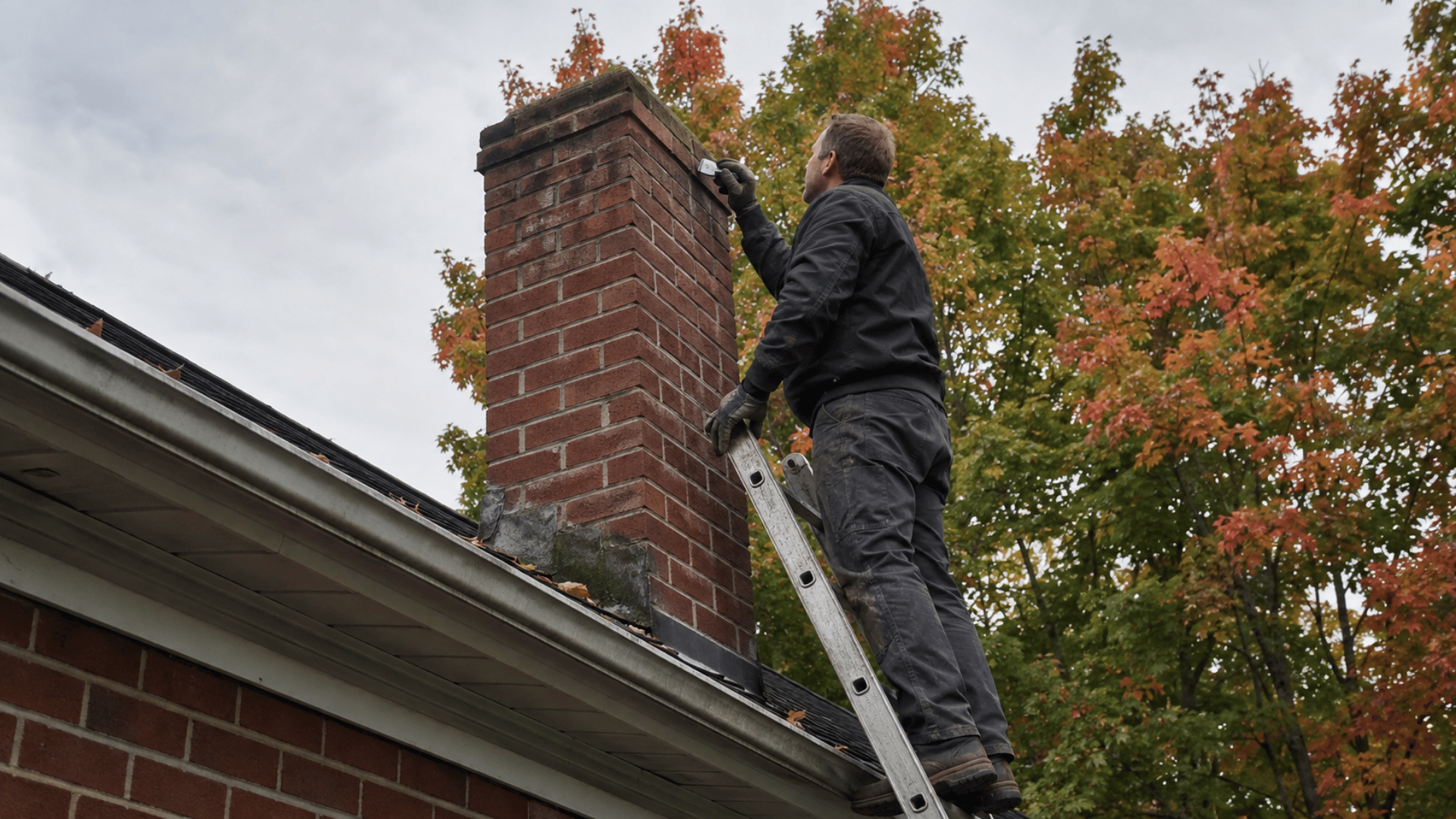
- Exterior chimney check for water or structural damage
- Before-and-after photos when possible
Brushing the flue is only part of the job. A complete service helps confirm whether the fireplace and chimney are safe to use.
Level 1 vs. Level 2 Chimney Inspection
A Level 1 inspection is typically used for regular annual maintenance when nothing major has changed with the system.
A Level 2 inspection may be recommended when there are bigger concerns, such as:
- Buying or selling a home
- Chimney fire concern
- Major weather event or damage
- Change to the fireplace system
- Smoke or draft problems
- Unknown chimney history
- Visible damage
- Heavy creosote or blockage concern
If you moved into a home and do not know when the chimney was last used or cleaned, it is smart to have it inspected before using the fireplace.
What Results Should Homeowners Expect After a Chimney Sweep?
After a proper chimney sweep, homeowners can realistically expect:
- Less combustible creosote inside the chimney
- Cleaner firebox
- Better airflow
- Fires that light easier
- Reduced smoke smell during use
- Fewer blockages
- Safer burning conditions
- More peace of mind before fireplace season
A chimney sweep can improve how the fireplace functions, especially if buildup or blockage was affecting draft.
What a Chimney Sweep Will Not Fix
A chimney sweep is important, but it does not fix every chimney problem.
Sweeping will not automatically repair:
- Cracked flue tiles
- Damaged masonry
- Water leaks
- Missing chimney caps
- Broken dampers
- Structural damage
- Poor fireplace design
- Severe glazed creosote that requires special treatment
- Carbon monoxide issues caused by other appliances or venting problems
This is why inspection matters. Sweeping removes buildup, but the inspection helps identify problems that cleaning alone cannot solve.
When Is the Best Time to Schedule a Chimney Sweep?
The best time is before fall, before you start using the fireplace regularly.
This gives you time to handle cleaning, inspection, and any needed repairs before cold weather.
If you wait until the first cold week of the year, many homeowners are calling at the same time. Scheduling early helps you avoid the seasonal rush.
How to Choose a Chimney Sweep Company
Chimney work is not something to gamble with.
To avoid poor work, missed hazards, or scare-based upselling, look for:
- Certified technicians
- Verified local business credentials
- Strong customer reviews
- Clear explanations
- Before-and-after photos
- Honest pricing
- Professional inspection process
- No pressure tactics
- A company that explains what they found
The right company should not just scare you into repairs. They should show you what they found, explain why it matters, and help you understand your options.
So, How Often Should You Have Your Chimney Swept?
Here is the practical answer:
For standard use, schedule a chimney inspection and sweep once a year before fireplace season.
For heavy use, especially if you burn daily or use the fireplace as a heat source, you may need sweeping after every cord of wood burned, sometimes 2 to 3 times per season.
Schedule sooner if you notice smoke backing up, strong odors, visible black buildup, poor draft, animal nests, or if the chimney has not been cleaned in years.
Final Advice From Our Team
If you are not sure whether your chimney needs sweeping, choose safety first.
Ask yourself:
- When was the chimney last inspected?
- How often do I burn wood?
- Am I burning dry, seasoned wood?
- Do I smell strong odors?
- Is smoke coming back into the room?
- Do I see black buildup?
- Has the home been sitting with an unused chimney for years?
If you do not know the answer, schedule an inspection before using the fireplace.
Your chimney is one of those parts of the home where “out of sight, out of mind” can become a real problem. Regular sweeping and inspection help keep your fireplace safer, cleaner, and ready for the season.
Call (470) 706-6431 or contact us to schedule chimney sweeping in Atlanta, GA.
FAQ
How often should I have my chimney swept?
Most wood-burning chimneys should be inspected once a year and swept as needed. For standard use, many homeowners schedule sweeping once a year before fall.
Do I need chimney sweeping if I barely use my fireplace?
You may not need a full sweep every year if there is little buildup, but you should still have the chimney inspected. Animals, moisture, cracks, or blockages can happen even when the fireplace is not used often.
What happens if I do not sweep my chimney?
Creosote, soot, nests, and debris can build up inside the chimney. This can restrict airflow, cause smoke problems, create strong odors, and increase fire risk.
What is creosote?
Creosote is a combustible residue created when wood burns. It can stick to the inside walls of the chimney and become dangerous if it builds up.
Is smoke coming back into the room a bad sign?
Yes. Smoke backing up into the room can mean poor draft, blockage, heavy buildup, or another chimney problem. Stop using the fireplace and schedule an inspection.
What is the best time of year to clean a chimney?
Before fall is ideal. That way your fireplace is inspected, cleaned, and ready before cold weather.
Does wet wood make my chimney dirtier?
Yes. Wet or unseasoned wood creates more smoke and residue, which can speed up creosote buildup.
Can I sweep my chimney myself?
You can clean out ashes and keep the firebox tidy, but professional chimney sweeping and inspection are recommended for the flue, smoke chamber, damper, exterior, and hidden safety issues.
What should a chimney sweep include?
A proper service should include inspection, flue sweeping, smoke chamber cleaning, firebox and damper evaluation, checking for blockages, and looking for cracks, water damage, or structural problems.
How do I know if I need a sweep right now?
If you notice smoke backing up, strong odors, poor draft, visible black buildup, animal nests, or you do not know when the chimney was last cleaned, schedule an inspection.